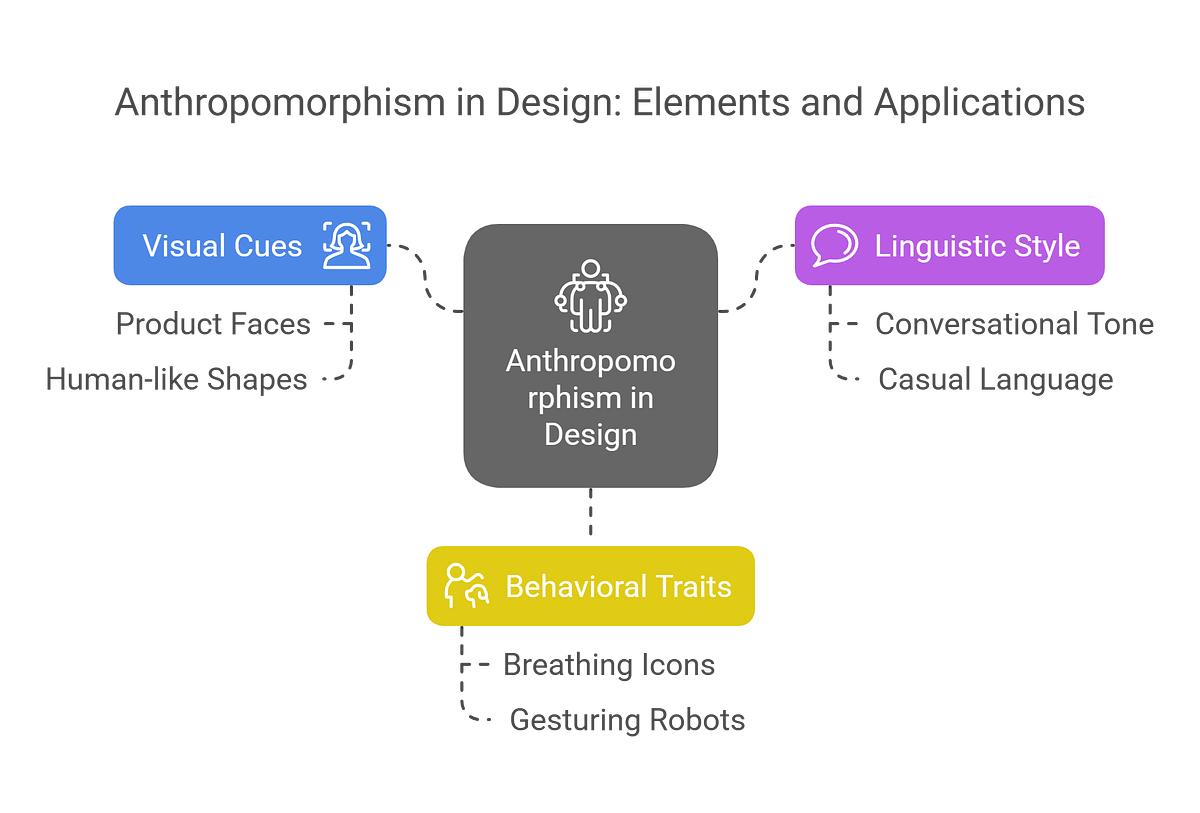
Humanity’s fascination with anthropomorphic models—whether in art, science, or storytelling—reveals a profound psychological undercurrent. These representations, where non-human entities adopt human-like traits, are not merely aesthetic choices; they are cognitive bridges that simplify complexity, evoke empathy, and even shape our understanding of the unknown. From the meticulously crafted 3D models of fictional characters to the abstract diagrams of anatomical systems, anthropomorphism serves as a silent interpreter between the abstract and the familiar. But why does this phenomenon resonate so deeply across cultures and disciplines? The answer lies in the interplay between cognitive ease, emotional connection, and the human need to impose order on chaos.
The Cognitive Allure of Human-Like Forms
At its core, anthropomorphism is a cognitive shortcut—a way for the brain to process unfamiliar concepts by framing them in terms of human experience. When scientists depict a virus as a spiky sphere with a menacing grin, or when engineers model a robotic limb with human-like joints, they are leveraging a phenomenon known as pareidolia, the tendency to perceive human traits in inanimate objects. This isn’t mere whimsy; it’s an evolutionary adaptation. Our ancestors who could quickly identify threats—whether a predator’s face in the shadows or a rival’s intentions—gained a survival advantage. Today, this same mechanism allows us to navigate the abstract landscapes of data, biology, and technology with greater fluency.
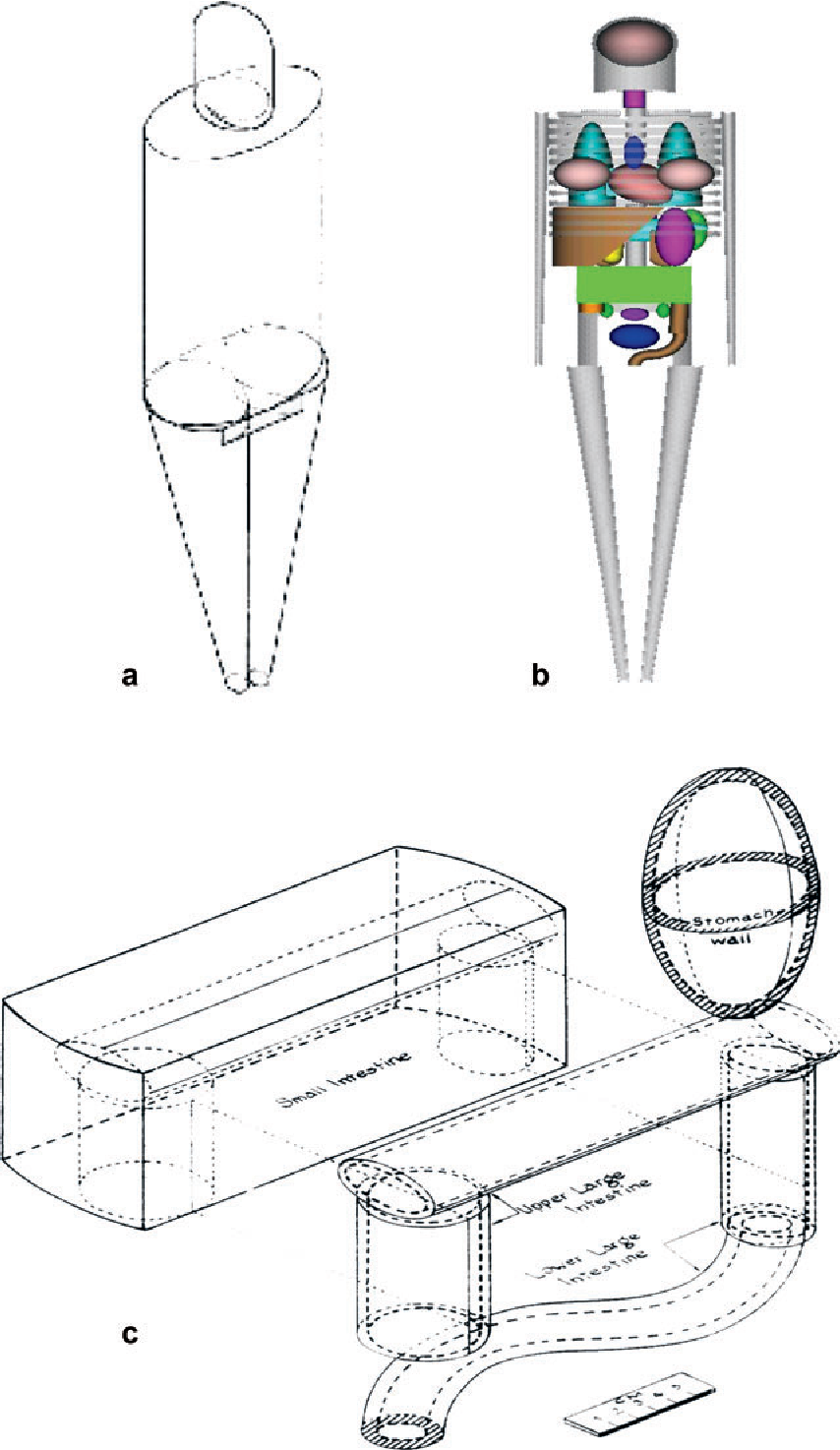
Consider the way medical illustrations transform the sprawling intricacy of the human body into a narrative of organs and vessels. By anthropomorphizing these structures—giving them faces, personalities, or even “jobs” within the body—they become more than static diagrams; they become characters in a story. This narrative framing isn’t just pedagogical; it’s a form of cognitive scaffolding, where complexity is reduced to a series of digestible, relatable vignettes. The brain, after all, is a storyteller at heart, and anthropomorphic models provide the raw material for those stories.
Emotional Resonance: The Power of Empathy in Science
Anthropomorphism doesn’t just make the unfamiliar familiar—it makes it relatable. When a climate scientist models rising global temperatures as a feverish patient, or when an AI researcher personifies a neural network as a curious child learning to speak, they are tapping into the wellspring of human empathy. This emotional bridge is critical in fields where abstract data risks alienating audiences. A graph of carbon emissions may provoke indifference, but a graph showing a planet “gasping for air” can galvanize action.
This phenomenon extends beyond mere metaphor. Studies in neuroscience suggest that when we observe anthropomorphic representations—whether in art, animation, or scientific visualization—our brain’s mirror neuron system activates, blurring the line between observer and observed. We don’t just *see* a robot with a human face; we *feel* its “emotions.” This empathetic response can be a double-edged sword. While it fosters engagement, it also risks oversimplification, where nuanced scientific truths are reduced to human-centric narratives that may not fully capture reality. Yet, in an era of information overload, this trade-off is often necessary to bridge the gap between experts and the public.
The Role of Anthropomorphism in Scientific Discovery
Anthropomorphic models are not just tools for communication; they are catalysts for innovation. In robotics, engineers often design machines with human-like features not because it’s the most efficient solution, but because it aligns with our intuitive understanding of movement and interaction. A robotic arm that mimics the dexterity of a human hand can be programmed more intuitively, even if the mechanical design is less optimal. Similarly, in astrobiology, the search for extraterrestrial life often begins with the assumption that alien life might resemble Earth-based organisms—a form of anthropocentric bias that, while limiting, provides a starting point for exploration.
This heuristic value of anthropomorphism is evident in the field of synthetic biology, where researchers engineer organisms with human-like metabolic pathways to study disease. By framing biological processes as “decisions” made by cellular “actors,” scientists can simulate complex systems in ways that are both computationally feasible and conceptually accessible. The irony, of course, is that while these models simplify our understanding, they also risk reinforcing the notion that nature operates with human-like intentions—a fallacy known as teleology. Yet, this tension between utility and accuracy is a necessary compromise in the pursuit of knowledge.
Cultural and Philosophical Implications
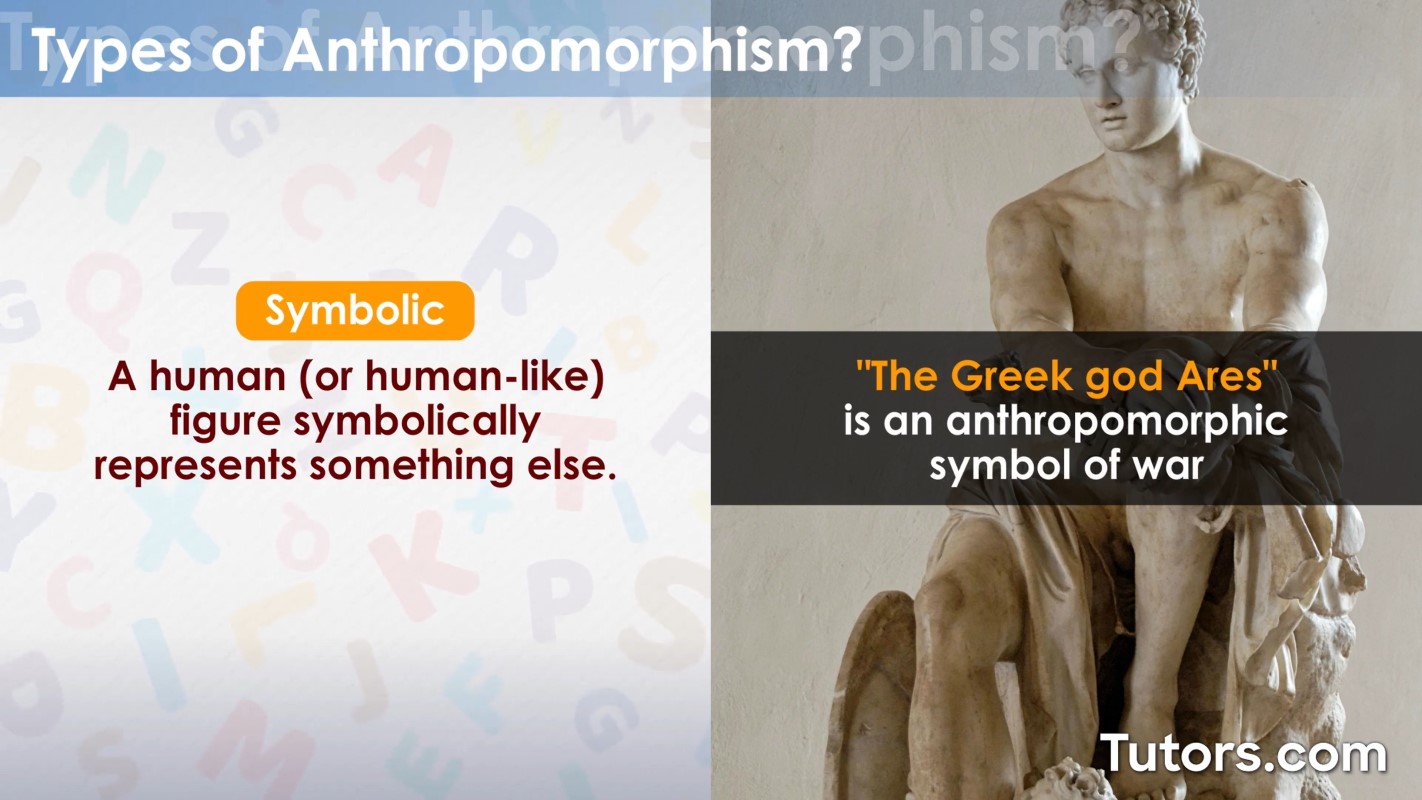
The ubiquity of anthropomorphic models across cultures suggests a deeper, almost existential need to see ourselves reflected in the world around us. Ancient mythologies teem with gods and spirits that embody human virtues and flaws, while modern advertising personifies everything from cars to smartphones as characters with desires and personalities. This isn’t mere coincidence; it’s a reflection of our anthropocentric worldview, the belief that human traits are the default lens through which to interpret reality.
Philosophically, anthropomorphism raises questions about the nature of perception and reality. If we cannot help but see the world through a human filter, does that mean our understanding of the universe is inherently biased? Quantum physics, with its probabilistic and often counterintuitive models, challenges our anthropocentric instincts, yet even here, physicists resort to metaphors—particles as “dancing” or “communicating”—to make sense of the abstract. The tension between our desire for human-like order and the chaotic reality of the universe is a recurring theme in both science and art, from the surrealist paintings of Dalí to the mathematical elegance of string theory.
The Dark Side of Anthropomorphism: When Simplification Becomes Distortion
While anthropomorphism can illuminate, it can also obscure. In medicine, the tendency to anthropomorphize diseases—imagining cancer as a “sneaky invader” or Alzheimer’s as a “thief of memories”—can lead to misconceptions about treatment and prognosis. Patients may blame themselves for “fighting” the disease, or they may overestimate the efficacy of therapies framed as “battles.” Similarly, in AI ethics, the personification of algorithms as “biased judges” or “learning minds” can obscure the fact that these systems are, at their core, statistical tools devoid of intention or consciousness.
This distortion is particularly dangerous when anthropomorphic models are used to justify unethical practices. Historical examples abound, from the dehumanization of marginalized groups through caricature to the justification of environmental exploitation by framing nature as a “resource” to be harnessed. Even in contemporary contexts, the anthropomorphism of technology—such as attributing “agency” to self-driving cars—can lead to misplaced trust or accountability gaps. The challenge, then, is to harness the power of anthropomorphism while remaining vigilant against its potential to mislead.
Future Horizons: Anthropomorphism in the Age of AI and Beyond
As artificial intelligence and virtual reality become more sophisticated, the line between anthropomorphic representation and reality will continue to blur. AI chatbots with human-like voices and avatars already elicit emotional responses from users, challenging our ability to distinguish between simulation and sentience. In virtual environments, users may soon interact with anthropomorphic agents that adapt their behavior in real-time, creating entirely new forms of social dynamics.
This raises profound questions about the future of human-computer interaction. Will we become emotionally dependent on these anthropomorphic entities? Could they serve as therapeutic tools, or will they deepen our isolation by replacing human connection? The answers may lie in our ability to strike a balance—using anthropomorphism as a bridge to understanding, while remaining critical of its limitations. After all, the most powerful models are not those that deceive us into seeing humanity where it doesn’t exist, but those that use our humanity as a lens to explore the unknown.

Anthropomorphic models, whether in art or science, serve as a testament to humanity’s enduring quest to find meaning in the unfamiliar. They are not just tools of communication or innovation; they are mirrors reflecting our deepest cognitive and emotional needs. By understanding the psychology behind this phenomenon, we gain not only insight into the models themselves but into the very nature of human perception and curiosity.