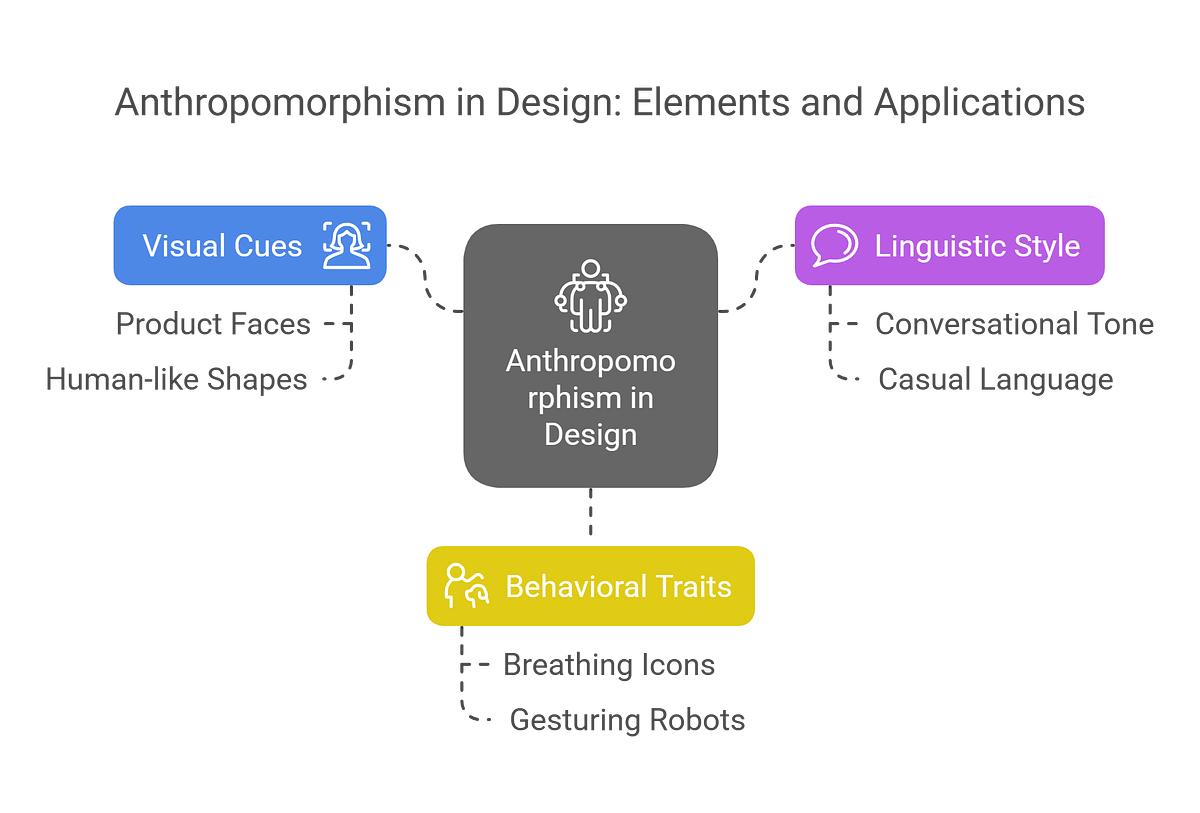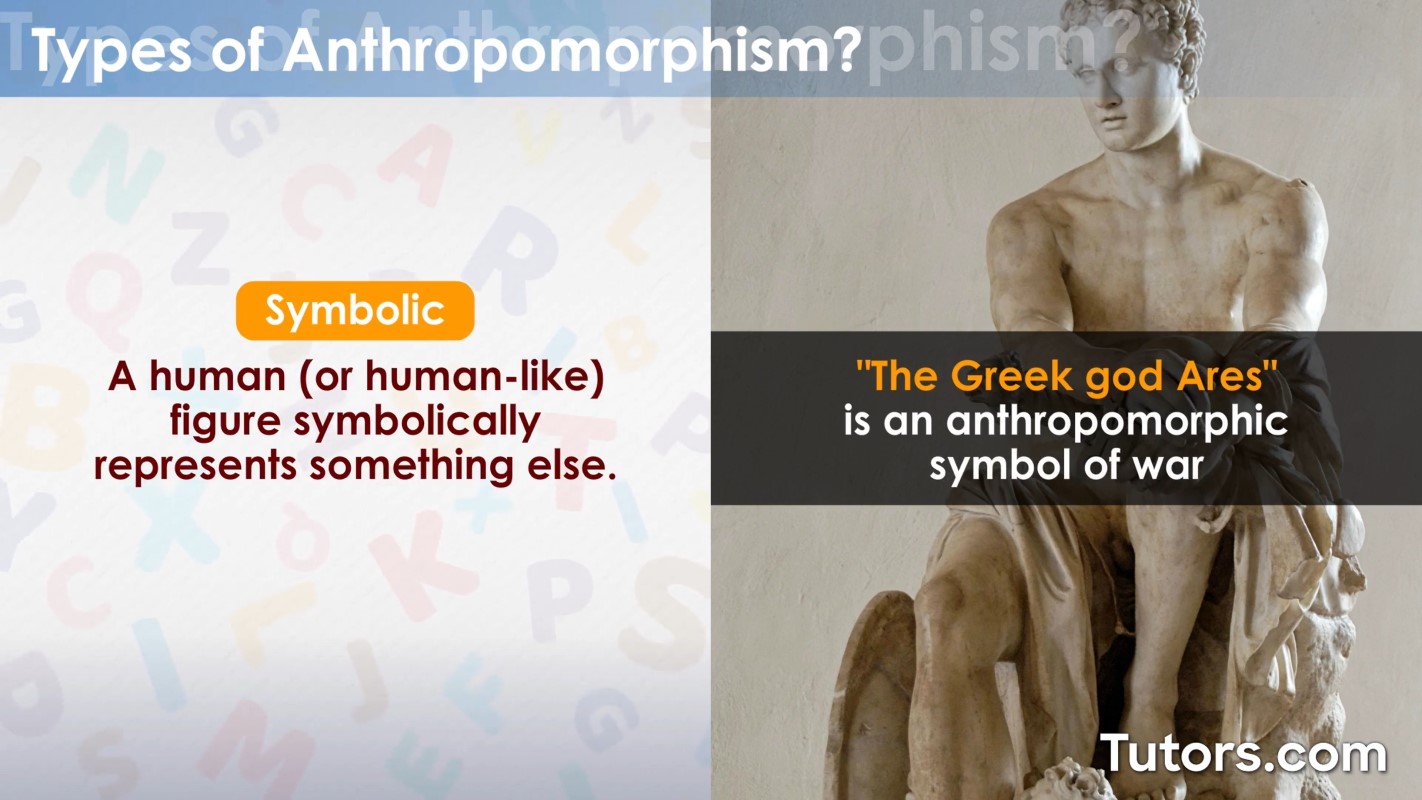
In a world teeming with countless brands vying for attention, capturing the emotional heartbeat of consumers has become an elusive yet essential quest. A subtle yet profoundly impactful technique has emerged, transforming faceless products into relatable entities: anthropomorphism. By bestowing human characteristics onto brands and products, marketers are not merely selling features—they are forging deep emotional connections that transcend ordinary consumer interactions. This approach promises a shift in perspective, urging us to reconsider how we relate to the objects and brands that populate our daily lives, inviting curiosity about why this humanizing tactic resonates so powerfully.
The Psychological Underpinnings of Anthropomorphism
At its core, anthropomorphism taps into an intrinsic human propensity: the desire to interpret the unfamiliar through a familiar lens. Cognitive science reveals that humans naturally assign human traits to non-human agents as a coping mechanism, a way to understand and predict behaviors within their environment. This mental shortcut fosters a sense of comfort and reduces uncertainty. When applied to marketing, this innate tendency effortlessly converts brands into entities that consumers feel they can understand, relate to, and even trust.
Moreover, emotional contagion plays a pivotal role in this process. When a brand exhibits human-like warmth, humor, or empathy, these emotions can evoke corresponding feelings within the audience. This mnemonic framework embeds the brand deeper into consumers’ emotional landscapes, fostering loyalty and long-term engagement. Thus, anthropomorphism operates not merely as a stylistic choice but as a strategic exploitation of human cognitive architecture.
Animating Brands: Transforming Products into Personalities
The transition from product to persona is more than a superficial makeover—it is a metamorphosis that animates the brand’s identity. Brands adorned with recognizable human traits often embody archetypes, such as the wise mentor, the rebellious maverick, or the nurturing caregiver. This narrative strategy elevates the brand from a mere commodity to a character within the cultural story consumers are eager to engage with.
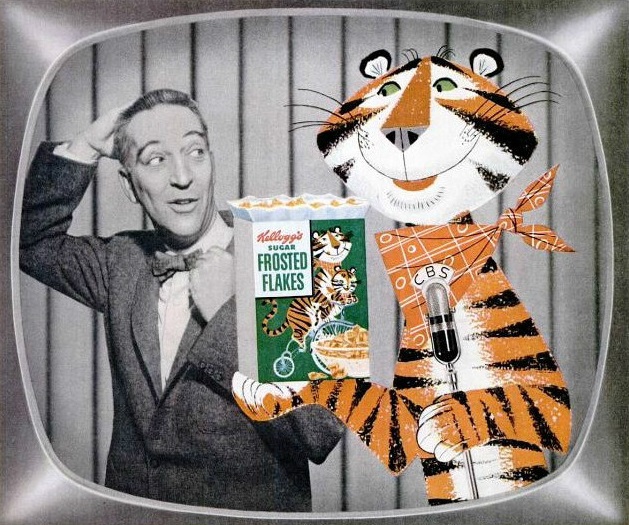
Take, for example, brand mascots that have evolved into cultural icons. These anthropomorphic figures encapsulate the brand’s values, messages, and promises, offering consumers a consistent and compelling point of emotional reference. The anthropomorphic narrative invites consumers to invest psychologically in the brand’s journey, transforming transactional relationships into meaningful connections.
Emotional Resonance Through Storytelling
Storytelling is the vessel through which anthropomorphized brands transmit their human essence. Stories imbued with human characteristics animate the brand’s narrative, creating immersive experiences that resonate deeply. Marketers craft plots, conflicts, and resolutions that mirror the complexities and triumphs of human existence.
By weaving anthropomorphic elements into brand stories, marketers evoke empathy and curiosity, triggering active participation rather than passive consumption. Consumers begin to view the brand as a companion in their own life narratives, making brand messages more memorable and persuasive. This narrative synergy nurtures a fertile ground for emotional resonance, where trust and attachment flourish.
The Social Dimension: Building Community and Shared Identity
Anthropomorphism in marketing also fosters social cohesion. When brands assume human traits, they become more than isolated entities; they morph into social actors, capable of engaging in dialogue, expressing opinions, and participating in cultural conversations. This dynamic fosters a shared identity among consumers who relate to the brand’s ‘personality,’ often leading to vibrant communities rooted in common values and emotional bonds.
These communities act as amplifiers of brand loyalty and advocacy. Consumers become ambassadors, drawn to the relatable human dimensions the brand exhibits. By cultivating a persona that reflects communal aspirations and challenges, brands transcend transactional boundaries, embedding themselves within the social fabric of their audiences.
The Double-Edged Sword: Risks and Ethical Considerations
While the allure of anthropomorphism in marketing is undeniable, it is not without its pitfalls. When brands anthropomorphize, they assume implicit promises and expectations. If the human characteristics projected clash with actual experiences—say, a brand that promises empathy but delivers indifference—the emotional dissonance can lead to consumer backlash and erosion of trust.
Moreover, there are ethical dimensions to consider. Anthropomorphism can obscure the line between marketing and manipulation, as brands tap into subconscious emotional triggers. Transparency and authenticity become paramount to ensure that human-like portrayals are not exploitative but reflect genuine brand values and behaviors. Maintaining this balance safeguards not only consumer trust but also the brand’s integrity.
The Future Horizon: AI, Virtual Influencers, and Beyond
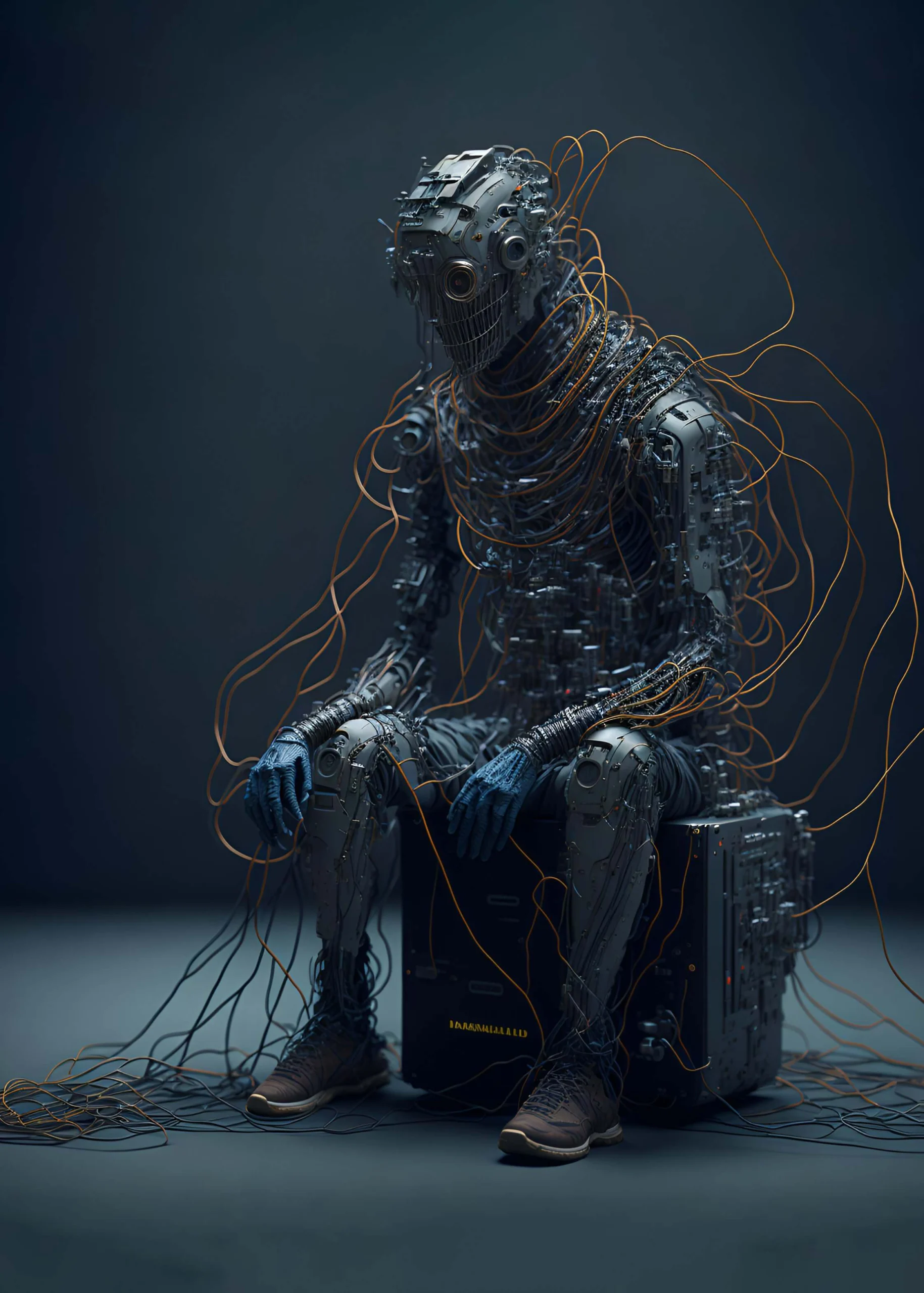
The trajectory of anthropomorphism in marketing is accelerating with technological advancements. Artificial intelligence and virtual influencers represent the next frontier, where brands adopt dynamic, interactive, and remarkably human-like personas. These digital embodiments can simulate conversations, express emotions, and adapt to consumer preferences in real-time, creating fluid and personalized emotional connections.
Such innovations promise to deepen the human-brand relationship, blurring the boundaries between physical and virtual personalities. As brands evolve into responsive companions, curiosity swells around the implications for consumer autonomy, brand authenticity, and the evolving nature of emotional intimacy in commerce.
Conclusion: Reimagining Consumer Relationships Through Anthropomorphism
The practice of anthropomorphism in marketing is more than a fanciful technique—it is a profound paradigm shift in how brands connect with consumers. By humanizing products and infusing narratives with relatable personalities, marketers unlock the door to genuine emotional engagement. This approach transforms mundane transactions into memorable experiences, fostering loyalty, trust, and community.
As the marketplace grows increasingly saturated, anthropomorphism challenges us to rethink our connections with the brands we choose, illuminating the extraordinary power of human emotions in shaping economic behaviors. In understanding and embracing this dynamic, marketers and consumers alike embark on a journey of rediscovery—where emotional resonance reigns supreme, and brands become trusted companions rather than mere commercial entities.