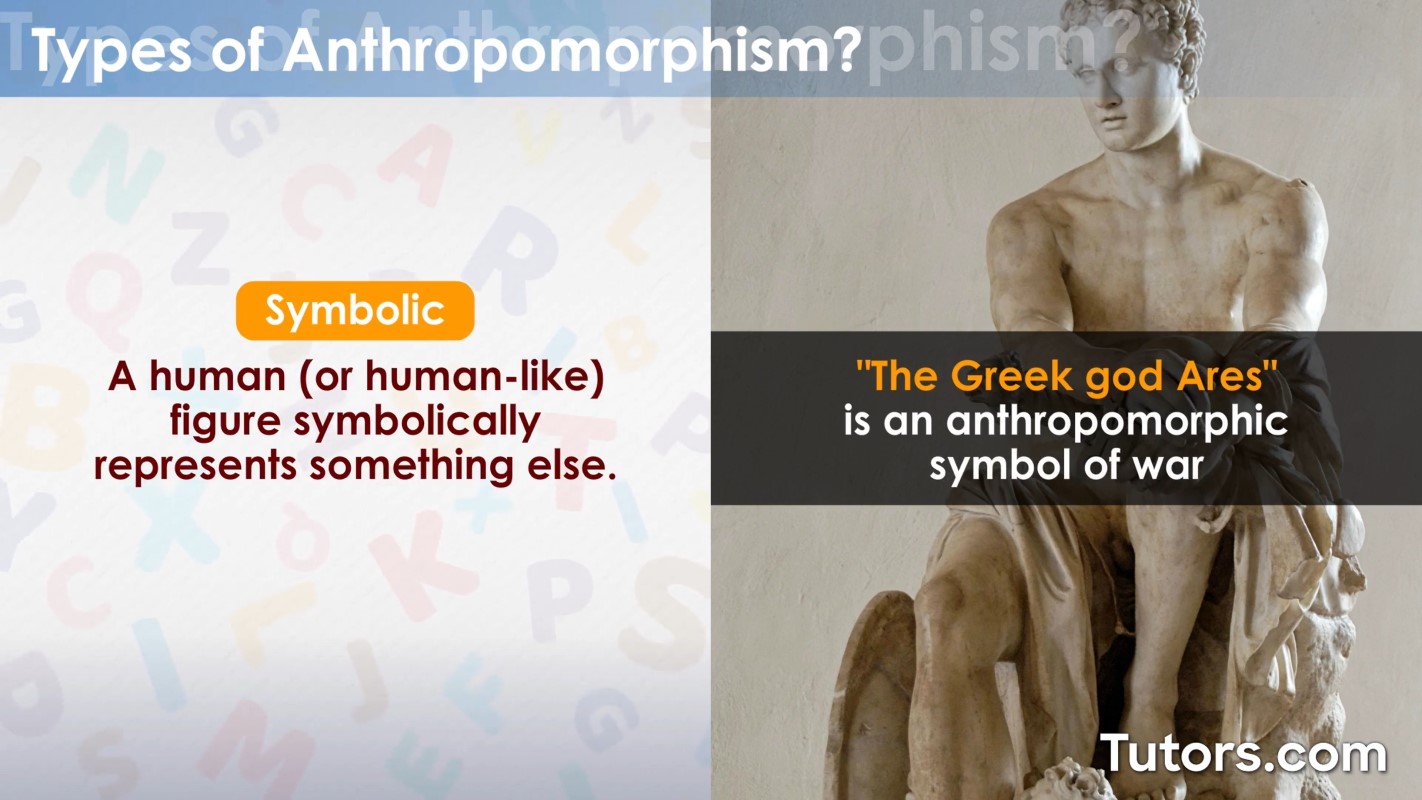
Have you ever found yourself pondering why your dog’s tilt of the head feels so undeniably thoughtful, or why your cat’s languid stretch seems to convey an enigmatic message meant just for you? Anthropomorphizing—attributing human-like emotions, intentions, or consciousness to animals—is a ubiquitous aspect of human-animal interaction. Yet, this psychological tendency poses a playful challenge: does seeing our pets through a human lens enrich our bond, or does it obscure the true nature of their experiences?
The Roots of Anthropomorphism: Why Humans Attribute Human Traits to Animals
The impulse to anthropomorphize stems from an intrinsic cognitive mechanism. Humans are naturally predisposed to understand the world through a social framework framed by interpersonal interactions. When faced with non-human entities—especially those as familiar and expressive as dogs and cats—the brain attempts to bridge the interpretive gap by projecting relatable feelings and thoughts onto them. This propensity is amplified by our sophisticated theory of mind, the ability to infer intentions and desires in others. Yet, when applied to animals, this instinct can lead us into a fascinating territory where facts and feelings blur.
From an evolutionary vantage point, this tendency may have conferred adaptive advantages by strengthening human-animal bonds. Early domestication likely favored individuals who intuitively connected with animals on an emotional level, fostering cooperation and mutual care. Contemporary science suggests that anthropomorphism helps maintain social closeness, reinforcing the pet’s position not merely as an animal, but as a surrogate kin or companion, which enriches human emotional well-being.
Decoding Canine and Feline Behaviors Through a Human Lens
Dogs and cats exhibit a wide range of behaviors that invite anthropomorphic interpretation. For example, a dog’s wagging tail often gets read as an unequivocal signal of happiness, while a cat’s purring is translated as contentment or affection. But the biomechanics and emotional context of these actions are more nuanced than their simplistic humanized interpretations.
Dogs, through millennia of coevolution with humans, have developed expressions and gestures that align with human communicative cues: direct eye contact, facial expressions, and even a form of “smiling.” This convergence propels owners to interpret their pets as possessors of complex emotions resembling human ones. Conversely, cats’ behaviors are frequently cloaked in ambiguity, given their more solitary evolutionary background and aloof demeanor. Anthropomorphizing a cat tends to involve attributing enigmatic personalities or moods—a cat “demanding” attention might be viewed as expressing jealousy or cunning, rather than a survival-based strategy for securing resources.
The Cognitive and Emotional Consequences of Anthropomorphizing Pets
Anthropomorphic attributions have profound cognitive consequences on how pet owners perceive and respond to their pets. On one hand, this can foster empathy and enhance caretaking behaviors. Seeing a pet as capable of human-like sorrow may prompt more compassionate responses during illness or distress. This empathetic bridge is vital for the emotional connection between humans and their animal companions.
However, quixotic misinterpretations can lead to misunderstandings that impact animal welfare. Misreading a dog’s submissive grin as happiness, or framing a cat’s aggressive hiss as a sign of “attitude,” can result in overlooked behavioral problems or inappropriate training approaches. The emotional projection can obscure the animal’s authentic needs and signals, resulting in frustration on both sides of the relationship.
Neuroscience and the Mirror of Emotion in Pets
Exciting developments in neuroscience shed light on the biological underpinnings of why anthropomorphism resonates so deeply. Studies reveal that interacting with pets activates the oxytocin system—often dubbed the “love hormone”—in both humans and animals, fostering attachment and bonding. This neurochemical interplay helps explain why owners perceive their dogs and cats as sentient beings with feelings echoing their own.
Moreover, research into animal cognition reveals that while pets may not possess human-like self-awareness, they do exhibit emotional complexity that rivals some primates. Dogs, for instance, display signs of empathy, jealousy, and social learning. Cats demonstrate problem-solving acumen and subtle affective states. These findings complicate the anthropomorphism debate, suggesting that attributing emotions to pets isn’t entirely fanciful, but rather a reflection of shared affective experiences across species boundaries.
The Cultural and Social Dimensions of Anthropomorphism
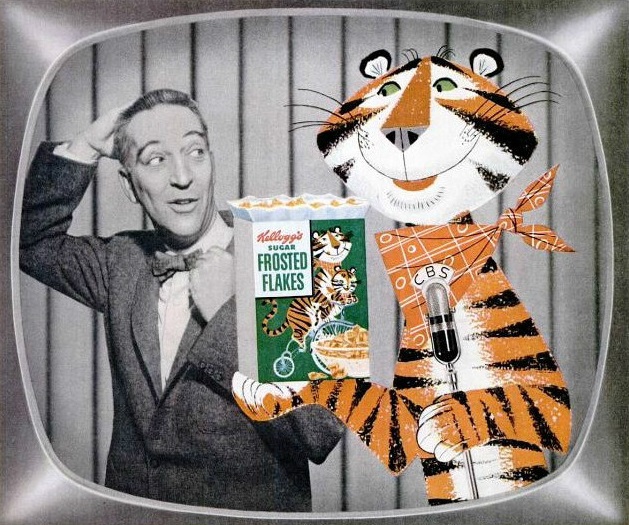
Anthropomorphizing pets is not merely a psychological impulse; it is deeply embedded within cultural narratives and social practices. Popular media often endows animals with personality and voice, cementing certain behavioral stereotypes—like the loyal dog or the inscrutable cat—that influence public perception and expectations. These portrayals frame the way people interact with their own pets, shaping training styles, healthcare decisions, and even ethical considerations regarding animal rights.
In addition, the rise of social media has amplified the spotlight on anthropomorphism. Viral videos and memes frequently anthropomorphize dogs and cats, underlining their “human” quirks and sentiments. This phenomenon creates an echo chamber where human-like interpretations of animal actions proliferate and encourage interaction along those lines. It’s both a celebration of the human-animal bond and a potential pitfall, whereby complexity is flattened into simplification.
Balancing Empathy with Accuracy: Navigating the Challenges
How do pet owners reconcile the warmth of anthropomorphism with the need to respect their animals’ true nature? The key lies in informed empathy—acknowledging the intrinsic differences between species while celebrating shared emotional worlds. Educating oneself about typical species-specific behaviors and motivations can deepen understanding without diminishing the intensity of emotional connection.
Training programs and veterinary advice increasingly emphasize interpreting animal signals through ethological lenses—considering evolutionary behavior and instinct rather than human psychology alone. This approach helps owners meet their pets’ needs more effectively, whether it’s managing anxiety in dogs or coping with a cat’s territoriality, by avoiding misattributions that may cause confusion or distress.
Conclusion: The Enigmatic Dance of Human and Animal Minds
Anthropomorphizing dogs and cats is a fascinating intersection of psychology, biology, and culture. It invites us to marvel at the emotional resonance between species while challenging us to discern where empathetic imagination ends and factual understanding begins. Ultimately, this playful yet complex challenge enriches our relationships with our animal companions, illuminating the profound ways in which humans seek connection, meaning, and reflection in the creatures that share our lives.