The phenomenon of imaginary friends has fascinated psychologists, educators, and parents alike for decades. These ephemeral companions often serve as more than mere playmates; they reveal intricate insights into a child’s cognitive, emotional, and social development. When examined through an anthropomorphic lens, the psychology of imaginary friends uncovers complex interactions between human cognition and the attribution of lifelike qualities to non-human entities. This exploration delves deeply into the multifaceted nature of these imagined entities, unraveling their origins, functions, and profound significance in childhood growth.
The Roots of Imaginary Companions: Cognitive Foundations
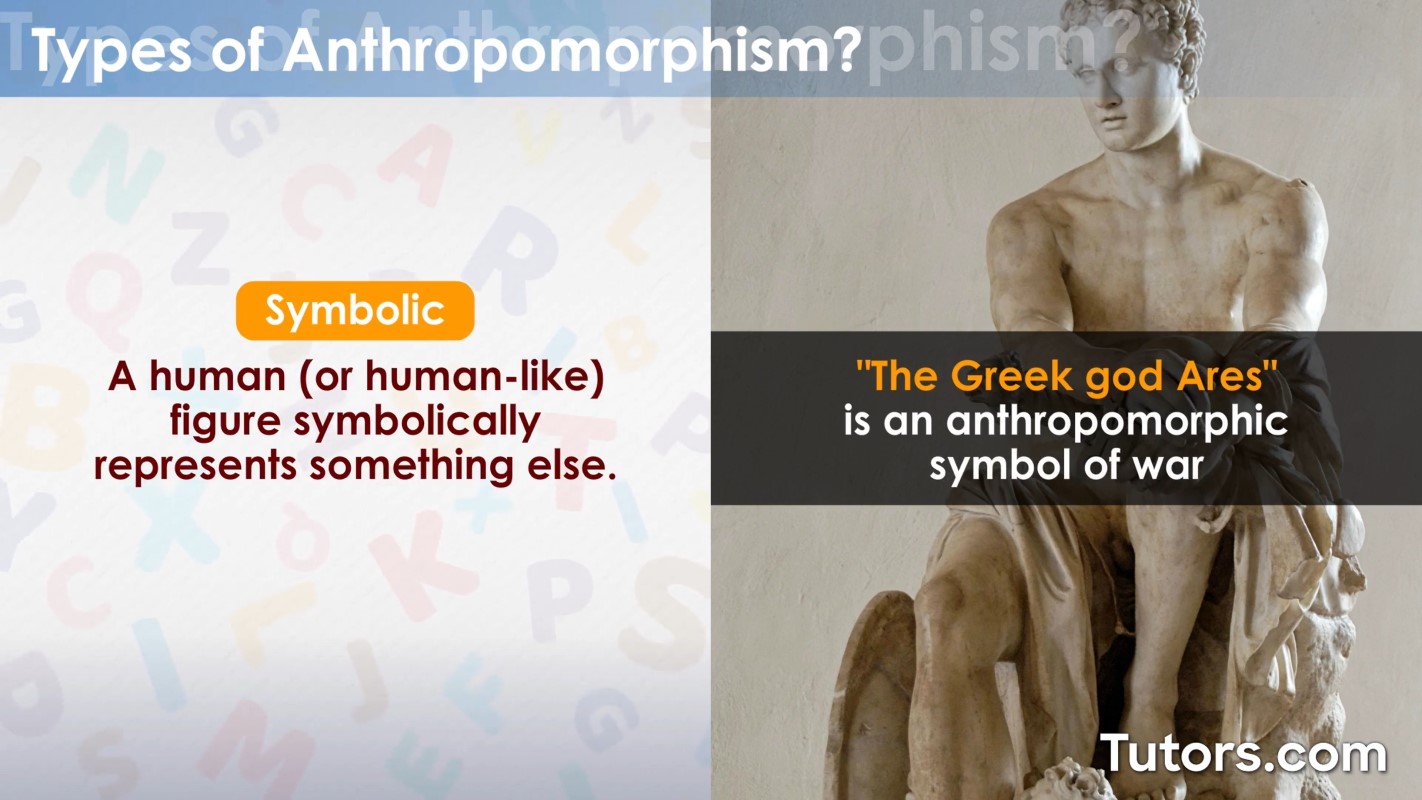
The inception of imaginary friends is inherently tied to the burgeoning cognitive faculties of young children. During early developmental stages, children begin to decipher the nuances of social interaction and emotional connectivity. Imaginary companions emerge as cognitive constructs, born from a blend of curiosity, creativity, and the desire for social engagement. These entities often embody anthropomorphic traits—attributes customarily assigned to humans, such as thoughts, emotions, and intentions. This anthropomorphism is a cognitive mechanism that allows children to make sense of the world around them by projecting familiar human characteristics onto their imaginary companions.
Neurologically, the development of theory of mind—the ability to attribute mental states to oneself and others—plays a pivotal role. As this skill matures, children become capable of creating complex narratives involving their imaginary friends, attributing intentions, feelings, and even moral reasoning to them. This not only enriches their imaginative play but also serves as a rehearsal for real-world social dynamics.
Anthropomorphism as a Psychological Mechanism
Understanding imaginary friends through an anthropomorphic perspective sheds light on why children imbue these companions with distinct personalities, emotions, and motivations. Anthropomorphism functions as a bridge between the abstract and the concrete; it transforms nebulous ideas into relatable entities. Through this process, imaginary friends become vessels for children to explore and refine social norms and emotional responses.
Children tend to assign human-like agency to objects or characters, extending empathy and companionship towards them. This anthropomorphic lens also furthers emotional regulation—the imagined dialogue with an anthropomorphized friend offers a safe outlet for expressing complex feelings such as fear, loneliness, or joy. Moreover, it facilitates perspective-taking, enabling children to better understand the viewpoints of others, an essential skill for social cohesion and communication.
Types of Imaginary Friends: Diverse Manifestations
Imaginary companions manifest in a plethora of forms, ranging from invisible friends to personified dolls, and even fantastical creatures with elaborate backstories. Invisible friends, perhaps the most quintessential type, live solely within a child’s mind and possess no tangible form. These companions often engage in rich, elaborate interactions that mirror real social exchanges.
Conversely, personified objects, such as stuffed animals or action figures, bridge the physical and imaginary realms. Children imbue these toys with distinct personalities and narratives, effectively animating the inanimate. This tangible dimension allows for more physical interaction, enhancing the depth and realism of the imaginary friendship.
Less conventional, yet equally fascinating, are imaginary friends that take the form of mythical creatures or wholly unique entities. These often exhibit exaggerated traits—magical powers, extraordinary wisdom, or supernatural abilities—that serve to empower the child and reiterate themes of autonomy, safety, and control. The diversity in forms reflects the flexible, adaptive nature of a child’s imagination and needs.
Functions and Benefits: Emotional and Social Development
Imaginary friends fulfill myriad psychological functions. Foremost among them is emotional support. In times of stress, isolation, or transition, these companions provide solace and stability. They act as confidantes, offering children a nonjudgmental space to articulate fears and hopes.
Socially, imaginary friends act as training grounds for interpersonal skills. Children rehearse conversations, navigate conflicts, and experiment with social roles within this protected imaginative environment. This rehearsal is instrumental in cultivating empathy, negotiation skills, and self-regulation.
Moreover, the presence of an imaginary friend can be indicative of healthy creativity and cognitive flexibility. Children who engage more frequently with such companions often demonstrate heightened problem-solving abilities and adaptive thinking, harnessing their imaginative prowess to process complex emotions and stimuli.
Potential Misconceptions and Clinical Perspectives
Despite their ubiquity and benefits, imaginary friends are occasionally misunderstood. Some adults perceive them as signs of loneliness or developmental delays. However, psychological consensus views these companions predominantly as normative aspects of healthy childhood play and development.
From a clinical standpoint, imaginary friends rarely signify psychopathology. Instead, they are often protective factors, buffering children from stressors or social challenges. Instances where these fantasies persist beyond typical developmental windows might warrant further observation, but isolated use of imaginary friends is generally harmless and even advantageous.
Imaginary Friends in the Digital Age: New Dimensions
With technological advances, the nature of imaginary companions has evolved. Digital avatars and virtual characters now serve as proxies for traditional imaginary friends, extending anthropomorphic attributes into interactive digital realms. This fusion of imagination and technology introduces novel opportunities for engagement, learning, and emotional expression.
Digital companions can offer adaptive feedback, emotional responsiveness, and even educational content, blending the boundary between fantasy and reality. However, this also raises questions about the authenticity of anthropomorphic experiences and the long-term effects on social development.
Conclusion: The Enduring Significance of Imaginary Companions
Imaginary friends are far more than child’s play; they embody a convergence of cognitive growth, emotional healing, and social experimentation. Through the prism of anthropomorphism, these companions become meaningful interlocutors in the journey toward self-understanding and interpersonal adeptness. Their transient, imaginative nature belies the enduring imprint they leave on human psychological development. Embracing the complexity of imaginary friends reveals a profound tableau where fantasy and reality coalesce to shape resilient, empathetic individuals.