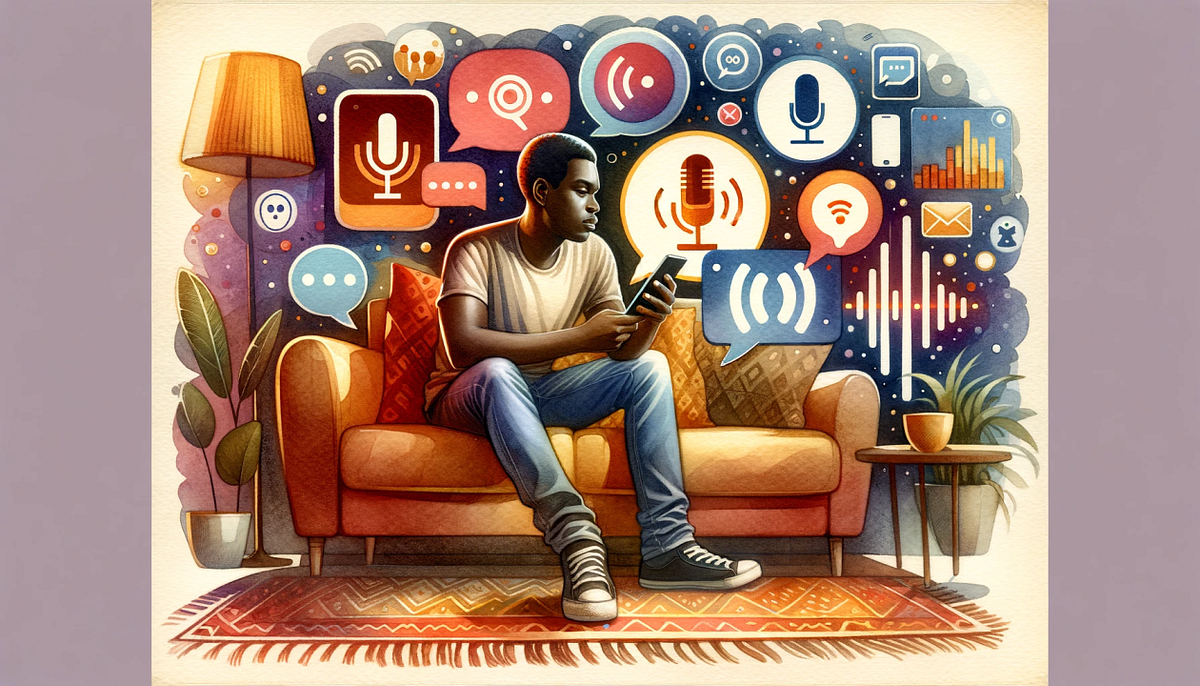
In an era defined by the accelerating fusion of human cognition and digital intelligence, anthropomorphic AI assistants emerge not merely as tools but as entities that reshape our psychological landscape. These AI assistants, imbued with human-like traits, beckon a profound reconsideration of how technology interlaces with emotion, behavior, and social interaction. Delving into their psychological implications reveals a realm where curiosity meets the promise of transformation, challenging preconceived notions of artificiality and human connection.
The Allure of Anthropomorphism: Humanizing the Machine
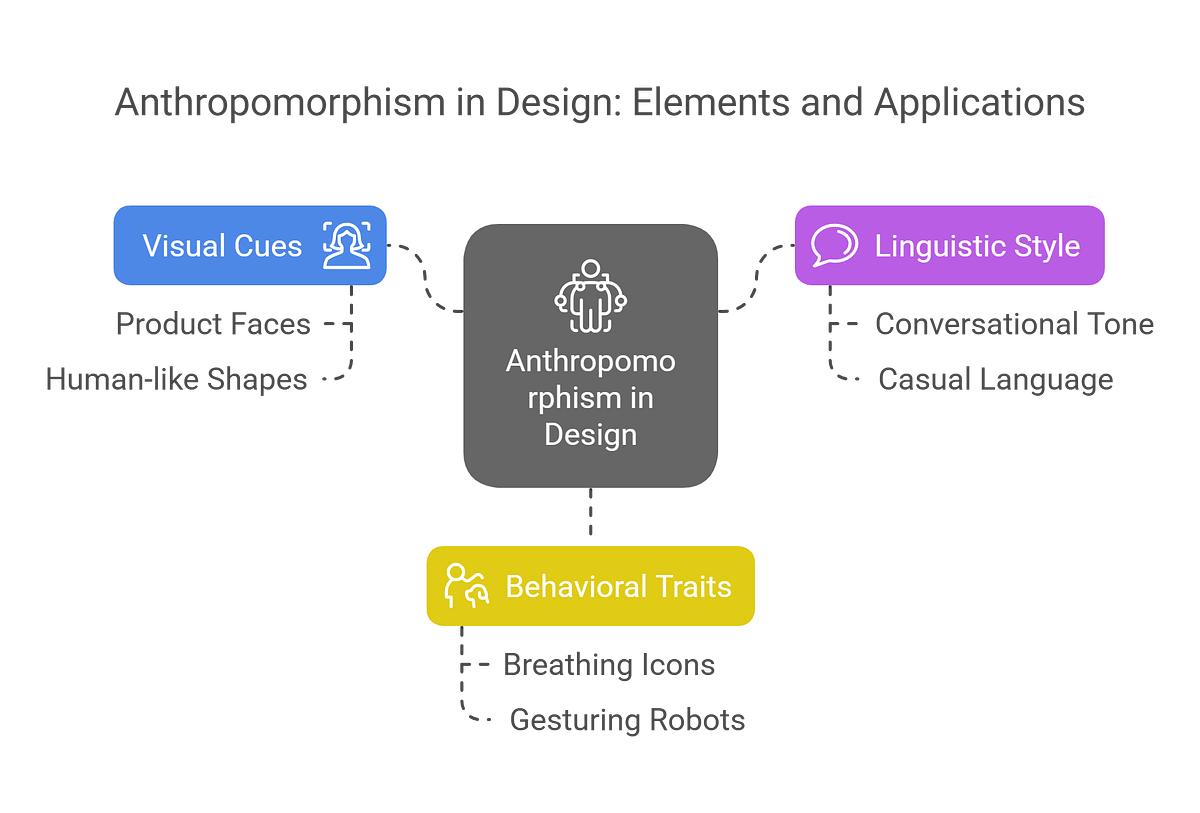
The psychological phenomenon of anthropomorphism — attributing human qualities to non-human agents — serves as the cornerstone for understanding our interaction with AI assistants. This inclination is far from trivial; it is a deep-seated cognitive mechanism that simplifies complex interfaces into relatable personalities. When AI is anthropomorphized, it transcends mere functionality, becoming a companion woven into the everyday fabric of human experience.
By embodying facial expressions, gestures, or even subtle vocal inflections, AI assistants evoke empathy and foster trust. This layering of human characteristics onto machinery propels users beyond sterile commands into a domain where dialogue and emotional reciprocity flourish. Such design choices amplify engagement, making interactions feel intuitive and emotionally resonant.
Psychological Impacts: Trust, Attachment, and Social Presence
Anthropomorphic AI instigates a shift in psychological dynamics, particularly in fostering trust and attachment. Humans, wired to relate to conspecifics, often unconsciously extend these social frameworks to artificial agents that display human semblance. This results in an intriguing interplay where trust is negotiated not just on functionality but on perceived intentionality and responsiveness.
The sense of social presence—feeling that one is interacting with a sentient entity—heightens with anthropomorphic design. This presence can alleviate feelings of isolation, offering companionship in solitude. For some, these AI assistants evolve into quasi-social partners, fulfilling conversational and emotional needs with surprising effectiveness. However, this begs complex questions about dependency and the boundaries between synthetic and authentic social relations.
Cognitive Load and User Experience: Simplicity through Familiarity
The incorporation of human-like attributes in AI fundamentally transforms the user experience by lowering cognitive load. Complex commands and interfaces become accessible through naturalistic interaction patterns, reducing user frustration. When an AI assistant mirrors human conversational rhythms and emotional cues, it facilitates a seamless flow of information exchange.
This human-centric design mitigates the alienation often induced by purely mechanical systems. Users find themselves engaging more effortlessly with technology that “understands” and “reacts” as a human would, thus democratizing access for those less technologically literate. The promise here is a paradigm shift—from human adapting to technology, to technology adapting to humans.
Ethical Ambiguities: Navigating Expectations and Reality
The psychological engagement elicited by anthropomorphic AI also generates a labyrinth of ethical considerations. As AI assumes human-like forms and behaviors, users’ expectations of empathy, judgment, and discretion inflate, sometimes beyond what these systems are engineered to deliver. This disparity risks emotional disillusionment and erosion of trust.
Moreover, the blurring line between machine and man invites scrutiny over consent, privacy, and manipulation. The more convincingly an AI mimics human interaction, the greater its potential influence on vulnerable users. Therein lies a delicate balance between harnessing anthropomorphism’s benefits and safeguarding psychological well-being against inadvertent harm.
Future Trajectories: Evolving Consciousness and Emotional AI
The trajectory of anthropomorphic AI assistants promises increasingly sophisticated integrations of affective computing—systems designed to recognize, interpret, and simulate human emotions. These advances herald a future where AI not only responds to verbal commands but interprets subtle emotional cues, anticipating needs with unprecedented nuance.
Such evolution paves the way for dynamic AI companions that adapt and grow alongside their users, learning intricate patterns of behavior and preference. This potential metamorphosis invites new paradigms of co-existence between human minds and artificial intellects, where emotional symbiosis might redefine companionship, productivity, and even therapeutic practice.
Conclusion: A Paradigm Shift in Human-Technology Interaction
Anthropomorphic AI assistants do more than streamline tasks; they are catalysts for a fundamental psychological and social reorientation. By personifying machines, these assistants challenge entrenched boundaries between organic and synthetic, invoking curiosity and prompting profound reflection on what it means to connect, trust, and coexist with non-human others. As this technology continues to evolve, it beckons a future where human psychology is not merely a backdrop but an active participant in the creation of intelligent, empathetic, and deeply personal technological experiences.