In the world of sports, the boundary between human skill and equipment often blurs. When a tennis racket swings with the precision of a seasoned athlete or a football follows a trajectory dictated by both physics and intuition, we subconsciously imbue these objects with lifelike qualities. This phenomenon, where sporting equipment is anthropomorphized—given human traits, emotions, or intentions—offers a fascinating window into the deeper psychological interplay between athletes and their tools. The psychology of anthropomorphic sports equipment reveals much more than mere sentiment; it underscores the symbiotic relationship athletes share with their gear, impacting performance, motivation, and even identity.
The Metaphor of Sports Equipment as an Extension of the Self
At the heart of anthropomorphism lies metaphor: sports equipment is not just a tool, but a tangible extension of the athlete’s own body and psyche. The racket, the bat, the cleats, or even a pair of gloves become surrogates—prosthetics imbued with agency beyond their inert form. In this narrative, the equipment is no longer passive; it becomes a partner in the dance of competition, a sentient collaborator that shares in triumph and tribulation.
This projecting of vitality onto inanimate objects satisfies a profound psychological craving for control and predictability in an unpredictable arena. When a baseball bat “feels” heavy or light, it’s not just mass being felt, but a personality—perhaps patient, volatile, or dependable—perceived by the athlete. This metaphorical relationship crafts a mental framework within which the athlete navigates uncertainty, bolstering confidence and providing a sense of cohesion between mind and matter.
The Psychological Mechanisms Behind Anthropomorphizing Equipment
Anthropomorphism arises from cognitive heuristics innate to human psychology. Our brains, wired for social interaction, naturally seek familiar patterns—faces, emotions, intent—even in objects. This tendency is amplified in emotionally charged environments like sports, where stakes are high and personal investment intense.
When athletes assign humanlike attributes to their equipment, they engage in a form of mentalization, attributing intentionality and agency where none exist. This can manifest as naming a favorite bat or visualizing a pair of running shoes as resilient and supportive companions. Such attribution serves adaptive functions: it reduces anxiety by fostering a controllable environment and enhances emotional connection, which can improve focus and resilience.
Moreover, anthropomorphizing equipment can create a narrative continuity throughout an athlete’s career. Gear transcends utility to become symbolic repositories of memories, perseverance, and identity, aiding in emotional regulation and motivation during moments of both adversity and success.
The Unique Appeal of Anthropomorphic Sports Equipment in Performance
The unique appeal of imagining equipment as alive or sentient lies in the profound psychological advantages it offers. Equipment anthropomorphism operates as a placebo of sorts, where belief in the “personality” and “mood” of gear can translate into measurable performance benefits. The athlete perceives a dialogue—an intuitive feedback loop—between themselves and their equipment, enhancing kinesthetic awareness and fluidity of movement.
Such relationships often become sources of superstition or ritual, underscoring how deeply athletes internalize the anthropomorphic connection. The gear takes on an almost mythic status, a comforting confidant that reduces performance anxiety by anchoring focus and amplifying the athlete’s sense of readiness.
In endurance sports, where mental stamina is paramount, runners, cyclists, and swimmers describe their equipment as “pushing back” or “cheering them on,” helping them overcome physical pain and exhaustion. This compelling personification turns solitary struggle into an interactive odyssey, transforming gear from silent implements into active participants in the athlete’s narrative arc.
Design and Marketing: Capitalizing on Anthropomorphic Appeal
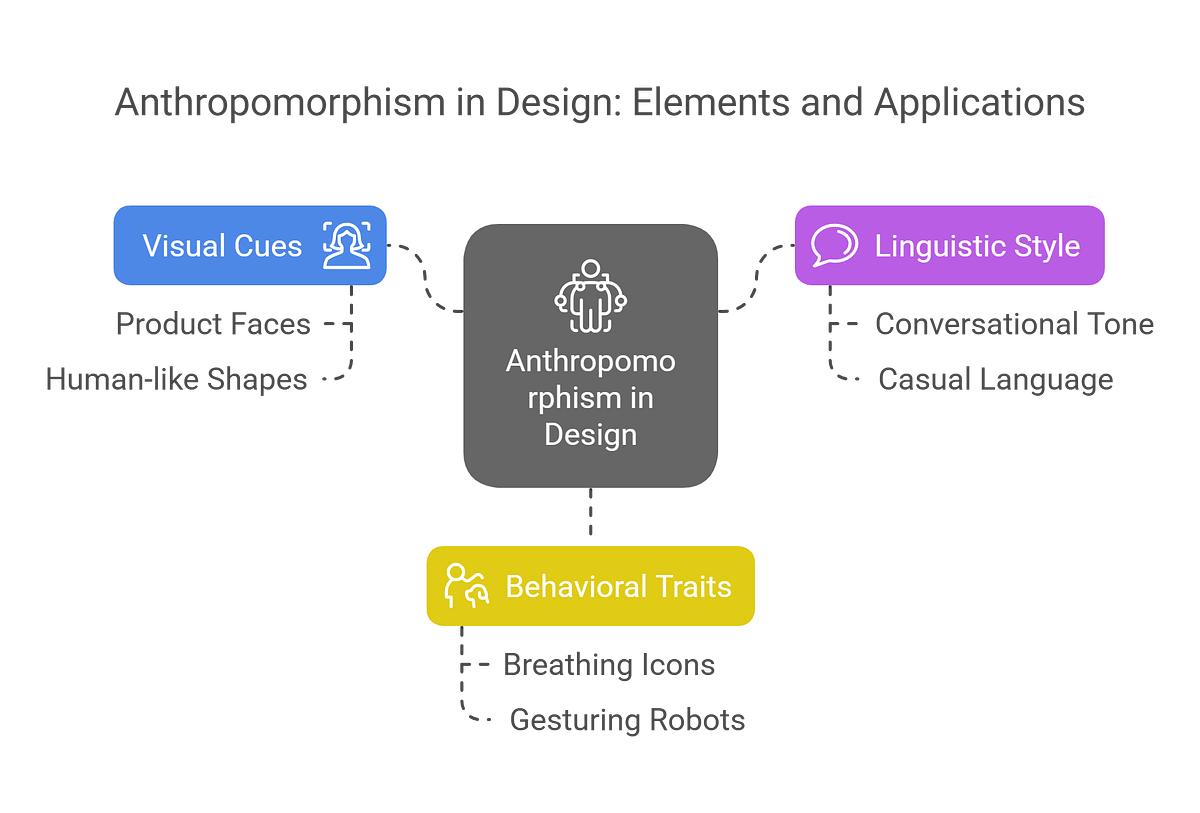
Sports manufacturers intuitively harness this human tendency in product design and marketing. Equipment is crafted not only for utility but with aesthetic and tactile features that invite personalization and emotional embedding. Textures, colors, and ergonomic shapes are designed to speak to athletes on a subliminal level, triggering feelings of familiarity and attachment.
Marketing campaigns often portray equipment with almost human characteristics, highlighting their “aggressiveness,” “elegance,” or “intelligence.” Such narratives amplify the equipment’s perceived persona, creating consumer loyalty anchored in emotional bonds rather than mere functionality. This symbiosis between psychological appeal and design nurtures deeper consumer engagement, fostering lifelong relationships with brands and their products.
Implications for Sports Psychology and Athlete Development
Understanding the psychological dynamics of anthropomorphic equipment invites new frontiers in athlete development and coaching. Recognizing how these mental constructs influence confidence, focus, and even risk-taking behavior can help trainers cultivate healthier, more productive athlete-equipment relationships.
Interventions might aim to channel anthropomorphic tendencies constructively, encouraging athletes to develop rituals or narratives around their gear that reinforce positive self-talk and resilience. Conversely, awareness of the potential for dependence or superstition allows coaches to guide athletes toward balanced mental frameworks, preventing maladaptive attachments that could hinder adaptability.
This psychological insight dovetails with emerging research emphasizing the holistic integration of mind, body, and environment in athletic performance. Anthropomorphizing equipment becomes more than a curiosity; it is a vital cog in how athletes internalize and control their competitive world.
The Broader Cultural Context and Symbolism of Anthropomorphized Sports Gear
Beyond the individual athlete, anthropomorphic sports equipment takes on cultural symbolism reflective of larger narratives about human struggle, mastery, and identity. Equipment personification channels ancient archetypes—the warrior’s sword, the athlete’s shield—morphing modern sports gear into vessels of myth and heroism.
In artistic depictions and popular media, sports equipment animated with human traits evokes themes of psychological resilience and emotional depth, inviting spectators to connect more intimately with the drama of competition. These objects serve as metaphors for the inner life of sport—the interplay of determination, vulnerability, and transformation.
Thus, anthropomorphic sports equipment emerges as a cultural touchstone, embodying not only physical functionality but the intangible spirit transcending the arena, reminding us that even inanimate things can carry the echoes of human endeavor.
In sum, the psychology underpinning anthropomorphic sports equipment enriches our appreciation of sport as a deeply human endeavor. It highlights how athletes transform mere tools into companions, extensions, and symbols, weaving cognitive and emotional tapestry that enhances both performance and meaning. This subtle dance between object and subject reveals the extraordinary power of imagination in athletic success.