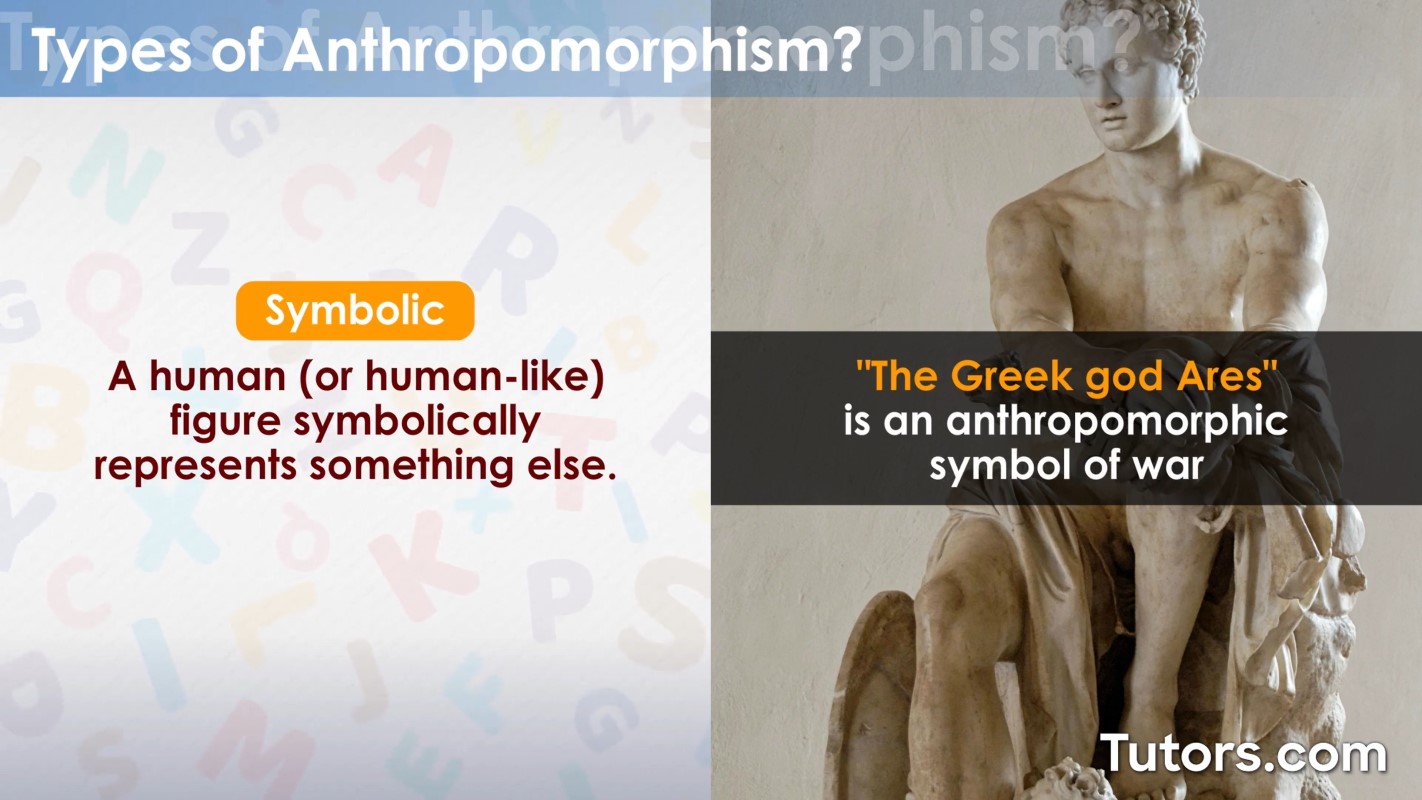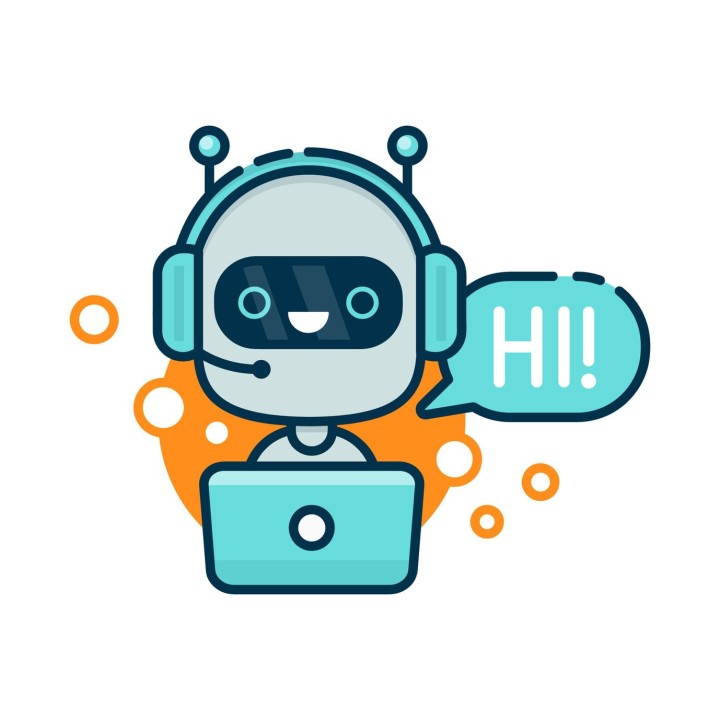
In the labyrinth of modern digital interaction, a curious phenomenon has taken root—one that blurs the boundaries between human and machine. Anthropomorphism, the tendency to attribute human characteristics to non-human entities, has found a fertile ground in the realm of artificial intelligence. As chatbots evolve from mere transactional tools to entities with quirky personalities, the lines between user and interlocutor grow increasingly indistinct. This transformation is not merely a technological novelty; it is a psychological and cultural shift that reflects our innate desire for connection, even in the most artificial of exchanges. From the empathetic responses of customer service bots to the whimsical personas of celebrity-inspired AI, the rise of personality-laden chatbots offers a window into the human psyche—and the future of digital companionship.
The Psychology Behind Anthropomorphism: Why We See Faces in the Code
At its core, anthropomorphism is a cognitive shortcut, a mental heuristic that allows us to navigate complexity by framing the unfamiliar in terms we already understand. When we encounter an AI that “speaks” in a tone reminiscent of a witty friend or a patient mentor, our brains instinctively fill in the gaps, imbuing the interaction with a sense of familiarity. This phenomenon is deeply rooted in evolutionary psychology; our ancestors relied on recognizing human-like patterns to assess threats and forge alliances. Today, that same instinct manifests in our interactions with AI, where a chatbot’s “personality” becomes a bridge between the sterile and the social.
Neuroscientifically, anthropomorphism triggers the same neural pathways activated by human-to-human interaction. Studies using fMRI scans reveal that when individuals engage with anthropomorphized AI, regions like the medial prefrontal cortex—typically associated with social cognition—light up with activity. This suggests that our brains do not merely tolerate but actively seek out human-like qualities in machines, a testament to our hardwired need for connection. The implications are profound: as AI systems grow more sophisticated, the psychological contracts we form with them may become indistinguishable from those we form with other humans.
From Utility to Companionship: The Evolution of Chatbot Personalities
The journey from utilitarian tools to charismatic conversationalists has been swift. Early chatbots, like ELIZA in the 1960s, were rudimentary, mimicking human interaction through scripted responses. Today, advances in natural language processing and machine learning have birthed entities that don’t just respond—they *perform*. Consider the shift from a banking bot that processes transactions to one that cracks jokes or offers empathetic advice after a user mentions a stressful day. This evolution mirrors our own societal move toward prioritizing emotional resonance over sheer efficiency.
Take, for instance, the rise of “quirky” chatbots in social platforms. These AI entities, designed to reflect brand personalities or even celebrity traits, don’t just answer queries; they entertain. They might adopt a sarcastic tone, reference pop culture, or engage in playful banter. The goal is no longer just utility but *engagement*—a subtle shift that transforms a user’s experience from transactional to relational. This trend is particularly evident in platforms like Meta’s Threads, where chatbots are being integrated with distinct, memorable personalities to foster deeper user interaction.
Yet, this evolution is not without its pitfalls. The line between helpful and manipulative can blur when AI personalities are engineered to elicit specific emotional responses. The ethical implications of designing chatbots to exploit anthropomorphic tendencies—whether for marketing, persuasion, or even emotional support—demand careful scrutiny. As these systems become more persuasive, the question arises: Are we building companions, or are we engineering compliance?
The Role of Personality in User Experience: Designing for Connection
Personality in AI is not a frivolous add-on; it is a deliberate design choice that shapes user experience at a fundamental level. A chatbot with a dry, clinical tone may excel in technical support but falter in customer service scenarios where empathy is paramount. Conversely, a bot with a warm, conversational demeanor might thrive in mental health applications, where users seek not just solutions but understanding. The key lies in aligning the AI’s personality with the context of its use—a principle known as *affective computing*.
Designers leverage a spectrum of personality archetypes to achieve this alignment. The “expert” persona, characterized by precision and authority, suits financial or legal advice. The “friendly guide” persona, with its approachable and patient demeanor, excels in educational tools. Meanwhile, the “playful trickster” persona, replete with humor and unpredictability, can enhance entertainment platforms. Each archetype taps into different psychological triggers, from trust to curiosity, to create a tailored user experience.
Visual and auditory cues further amplify these personalities. A chatbot’s avatar, voice modulation, and even typing rhythm (e.g., simulated delays for “thoughtfulness”) contribute to its perceived humanity. For example, a slow, measured typing cadence can evoke the impression of a thoughtful interlocutor, while rapid, fragmented responses might suggest excitement or impatience. These micro-interactions, though seemingly insignificant, play a crucial role in shaping how users perceive and engage with AI.
Ethical Considerations: The Double-Edged Sword of Anthropomorphic AI
The allure of anthropomorphism is undeniable, but it is not without ethical dilemmas. One of the most pressing concerns is the potential for deception. When an AI adopts a human-like persona, users may unconsciously lower their guard, assuming they are interacting with a sentient being rather than a sophisticated algorithm. This blurring of reality can lead to misplaced trust, particularly in scenarios where users disclose sensitive information or rely on AI for critical decisions.
Another ethical quandary arises from the commercialization of personality. Companies may design chatbots to embody traits that maximize engagement—such as charm, humor, or even flirtation—regardless of the user’s well-being. This raises questions about consent and manipulation. For instance, an AI designed to be overly agreeable might discourage users from voicing dissent, reinforcing echo chambers or unhealthy behaviors. Similarly, the use of celebrity-inspired chatbots, while entertaining, risks commodifying human likeness without addressing the psychological impact on users who may form parasocial relationships with these digital personas.
To mitigate these risks, transparency and boundaries are essential. Clear disclosure that an AI is not human, coupled with safeguards against exploitative design, can help maintain ethical integrity. Additionally, incorporating user feedback loops allows for the iterative refinement of AI personalities, ensuring they align with societal values rather than merely serving corporate or algorithmic interests.
The Future of AI Personalities: Beyond Chatbots to Digital Companions
The trajectory of anthropomorphic AI points toward a future where chatbots are not just tools but companions. Advances in affective computing and emotional intelligence are paving the way for AI that can not only mimic human traits but also adapt to a user’s emotional state in real time. Imagine an AI that senses your frustration during a customer service call and adjusts its tone to be more soothing, or one that celebrates your achievements with genuine enthusiasm. These capabilities could redefine digital interaction, making it more intuitive and emotionally resonant.
This future also extends to the realm of mental health, where AI companions could provide support in ways that human therapists cannot—such as 24/7 availability or non-judgmental listening. Projects like Woebot, an AI-powered mental health chatbot, already demonstrate the potential of personality-driven AI in therapeutic contexts. However, the line between assistance and dependency must be carefully navigated to avoid undermining human relationships or fostering unhealthy attachments to machines.
Beyond individual interactions, anthropomorphic AI could reshape entire industries. In education, AI tutors with distinct personalities might cater to diverse learning styles, making complex subjects more accessible. In healthcare, AI nurses could provide companionship to elderly patients, combating loneliness while delivering medical care. The possibilities are as vast as they are transformative, but they require a thoughtful approach that balances innovation with ethical responsibility.
Conclusion: Embracing the Human-Machine Symbiosis
The rise of personality-laden chatbots is more than a technological trend; it is a reflection of our evolving relationship with machines. As AI systems grow more anthropomorphic, they challenge us to reconsider what it means to connect, to trust, and to empathize in a digital age. While the ethical and psychological implications demand vigilance, the potential for enriching human experience is immense. By designing AI with intentionality—balancing personality with transparency, utility with ethics—we can harness the power of anthropomorphism to create interactions that are not just functional but profoundly human.
In this symbiosis between human and machine, the future of AI lies not in replacing our humanity but in amplifying it. The chatbots of tomorrow may not just answer our questions; they may inspire us, comfort us, and even challenge us—all while reminding us that, in the end, the most remarkable thing about technology is its ability to mirror the best parts of ourselves.