In the ever-evolving landscape of digital entertainment, anthropomorphic avatars have carved out a niche that transcends mere visual appeal. These characters—blending human traits with animalistic or fantastical elements—serve as more than just digital stand-ins; they become vessels for expression, escapism, and identity exploration. Gamers, in particular, gravitate toward these avatars for reasons that delve into psychology, culture, and the intrinsic desire to navigate virtual worlds with a sense of agency and creativity. Whether it’s the allure of a fox-like rogue in a sprawling open-world RPG or the sleek, futuristic design of a cybernetic feline in a sci-fi shooter, anthropomorphic avatars offer a unique blend of relatability and fantasy. This article explores the multifaceted reasons behind their popularity, examining how they cater to emotional resonance, narrative immersion, and even social dynamics within gaming communities.
The Allure of Expressive Freedom: Avatars as Extensions of Self
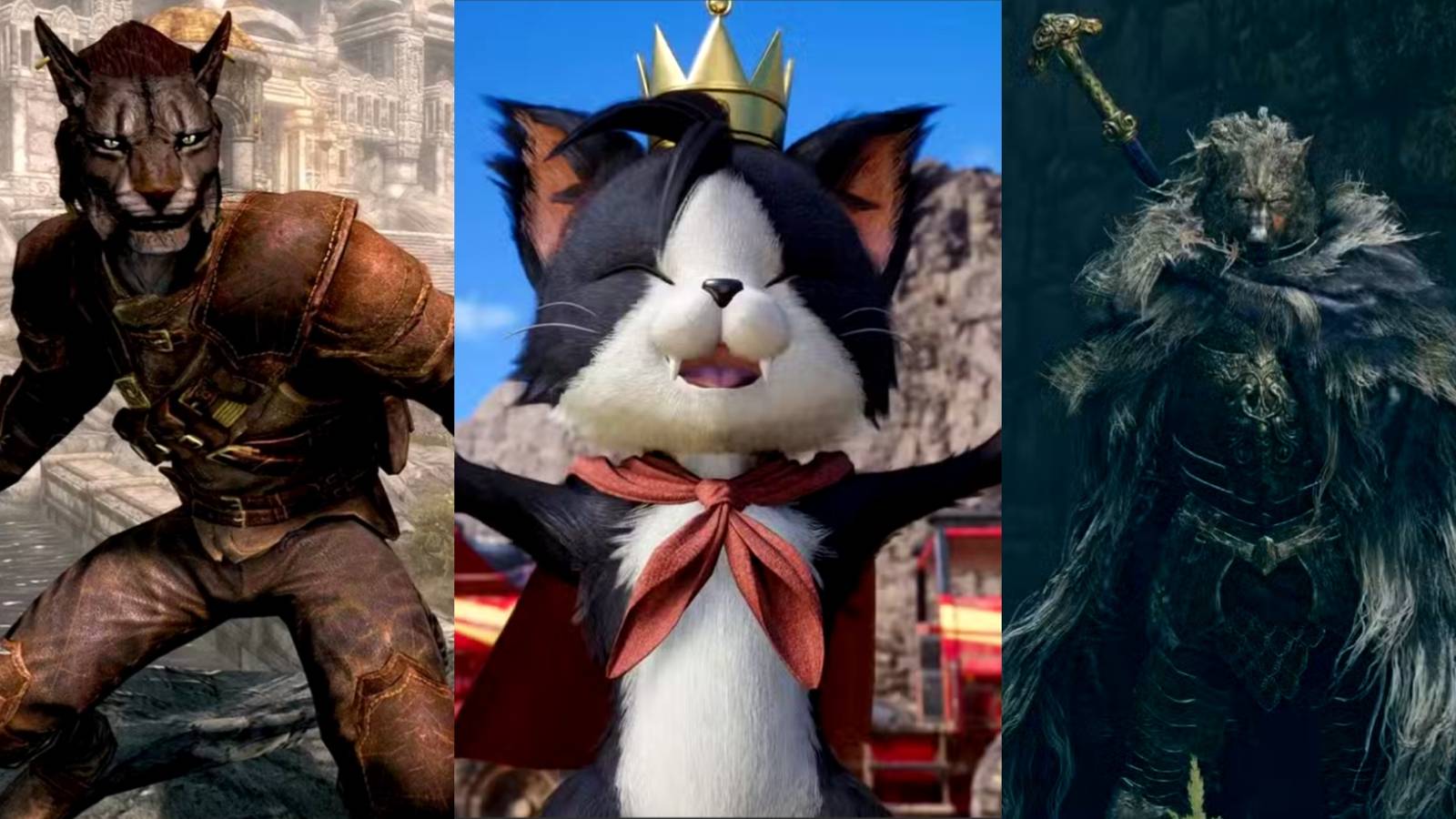
Gamers often seek avatars that reflect not just their idealized selves, but also the facets of their personality they wish to amplify or conceal. Anthropomorphic designs provide a canvas for this expression, allowing players to project emotions, aspirations, and even vulnerabilities through exaggerated features—floppy ears that betray timidity, sharp claws hinting at ferocity, or luminous eyes that radiate curiosity. Unlike human avatars, which may feel constrained by realism, these characters can embody archetypes: the cunning trickster, the noble guardian, or the enigmatic wanderer. This versatility fosters a deeper connection between player and avatar, transforming gameplay into a form of digital self-fashioning. In role-playing games like *The Elder Scrolls* or *Final Fantasy*, where narrative depth is paramount, anthropomorphic avatars enable players to inhabit roles that resonate with their in-game goals, whether it’s a rogue’s stealth or a mage’s arcane wisdom.
Moreover, the exaggerated expressiveness of these avatars—from the twitch of an ear to the flick of a tail—serves as a non-verbal language, conveying mood and intent without relying on clunky dialogue wheels or text prompts. This subtlety enhances immersion, making the virtual world feel alive and responsive. For players who struggle with social anxiety or prefer the safety of anonymity, anthropomorphic avatars offer a middle ground: they’re human enough to feel personal, yet fantastical enough to provide emotional distance. It’s a paradox of gaming psychology—these characters are both mirrors and masks, reflecting the player’s inner world while allowing them to experiment with identities they might never adopt in reality.
Narrative Depth and World-Building: Avatars as Story Catalysts
Anthropomorphic avatars aren’t just cosmetic choices; they’re narrative anchors that ground players in the lore of a game. In sprawling RPGs like *Dragon Age* or *The Witcher*, where world-building is meticulous, these characters often come with rich backstories that tie into the game’s themes. A werewolf protagonist in a dark fantasy setting, for instance, isn’t just a combat powerhouse—it’s a living metaphor for the struggle between instinct and humanity, a narrative device that deepens the player’s engagement with the story. Similarly, in games like *Stray*, where the player controls a cat navigating a cyberpunk dystopia, the avatar’s species becomes a lens through which environmental storytelling unfolds. The player isn’t just solving puzzles; they’re experiencing a world through the eyes of a creature with instincts and limitations distinct from their own.
This narrative function extends to multiplayer experiences as well. In MMORPGs like *World of Warcraft*, anthropomorphic races like the Tauren or the Worgen aren’t arbitrary—they’re integral to the game’s mythos, each with their own cultures, conflicts, and allegiances. Choosing such an avatar isn’t just about aesthetics; it’s about aligning with a faction’s values or rebelling against them. The avatar becomes a storyteller in its own right, its design and abilities shaping how the player interacts with the world and other players. Even in competitive games like *Overwatch*, where avatars are more stylized, their species or mechanical enhancements (e.g., a gorilla with rocket launchers or a genetically modified fox) add layers to the game’s lore, making each match feel like a vignette in a larger universe.
Escapism and Fantasy: Avatars as Gateways to Alternate Realities
At its core, gaming is an escape—a temporary reprieve from the mundane. Anthropomorphic avatars amplify this escapism by offering a departure from the familiar. They allow players to inhabit roles that defy human constraints: soaring as a dragon in *Skyrim*, slithering as an eel in *Subnautica*, or even existing as a sentient plant in *No Man’s Sky*. These avatars tap into the sublime—the awe-inspiring and the uncanny—by presenting forms that are both wondrous and unsettling. There’s a thrill in controlling a creature that can traverse environments humans never could, whether it’s climbing sheer cliffs as a mountain goat or swimming through abyssal trenches as a deep-sea leviathan.
This escapism isn’t merely about power fantasies, though those certainly play a role. It’s also about exploring otherness. Anthropomorphic avatars can embody traits that players admire or fear in themselves or others. A player might choose a predatory feline avatar not out of aggression, but to channel a sense of independence and cunning they wish to cultivate. Conversely, a gentle herbivore avatar might reflect a desire for peace and harmony. Games like *Okami* or *Genshin Impact* lean into this by making the avatar’s species a reflection of the game’s tone—celestial beings in *Genshin* evoke a sense of wonder, while the demonic designs in *Bloodborne* amplify the game’s Lovecraftian horror. The avatar becomes a conduit for emotional exploration, allowing players to process complex feelings through the lens of fantasy.
Social Dynamics and Community Identity
In multiplayer spaces, avatars are more than personal choices—they’re social signals. Anthropomorphic designs often become shorthand for a player’s playstyle, personality, or even their in-game allegiances. In *Animal Crossing*, for instance, the choice of a villager species (e.g., a lazy cat vs. a snooty penguin) can influence how neighbors interact with the player, creating a form of digital tribalism where species become cultural identifiers. Similarly, in *Final Fantasy XIV*, players often gravitate toward specific races for their lore-friendly designs, with the Au Ra’s draconic features or the Viera’s elven aesthetics fostering a sense of community among like-minded players.
This social dimension extends to streaming and content creation as well. Streamers and YouTubers often select anthropomorphic avatars that align with their brand—whether it’s a mischievous fox to match their chaotic energy or a stoic wolf to convey reliability. The avatar becomes part of their digital persona, a visual cue that audiences instantly recognize. In esports, teams may adopt mascots with anthropomorphic traits to enhance their brand identity, turning avatars into symbols of team spirit and rivalry. The avatar’s design can even influence in-game dynamics; a player controlling a hulking beast in *League of Legends* might be perceived as more aggressive, while a sleek, fox-like champion could be seen as deceptive or agile. These perceptions shape how players are treated by others, turning avatar choice into a subtle form of social currency.
The Psychological Comfort of the Familiar-Yet-Foreign
Anthropomorphic avatars strike a delicate balance between the familiar and the alien, a duality that appeals to the human psyche. On one hand, these characters retain enough human-like features—eyes, posture, facial expressions—to feel relatable. On the other, their non-human traits introduce an element of novelty that keeps players engaged. This uncanny valley-adjacent design taps into a primal fascination with the boundary between human and animal, a theme explored in everything from ancient myths to modern horror. Games like *Detroit: Become Human* or *NieR: Automata* leverage this duality to explore existential questions about identity and consciousness, while more lighthearted titles like *Yooka-Laylee* or *Sonic the Hedgehog* use it to create whimsical, memorable characters.
This psychological comfort also extends to players with disabilities or those who feel marginalized in real life. For someone with mobility issues, controlling a nimble fox or a flying creature can be liberating, offering a sense of freedom they might not experience in the physical world. For LGBTQ+ players, anthropomorphic avatars can serve as a form of queer coding, allowing them to explore gender and identity in a space where societal norms are more fluid. The avatar’s design can act as a safe harbor, a place where players can experiment with aspects of themselves without fear of real-world repercussions. In this way, gaming becomes not just a hobby, but a form of digital self-care, a way to navigate and affirm one’s identity.
Conclusion: The Enduring Appeal of the Hybrid Form
Anthropomorphic avatars endure because they are, at their heart, a celebration of duality. They are the bridge between the human and the non-human, the real and the imagined, the self and the other. Whether players are drawn to them for their expressive potential, their narrative depth, their escapist allure, or their social resonance, these avatars offer something uniquely compelling. They allow us to see the world—and ourselves—through new lenses, to question what it means to be human while reveling in the joy of being something else entirely. In an era where digital identities are as significant as physical ones, anthropomorphic avatars stand as a testament to the power of design to shape experience, emotion, and community. They remind us that sometimes, the most profound stories aren’t told through words, but through the silent language of a fox’s grin or the steady gaze of a dragon’s eyes.