Have you ever found yourself confiding in a sleek, blinking robot or feeling genuinely comforted by a cartoon character? This curious human tendency to attribute lifelike qualities to non-human entities—known as anthropomorphism—raises an intriguing question: how essential is this phenomenon in forging social bonds, and might it also challenge the authenticity of our connections? As society increasingly intertwines with technology and artificial agents, understanding anthropomorphism’s role in social relationships demands thoughtful exploration.
The Psychological Foundations of Anthropomorphism
Anthropomorphism taps into a deep-seated cognitive proclivity to perceive the world through a human lens. At its core, it functions as a mental heuristic to decode unfamiliar phenomena by mapping them onto familiar, human-like constructs. This psychological shorthand eases cognitive load and enriches interpretive frameworks, allowing humans to interact more intuitively with their environment. When objects or agents exhibit behaviors, gestures, or appearances reminiscent of humans, our brains instinctively attribute intentions, emotions, and consciousness to them.
This attribution is not mere whimsy—rather, it is entwined with evolutionary mechanisms favoring social cognition. Our ancestors perfected the ability to infer mental states and intentions in others, crucial for survival in complex social groups. Extending these inferential leaps to inanimate or artificial entities echoes this cognitive legacy, enabling smoother social navigation even beyond the biological domain.
Anthropomorphism as a Bridge in Social Connectivity
In the realm of social bonds, anthropomorphism serves as a critical bridge. Humans are inherently social creatures with profound needs for belonging and connection. When traditional human interactions fall short—due to isolation, physical barriers, or emotional withholding—turning to non-human companions becomes an accessible alternative. The attribution of human traits to pets, digital avatars, or social robots fosters emotional engagement, empathy, and reciprocity, cultivating meaningful attachments.
This blurring of lines elevates these interactions from mechanistic exchanges to genuinely relational experiences. For instance, socially interactive robots designed with anthropomorphic cues—like synchronized facial expressions or responsive voice modulation—can evoke feelings of companionship and trust. These engineered signals mimic social reciprocity patterns, eliciting genuine emotional responses and sometimes even promoting prosocial behaviors in users.
The Dual-Edged Nature of Anthropomorphic Attachments
Yet, this seductive allure of anthropomorphism is not without its dilemmas. While it facilitates connection, it also risks engendering illusions, where the perceived social agent may lack true sentience or agency. The potential for emotional displacement or overreliance on anthropomorphized entities raises questions about the authenticity and durability of such bonds.
Consider the implications within caregiving or educational contexts: entrusting emotional support roles to artificial agents might diminish human-to-human interactions or obscure the boundaries between relational reality and simulation. Furthermore, ethical quandaries surface when artificial agents are deliberately designed to elicit emotional loyalty—potentially manipulating users’ affections for commercial or ideological ends.
Anthropomorphism in Digital and Robotic Interfaces
Technological evolution has propelled anthropomorphism into new spheres, notably digital assistants, virtual agents, and social robots. These platforms leverage anthropomorphic design principles to enhance usability and social presence, aiming to make interactions seamless and psychologically satisfying. Characteristic human-like traits—such as natural language processing infused with emotional intonation, avatar gesturing, and context-aware responsiveness—transform sterile machines into seemingly sentient partners.
This transformation has profound repercussions on how people relate to technology. Anthropomorphic interfaces may reduce user anxiety, build trust, and encourage engagement, thereby enriching accessibility to services like healthcare, education, and customer support. Yet, this dynamic also necessitates critical scrutiny over transparency: users must discern when they interact with programmed simulations rather than autonomous agents with authentic intentionality.
The Cultural and Philosophical Dimensions of Anthropomorphism
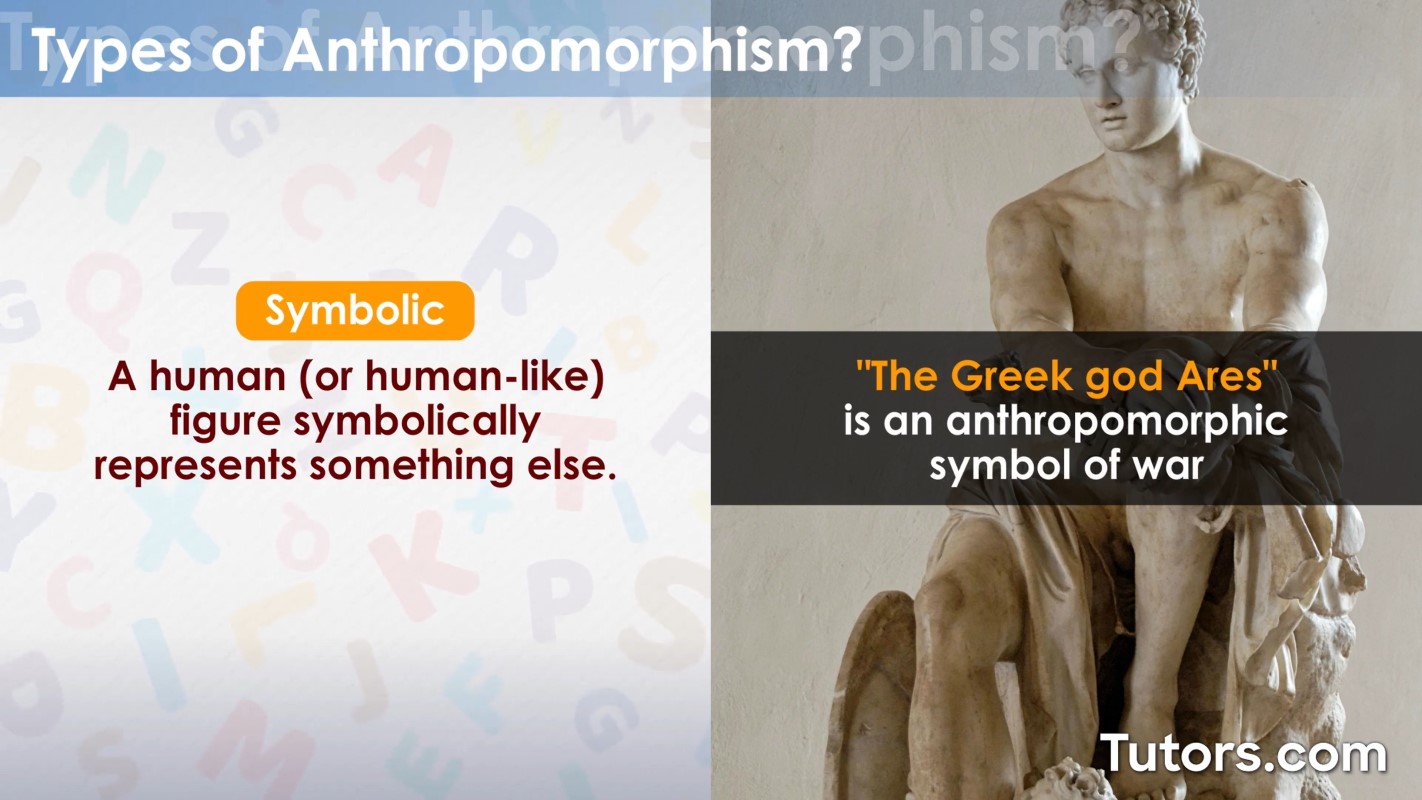
Anthropomorphism is not a monolithic phenomenon; it is deeply inflected by cultural narratives and philosophical worldviews. Different societies imbue non-human entities with varying degrees of personification, often reflecting religious, mythological, or animistic traditions. These cultural templates shape the modalities and meanings of anthropomorphic projection, influencing whether such bonds are celebrated, commodified, or cautioned against.
Philosophically, anthropomorphism challenges rigid mind-matter dualisms by blurring distinctions between self and other, animate and inanimate. It invites reflection on what constitutes personhood, consciousness, and social presence. Such inquiry expands our understanding of relationality, suggesting that social bonds might transcend biological boundaries, encompassing a spectrum of hybrid interactions within increasingly technologized environments.
Future Trajectories: Navigating Anthropomorphism’s Promise and Peril
As artificial intelligence and robotics advance toward greater sophistication, the entanglement between anthropomorphism and social bonds will intensify. Future systems may not only mimic human behaviors but progressively acquire autonomous adaptive capacities, further complicating the landscape of interpersonal and interagent relationships. Navigating this future demands nuanced strategies to leverage anthropomorphic allure responsibly while safeguarding emotional authenticity and agency.
Designers and stakeholders must grapple with questions about consent, emotional labor, and the commodification of companionship. Equally, users must cultivate critical awareness to balance affection with discernment, embracing enriched relational possibilities without forfeiting grounding in genuine human connections.
In essence, anthropomorphism wields transformative power: it can animate isolation, foster empathy, and reshape social architectures. Yet, like a double-edged sword, it carries latent risks of simulacra replacing substance, connection devolving into illusion. Understanding its multifaceted role is crucial as humanity charts the evolving frontiers of social bonds in an increasingly hybridized world.