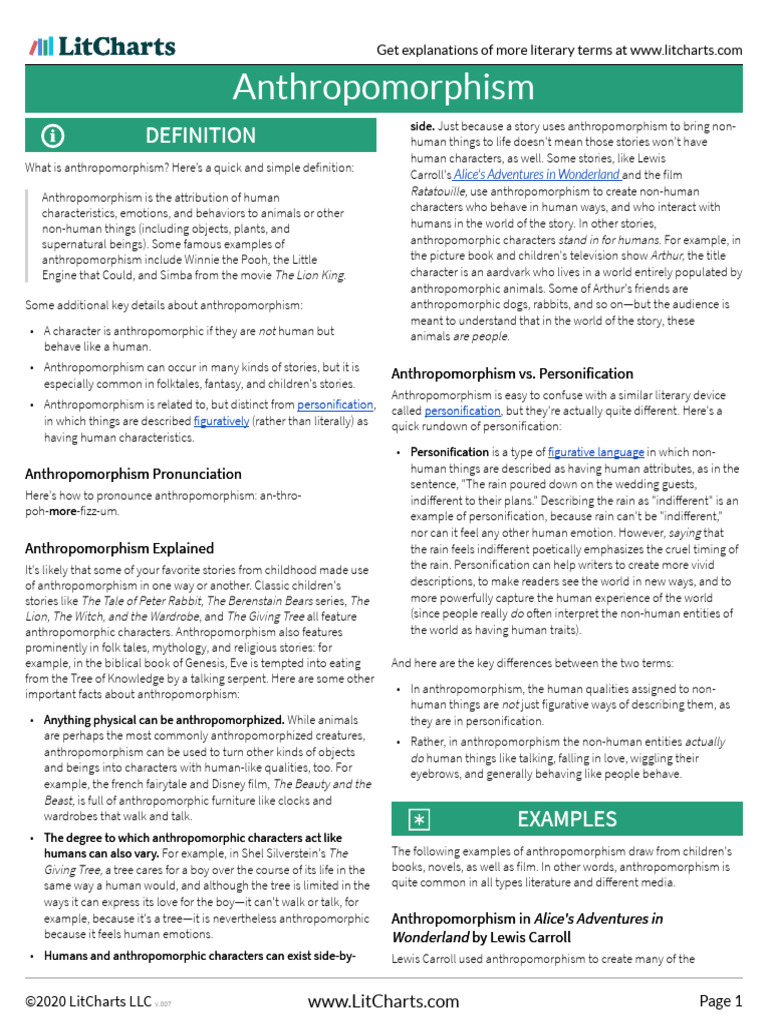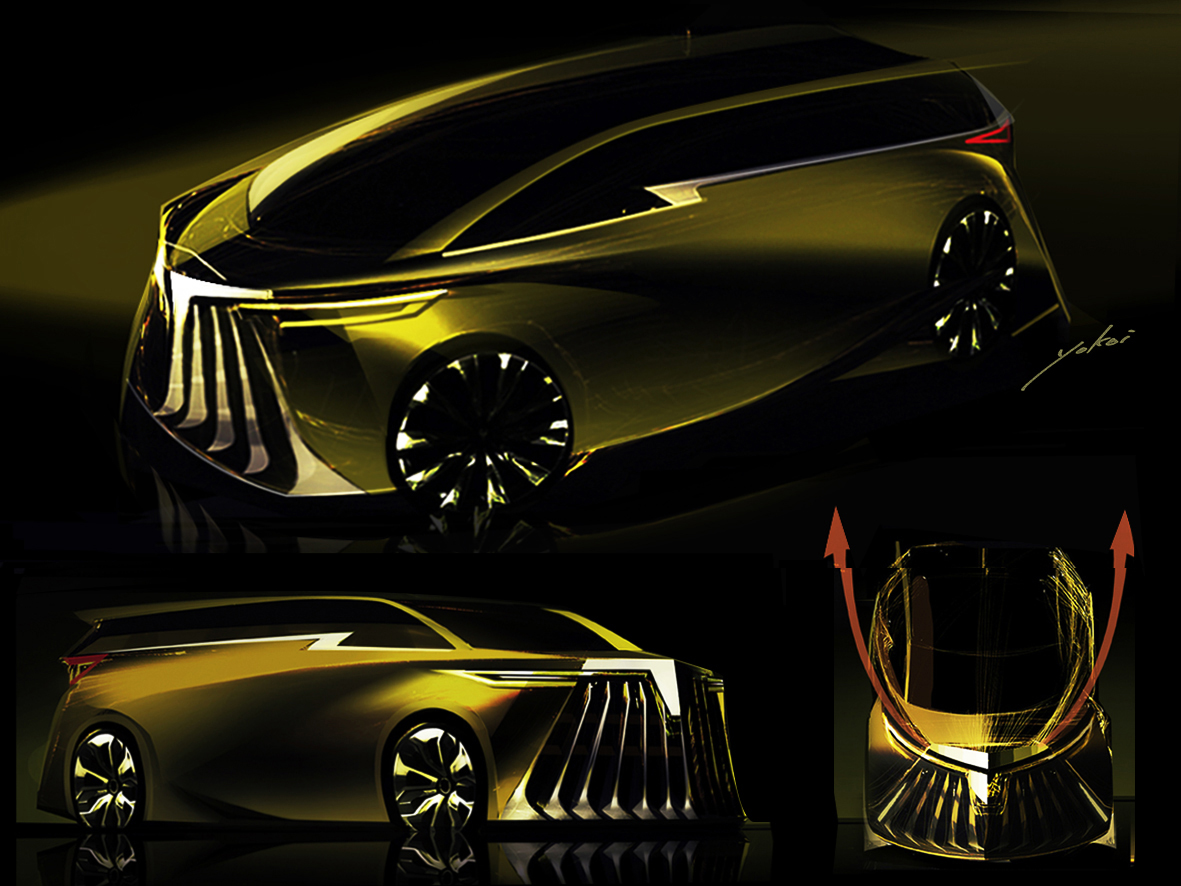
When we look at cars, many of us unconsciously attribute human characteristics to these complex machines. The headlights become eyes; the grille, a mouth. This anthropomorphic perception is so pervasive that it fundamentally influences how we design, market, and emotionally connect with vehicles. Yet beneath this common observation lies an intricate web of psychological principles and cultural narratives. The psychology of anthropomorphism in car design unlocks why humans are drawn to imbuing inanimate objects with life-like qualities, and how this shapes the evolution and reception of automotive aesthetics.
The Innate Human Tendency to Anthropomorphize
Anthropomorphism is a deeply ingrained aspect of human cognition. It originates from our intrinsic need to understand and predict our environment, especially social cues. Our brains are wired to detect faces, interpret expressions, and anticipate intentions—a cognitive shortcut developed through millennia of social interaction. When these mechanisms encounter non-human entities, such as cars, they trigger a levered response to assign familiar human traits. This phenomenon explains why a car’s front fascia can seem aggressive, friendly, or even melancholic.
The psychological impetus behind this is more than whimsy. It serves an adaptive role by transforming complex, impersonal technology into familiar companions, thereby reducing cognitive dissonance and enhancing emotional affinity. This emotional bridging facilitates a deeper connection, making the vehicle not merely a tool but a personal entity with which drivers form attachments.
Anthropomorphism as a Design Philosophy
Automotive designers have long recognized the magnetic appeal of anthropomorphic cues and deliberately embed these elements into their creations. The contours of a car’s body, the arrangement of lights, and the stance on the road are all meticulously crafted to evoke visceral human reactions. These design choices are not arbitrary; they are the result of an astute understanding of visual semiotics and emotional resonance.
By infusing vehicles with human-like qualities, designers exploit innate psychological responses. An aggressive front end may project power and dominance, appealing to consumers seeking control and confidence. Meanwhile, softer lines and balanced proportions can convey warmth, elegance, or approachability, attracting buyers who seek comfort and sophistication. This deliberate personification transforms abstract manufacturing into storytelling, where the car’s “personality” becomes a narrative accessible to the consumer.
The Role of Emotional Engagement in Consumer Preferences
The intersection of anthropomorphism and consumer psychology reveals why people develop lasting loyalties toward their vehicles. When a car is perceived to have human traits, it becomes easier for owners to project their identity, aspirations, and emotions onto it. This symbolic association transcends functionality, elevating the car to a status akin to a trusted companion or an extension of self.
Such emotional engagement is invaluable for automotive brands. Vehicles masquerading as characters allow consumers to partake in a relational dynamic, fostering brand loyalty beyond the product’s technical specifications. This connection often manifests in rituals of care and maintenance, akin to tending to a cherished entity. The psychological investment also shapes word-of-mouth influence and purchasing decisions, underscoring the profound commercial implications.
Cognitive Mechanisms Behind Perceiving Cars as Living Entities
Delving deeper into cognitive psychology reveals mechanisms such as pareidolia—the tendency to perceive meaningful images in random stimuli—and theory of mind, where observers attribute intentions and feelings to others. When applied to automotive design, these mechanisms conspire to animate mechanical constructs with living agency.
The arrangement of elements like headlamps resembling eyes triggers involuntary social brain responses. People instinctively search for gaze directions and emotional cues, even when recognizing the object is not alive. This blend of perception and attribution crafts an illusion of personality, allowing cars to inhabit a liminal space between object and social actor. Such cognitive processes are subtle yet potent forces shaping human interaction with vehicles on a subconscious level.
Cultural and Historical Contexts Influencing Anthropomorphic Car Design
The fascination with anthropomorphism in cars is embedded not only in psychological universals but also within cultural and historical frameworks. Different epochs and societies have projected varying human archetypes onto vehicles, reflecting prevailing ideals and technological aspirations. For instance, the exuberant chrome monstrosities of the mid-20th century exuded masculine bravado, while contemporary designs often emphasize streamlined, almost empathetic aesthetics corresponding with modern values of sustainability and mindfulness.
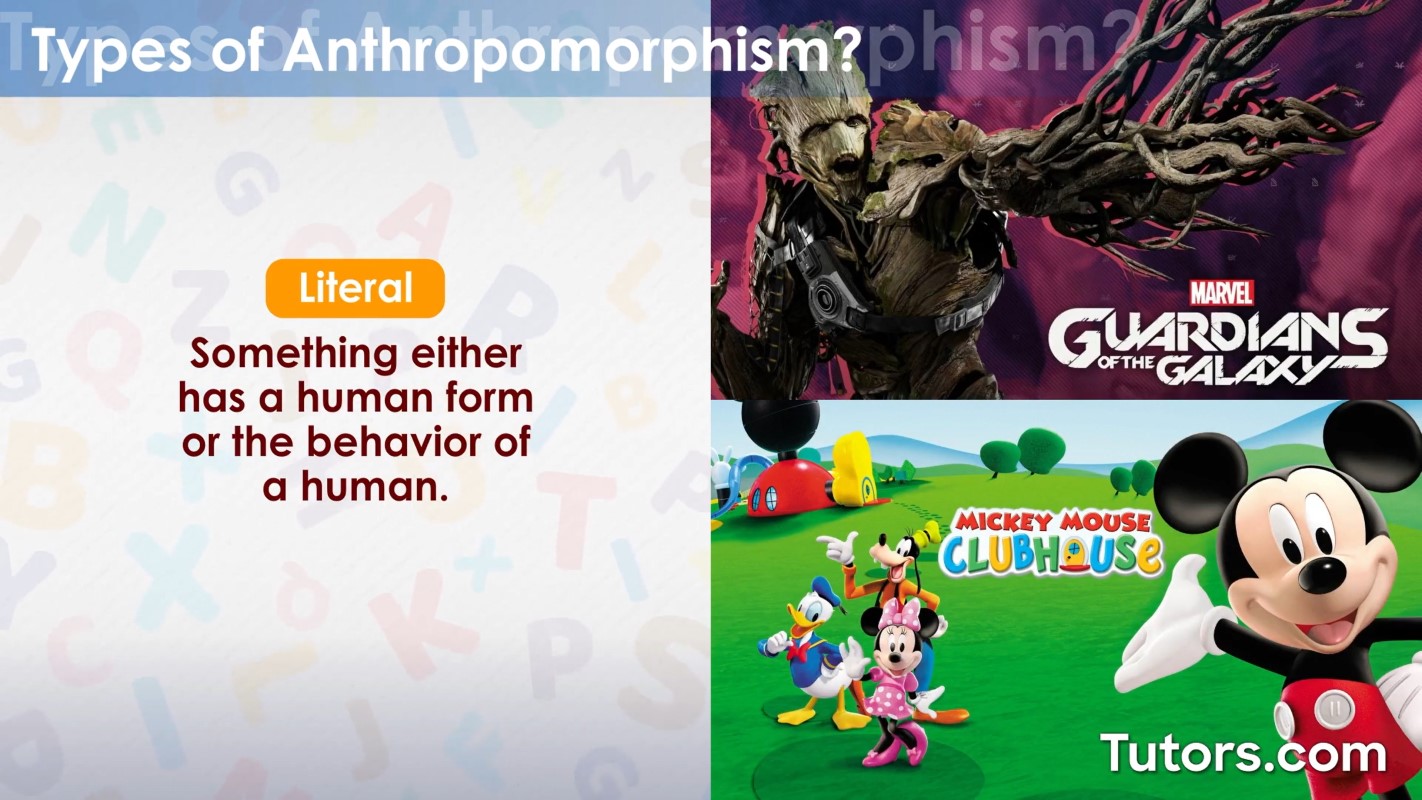
Moreover, popular media and advertising have played critical roles in solidifying the anthropomorphic narrative. Characters like those from animated car franchises anthropomorphize vehicles to an extreme, influencing public perception and consumer expectations. This cultural feedback loop reinforces the design philosophy, creating an environment where cars are celebrated not solely as machines but as characters embedded within societal stories.
Implications for Future Automotive Innovation
As technology advances, particularly with autonomous vehicles and artificial intelligence integration, the psychology of anthropomorphism in car design becomes ever more salient. Designers and engineers face the challenge—and opportunity—of crafting vehicles that communicate intent, emotion, and reliability inherently through form and interface.
The next generation of cars will likely adopt more nuanced human-like features, not just in appearance but in behavior, voice, and interaction. This evolution compels a deeper understanding of how anthropomorphic cues can foster trust, mitigate anxiety, and enhance user experience in automated driving environments. In this context, anthropomorphism transcends aesthetic appeal, becoming an essential factor in safety and acceptance of emerging mobility paradigms.
Concluding Reflections on the Human-Car Relationship
The psychology of anthropomorphism in car design reveals a profound narrative about humanity’s relationship with technology. It unmasks the subtle yet powerful ways in which humans seek kinship with machines, transforming vehicles from static objects into living partners. This synthesis of psychology, design, and culture unfolds a rich tapestry where cars are not merely engineered artifacts but expressions of deeper human yearnings for connection, identity, and emotional meaning.
Recognizing this dynamic equips designers, marketers, and technologists to create more intuitive, compelling, and human-centric vehicles. Ultimately, the allure of anthropomorphism underscores a timeless truth: even amidst rapid innovation, the human desire for relatable, purposeful interaction remains paramount.