Anthropomorphism, the attribution of human traits, emotions, or intentions to non-human entities, has captivated human imagination for centuries. This remarkable cognitive phenomenon transcends folklore and daily interactions, embedding itself deeply within the architecture of the human brain. Neuroscience has progressively unraveled the cerebral underpinnings that facilitate this tendency, revealing complex networks that enable humans to imbue the inanimate or animalistic with rich layers of human-like qualities. Exploring these neural substrates not only illuminates why anthropomorphism is so pervasive but also paves the way for understanding its implications across psychology, social cognition, and even artificial intelligence.
Neurobiological Foundations of Anthropomorphic Perception
The brain mechanisms that enable anthropomorphism hinge largely on the integration of multiple cortical and subcortical regions. The medial prefrontal cortex (mPFC), a critical hub in the default mode network, plays a pivotal role in mentalizing—the ability to infer others’ mental states. This region becomes highly active when humans interpret ambiguous stimuli, such as animated shapes or mechanical objects, as intentional agents exhibiting emotions or desires.
Adjacent to the mPFC, the temporoparietal junction (TPJ) further supports perspective-taking and agency attribution, allowing differentiation between self and other. When individuals anthropomorphize, the TPJ orchestrates the delicate balance between recognizing an entity’s non-human nature and projecting a human-like agency onto it. Together, these areas facilitate the construction of richly textured narratives about the “inner lives” of non-human actors.
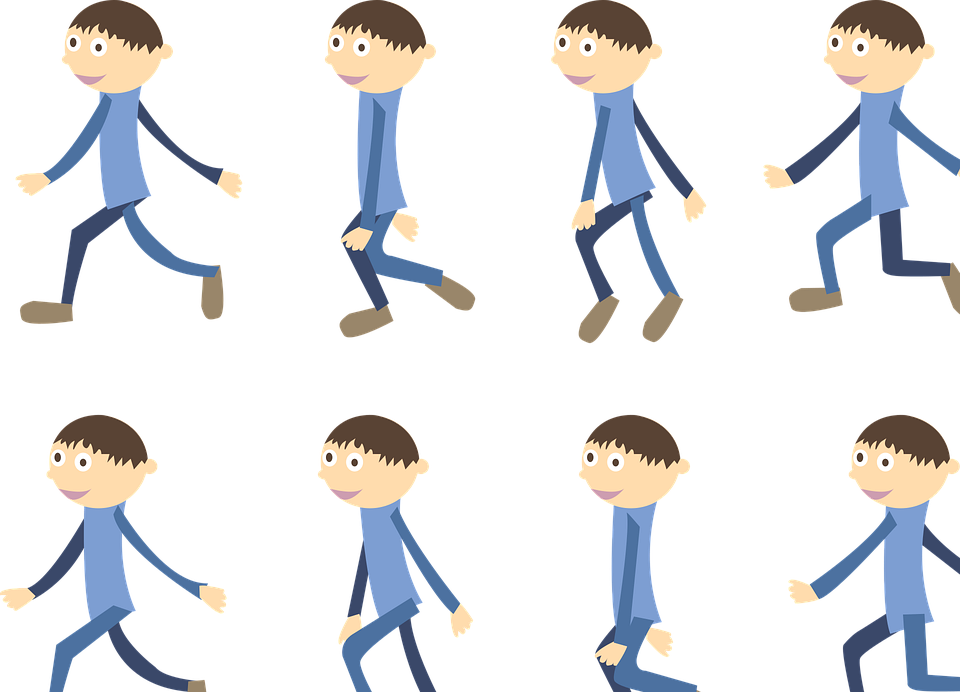
Additionally, the superior temporal sulcus (STS) processes dynamic social cues such as biological motion. Its activation when observing animate actions suggests that even minimal motion patterns can trigger anthropomorphic interpretations. This sensitivity presumably evolved to enhance social cohesion and threat detection, but it also imbues mundane objects or animals with human-like intent.
The Role of Mirror Neuron Systems in Empathy and Anthropomorphism
Embedded within the premotor cortex and inferior parietal lobule lies the mirror neuron system (MNS), a neural circuit that activates both when performing an action and when observing another performing the same action. This system serves as a critical mechanism for embodied simulation, allowing individuals to “feel” the experiences of others vicariously.
In the context of anthropomorphism, the MNS may facilitate the resonance between human observers and non-human entities. Observing a robot’s gesture or an animal’s expression, the mirror neuron system “mirrors” these motions within the observer’s motor framework, fostering a sense of connection and intentionality. This resonance explains, in part, why humans often empathize with animated characters or even machines, projecting onto them feelings and motivations ostensibly reserved for human interactions.
Cognitive Biases and the Propensity for Anthropomorphism
Anthropomorphism is not merely a passive neural response; it is heavily influenced by cognitive biases that shape human perception and interpretation. One such bias is agency detection—an evolutionary adaptation that predisposes humans to err on the side of attributing agency to ambiguous stimuli, favoring false positives to avoid potential dangers.
This hyperactive agency detection device (HADD) primes the brain to assign human-like intentions to animals, objects, and abstract phenomena. It manifests in everyday behaviors such as naming cars, talking to household appliances, or interpreting weather events as having moods. Neuroscientific research indicates that this bias interacts with the theory of mind network, increasing activity in mentalizing regions when ambiguous external stimuli are perceived as socially relevant.
Furthermore, cognitive schemas built from cultural narratives and personal experience modulate the extent and nature of anthropomorphism. Individuals immersed in animistic worldviews or immersed in certain media genres often exhibit heightened neural responses in social cognition areas when engaging with anthropomorphized entities.
Emotional and Social Implications of Anthropomorphism in the Brain
Beyond cognitive processing, anthropomorphism profoundly influences emotional and social domains mediated by the limbic system. Interaction with anthropomorphized objects or beings activates the amygdala, implicated in emotional salience, and the ventral striatum, associated with reward processing.
These activations underline why anthropomorphic characters elicit genuine feelings of attachment, comfort, or fear. For example, people often form emotional bonds with virtual pets or autonomous robots, leveraging brain circuits traditionally reserved for interpersonal relationships. This capacity for emotional generalization underscores the brain’s flexibility in extending social cognition beyond conspecifics.
Moreover, anthropomorphism can enhance social connectedness and reduce feelings of loneliness by simulating reciprocal social interactions. The neural substrates involved mimic those activated in real social exchanges, offering psychological benefits and sometimes therapeutic applications in mental health contexts.
Neural Mechanisms Underpinning Anthropomorphism in Technology and Artificial Intelligence
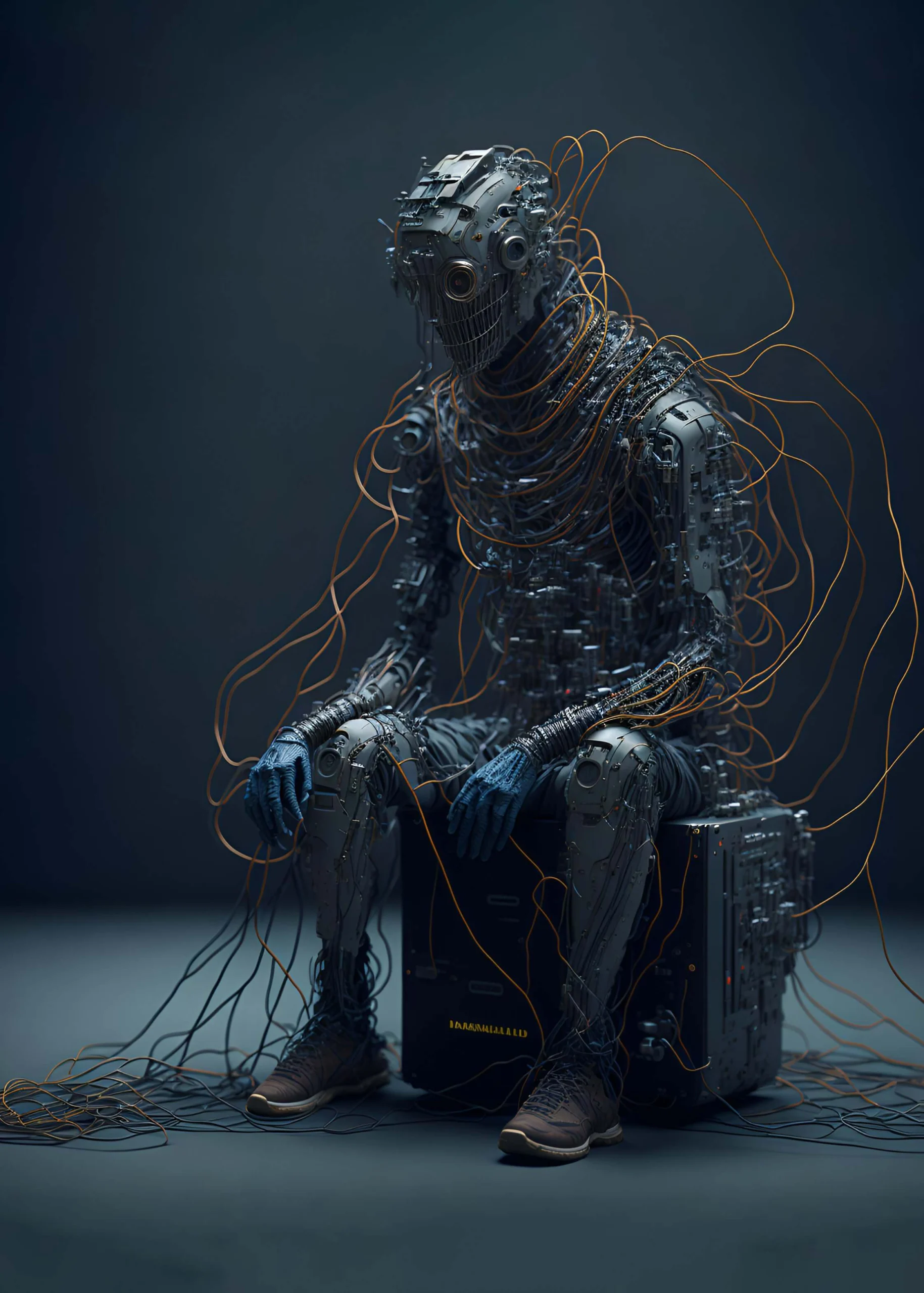
The rise of socially interactive technology has thrust anthropomorphism into the neuroscientific spotlight with unprecedented urgency. Brain imaging studies reveal that exposure to humanoid robots and virtual agents elicits robust activation in the social brain network, including the fusiform face area (FFA) responsible for processing faces, even when the faces are synthetic.
This neural engagement legitimizes the perception of these entities as social partners, enabling more naturalistic interactions. However, the degree of anthropomorphism is modulated by the uncanny valley phenomenon, wherein near-human likeness can provoke discomfort, corresponding to heightened amygdala and insula responses linked to emotional processing and disgust.
Understanding these neural mechanisms offers invaluable insights for designing artificial agents that capitalize on innate human social cognition while avoiding negative affective responses. It also raises profound questions about consciousness, agency, and the boundaries of what counts as a “social being” in the brain’s representational landscape.
Future Directions: Expanding Neuroscientific Horizons in Anthropomorphism Research
Advancements in neuroimaging modalities and computational modeling continue to refine our grasp of anthropomorphism. Emerging studies deploy multivariate pattern analysis and network connectivity approaches to dissect the dynamic interplay between regions underpinning both bottom-up sensory processing and top-down cognitive appraisal. The role of neurotransmitters like oxytocin in modulating anthropomorphic tendencies is a promising frontier, potentially linking social bonding mechanisms to the propensity for humanizing non-human agents.
Furthermore, interdisciplinary research integrating developmental neuroscience reveals how anthropomorphism evolves from early childhood, influenced by maturation of the prefrontal cortex and social experience. Such knowledge holds significant implications for educational strategies, therapeutic interventions, and enhancing human-computer interactions.
In sum, the neuroscience of anthropomorphism unveils a rich tapestry of brain mechanisms that weave together perception, cognition, emotion, and sociality. The human brain’s remarkable ability to project itself onto the world blurs the lines between human and non-human, shaping experiences that are as foundational as they are fascinating.