In the ever-evolving landscape of startups, the valuation of emerging enterprises hinges on a constellation of factors—market trends, financial forecasts, and intangible assets alike. Yet, an intriguing and often overlooked element is beginning to command attention: anthropomorphism. This concept, more commonly associated with literature and psychology, is now permeating the world of business valuation, promising a paradigm shift in how investors perceive and value new ventures. By attributing human traits to brands and startups, anthropomorphism weaves an unseen emotional tapestry, profoundly influencing stakeholder trust, engagement, and ultimately, financial worth.
Understanding Anthropomorphism in the Context of Startups
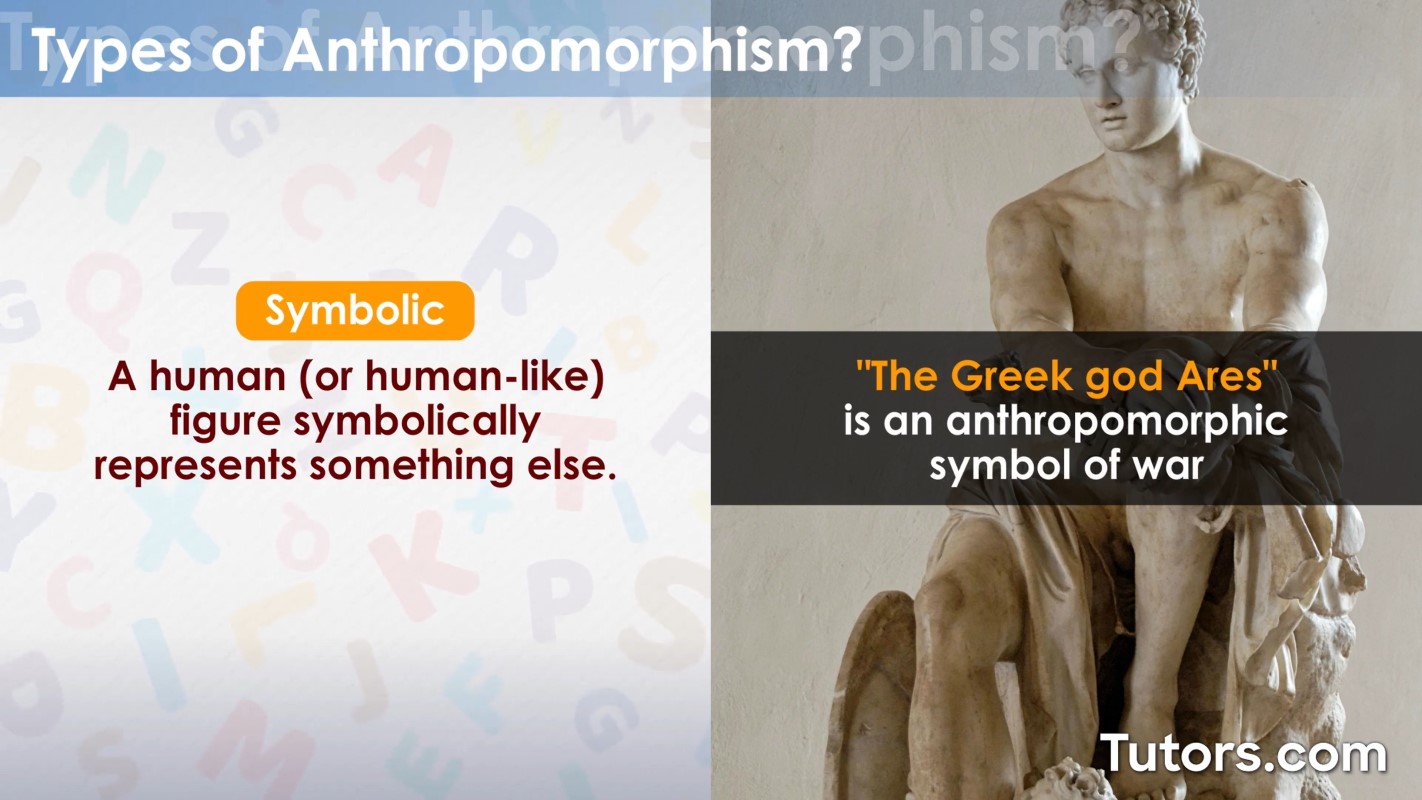
Anthropomorphism, at its essence, is the attribution of human characteristics, emotions, or intentions to non-human entities. Traditionally studied within folklore and cognitive psychology, its migration into the realm of marketing and brand strategy has been revolutionary. When applied to startups, anthropomorphism manifests as the projection of human-like qualities—such as trustworthiness, empathy, or charisma—onto a company or its product.
Startups, unlike established corporations, often grapple with the challenge of forming instant connections with consumers, partners, and investors. They lack the legacy and historical data that might ease apprehensions. Here, anthropomorphism acts as a narrative device that bridges the gap between ambiguity and familiarity. By personifying a startup through its branding, communications, or user experience, founders can elicit emotional resonance, fostering a perceived relationship akin to human interaction.
The Emotional Architecture Behind Brand Anthropomorphism
Emotions serve as the bedrock of decision-making, frequently overshadowing rational analysis. Anthropomorphism harnesses this by injecting warmth and relatability into otherwise sterile corporate facades. A startup that embodies traits such as sincerity, competence, or enthusiasm can evoke trust and affinity, crucial currencies in the fledgling phases of business.
This emotional architecture is meticulously constructed through storytelling, visual identity, and interactive engagement. For example, a chatbot with a friendly persona, a brand voice exuding humor or kindness, or a mission statement reflecting altruistic ideals—all contribute to shaping a human-like character. These elements collectively sculpt the startup’s perceived personality, which stakeholders subconsciously evaluate when making investment or purchasing decisions.
The Nexus Between Anthropomorphism and Investor Confidence
Investor confidence is notoriously fickle, often swayed by intangible signals rather than hard data alone. Anthropomorphism influences this by rendering startups more relatable and comprehensible. When a startup is perceived as trustworthy or visionary—traits inherently human—investors are more inclined to consider the venture a safer bet.
Moreover, anthropomorphic traits can assuage fears associated with risk and uncertainty. A startup characterized by dependability or innovation feels less like a faceless risk and more like a partner with whom one can build a fruitful relationship. This subtle humanization facilitates a psychological comfort zone, expanding the investor’s willingness to commit capital.
Implications for Startup Valuation Methodologies
Traditional valuation models emphasize financial metrics, market size, and competitive landscape. However, they often inadequately capture the nuanced influence of brand perception and emotional engagement. Incorporating anthropomorphic factors necessitates a more holistic approach, blending qualitative insights with quantitative analysis.
This integration could take form through enhanced scoring systems that evaluate brand personality dimensions or investor sentiment analysis to quantify emotional engagement. Such metrics may uncover latent value embedded within a startup’s identity, which conventional models overlook. As a result, startups with compelling anthropomorphic traits might command premium valuations, reflecting their stronger relational capital.
Anthropomorphism’s Role in Consumer Loyalty and Market Positioning
Beyond investor allure, anthropomorphism significantly impacts consumer behavior. Customers tend to gravitate towards brands they perceive as having human-like empathy and responsiveness. In competitive markets, startups deploying anthropomorphic branding gain an edge by fostering loyalty and advocacy—intangible assets that translate into sustainable revenue streams.
By cultivating a persona that resonates deeply with a target audience, startups carve niche positions that transcend mere product offerings. This unique differentiation can propel startups from ephemeral trends to enduring market players, positively influencing long-term valuation trajectories.
Potential Pitfalls and Ethical Considerations
While anthropomorphism offers potent advantages, it is not without risks. Over-personification or dissonance between projected traits and actual behavior can breed skepticism or backlash. If a startup’s persona feels contrived or misleading, stakeholders may perceive it as inauthentic, eroding trust rather than building it.
Ethically, startups must navigate transparency and honesty, ensuring anthropomorphic strategies do not manipulate emotions to the detriment of informed decision-making. Striking this balance is crucial to maintaining credibility and fostering genuine connections.
The Future Trajectory: Anthropomorphism as a Strategic Imperative
As technology advances and interpersonal dynamics evolve, the role of anthropomorphism in startup valuation is poised to deepen. The increasing prevalence of AI, personalized communications, and social media amplifies the capacity for startups to project rich, multidimensional personalities.
Investors and analysts will likely refine valuation frameworks to incorporate these humanized attributes systematically. This shift heralds a transformative era where emotional intelligence and narrative prowess become integral to financial success. Embracing anthropomorphism may no longer be optional but essential in navigating the complex interplay of technology, trust, and valuation.
Ultimately, the infusion of anthropomorphic qualities into startup identity promises to redefine traditional valuation paradigms, inviting us to reconsider what makes a venture truly valuable—beyond numbers, metrics, and projections, towards the nuanced art of connection.