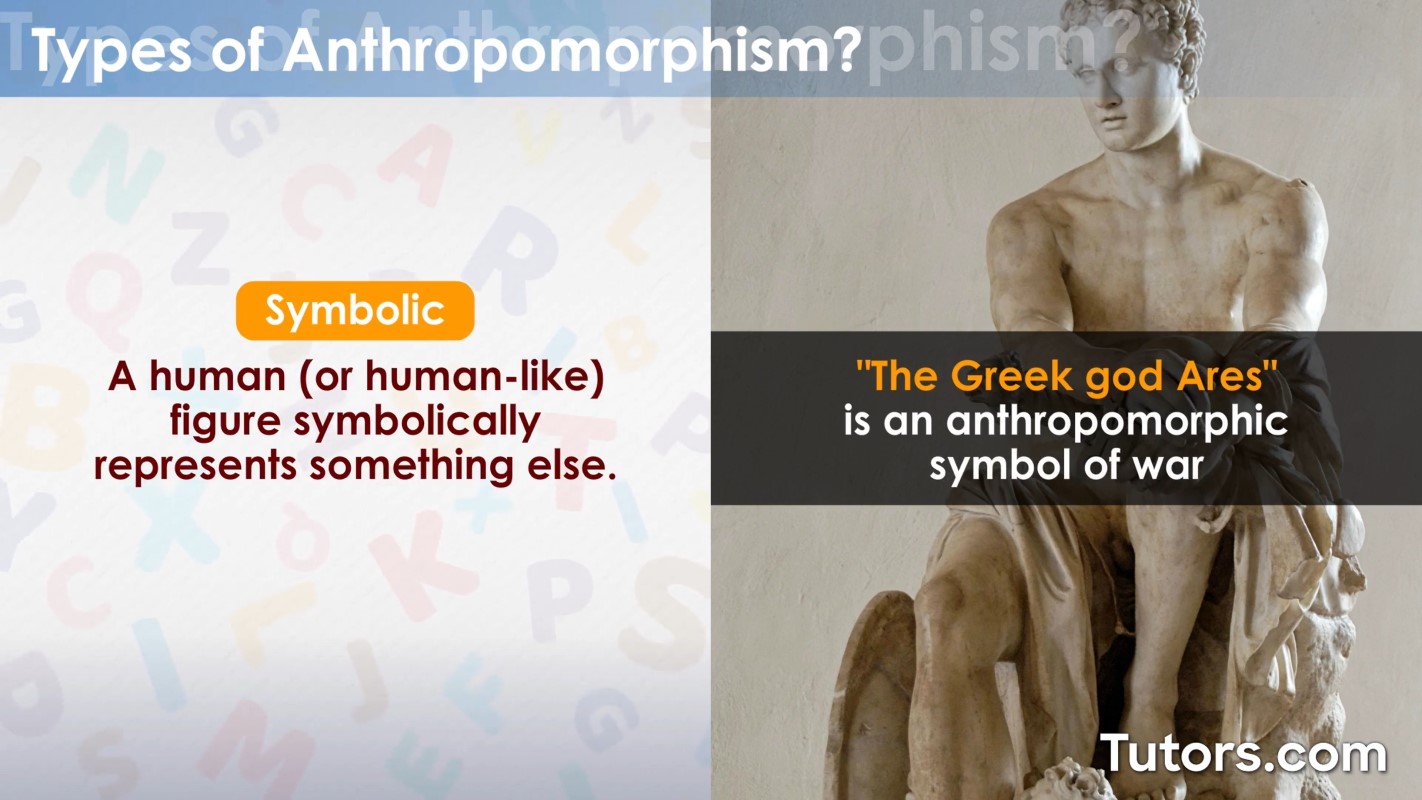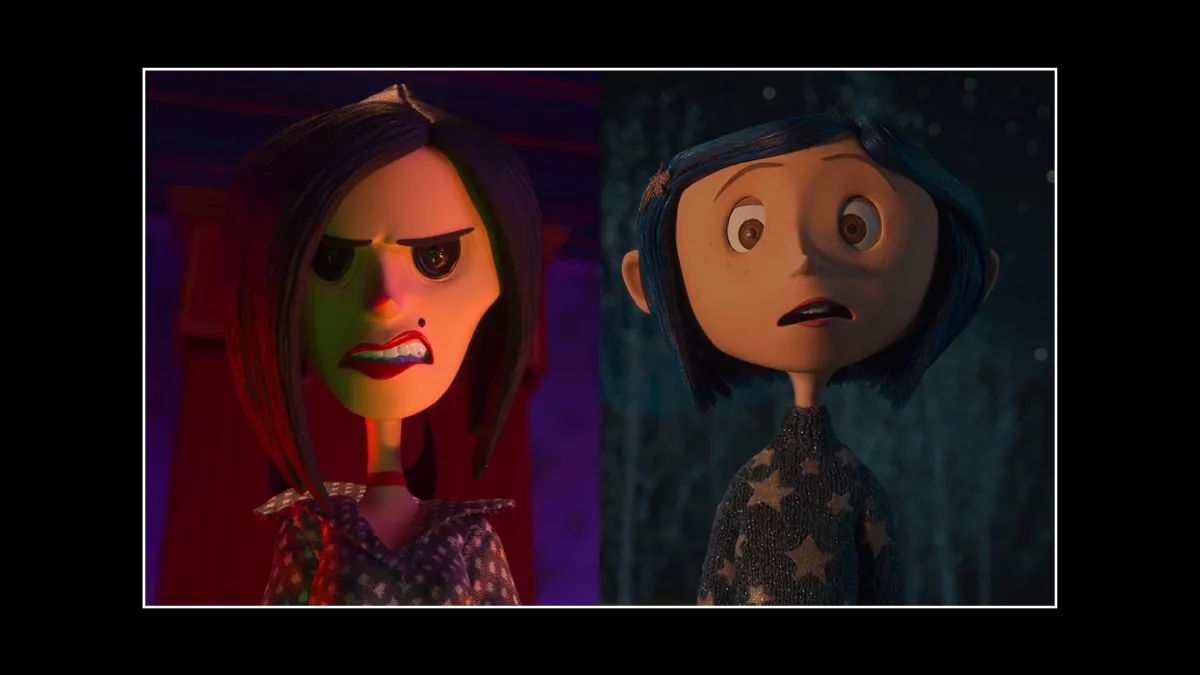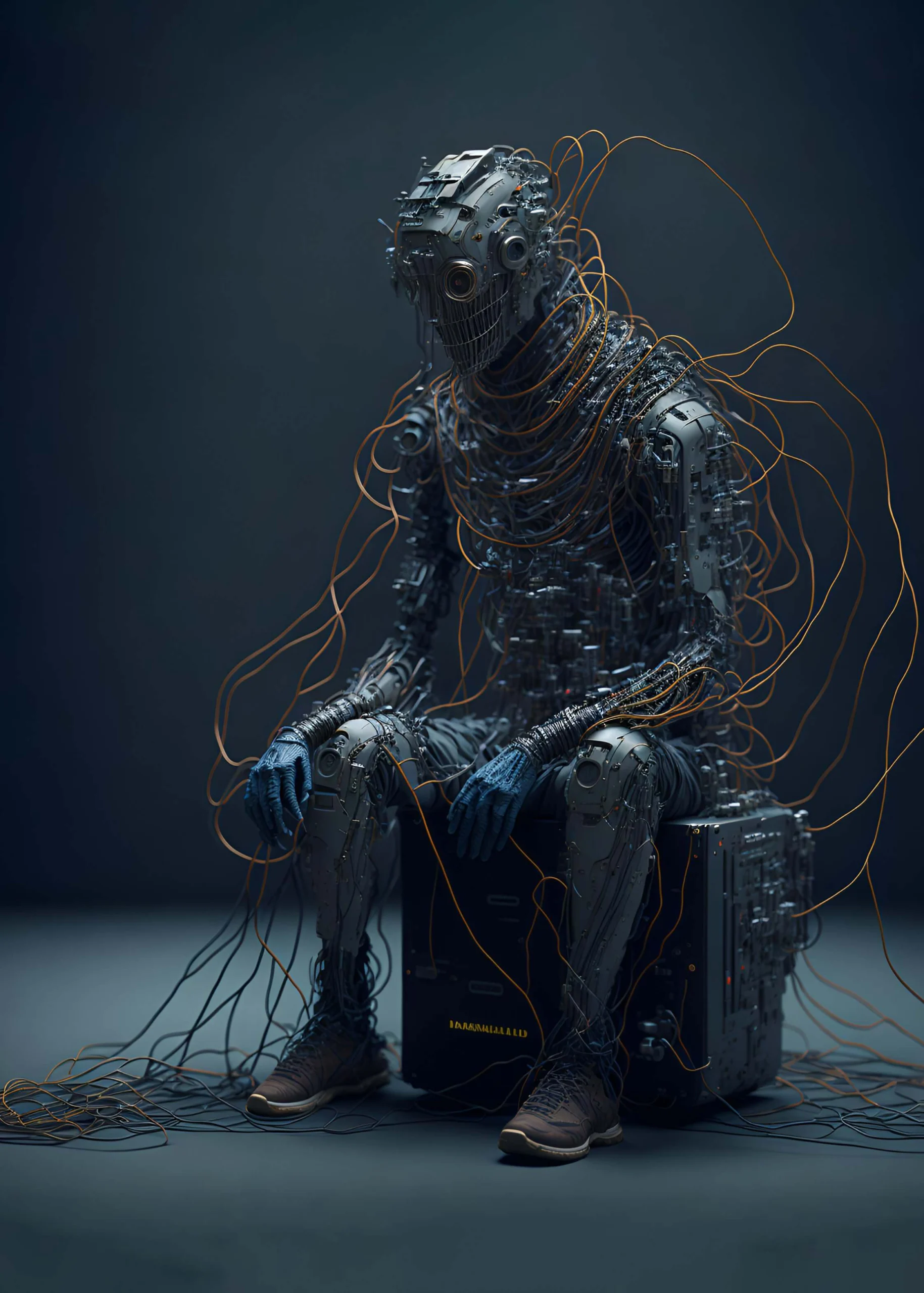
What if your office printer suddenly started apologizing for jamming? Or your spreadsheet software began cracking jokes about your quarterly reports? While these scenarios might sound like the opening scenes of a workplace comedy, they tap into a fascinating psychological phenomenon: anthropomorphism—the tendency to attribute human-like qualities to non-human entities. But beyond the whimsical, how does this inclination shape the morale of employees navigating modern workplaces? Could the way we perceive our tools, colleagues, and even corporate policies as “human” be the secret ingredient to a more motivated workforce—or does it risk blurring the lines between reality and illusion?
The Psychological Dance of Anthropomorphism in the Workplace
At its core, anthropomorphism is a cognitive shortcut, a mental trick our brains employ to make sense of the unfamiliar. When an employee names their work computer “Bob” or anthropomorphizes their AI assistant with a personality, they’re not just indulging in playful whimsy—they’re engaging in a deeply rooted psychological process. Studies suggest that this tendency fulfills a fundamental human need for connection and control. In an era where remote work has dissolved physical boundaries, the act of imbuing inanimate objects or abstract systems with human traits can provide a sense of companionship and predictability.
Consider the employee who treats their project management software as a “team member” rather than a tool. The subtle shift from passive observer to interactive participant can foster a sense of agency. When employees feel their digital counterparts “understand” their struggles or “respond” to their inputs, morale often receives a subtle boost. However, this psychological dance isn’t without its pitfalls. Over-reliance on anthropomorphism might lead to unrealistic expectations—imagine an employee becoming frustrated when their “helpful” chatbot fails to grasp the nuances of a complex client request. The line between convenience and delusion can blur, leaving morale vulnerable to the harsh reality of technological limitations.

From Tools to Teammates: The Corporate Persona Paradox
The modern workplace is a theater of personas, where brands, logos, and even corporate policies are designed to feel human. Think of the “friendly” customer service chatbot that greets you by name or the company mascot that “speaks” to employees through internal communications. This corporate anthropomorphism isn’t just marketing fluff—it’s a strategic tool to humanize brands and foster loyalty. But when these personas extend into the daily lives of employees, the impact on morale becomes a double-edged sword.
On one hand, a well-crafted corporate persona can create a sense of belonging. Employees who feel their organization “cares” about their well-being—whether through a nurturing HR chatbot or a mascot that “celebrates” milestones—are more likely to report higher job satisfaction. The phenomenon of “organizational identification” thrives in such environments, where employees see their workplace not as a faceless entity but as a collective with shared values and quirks. Yet, this humanization can backfire if the personas feel inauthentic or manipulative. A forced, overly cheerful corporate mascot might come across as condescending, while a chatbot that “apologizes” too profusely for minor inconveniences could undermine an employee’s confidence in their own competence.
The challenge lies in striking a balance. The most effective corporate anthropomorphism feels organic, almost imperceptible—like a well-written character in a workplace sitcom who adds levity without stealing the spotlight. When done right, it transforms mundane tasks into engaging interactions, but when overdone, it risks infantilizing employees or fostering dependency on artificial validation.
The Dark Side of Digital Companionship
Not all anthropomorphic interactions are benign. The rise of AI and automation has introduced a new layer of complexity to workplace morale, particularly when employees form emotional attachments to digital entities. Picture an employee who confides in their AI assistant about work-related stress, only to find that the assistant’s responses feel hollow or dismissive. The disconnect between the perceived empathy of the tool and its actual capabilities can lead to frustration, disillusionment, and even burnout.
This phenomenon, known as “emotional anthropomorphism,” can be particularly insidious in high-pressure environments. Employees in customer service roles, for example, might rely on AI tools to “handle” difficult interactions, only to feel abandoned when the tool fails to provide the nuanced support they need. The result? A sense of isolation, as if the digital companion has betrayed their trust. Morale suffers not just from the tool’s limitations, but from the emotional letdown of expecting humanity where none exists.
Moreover, the gamification of work—where tasks are framed as challenges to be “conquered” by a digital avatar—can distort employees’ perceptions of their own agency. When progress is tracked by a cheerful progress bar or a virtual badge, the line between motivation and manipulation blurs. Employees may push themselves to meet arbitrary benchmarks, not because the work is meaningful, but because the digital entity “rewards” them. This can lead to a hollow sense of achievement, where morale is tied to external validation rather than intrinsic satisfaction.
Anthropomorphism and the Illusion of Control
One of the most compelling reasons employees anthropomorphize their workplace tools is the illusion of control it provides. In an environment where tasks feel overwhelming or unpredictable, the ability to “negotiate” with a digital assistant or “persuade” a recalcitrant software program can restore a sense of order. This psychological phenomenon, known as the “illusion of control,” suggests that people are more likely to feel satisfied when they believe they have agency—even if that agency is illusory.
For example, an employee who treats their email client as a “grumpy but fair” gatekeeper may feel more in control of their inbox than someone who sees it as a neutral tool. The former might approach their tasks with a sense of humor and resilience, while the latter could feel overwhelmed by the sheer volume of messages. However, this illusion can become a crutch. Employees who rely too heavily on anthropomorphism to cope with stress may struggle to develop real-world problem-solving skills, leaving them vulnerable when faced with situations where no digital companion is available to “help.”
The key, then, is to harness anthropomorphism as a temporary coping mechanism rather than a permanent solution. Like a child’s imaginary friend, it can provide comfort in times of need—but eventually, the child must learn to navigate the world without it. Workplaces that encourage employees to develop their own resilience while using anthropomorphism as a supplementary tool may find the best balance between morale and self-sufficiency.
Designing Workplaces for the Anthropomorphic Age
So, how can organizations leverage anthropomorphism to boost morale without falling into its traps? The answer lies in intentional design. Workplaces must recognize that anthropomorphism is neither inherently good nor bad—it’s a tool that must be wielded with care. The first step is to audit the ways in which anthropomorphism is already present in the workplace, from the tone of internal communications to the design of digital interfaces.
For instance, a company might replace a sterile error message like “Operation failed” with a more humanized version: “Oops! Something went wrong. Let’s try that again.” This small change can transform a frustrating moment into a collaborative one, fostering a sense of teamwork between the employee and the system. Similarly, AI tools should be designed with transparency in mind—employees should always be aware when they’re interacting with an algorithm, not a human, to avoid the pitfalls of emotional anthropomorphism.
Training also plays a crucial role. Employees should be encouraged to recognize when they’re anthropomorphizing their tools and to question whether those tools are truly meeting their needs. Workshops on digital literacy and emotional intelligence can help employees strike a balance between leveraging anthropomorphism for motivation and maintaining a critical perspective on its limitations. After all, the goal isn’t to eliminate anthropomorphism entirely, but to use it as a bridge—not a crutch—toward a more engaged and resilient workforce.
The Future: Balancing Humanity and Technology
As workplaces continue to evolve, the role of anthropomorphism in shaping morale will only grow more complex. The rise of advanced AI, virtual reality, and augmented reality will blur the lines between human and machine interaction even further. Will employees of the future confide in holographic managers or seek solace in AI-driven “workplace therapists”? The possibilities are as exciting as they are daunting.
What remains clear is that anthropomorphism is here to stay. The challenge for organizations will be to harness its power while mitigating its risks. By fostering environments where anthropomorphism enhances—rather than replaces—human connection, workplaces can create a new paradigm of morale: one where technology serves as a partner, not a substitute, for the human experience. The question isn’t whether anthropomorphism will shape the future of work, but how we’ll choose to wield it.