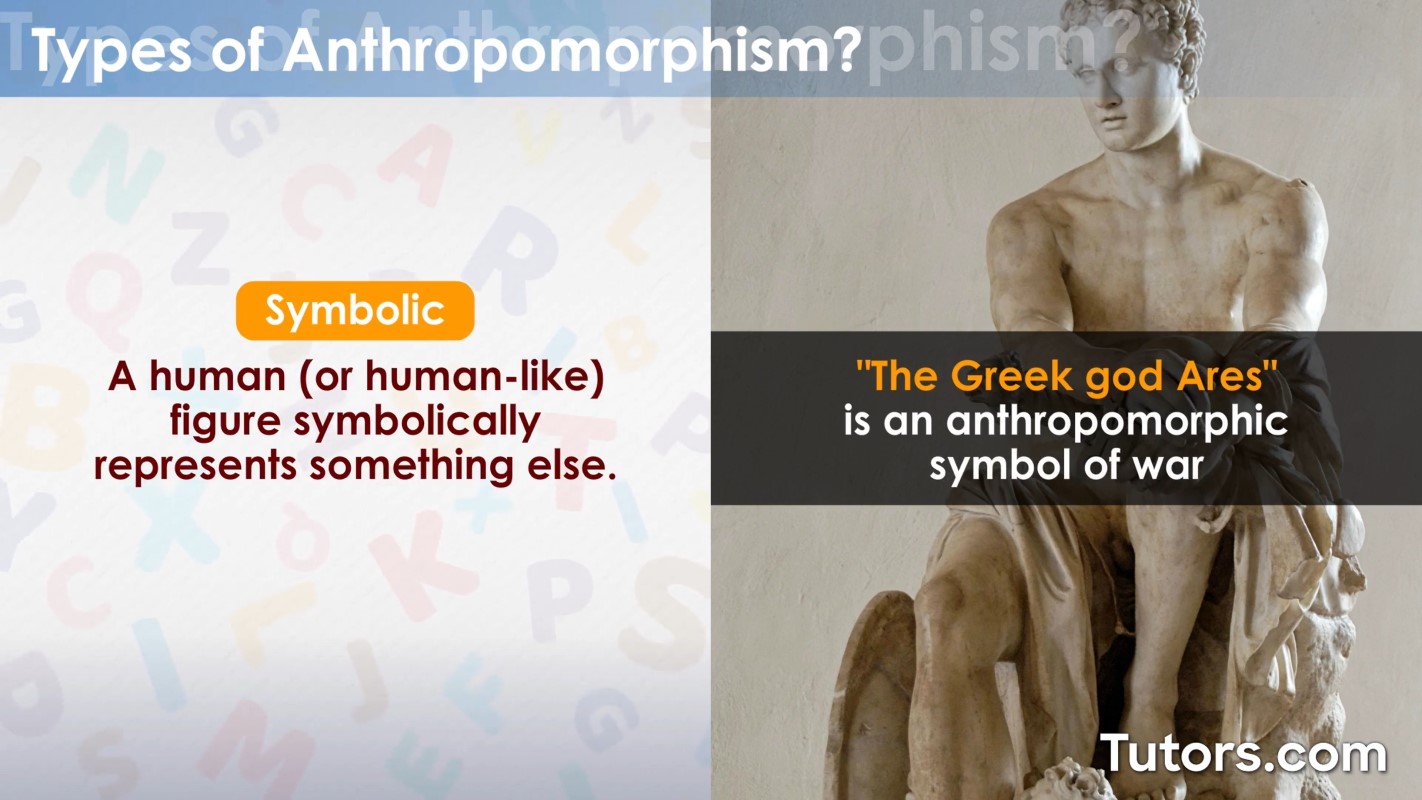
In today’s saturated marketplace, brands and businesses are constantly seeking innovative ways to carve out a unique identity and foster enduring relationships with their customers. One particularly intriguing phenomenon that has increasingly captivated marketers and consumers alike is anthropomorphism—the attribution of human characteristics, emotions, or intentions to non-human entities. At first glance, animating products, services, or brands with humanlike qualities might seem like mere aesthetic embellishment. Yet beneath this common observation lies a profound psychological interplay that significantly shapes customer loyalty. Understanding the nuanced ramifications of anthropomorphism reveals why and how this subtle strategy resonates so deeply with consumers, forging bonds that transcend conventional transactional interactions.
The Psychological Allure of Anthropomorphism
Human beings possess an innate proclivity to perceive agency and social intention in the world around them, a cognitive tendency known as the hyperactive agency detection device. This predisposition predisposes consumers to readily attribute life-like qualities to inanimate objects and abstract brands. When a car appears to “smile” with its grinning grille or a chatbot exhibits empathy through carefully crafted dialogue, it stimulates a subconscious affiliation akin to human social interaction. This anthropomorphic engagement offers a cognitive shortcut, enabling consumers to navigate relationships with brands in a more intuitive and emotionally rich manner.
These attributions are more than fanciful illusions; they tap into deep-seated social and emotional needs. The human brain craves connection, and when faced with ambiguous or unfamiliar stimuli, infusing them with humanlike traits injects predictability and comfort. This psychological mirroring establishes a sense of familiarity and trust. In the context of customer loyalty, it transforms the brand from a faceless entity to a trustworthy companion or advisor, engendering a powerful allegiance bolstered by emotional resonance.
Enhancing Brand Personification to Cultivate Trust
Trust stands as the cornerstone of loyalty. Anthropomorphism serves as a catalyst, humanizing brands in ways that transcend functional utility. By embodying discernible character traits—be it warmth, reliability, or humor—brands sculpt a persona that consumers find relatable and dependable. This personification allows customers to attribute intentionality and moral alignment to the brand’s actions, elevating their overall perception of integrity.
Consider customer service chatbots designed with empathetic vernacular or voice assistants that employ friendly inflections. These technologies move beyond mechanistic interactions, simulating empathetic human dialogue. Such experiences reassures customers that their concerns are heard and valued, nurturing assurance. The subtle cues—polite language, responsiveness, humor—interweave trust into the consumer-brand relationship. Over time, these interactions accumulate, solidifying a foundation upon which brand loyalty firmly stands.
Anthropomorphism and Emotional Engagement
Emotions are the undercurrent of consumer decision-making. Anthropomorphic elements in marketing and product design function as emotional conduits, eliciting empathy, joy, or even nostalgia. For instance, a robot vacuum cleaner with “eyes” or a fitness app avatar that cheers progress leverages emotional psychology to intensify user attachment. These anthropomorphic details provoke emotional investment not easily achieved through sterile, utilitarian interfaces.
The consequence is a shift from a purely transactional engagement to an experiential encounter. Customers begin to identify with the brand’s “personality,” responding to it not just rationally but emotionally. This dimension of emotional engagement becomes critical because loyalty thrives in affective, not just cognitive, realms. Brands that evoke emotional responses through anthropomorphism position themselves as integral to customers’ lives rather than merely vendors of products or services.
Fostering Narrative Identity and Customer Retention
Humans are storytelling creatures. Anthropomorphism invites customers to weave brands into personal narratives—a process that is instrumental in shaping lasting loyalty. When brands adopt humanlike personas, they become protagonists in their customers’ life stories. Consumers are inclined to project values, aspirations, and identities onto these brand characters, creating a seamless integration of brand presence in their self-concept.
This narrative identity catalyzes retention because it cultivates continuity. Customers return not just for product features but to engage with a “character” that reflects or complements their own journey. Over time, this dynamic produces habit formation and a reluctance to switch allegiances because to do so would disrupt an established personal story. Anthropomorphism thus serves as a conduit through which brands embed themselves within the fabric of consumer identity, making loyalty an extension of self-expression.
Navigating the Pitfalls: When Anthropomorphism Backfires
Despite its inviolable appeal, anthropomorphism is not a panacea. An uncalibrated or inauthentic humanization of brands can precipitate consumer dissonance or skepticism. When the anthropomorphic attributes clash with the brand’s core values or appear manipulative, it risks alienating rather than endearing customers. This cognitive dissonance arises from a perceived incongruence between the brand’s persona and its tangible behaviors or value proposition.
For example, a luxury brand portrayed as playful and whimsical might erode its aura of exclusivity, while a chatbot intended to be empathetic but frequently makes errors can frustrate customers. Overuse or superficial application of anthropomorphic traits can feel gimmicky, reducing the brand’s credibility. Therefore, judicious and context-sensitive deployment is essential to harness anthropomorphism’s advantageous effects without undermining brand authenticity.
The Role of Cultural Context in Anthropomorphic Appeal
Cultural frameworks greatly influence how anthropomorphism is perceived and processed. Different societies exhibit varying thresholds and preferences for humanized branding. In collectivist cultures, for instance, brands that emphasize relational and nurturing traits tend to be more effective, whereas individualistic cultures may prefer brands that project autonomy or quirky individuality. Recognizing and adapting anthropomorphic strategies to cultural nuances can amplify their impact on customer loyalty.
Moreover, language, symbolism, and societal attitudes toward technology and artificial entities shape consumer responses. What is charming and endearing in one context may be unsettling or irrelevant in another. Brands that keenly attune their anthropomorphic expressions to these cultural variations demonstrate greater sensitivity and inclusivity, fostering broader and more resilient customer loyalty networks.
Future Trajectories: Anthropomorphism in an AI-Driven Marketplace
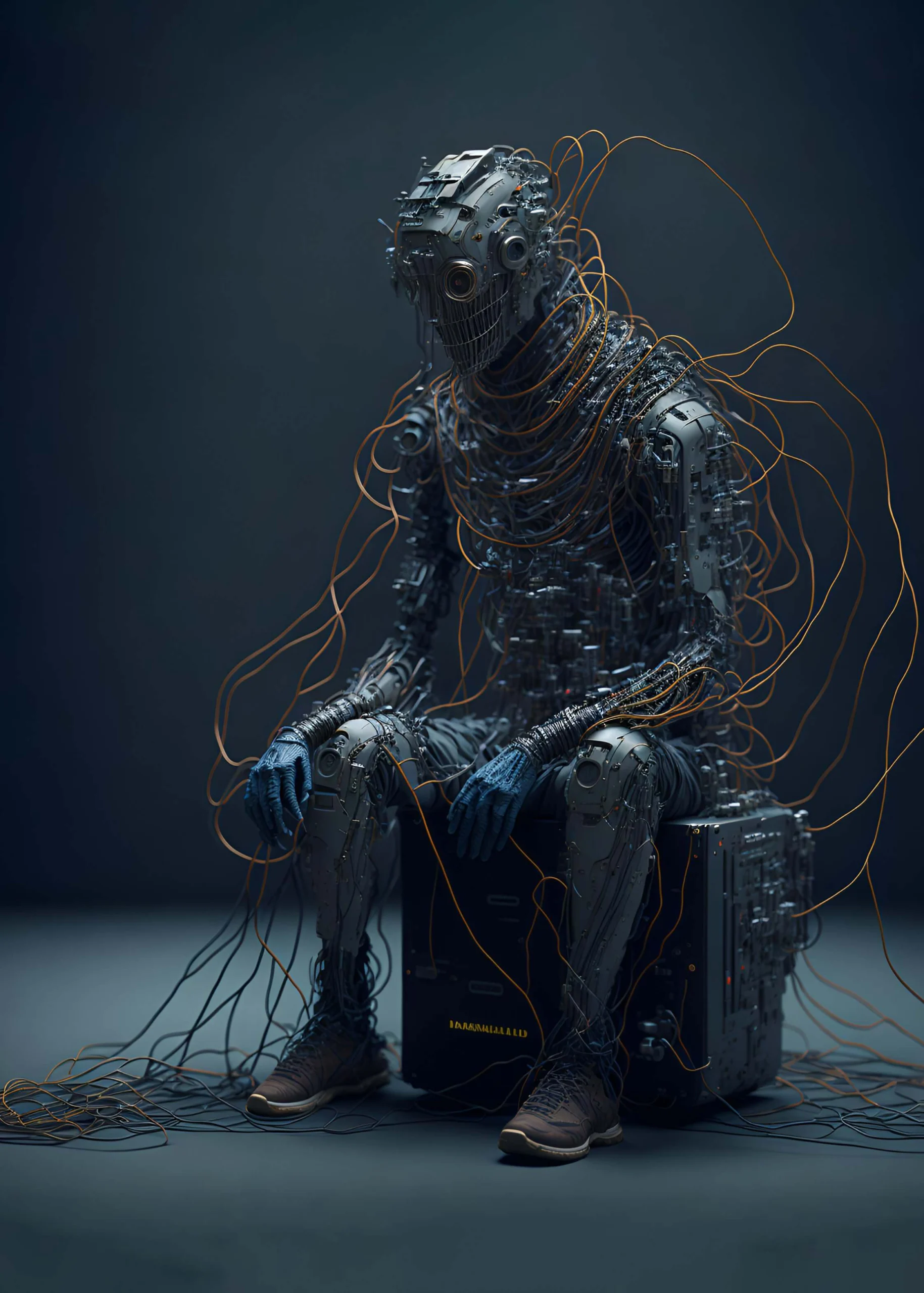
As artificial intelligence and machine learning revolutionize customer interaction, anthropomorphism is poised to become an even more central tool in loyalty strategies. AI-powered agents endowed with sophisticated natural language processing and emotional intelligence can mimic human-like adaptability and nuanced responses more convincingly than ever before. This evolution will deepen emotional bonds, creating hybrid anthropomorphic experiences that blend digital utility with human warmth.
However, the future also demands ethical considerations—transparency about artificiality, respect for consumer autonomy, and safeguarding against manipulation. When ethically integrated, anthropomorphic AI can redefine loyalty by crafting personalized, empathetic brand experiences at an unprecedented scale. Brands that master the delicate balance between technological innovation and human-centric design will unlock new realms of consumer devotion.
Ultimately, anthropomorphism offers a multifaceted prism through which brands transcend commodification and enter the cognitive and emotional spheres of their customers. Its impact on loyalty is profound and far-reaching, rooted in the fundamental human yearning for connection and understanding. By appreciating the deeper reasons for this fascination, brands can harness anthropomorphism not merely as a tactic, but as an art form that cultivates enduring customer allegiance.