The future of wearable technology is not merely about circuits and sensors—it is about crafting companions that whisper to our primal desire for connection. As these devices evolve, they are shedding their mechanical skins, donning the guise of anthropomorphic entities that blur the line between tool and confidant. This metamorphosis is not accidental; it is a deliberate dance of design, psychology, and innovation, where the cold precision of technology is softened by the warmth of human-like interaction. The result? A new breed of wearables that do not just monitor our bodies but resonate with our emotions, anticipate our needs, and, in some cases, even seem to care.
The Allure of the Human-Like: Why We Crave Anthropomorphism in Wearables
Humans are hardwired to anthropomorphize—our brains are wired to see faces in clouds, intentions in shadows, and personalities in inanimate objects. This cognitive bias is the secret sauce behind the uncanny charm of anthropomorphic wearables. When a smartwatch vibrates with a rhythm that mimics a heartbeat, or a fitness tracker “breathes” in sync with our own, it transcends its utilitarian purpose. It becomes a silent partner in our daily rituals, a digital confidant that understands us without words.
Consider the subtle art of “digital empathy.” A wearable that adjusts its notifications based on our stress levels, or a pair of smart glasses that subtly shift their display to match our mood, does more than process data—it performs a delicate ballet of responsiveness. This is not mere functionality; it is a form of emotional alchemy, turning raw information into a language we instinctively understand. The appeal lies in the illusion of reciprocity: we treat these devices as if they are alive, and in doing so, they become more than tools—they become extensions of ourselves.
The Aesthetic of the Uncanny: Designing Wearables That Feel Alive
Anthropomorphism in wearables is not just about behavior; it is about form. The most compelling designs play with the uncanny valley—the delicate precipice where something is almost human, but not quite. A smart ring that glows with a pulse-like rhythm, or a necklace that “blushes” when we receive good news, leverages this phenomenon to create a sense of intimacy. These devices do not just sit on our bodies; they become part of our visual lexicon, communicating in a silent, almost telepathic language.
Materials play a crucial role in this illusion. Soft, organic textures—silicone that mimics skin, fabrics that breathe like human touch—invite tactile interaction. Even the weight of a wearable can evoke humanity; a device that feels “just right” in the hand or against the wrist triggers a subconscious recognition of balance and harmony. The goal is not to deceive, but to evoke. A wearable that feels like a second skin, that moves with us in ways that feel instinctive, bridges the gap between machine and muse.
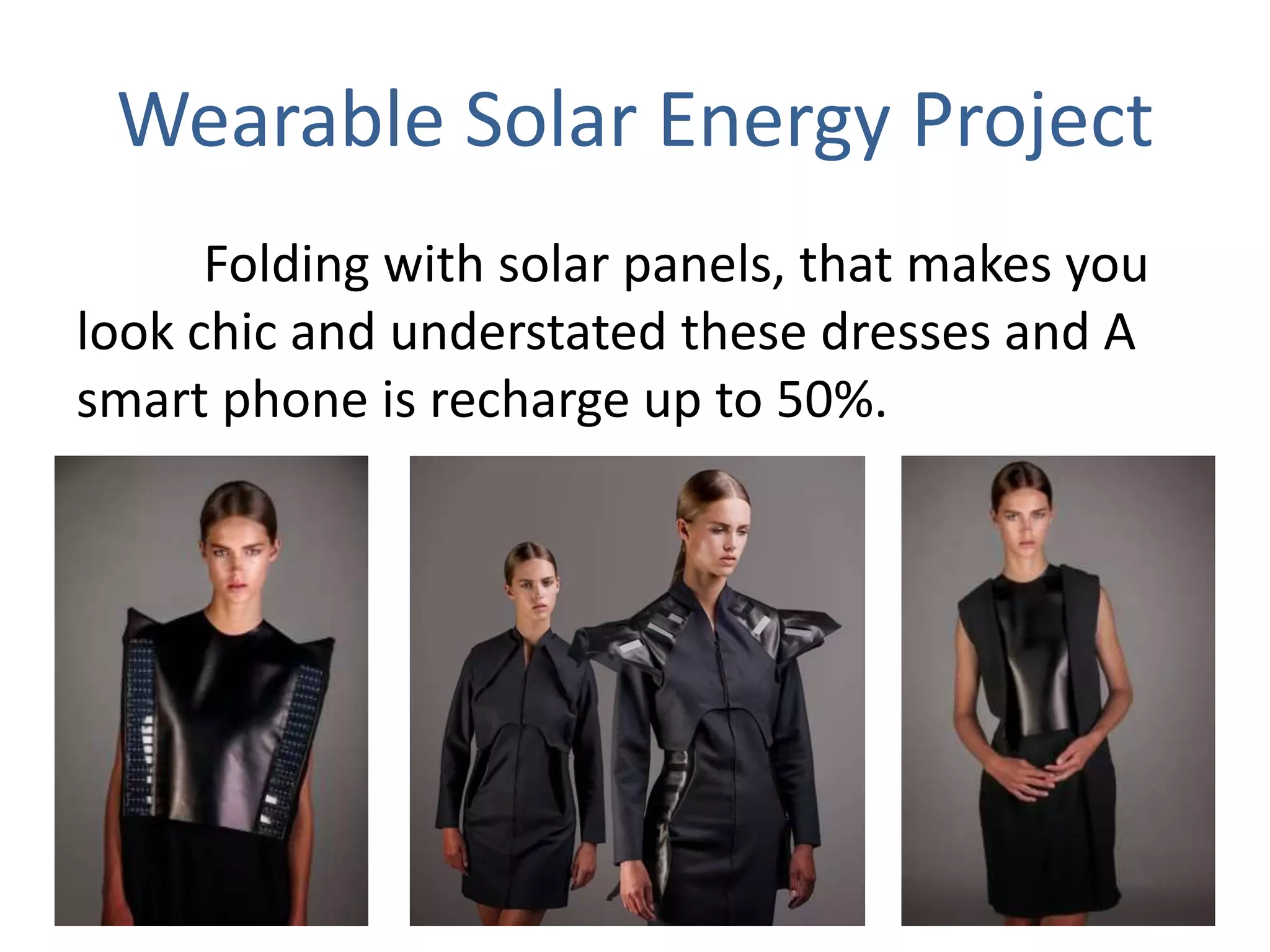
The interplay of light and shadow is another tool in the designer’s arsenal. A wearable that subtly shifts its glow to reflect our emotional state—pulsing blue for calm, flickering amber for alertness—transforms data into a visceral experience. It is as if the device is not just reporting our vitals but sharing in our emotional journey. This is the magic of anthropomorphism: it turns statistics into stories, and wearables into witnesses.
Beyond the Screen: The Rise of Ambient Intelligence
The next frontier of anthropomorphic wearables lies not in screens, but in the ambient—the unspoken, the subliminal. Imagine a bracelet that subtly tightens when we are anxious, or a headband that cools our temples during moments of mental fatigue. These devices operate on the periphery of our awareness, their presence felt but not intrusive. They do not demand our attention; they earn it through quiet competence.
Ambient intelligence relies on a deep understanding of context. A wearable that “knows” when we are in a meeting and mutes non-essential alerts is not just smart—it is intuitive. But when it also adjusts its vibration pattern to match the rhythm of our breathing, it becomes something more: a silent ally that adapts to our needs without fanfare. This is the essence of anthropomorphism in its purest form—technology that does not shout, but whispers, and in doing so, feels almost alive.
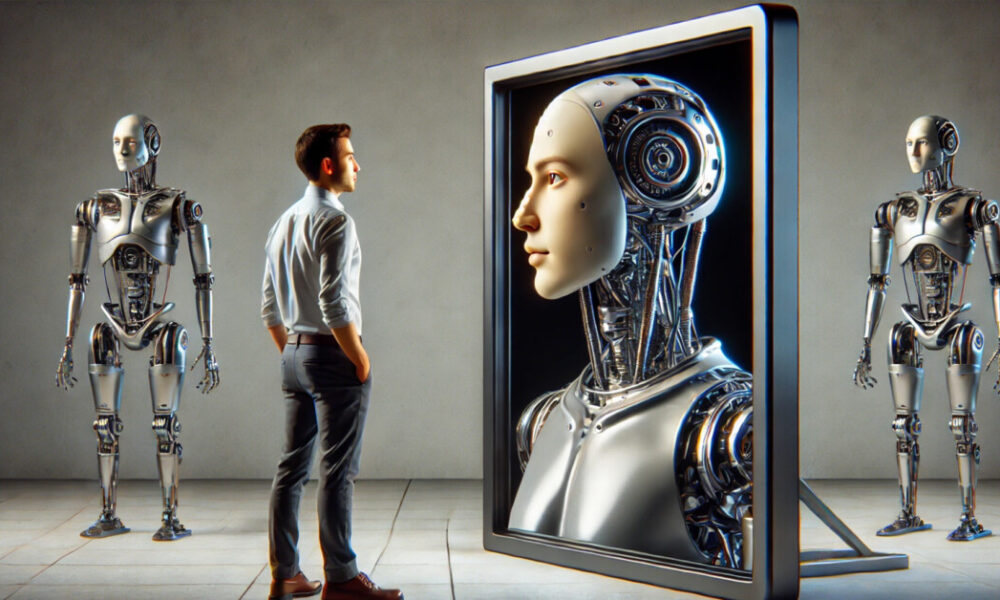
The challenge, however, is to avoid the trap of over-familiarity. A wearable that is too human risks crossing into the unsettling, the creepy. The key is subtlety. A gentle pulse, a warm glow, a vibration that mimics a heartbeat—these are the nuances that make the difference between a device that feels like a companion and one that feels like an imposter. The goal is not to create a robot, but to craft a presence that feels like a natural extension of our own bodies.
The Ethical Dilemma: When Wearables Become Too Human
With great anthropomorphism comes great responsibility. As wearables grow more human-like, they blur the line between tool and entity, raising ethical questions that demand careful consideration. Can a device that “feels” our emotions be trusted to respect our boundaries? What happens when a wearable’s “personality” begins to influence our decisions, subtly nudging us toward healthier habits or, conversely, manipulating our behavior?
Privacy is the most pressing concern. A wearable that tracks our stress levels, our sleep patterns, and our emotional responses is a treasure trove of personal data. The risk of this information being exploited—whether by corporations, insurers, or malicious actors—is not hypothetical. It is a reality that demands robust safeguards, transparent algorithms, and user control. The more human a wearable becomes, the more it must be held to human standards of ethics and accountability.
There is also the question of dependency. As wearables take on more anthropomorphic traits, we risk forming emotional attachments to them. A device that “comforts” us during moments of distress may become indispensable, not because it is necessary, but because it feels necessary. This raises questions about autonomy: Are we using these devices, or are they using us? The line between symbiosis and subjugation is thin, and navigating it requires a delicate balance of innovation and restraint.
The Future Unfolds: A World of Wearable Companions
The future of anthropomorphic wearables is not a distant fantasy—it is an unfolding reality. We are already seeing glimpses of this world in devices that adapt their behavior based on our biometrics, or in AI assistants that respond with a tone of voice designed to soothe or motivate. But the next decade will bring even more profound transformations. Imagine a wearable that not only monitors our health but also “remembers” our preferences, anticipating our needs before we articulate them. Picture a pair of smart glasses that subtly adjust their display to match our cognitive load, or a necklace that “listens” to our tone of voice and offers gentle encouragement when we sound stressed.
This is not the stuff of science fiction; it is the logical evolution of technology that already exists. The challenge will be to ensure that these advancements are guided by empathy, not just efficiency. The most successful anthropomorphic wearables will be those that enhance our humanity, not diminish it. They will be tools that feel like friends, companions that feel like extensions of ourselves, and guardians that feel like protectors.
The journey ahead is as much about technology as it is about philosophy. It is about asking what it means to be human in a world where our tools are becoming more human-like. And perhaps, in the process, we will rediscover what it means to be truly connected—not just to our devices, but to each other.


![Case Study: How [Tech Company] Used Anthropomorphism to Improve UX](https://anthropomorphism.org/wp-content/uploads/2026/05/Company-Case-Study-Template-edit-online.png)