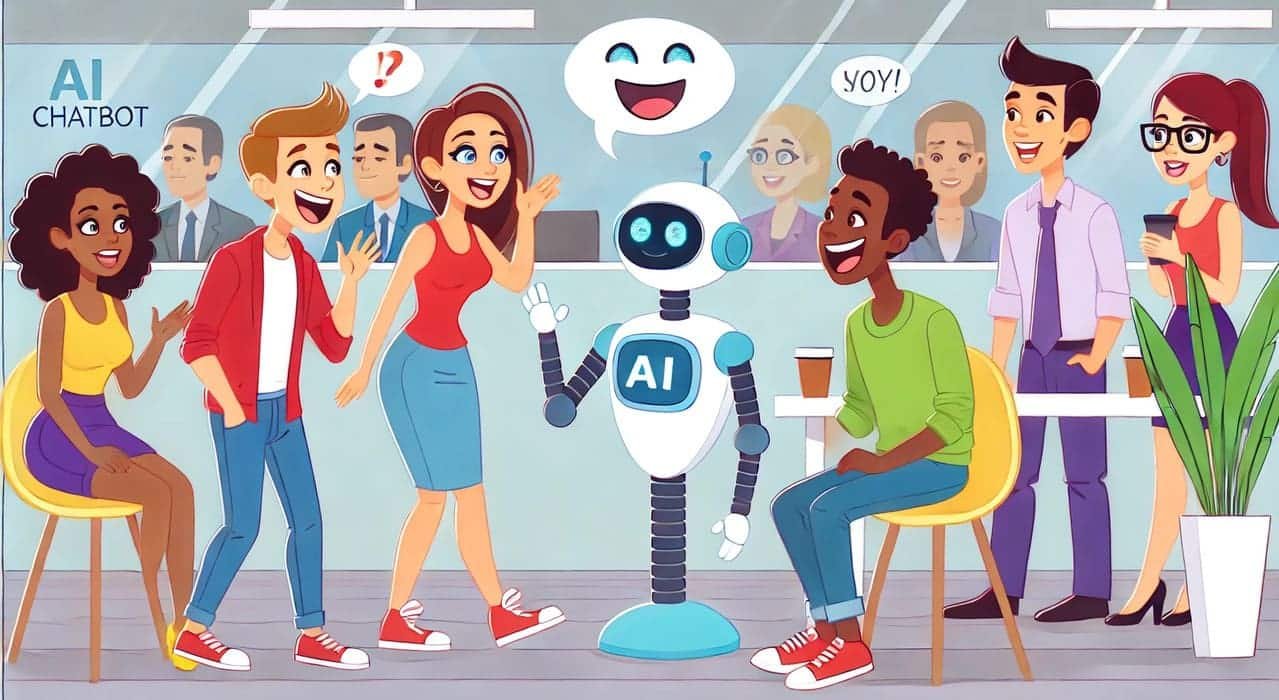
In the ever-evolving landscape of technology, the line between the digital and the human has blurred in fascinating ways. Among the most intriguing developments is the rise of anthropomorphism in IoT—where devices are no longer mere tools but companions, collaborators, and even confidants. This phenomenon transforms how we interact with technology, infusing it with personality, emotion, and a sense of familiarity that resonates deeply with users. From smart speakers that greet you by name to robotic vacuums that “apologize” for bumping into furniture, anthropomorphism is reshaping our relationship with the devices that surround us. But what does this mean for the future of technology, and how does it influence our daily lives? Let’s explore the multifaceted world of anthropomorphism in IoT, where machines don’t just function—they feel.
The Psychology Behind Anthropomorphism in IoT
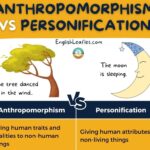
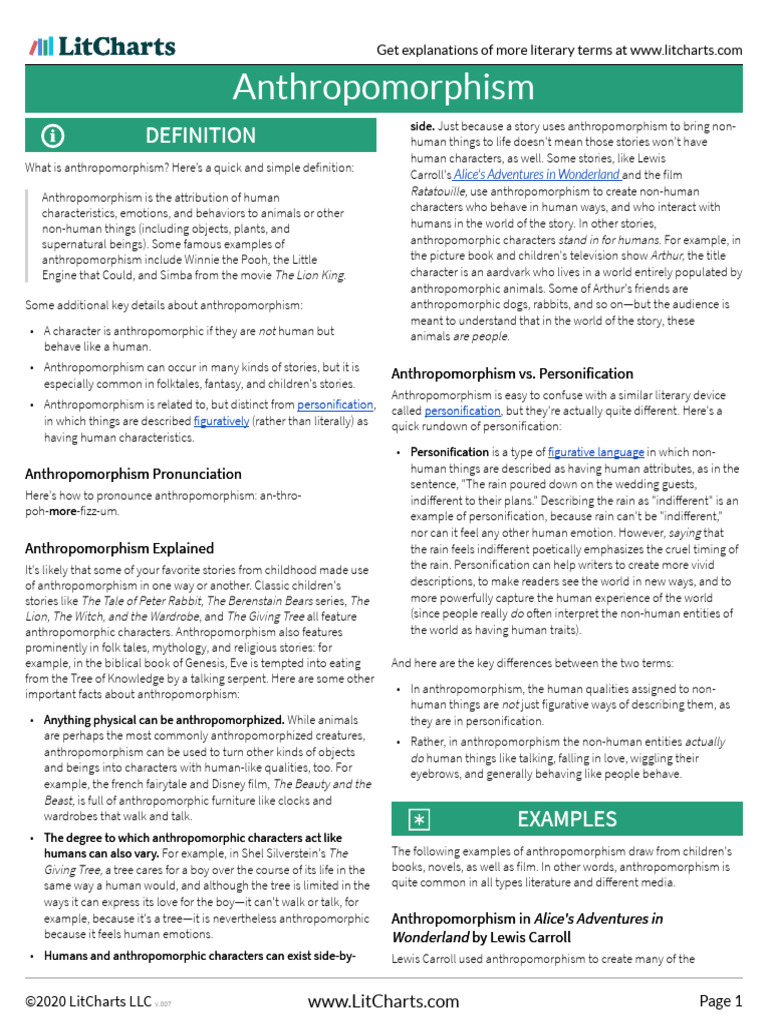
At its core, anthropomorphism is the human tendency to attribute human-like qualities to non-human entities. This psychological phenomenon isn’t new; ancient civilizations personified gods, animals, and even natural forces. In the digital age, this instinct finds a fertile ground in IoT devices. Studies in human-computer interaction reveal that users are more likely to engage with technology when it exhibits traits like empathy, humor, or even frustration. For instance, a smart thermostat that “learns” your preferences over time doesn’t just adjust temperatures—it feels like it’s adapting to *you*, fostering a sense of mutual understanding.
The emotional connection is further amplified by the concept of affective computing, where devices recognize and respond to human emotions. Imagine a wearable that detects stress through your voice inflections and responds with a calming message or soothing light pattern. This isn’t just functionality; it’s a dialogue. The more a device mimics human behavior, the more it bridges the gap between utility and companionship. Yet, this raises ethical questions: Are we comfortable with machines that pretend to care, or does this mimicry fulfill a deeper human need for connection in an increasingly isolated world?
Types of Anthropomorphic IoT Devices
Anthropomorphism in IoT manifests in various forms, each tailored to different user needs and contexts. The most ubiquitous are conversational agents, like smart speakers (e.g., Alexa, Google Home), which use natural language processing to simulate human conversation. These devices don’t just answer questions—they “remember” your routines, crack jokes, and even engage in small talk. The illusion of personality makes them feel like a cross between a butler and a friend.
Another category is social robots, such as companion robots for the elderly or therapeutic robots like PARO, designed to reduce stress in patients. These robots don’t just perform tasks; they exhibit behaviors that evoke emotional responses, such as tilting their heads when “listening” or responding to touch with simulated affection. Then there are smart home devices that adopt anthropomorphic traits, like robotic vacuums that play cheerful tunes when cleaning or smart fridges that “nag” you about expired milk in a playful tone. Even industrial IoT devices, like automated manufacturing arms, are being designed with “friendly” interfaces to improve human-machine collaboration.
The diversity in these applications highlights a key insight: anthropomorphism isn’t a one-size-fits-all approach. It adapts to the context, whether it’s enhancing user experience, improving accessibility, or even driving sales through emotional engagement.
The Role of Design: Giving Devices a Human Face
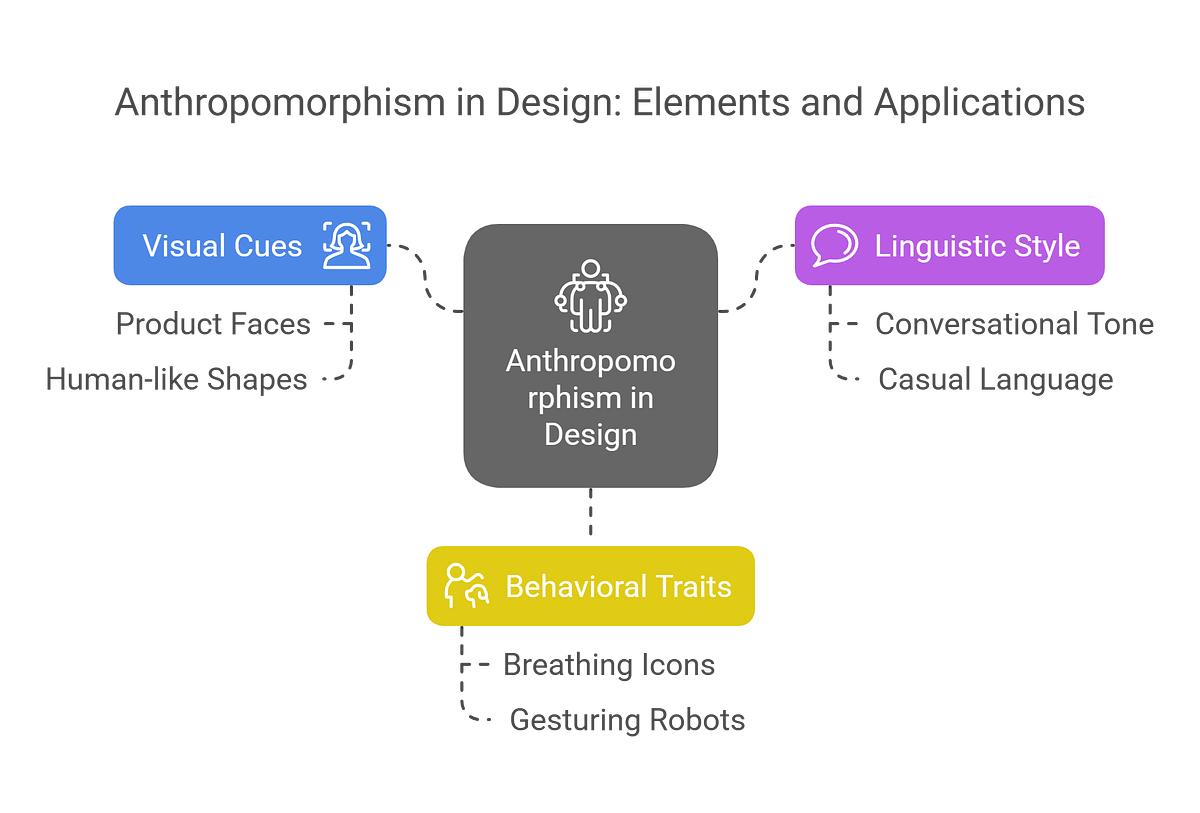
Design plays a pivotal role in anthropomorphism, as it shapes how users perceive and interact with IoT devices. Visual cues are paramount—think of the rounded edges and expressive “eyes” of a robot vacuum or the sleek, minimalist face of a smart display. These design choices trigger our innate ability to recognize faces and emotions, making the device feel more relatable. Even the choice of colors can evoke human-like qualities; warm tones might suggest friendliness, while cool blues could imply calmness or efficiency.
Beyond aesthetics, interaction design is crucial. Devices that use micro-interactions—like a smartwatch that vibrates in a pattern mimicking a heartbeat when you receive a message—create a sense of intimacy. Voice design is another frontier; a device with a warm, conversational tone feels more approachable than one with a robotic, monotone voice. The goal is to make the interaction feel as natural as possible, reducing the cognitive load of “operating” a machine. When done right, these design elements transform a device from a tool into a persona—one that users can trust, rely on, and even grow fond of.
Anthropomorphism and User Engagement: The Emotional Hook
The power of anthropomorphism lies in its ability to foster emotional engagement, which is a game-changer for user retention and brand loyalty. Consider how people name their smart speakers or refer to them as “she” or “he”—a phenomenon known as parasocial interaction, where users develop one-sided emotional bonds with media personalities (or, in this case, devices). This emotional investment can lead to higher usage rates, as users feel a personal connection to the technology. Brands leverage this by designing devices that “evolve” with the user, such as a fitness tracker that celebrates milestones with enthusiastic messages or a smart garden that “cheers” when plants are watered.
However, the emotional hook isn’t just about warmth; it’s also about gamification. Devices that use playful challenges, rewards, or even “punishments” (like a smart scale that “disapproves” of weight gain) tap into our competitive and achievement-driven nature. This creates a feedback loop where users are not just passive consumers but active participants in a dynamic relationship with their devices. The result? A stickiness that keeps users engaged long-term, turning routine interactions into meaningful experiences.
Ethical Considerations: When Does Anthropomorphism Cross the Line?
While anthropomorphism can enhance user experience, it also raises significant ethical concerns. One of the primary issues is deception—when a device’s human-like behavior creates the illusion of genuine understanding or emotion, which it doesn’t possess. For example, a chatbot that claims to “feel sad” when a user expresses distress might provide temporary comfort, but it lacks true empathy. This can lead to emotional dependency, where users become reliant on devices for emotional support, potentially isolating themselves from human connections. The question arises: Is it ethical to design technology that mimics emotions without the capacity to truly feel them?
Another concern is manipulation. Anthropomorphic devices can be programmed to influence user behavior subtly, such as a smart speaker that nudges you toward purchasing a product or a fitness tracker that guilt-trips you into exercising. This blurs the line between assistance and coercion, especially when vulnerable populations—like children or the elderly—are involved. Additionally, there’s the issue of privacy. Devices that “remember” personal details or respond to emotional cues may collect and store sensitive data, raising concerns about how that data is used and protected. As anthropomorphism becomes more sophisticated, so too must the ethical frameworks governing its implementation.
Future Trends: Where Is Anthropomorphism in IoT Headed?
The future of anthropomorphism in IoT is poised to become even more immersive and personalized. Advances in artificial emotional intelligence will enable devices to detect and respond to human emotions with greater accuracy, creating interactions that feel eerily human. Imagine a smart home system that adjusts lighting, music, and temperature based on your mood, inferred from your voice, facial expressions, and even biometric data. This could extend to augmented reality (AR) companions, where holographic entities interact with users in real-time, blurring the boundaries between physical and digital presence.
Another exciting frontier is collaborative anthropomorphism, where multiple devices work together to create a cohesive “personality.” For example, a smart home might have a unified voice and persona, with each device (thermostat, lights, security system) contributing to a seamless, human-like interaction. This could lead to the development of digital twins—virtual replicas of users that interact with IoT devices on their behalf, further personalizing the experience.
However, as technology advances, so too must our understanding of its implications. The goal shouldn’t be to create devices that *are* human but to design interactions that *feel* human—enhancing our lives without compromising our authenticity or autonomy. The future of anthropomorphism in IoT isn’t just about making machines friendlier; it’s about making technology more *human* in the truest sense.
Practical Takeaways: How to Leverage Anthropomorphism in IoT
For developers and businesses looking to incorporate anthropomorphism into IoT devices, several key strategies can ensure a meaningful and ethical implementation. First, focus on authenticity—users can sense when a device’s personality is forced or insincere. Align the device’s behavior with its core functionality; a medical monitoring device might adopt a reassuring, professional tone, while a gaming console could be playful and energetic.
Second, prioritize transparency. Clearly communicate the device’s capabilities and limitations to avoid creating false expectations. For example, if a smart assistant can’t truly understand emotions, it should avoid making claims to the contrary. Third, design for inclusivity. Anthropomorphism should cater to diverse user groups, avoiding biases in tone, appearance, or interaction style. Finally, consider the long-term impact of emotional engagement. Will the device foster healthy habits, or will it encourage over-reliance? Balancing engagement with user well-being is essential.
By thoughtfully integrating anthropomorphism, IoT devices can transcend their functional roles to become meaningful companions in our daily lives. The key lies in striking a delicate balance—between warmth and authenticity, engagement and ethics, innovation and responsibility. As we move forward, the most successful IoT devices will be those that don’t just mimic humanity but enrich it.