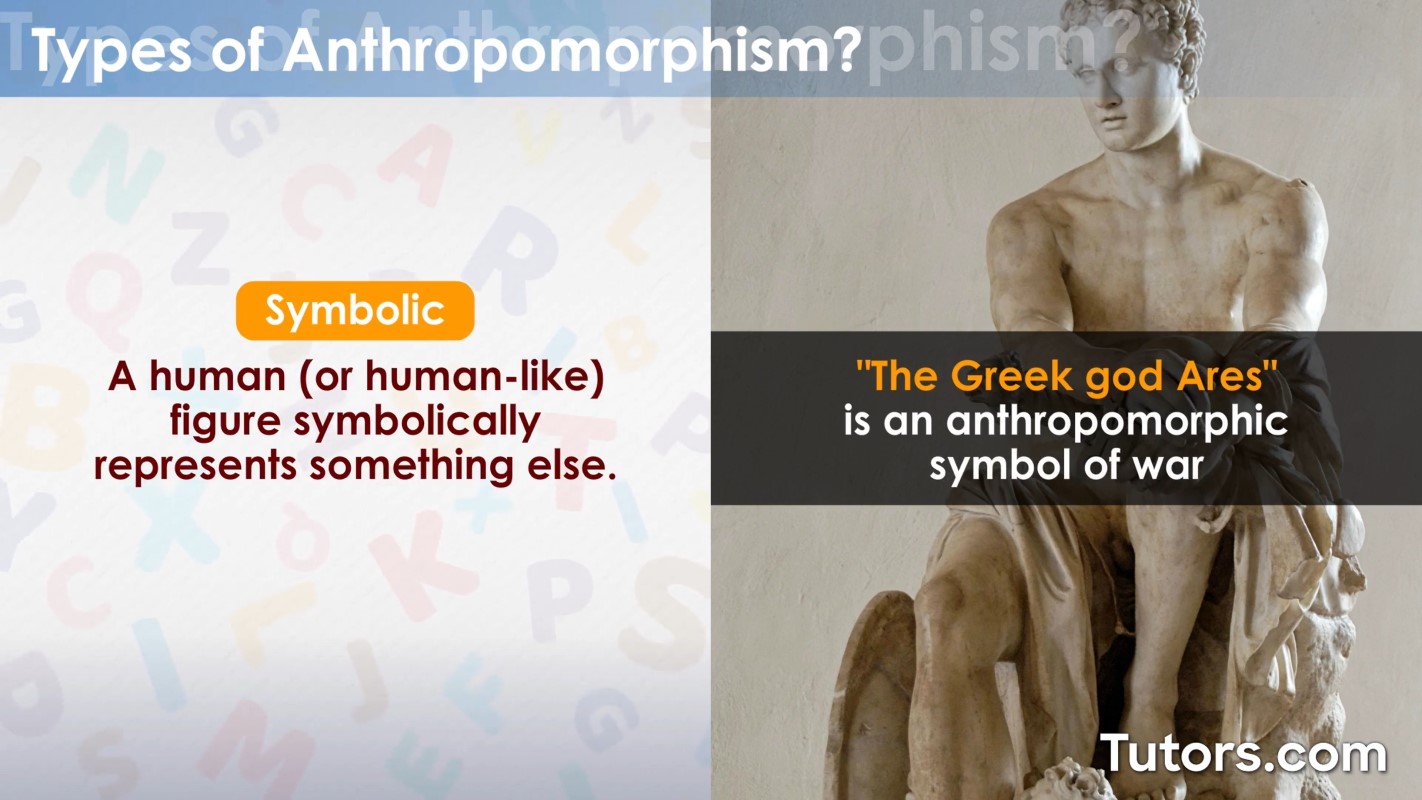
The intersection of anthropomorphism and wearable technology is poised to revolutionize how humans interact with devices on a deeply intuitive level. Anthropomorphism—the attribution of human traits, emotions, or intentions to non-human entities—adds a profound layer of engagement to wearable tech, transforming it from mere utility into a companion-like presence. As wearable devices become more pervasive and sophisticated, their design increasingly embodies characteristics that resonate with human social and emotional paradigms. This evolution offers readers an illuminating exploration of what lies ahead, encompassing forms, functionalities, and the potential societal implications of these humanized technologies.
Embodied Interfaces: The Evolution of Wearable Personae
Wearable technology is transcending traditional user interfaces by adopting embodied, anthropomorphic qualities. Future devices will not only respond to commands but will also exude subtle cues reminiscent of human behavior, gestures, and expressions. Imagine smartwatches that mimic the nuances of human body language—shifting display animations or haptic feedback to signal empathy or alertness. These embodied interfaces create a seamless dialogic experience, allowing users to intuitively interpret device states without explicit instruction. This modality elevates interaction beyond mere information exchange, fostering emotional rapport and trust. As these wearable personae develop, they will incorporate increasingly complex social signaling strategies, enabling devices to adapt dynamically to user moods and contextual subtleties.
Emotive Feedback and Affective Computing in Wearables
The integration of affective computing into wearable tech heralds an era where devices can sense and respond to emotional states with granular precision. Sensors capable of monitoring physiological indicators—heart rate variability, galvanic skin response, and micro-expressions—will furnish wearables with the tools to infer users’ feelings in real time. Consequently, these anthropomorphized devices will engage in a form of empathetic feedback, modulating their responses to soothe anxiety, boost motivation, or celebrate achievements. This adaptive emotive feedback loop not only enhances user well-being but also crafts personalized experiences that recognize the subtle fluctuations of human affect. The potential applications range from mental health monitoring and support to optimizing cognitive performance through mood-sensitive adaptations.
Conversational Agents and Voice Embodiment
Voice-activated wearable assistants are carving a niche as approachable and familiar personal aides. The future will see these agents imbued with more naturalistic vocal inflections, timing, and conversational pacing, resulting in interactions that mimic human interlocutors. Anthropomorphic voice embodiments will leverage advanced natural language processing combined with emotional intelligence to generate responses that are not only contextually relevant but also imbued with warmth and personality. This shift engenders a sense of companionship and attentiveness, facilitating more meaningful user engagement. Additionally, voice agents may be customized to reflect diverse cultural nuances and interpersonal styles, catering to the deeply personal nature of human communication.
Visual Anthropomorphism: Avatars and Projection Technologies
Visual representations of wearables take anthropomorphism a step further by incorporating avatars or projections that personify the device. Augmented reality (AR) and mixed reality (MR) technologies enable wearables to project holographic assistants or virtual avatars that interact in three-dimensional space. These entities may exhibit facial expressions, gestures, and other bodily cues that enrich the communicative experience. The avatars serve as tangible embodiments of the device’s intelligence, making abstract data streams more relatable and accessible. Through visual anthropomorphism, wearables gain a narrative dimension, evolving from data dispensers to interactive characters that educate, entertain, and assist seamlessly throughout daily life.
Social Dynamics and Wearable Tech as Conversational Partners
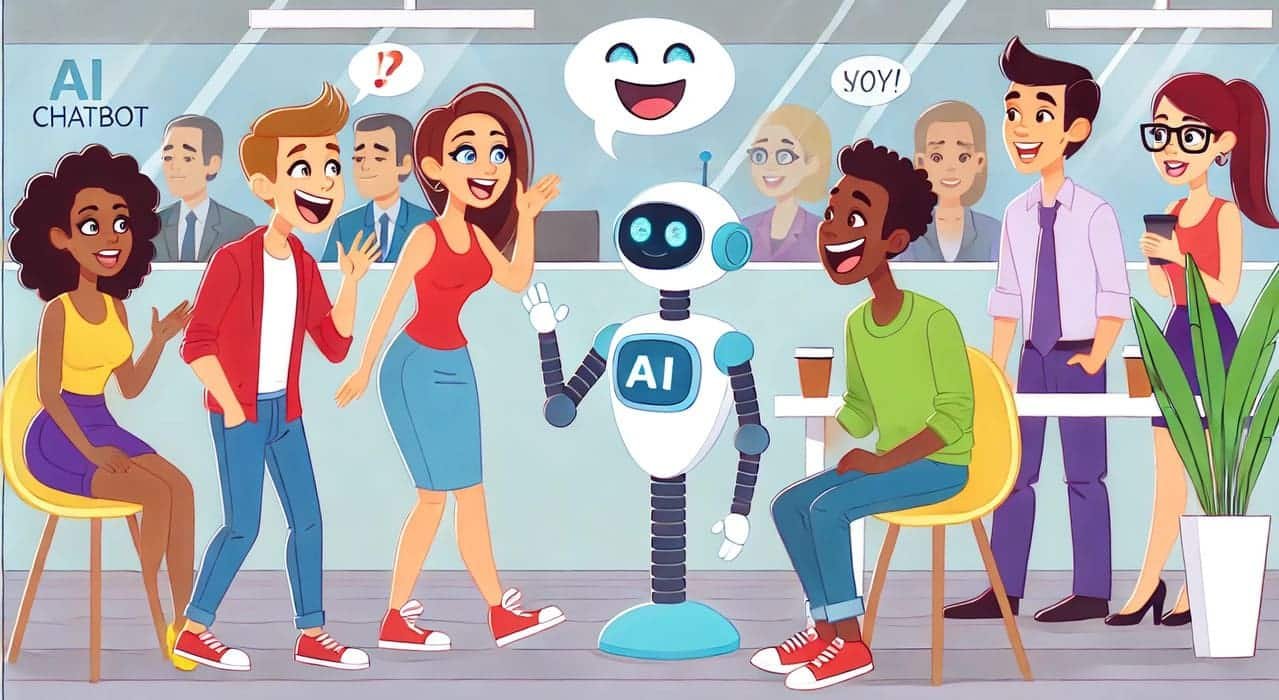
Anthropomorphized wearable devices are primed to disrupt traditional social dynamics, acting as interlocutors in human conversations and social settings. Beyond merely offering factual information, future wearables might initiate dialogues, provide social coaching, or even mediate interpersonal interactions. As these devices acquire a semblance of personality, they will occupy a unique social niche—sometimes bridging the gap between human and digital companionship. Such evolution raises questions about dependency, social etiquette, and the redefinition of companionship in an increasingly digitized milieu. The socialization of wearables, bolstered by anthropomorphic design, challenges users to negotiate new relational paradigms with these personalized, ever-present technologies.
Ethical Considerations and User Autonomy
The rising anthropomorphism in wearable tech engenders profound ethical quandaries concerning user autonomy, privacy, and consent. Devices that simulate human-like empathy and social understanding may inadvertently manipulate emotional responses or influence behavior in subtle ways. Designers must therefore tread carefully, ensuring that anthropomorphic cues empower rather than exploit users. Transparent data handling, user-informed customization, and respectful boundary-setting become paramount. Moreover, the ethical design frameworks should contemplate the psychological impact of sustaining prolonged emotional bonds with non-human agents. Balancing technological advancement and human dignity is essential to foster trust and preserve user agency.
The Future Content Landscape: Interactive Narratives and Personalized Learning
Wearable technologies employing anthropomorphism will unlock new modes of content delivery that are immersive, interactive, and deeply personalized. Readers can anticipate content that feels less like passive consumption and more like an engaging conversation or collaborative exploration. This includes adaptive storytelling, where narratives shift dynamically based on emotional cues or contextual changes captured by the device. Personalized learning modules will evolve to simulate tutor-like encouragement, adjusting pace and difficulty tailored to the learner’s emotional and cognitive states. Such content transforms the educational and entertainment experience, aligning closely with individual needs and preferences while harnessing the empathetic capacity of anthropomorphic wearables.
Conclusion: Toward a Symbiotic Human-Wearable Relationship
The future of anthropomorphism in wearable technology is not merely about aesthetic mimicry of human traits but about fostering symbiotic relationships that enhance human experience. Through embodied interfaces, emotive feedback, conversational capabilities, and ethical sensitivity, these devices promise to become indispensable collaborators rather than tools. The convergence of advanced sensor technologies, artificial intelligence, and human-centric design nourishes this evolution, signaling a paradigm shift in how technology serves humanity. As wearables increasingly mirror human sensibilities, they invite us to reconsider the boundaries between person and machine, utility and companionship, ultimately shaping a future suffused with empathy, intelligence, and connection.