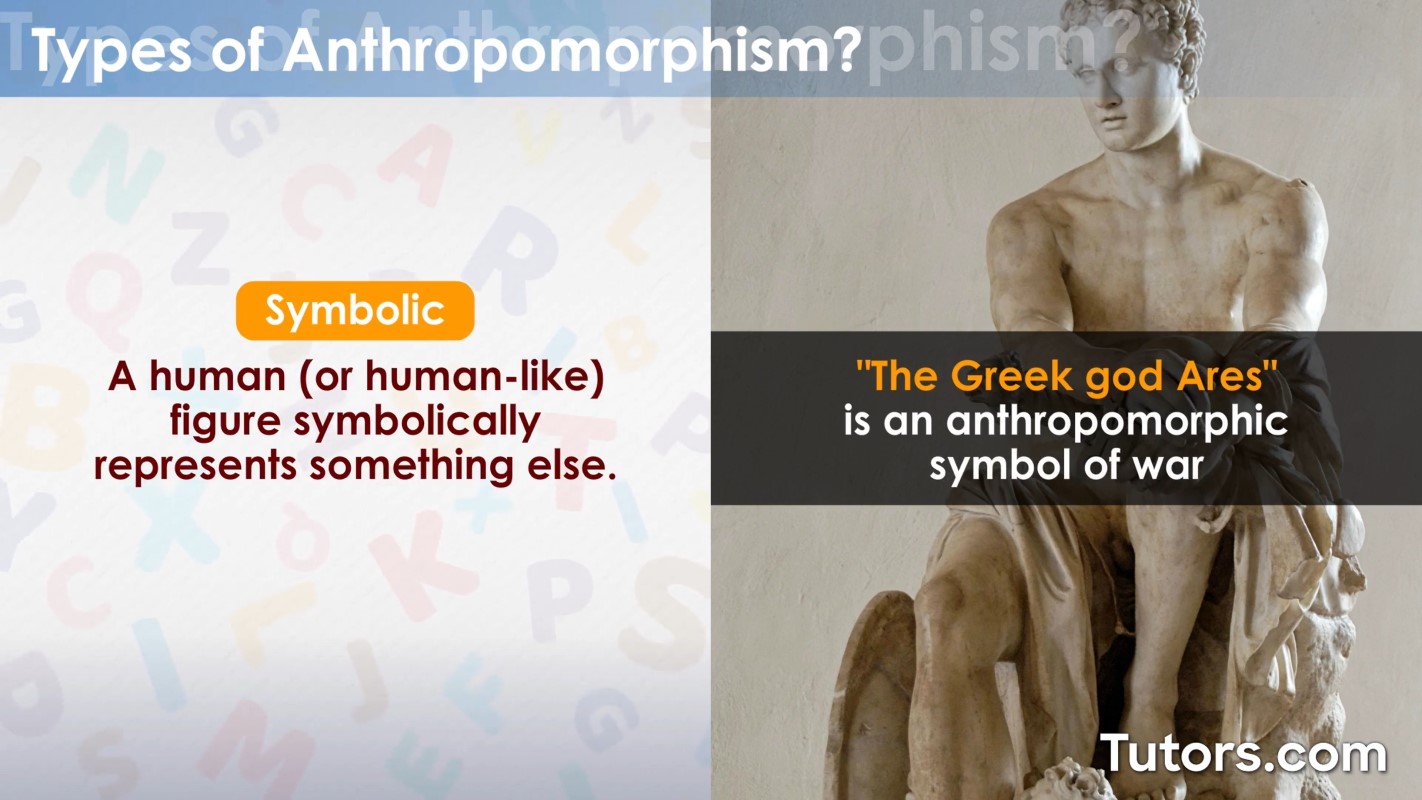
As digital technologies continuously evolve, the landscape of online learning is becoming increasingly sophisticated. Among the most intriguing developments is the integration of anthropomorphic elements—attributing human-like qualities to non-human entities—into educational platforms and content. This trend is reshaping how students engage with material, providing immersive, relatable, and emotionally resonant experiences. The future of anthropomorphism in online learning extends beyond simple avatars or chatbots; it promises a paradigm shift in educational methodologies, blending empathy, interactivity, and personalization like never before.
The Emergence of Humanized Digital Tutors
One of the most palpable manifestations of anthropomorphism in e-learning is the emergence of digital tutors endowed with human traits. These virtual instructors possess not only a human-like appearance but also simulated emotional intelligence. By employing nuanced facial expressions, adaptive tone modulation, and context-aware feedback, these tutors mimic empathy and responsiveness. Learners are no longer passive recipients of information; they interact with entities that seem to understand their frustrations, celebrate their successes, and tailor guidance accordingly. This evolution leads to a more engaging and motivating learning environment.
Interactive Storytelling Through Anthropomorphic Characters
Content creators are increasingly using anthropomorphic storytelling to transform abstract concepts into tangible narratives. Characters inspired by animals, objects, or even artificial intelligences are imbued with human motivations and dilemmas, making complex subjects accessible and memorable. For younger audiences, such as early elementary students, these stories serve as cognitive scaffolds, helping them anchor learning to familiar emotions and social situations. For adult learners, they can simplify intricate technical subjects, fostering emotional connection and retention. The unfolding of educational content via these compelling narrators introduces a new dimension of engagement that static text or traditional videos lack.
Personalized Learning Experiences Through Adaptive AI
Anthropomorphism plays a critical role in the personalization of online education fueled by sophisticated AI algorithms. Learning platforms increasingly embody AI agents that not only track user progress but also deploy human-like behaviors to suggest individualized learning paths. These agents simulate curiosity, encouragement, and even patience, responding dynamically to the learner’s pace, preferences, and emotional state. This humanized interaction reduces learner isolation—a common pitfall in digital education—and fosters a sense of companionship throughout the educational journey. As a result, students receive bespoke guidance that resonates on a profoundly personal level.
Augmented Reality and the Physicality of Anthropomorphic Learning Aids
With the advent of augmented and mixed reality, anthropomorphic learning aids are entering the spatial realm of students’ real-world environments. Virtual assistants and educational characters can manifest in three-dimensional spaces, interacting directly with learners. These entities exhibit gestures, body language, and vocal inflections that mirror human communication subtleties, introducing a tangible presence to digital education. This physicalization enhances comprehension and memory by engaging multiple senses simultaneously. Furthermore, it nurtures collaborative learning, as these digital personalities facilitate group activities, simulations, and problem-solving scenarios, making abstract concepts palpably real.
Ethical Considerations and Emotional Authenticity
While anthropomorphism heightens engagement, it also raises critical ethical questions about emotional authenticity and dependency. As digital agents emulate human empathy, learners may form attachments or attribute intentions that do not exist, potentially blurring the line between genuine human interaction and algorithmic mimicry. Future content will grapple with creating transparent, responsible anthropomorphic designs that support student well-being without fostering misplaced trust or overreliance. Balancing authentic emotional engagement with clear boundaries will become a pivotal aspect of content development, ensuring that these innovations empower rather than inadvertently mislead learners.
Diverse Modalities of Anthropomorphic Content Delivery
Looking ahead, learners can expect a spectrum of content modalities infused with anthropomorphism, ranging from text and static images to fully animated, voice-interactive agents. Educational resources will increasingly incorporate multisensory elements—visual, auditory, and kinesthetic—to provide holistic experiences. For instance, lesson plans designed for younger students might feature personalized animated guides that encourage exploration and curiosity, adapting their demeanor based on real-time reactions. Conversely, professional training modules could deploy realistic AI mentors that simulate workplace scenarios with nuanced interpersonal cues, preparing learners for real-world challenges with unprecedented fidelity.
Collaborative Learning Facilitated by Humanlike Virtual Entities
Anthropomorphic agents will also redefine how collaboration unfolds in virtual classrooms. These entities can serve as mediators, facilitators, or even fellow learners, embodying diverse personalities to stimulate discussion, critical thinking, and peer interaction. By mimicking social dynamics, anthropomorphic agents help bridge geographical and cultural divides, creating inclusive learning communities. They can detect and mediate conflicts, encourage quieter participants, and scaffold social problem-solving, ultimately humanizing the digital learning ecosystem. This social dimension is indispensable for developing communication skills and emotional intelligence in online settings.
The Role of Cultural Sensitivity in Anthropomorphic Design
As online learning transcends borders, anthropomorphic content must account for cultural nuances in human expression and symbolism. Gestures, facial expressions, and even storytelling archetypes carry specific cultural connotations that influence learner interpretation. Future content will emphasize culturally attuned anthropomorphic characteristics to ensure inclusivity and avoid miscommunication. This bespoke design approach enhances learner comfort and maximizes educational impact, fostering global accessibility. Developers will increasingly collaborate with cultural experts to craft anthropomorphic agents that resonate authentically with diverse learner populations.
Anticipating Technological Innovations and Their Impact
The trajectory of anthropomorphism in online learning is intertwined with breakthroughs in natural language processing, computer vision, and affective computing. Emerging technologies will enable digital personalities to discern subtle emotional cues, respond with spontaneity, and learn from interactions continually. These capabilities will enrich content, transforming static lessons into dynamic conversations and explorations. Learners will engage with interfaces that feel less like software and more like mentors or collaborators. This evolution heralds a future where anthropomorphism not only enhances educational content but also redefines the fundamental relationship between human and machine in learning.
In summation, the future of anthropomorphism in online learning promises a rich tapestry of humanized digital experiences, blending empathy, adaptability, and immersive storytelling. As the educational sphere embraces these advances, learners will encounter a diversity of content—from animated narratives to intelligent tutors—that transcends traditional boundaries. This ongoing metamorphosis will ultimately cultivate more engaging, personalized, and impactful learning journeys across all ages and disciplines.