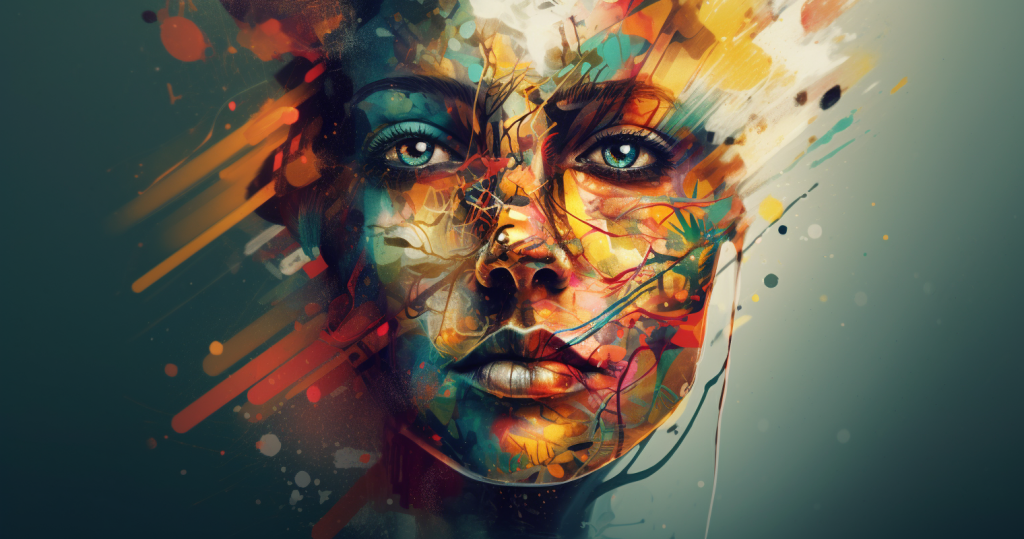
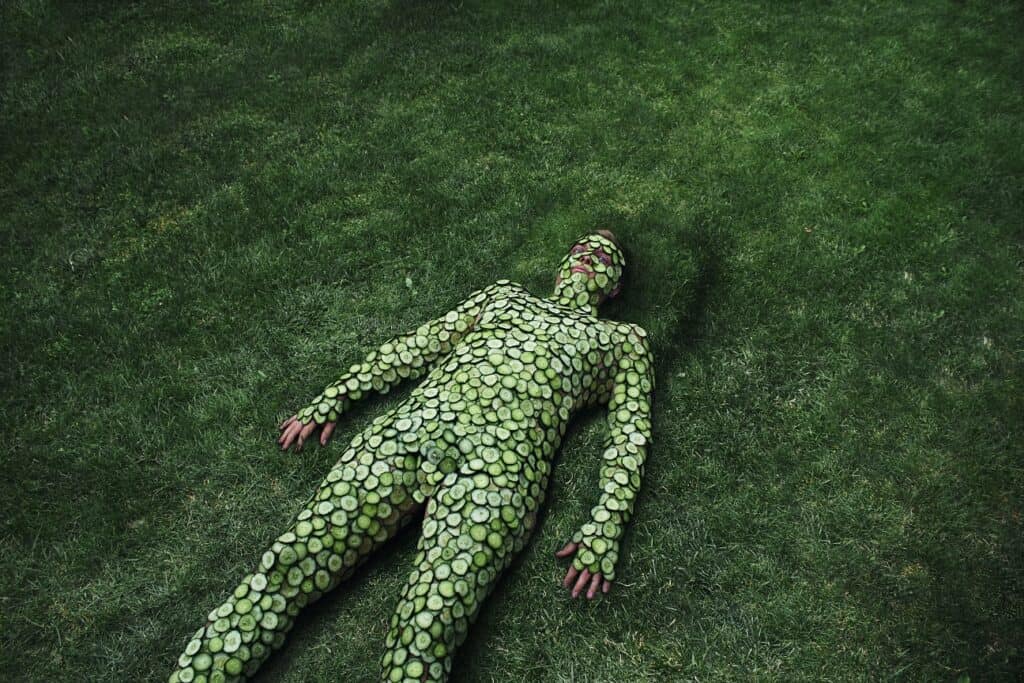
Anthropomorphism—the attribution of human characteristics to non-human entities—has long fascinated humanity. It offers a unique window into our innate desire to connect, understand, and relate to the world around us. While frequently associated with consumer marketing and entertainment, this phenomenon is making profound inroads into the realm of B2B sales. The future of anthropomorphism in this domain is not merely a superficial gimmick but a nuanced evolution driven by deeper psychological mechanisms and shifting commercial paradigms.
The Intrinsic Human Fascination with Anthropomorphism
At its core, anthropomorphism satisfies a fundamental human cognitive bias: the tendency to project familiar human traits onto unfamiliar or abstract agents. In the context of B2B interactions, where decision-making is often complex, prolonged, and data-driven, this inclination can mitigate the alienation often felt towards cold, procedural processes. Assigning human attributes—even subtly—to brands, sales technologies, or digital interfaces instills a subconscious sense of rapport and trust. This phenomenon transcends mere novelty; it is a manifestation of our psychological predisposition to seek emotional resonance, even in environments traditionally governed by logic and reason.
The Role of Anthropomorphism in Building Trust and Relational Capital
Trust is the cornerstone of any successful B2B relationship. Unlike B2C transactions, which can often rely on impulse or brand loyalty, B2B deals usually involve significant stakes and multi-layered negotiations. Anthropomorphic design elements—whether embodied in AI sales bots, personalized customer portals, or brand narratives—can serve as catalysts for trust-building. These elements humanize otherwise transactional interfaces, making interactions feel more dialogic and empathetic. The subtle cues embedded in anthropomorphic design foster relational capital, facilitating smoother communication and enhanced receptivity to complex propositions.
Bridging the Emotional-Functional Divide in B2B Sales
One of the longstanding challenges in B2B sales is bridging the emotional-functional divide. Procurement teams and corporate buyers are often perceived as pragmatic and data-centric, disconnected from the emotional appeals harnessed so effectively in consumer marketing. Yet, beneath the surface, these professionals remain human, motivated by trust, credibility, and confidence. Anthropomorphism acts as a bridge by embedding emotional valence into functional interactions—transforming routine sales communications into dynamic encounters charged with subtle empathy and personality. This fusion of affect and utility redefines the sales experience, making it simultaneously efficient and resonant.
Anthropomorphism and the Rise of AI-Driven Sales Tools
The proliferation of AI and machine learning technologies presents a fertile ground for anthropomorphism in B2B sales. Conversational AI, chatbots, and virtual assistants that exhibit human-like traits—such as tone modulation, contextual awareness, and responsive empathy—are reshaping how businesses engage with clients. These AI-driven tools not only streamline processes but also emulate interpersonal subtleties that make interactions feel authentic. As these technologies evolve, their ability to adapt and personalize engagements will propel anthropomorphism from mere aesthetic choice to operational imperative in B2B sales ecosystems.
Potential Pitfalls and Ethical Considerations
Despite its growing adoption, anthropomorphism in B2B sales is not devoid of challenges. There exists a thin line between fostering genuine connection and engendering inauthenticity. Overreliance on anthropomorphic cues risks overshadowing factual substance with superficial charm, potentially eroding credibility if stakeholders perceive manipulation. Moreover, ethical questions arise concerning transparency, especially when AI agents convincingly mimic human behaviors. Navigating these nuances requires judicious design principles that balance empathetic engagement with honesty and respect for the buyer’s intelligence.
Future Trajectories: Integrating Neuroscience and Behavioral Insights
Emerging research in neuroscience and behavioral economics augurs well for the refinement of anthropomorphic applications in B2B sales. By deciphering the neural correlates of trust, decision-making, and social cognition, businesses can sculpt interactions that resonate more profoundly with cognitive and emotional processes. Anticipated future innovations may harness biometric feedback, adaptive personalization, and even augmented reality to render sales engagements more immersive and intuitively human. This convergence promises to facilitate decisions rooted not only in data but also in a deeply felt sense of relational assurance.
Convergence with Storytelling and Brand Mythos
Anthropomorphism also enriches the narrative dimensions of B2B branding. Brands that personify values, missions, or even archetypal characters within their storytelling stand to differentiate themselves amidst commoditized markets. This mythopoetic approach evokes a deeper allegiance by weaving human struggles, aspirations, and triumphs into the corporate identity itself. For B2B buyers navigating labyrinthine choices, such storytelling constructs offer more than information—they provide meaning, context, and an invitation to partake in a shared journey.
Conclusion: Toward a More Human-Centric B2B Landscape
The future of anthropomorphism in B2B sales is poised to redefine how businesses connect, communicate, and collaborate. Moving beyond superficial embellishments, it taps into the profound human craving for relationship and understanding, even within high-stakes corporate transactions. As technological sophistication intertwines with psychological insight, anthropomorphism will become an essential pillar of effective sales strategies—transforming the B2B arena into a space that is not only efficient and innovative but inherently more human.