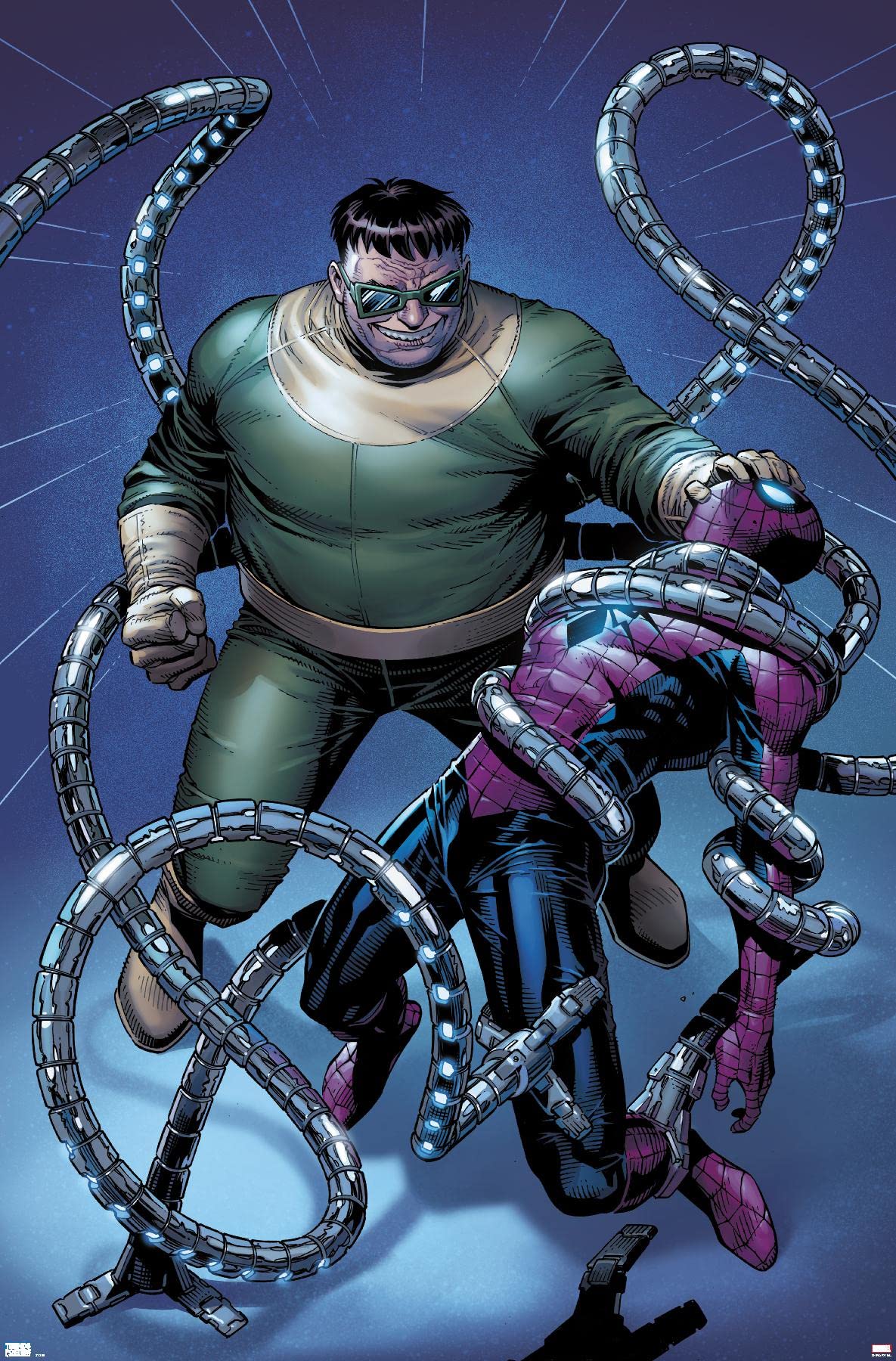
In the sprawling, neon-lit tapestry of comic book lore, where heroes often steal the spotlight, there exists a shadowy pantheon of villains who transcend mere antagonism. These are the anthropomorphic foes—beings who blur the line between human and beast, whose very essence challenges our perceptions of morality, power, and identity. They are not just threats to be vanquished; they are mirrors held up to society, reflecting our deepest fears and unspoken desires. From the cunning tricksters who dance on the edge of chaos to the tragic figures burdened by their own monstrous forms, these villains redefine what it means to be an enemy. Their stories are not just about defeat or triumph, but about transformation, redemption, and the unsettling realization that the line between hero and villain is often thinner than we dare to admit.
The Allure of the Beast: Why Anthropomorphic Villains Captivate Us
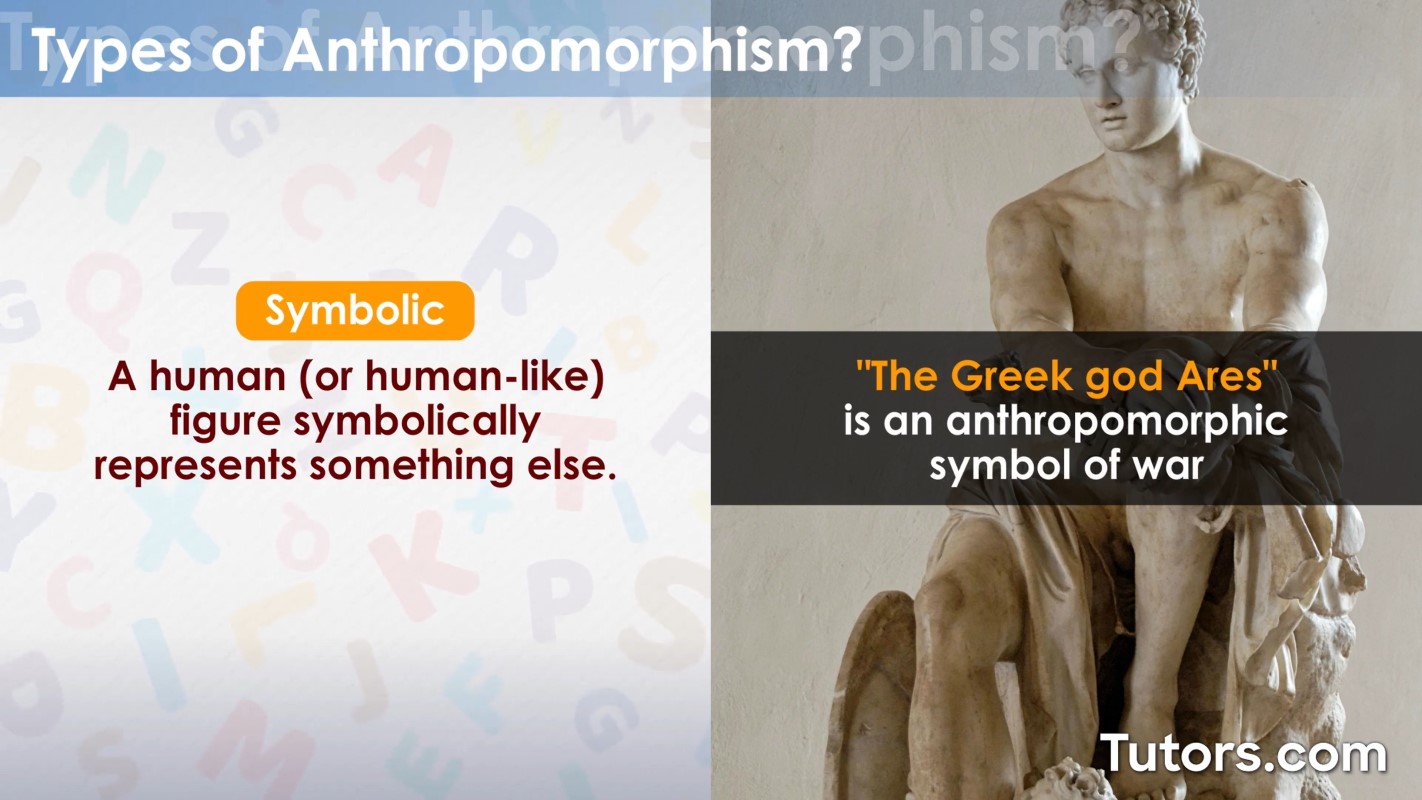
There is something inherently mesmerizing about a villain who walks the line between man and animal. Anthropomorphism—bestowing human traits upon non-human entities—grants these characters a visceral, almost primal energy that static human villains often lack. When a villain is half-man, half-beast, their very existence becomes a paradox: they are both familiar and alien, a reflection of our own duality. Consider the way a werewolf’s curse mirrors the struggle with inner demons, or how a fox’s cunning in folklore translates into a villain’s Machiavellian schemes. These characters tap into ancient archetypes, evoking the trickster gods of mythology or the beastly id that lurks within all of us. Their physical forms are not just costumes; they are manifestations of their souls, revealing truths about their characters that words alone could never convey.
Moreover, anthropomorphic villains often embody the consequences of unchecked power or hubris. A character like Mandark, with his reptilian features and cold intellect, isn’t just a rival to Dexter in *Dexter’s Laboratory*—he is a dark reflection of scientific obsession, a cautionary tale about the dangers of playing god. His exaggerated, almost cartoonish villainy makes him relatable in his extremity; we recognize the traits in ourselves that he magnifies to grotesque proportions. This exaggeration forces us to confront uncomfortable questions: What if our own ambitions, left unchecked, could twist us into something monstrous? The best anthropomorphic villains don’t just threaten the hero; they threaten the audience’s sense of self.
Tragedy Writ Large: The Villains Who Wear Their Hearts on Their Fur
Not all anthropomorphic villains are one-dimensional embodiments of evil. Some are tragic figures, their monstrous forms a curse they did not ask for, their villainy a desperate cry for understanding. Take, for instance, the character of Wolfgang Von Strucker in his more bestial iterations—a man whose body has been warped by experimentation, leaving him neither fully human nor fully animal. His story is one of betrayal and loss, a man who once fought for ideals before being reduced to a beast by those who feared his power. His villainy is not born of malice but of pain, a reminder that even the most monstrous acts can stem from a place of profound sorrow.
Then there are villains like Bane, whose physical transformation—whether through venom or mutation—strips away his humanity, leaving behind a brute whose intellect is both his greatest weapon and his greatest tragedy. His struggle is not just against Batman, but against the very essence of what he has become. These characters force us to ask: Can a villain be redeemed? Is their monstrosity a choice, or an inevitability? Their stories are cautionary tales, yes, but also tragedies in the classical sense—figures who, had fate been kinder, might have been heroes themselves.
The Tricksters and the Tyrants: A Spectrum of Anthropomorphic Evil
The world of anthropomorphic villains is not a monolith. It is a vast, shifting landscape where tricksters and tyrants, fools and fiends, all stake their claim. On one end of the spectrum, we find the tricksters—characters like the Riddler in his more animalistic incarnations, a man whose mind is as labyrinthine as a fox’s den. His villainy is cerebral, a game of wits where the stakes are nothing less than the hero’s sanity. Tricksters thrive on chaos, not just for its own sake, but because it exposes the fragility of order. They are the dark jesters of the comic book world, reminding us that even the most serious of heroes can be undone by a well-placed riddle or a misplaced step.
On the opposite end lie the tyrants—beings like Darkseid in his more bestial forms, a god whose very presence warps reality. His villainy is not born of trickery or tragedy, but of an insatiable hunger for power, a desire to reshape the universe in his image. Tyrants like Darkseid are not just threats to individuals; they are existential dangers, forces that seek to erase free will itself. Their anthropomorphic forms—often exaggerated, monstrous, and inhuman—serve as a visual shorthand for their godlike ambitions. They are the embodiment of tyranny, a reminder that the line between ruler and monster is often drawn in blood.
When the Villain Wears the Skin of the Hero: The Ultimate Betrayal
Perhaps the most unsettling anthropomorphic villains are those who once stood beside the hero, only to become their dark reflection. These are the fallen comrades, the betrayed allies, the ones who were once trusted but now wear their monstrosity as a badge of honor—or a mark of shame. Consider Venom, a creature born from the darkest impulses of humanity, a symbiote that amplifies the basest desires of its host. Eddie Brock’s transformation into Venom is not just a physical evolution; it is a psychological unraveling, a descent into the id where morality is a luxury the hero can no longer afford. Venom’s villainy is a mirror held up to the hero’s own repressed darkness, a reminder that even the purest of souls can be tempted by the shadows within.
Then there are characters like Catwoman in her more feral incarnations, a thief who walks the line between ally and adversary. Her villainy is not born of malice, but of a restless spirit that refuses to be caged. She is a shape-shifter in every sense of the word, her moral ambiguity as much a part of her as her claws and fangs. These villains challenge the very notion of heroism, forcing us to question whether the line between good and evil is as clear as we’d like to believe. Their stories are not just about conflict; they are about the fluidity of identity, the way even the most steadfast of heroes can be undone by a single moment of weakness.
The Legacy of the Beast: How These Villains Shape the Comic Book Landscape
The influence of anthropomorphic villains extends far beyond their individual stories. They have shaped the very language of comic book storytelling, introducing tropes and themes that continue to resonate today. The idea of the “tragic monster,” for instance, has become a staple of modern comics, a way to humanize even the most monstrous of antagonists. Villains like Sabretooth or Apocalypse are no longer just one-dimensional brutes; they are complex figures whose villainy is rooted in pain, loss, or a twisted sense of purpose. This evolution reflects a broader shift in storytelling, where nuance and depth are prized over simplistic morality.
Moreover, anthropomorphic villains have become a lens through which we examine societal issues. Characters like Poison Ivy—with her plant-based powers and eco-terrorist leanings—challenge our relationship with nature and the consequences of unchecked industrialization. Her villainy is not just about crime; it is about a radical environmentalism that borders on the fanatical. Similarly, villains like the Joker in his more bestial forms (such as his “Hyenas” persona) explore the nature of madness and the fragility of the human psyche. These characters force us to confront uncomfortable truths about our world, using the exaggerated lens of fiction to highlight real-world issues.
The Future of the Beast: What Lies Ahead for Anthropomorphic Villains
As comic book storytelling continues to evolve, so too will the role of anthropomorphic villains. We are already seeing a shift toward more diverse and complex representations, with villains who defy traditional categorization. Characters like Mystique, with her shapeshifting abilities, blur the line between hero and villain in ways that were once unthinkable. Her fluid identity challenges our notions of loyalty and betrayal, forcing us to question whether a villain can ever truly be defined by a single label.
Looking ahead, we can expect to see even more innovative takes on anthropomorphic villainy. With the rise of digital comics and interactive storytelling, villains may become more dynamic, their forms and motivations shifting in response to reader choices. Imagine a villain whose appearance changes based on the audience’s moral alignment, or a story where the line between hero and villain is determined by the reader’s own biases. The possibilities are as limitless as the imagination, and the best anthropomorphic villains will continue to push the boundaries of what it means to be an enemy.
One thing is certain: the allure of the beast is not fading. If anything, it is growing stronger, a testament to the enduring power of storytelling to explore the darkest corners of the human (and non-human) experience. These villains are more than just antagonists; they are mirrors, teachers, and warnings. They challenge us to look beyond the surface, to question our own assumptions, and to embrace the complexity of the world around us. In a medium often defined by clear-cut heroes and villains, they remind us that the most compelling stories are those that refuse to be so easily categorized.