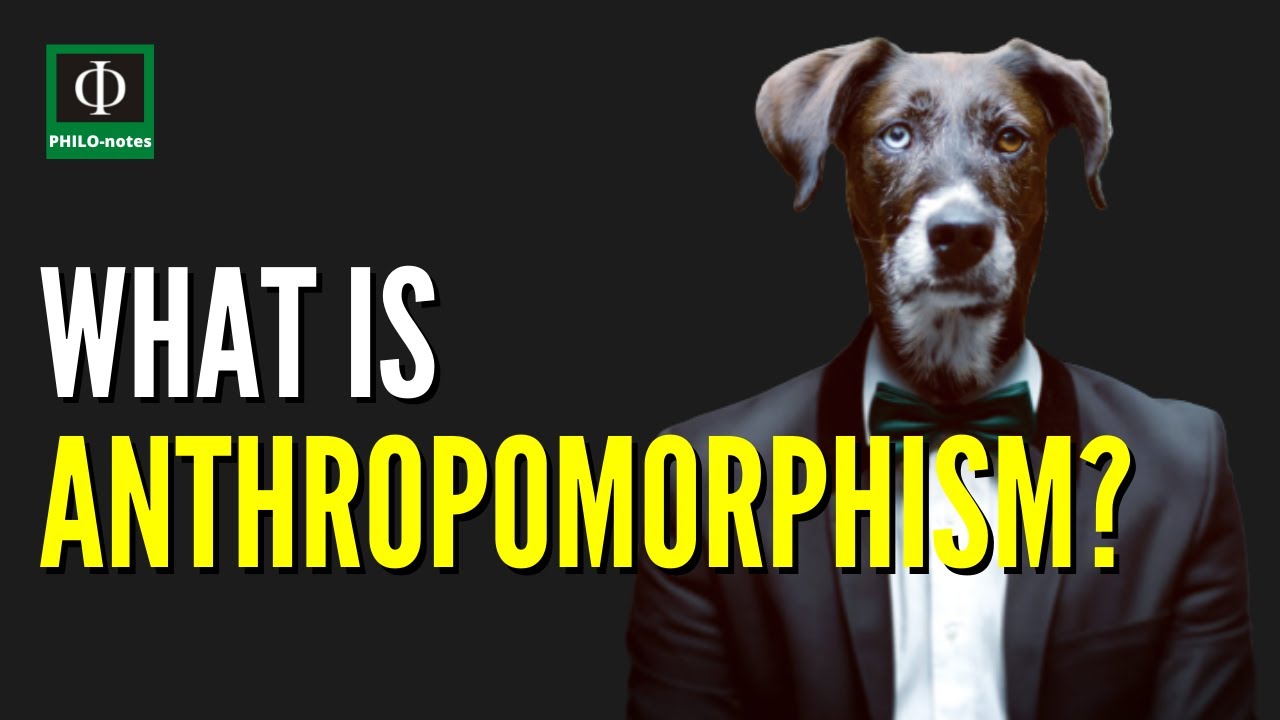
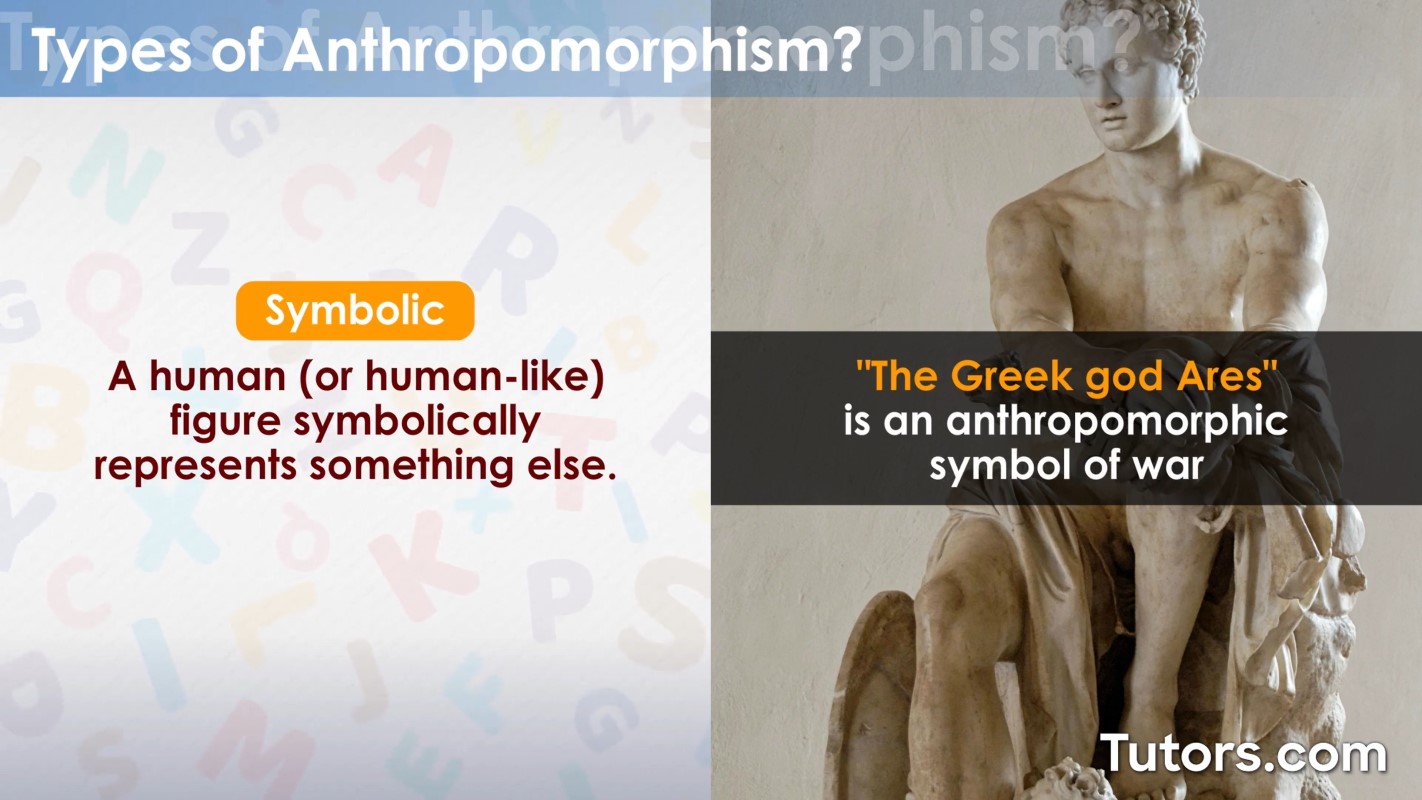
Anthropomorphism—the attribution of human traits, emotions, or intentions to non-human entities—has long been a conduit through which cultures express their deepest values and worldviews. Myths enriched with anthropomorphic characters are not merely fanciful tales; they serve as profound mirrors reflecting societal norms, ethical frameworks, and collective aspirations. By delving into the interplay between anthropomorphism and myth, one uncovers a dynamic narrative that challenges conventional interpretations and invites a transformative understanding of how cultures articulate their identity and moral compass.
The Embodiment of Moral Archetypes
In many mythologies, animals, gods, or spirits endowed with human characteristics become vessels for moral instruction. Anthropomorphism allows abstract virtues and vices to manifest tangibly, shaping communal ethics in a form both relatable and symbolic. For example, the cunning fox or the noble lion often transcends species-specific behavior to reflect societal ideals such as wisdom, bravery, or deceit. These personifications create universal archetypes through which communities can internalize complex ethical paradigms. Thus, myths populated with anthropomorphic figures function as ethical laboratories where cultural values are dramatized and taught.
Interweaving Human Experience with the Natural World
Anthropomorphism in myths often blurs the boundaries between humanity and nature, revealing an intrinsic cultural reverence or apprehension toward the world beyond human dominion. Ascribing human emotions and thoughts to animals or natural phenomena offers a narrative bridge that fosters empathy and interconnectedness. This narrative device encapsulates the tension between human agency and the environment, emphasizing themes such as stewardship, respect, or dominion. Cultures employing such motifs underscore their cosmological positioning—where humans might see themselves as caretakers, equals, or challengers of the natural order—thereby embedding ecological wisdom within storytelling traditions.
Reflecting Societal Hierarchies and Power Dynamics
Through anthropomorphic depictions, myths often encode the structure of social hierarchies and political orders. The portrayal of gods or creatures with human emotions, ambitions, and flaws mirrors the complexities of leadership and governance intrinsic to the culture. Divine beings depicted with human foibles—jealousy, pride, benevolence—serve to illustrate the precariousness of power and the responsibilities that accompany it. These narratives subtly reinforce or critique prevailing social stratifications, inviting audiences to contemplate the virtues and pitfalls of authority. Hence, anthropomorphized myths operate as reflective texts that reveal how societies perceive legitimacy and control.
Preserving Collective Memory and Identity Through Personification
Myths rich in anthropomorphic imagery act as custodians of collective memory, immortalizing foundational events and cultural milestones through vivid narratives. By humanizing non-human forces, myths engender emotional resonance, ensuring that traditions endure beyond mere historical record. This process transforms intangible cultural heritage into living stories that reaffirm identity and continuity. When a culture animates rivers, mountains, or celestial bodies with human qualities, it not only conveys reverence but also constructs a shared narrative framework that unites generations. The act of anthropomorphism thereby becomes integral to cultural cohesion and self-understanding.
Transcending Temporal and Cultural Boundaries
While deeply rooted in particular cultural milieus, anthropomorphic myths often display a remarkable universality, echoing shared human concerns across disparate societies. Their archetypal characters and themes resonate beyond their origin, reflecting common psychological and existential experiences. This transcultural permeability challenges the notion of myths as isolated constructs, presenting them instead as dynamic systems of meaning that evolve and adapt. Anthropomorphism facilitates this adaptability by offering familiar human characteristics that audiences from diverse backgrounds can relate to. In doing so, myths become conduits for intercultural dialogue and mutual comprehension.
Invoking Curiosity Through Enigmatic Ambiguity
The captivating power of anthropomorphic myths lies in their inherent ambiguity, inviting continuous reinterpretation and curiosity. Characters that embody paradoxical traits—both human and otherworldly—provoke questions about the nature of existence, morality, and the cosmos. This enigmatic quality instigates introspection and debate, challenging audiences to reconsider simplistic binaries. By walking the liminal space between humanity and the non-human, these myths unsettle conventional worldviews and foster imaginative exploration. As a result, anthropomorphism acts not only as a storytelling tool but as an intellectual catalyst, broadening the horizons of cultural consciousness.