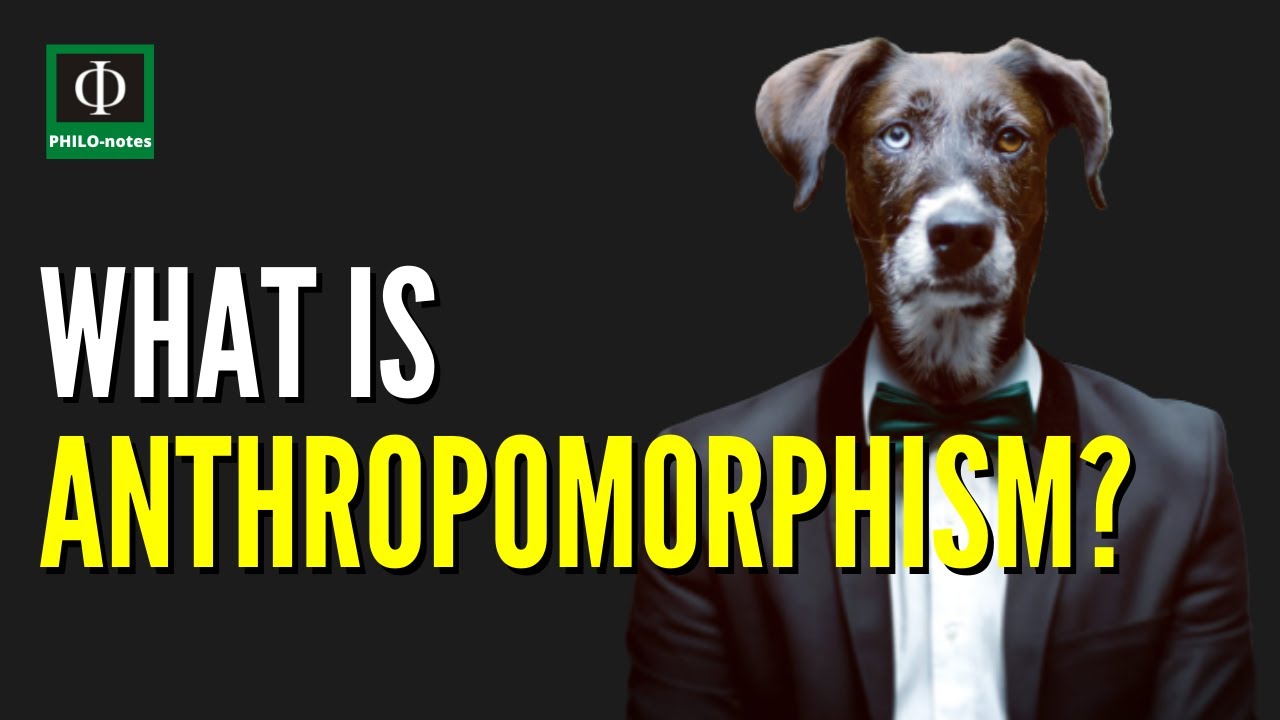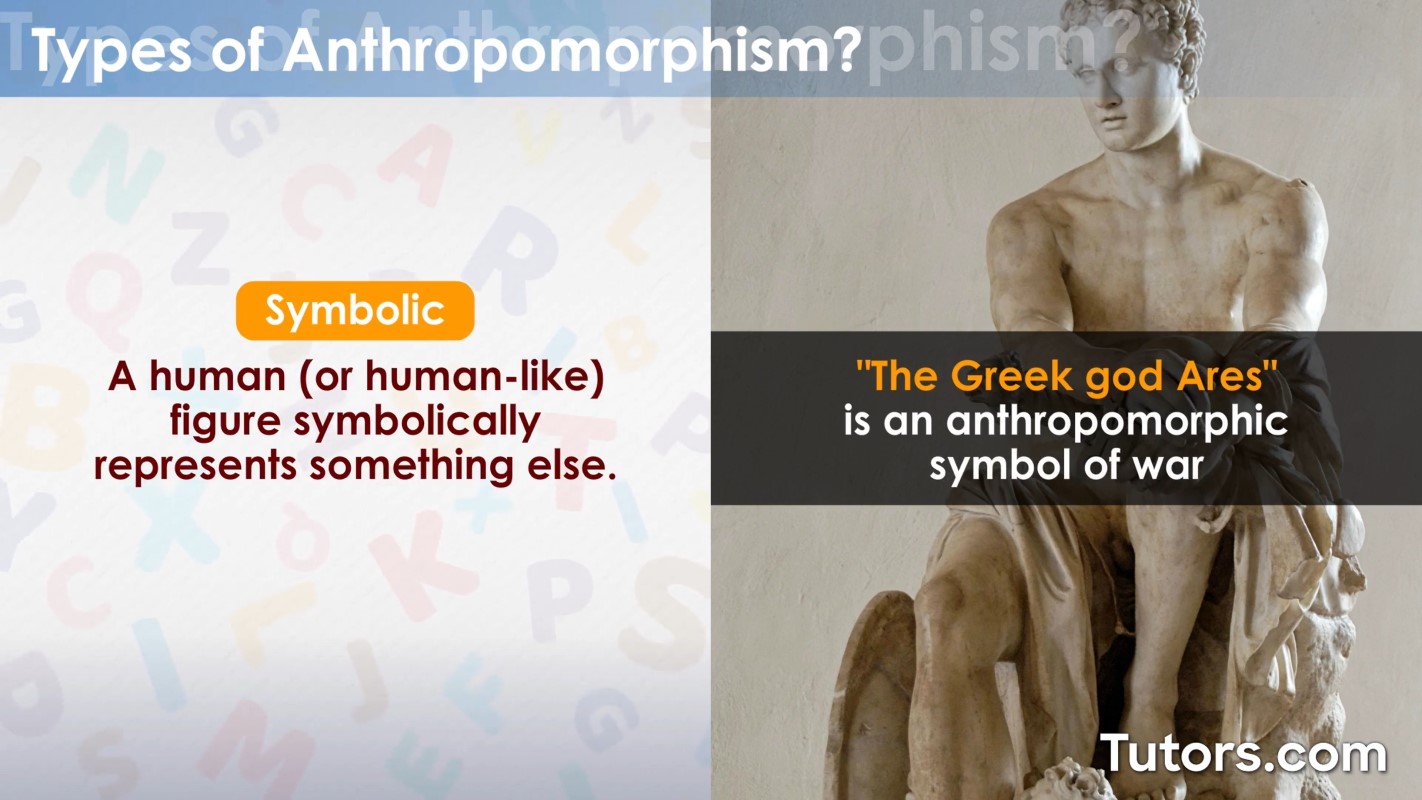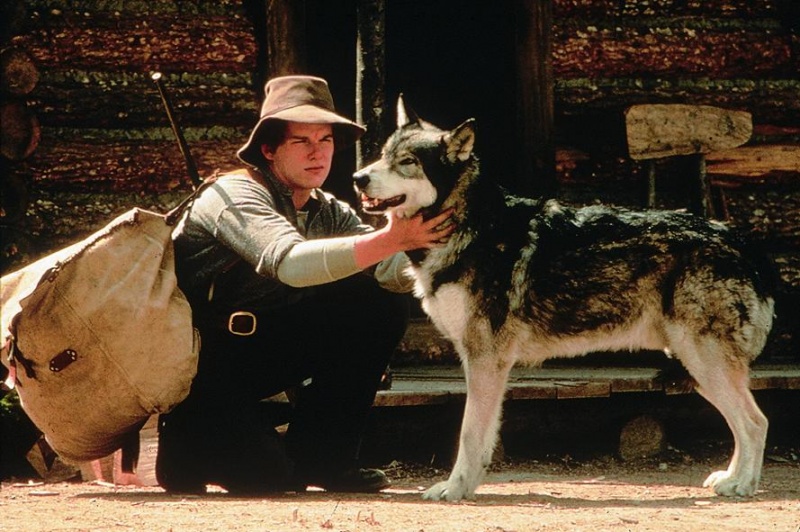
Have you ever caught yourself attributing human emotions to a squirrel darting across your backyard or feeling as though a majestic eagle is looking right through your soul? This whimsical inclination to perceive animals through a distinctly human lens—known as anthropomorphism—might seem harmless or even endearing. Yet, beneath its playful surface lurks a complex dynamic that profoundly influences wildlife conservation efforts. Could this charming human quirk, which bridges our connection to the natural world, also harbor unintended consequences that challenge how we protect and manage wildlife? Exploring this paradox reveals nuanced tensions and unexpected opportunities within the realm of conservation.
The Allure of Anthropomorphism: Bridging Emotional Connections with Wildlife
One of the most evident impacts of anthropomorphism in conservation is its power to evoke empathy. When animals are portrayed with human traits—expressing emotions like joy, fear, or sorrow—people tend to form stronger bonds and show heightened concern for their welfare. This empathetic engagement can galvanize public support for conservation initiatives and boost funding for endangered species programs. After all, it’s easier to care for “Charlie the charming otter” than for an anonymous member of a vulnerable species. Such narratives often harness anthropomorphism as a persuasive tool to foster stewardship and inspire advocacy.
However, this affective connection is a double-edged sword. When conservation messaging hinges on emotive storytelling rooted in humanized animal characters, it may oversimplify complex ecological realities. The subtle intricacies of animal behavior and habitat interdependencies risk being overshadowed by sentimentalized portrayals. While empathy acts as a catalyst for engagement, it can sometimes foster an anthropocentric worldview, where animals are valued primarily for how relatable or entertaining they appear to humans, rather than their ecological significance.
Misinterpretation of Animal Behavior: When Human Traits Cloud Scientific Understanding
Anthropomorphism can blur the lines between objective observation and subjective interpretation. Wildlife researchers and conservationists strive for scientific accuracy in understanding species-specific behavior, yet the human impulse to project feelings and motivations often intrudes. When animals are perceived as having human-like intentions or moral characteristics, it skews the interpretation of their actions. For example, a predator’s lethality might be misread as malice, or a solitary animal’s preference for solitude might be mistaken for loneliness, urging misguided interventions.
This misinterpretation poses practical challenges. Conservation strategies built on flawed assumptions may lead to ineffective or even detrimental management practices. Allocating resources to “rescue” animals perceived as suffering—often due to anthropomorphic projections rather than biological needs—can divert attention from more pressing conservation priorities. Such well-meaning but misguided efforts highlight the tension between emotional responses and empirical rigor in wildlife protection.
Anthropomorphism’s Role in Shaping Conservation Policies and Public Perception
Public perception significantly influences conservation policy, and anthropomorphism plays a subtle but potent role in shaping these attitudes. Species that are easily anthropomorphized, like charismatic mammals or birds displaying human-like expressions, frequently receive disproportionate attention and funding. This fat-tailed distribution of empathy creates what some call the “cute and cuddly” bias: admiration and protection are funneled toward animals deemed relatable or aesthetically pleasing, while less charismatic species struggle for recognition.
For policymakers, this disparity presents a conundrum. Balancing ecological priorities alongside public sentiment demands nuanced communication and strategy. Conservation programs may be compelled to spotlight species with anthropomorphic appeal to secure funding, potentially at the expense of ecosystem-wide preservation. Consequently, whole habitats and lesser-known organisms—which often constitute the backbone of biodiversity—may be overshadowed, compromising the holistic health of ecosystems.
The Ethical Implications: Navigating Between Compassion and Biological Reality
Anthropomorphism raises profound ethical questions about the nature of our relationship with wildlife. When animals are endowed with human-like consciousness or morality, it challenges traditional frameworks for their treatment and conservation. This humanization can enhance compassion and ethical consideration, encouraging more humane conservation methods that prioritize animal welfare alongside ecological outcomes.
Conversely, attributing human ethics to wildlife risks imposing inappropriate moral standards onto animals, whose behaviors are governed by evolutionary imperatives rather than human notions of right and wrong. This ideological tension complicates decision-making, particularly in contentious issues like wildlife management, culling invasive species, or habitat modification. Navigating these ethical intricacies demands a delicate balance—embracing empathy without sacrificing ecological integrity or scientific objectivity.
Leveraging Anthropomorphism for Conservation Education and Advocacy
Despite its pitfalls, anthropomorphism remains a powerful educational conduit. When harnessed consciously, it becomes an effective vehicle for raising awareness and inspiring conservation action. Storytelling that weaves human-like narratives around animals can ignite curiosity and foster a sense of interconnectedness between humans and the natural world.
Conservation campaigns often deploy anthropomorphic imagery and narratives to reach broad audiences, making complex environmental issues accessible and emotionally resonant. Animated films, illustrated books, and digital media frequently anthropomorphize wildlife, nurturing empathy among younger generations who may become tomorrow’s advocates. When combined with factual education, this approach can create a fertile ground for sustained conservation support grounded in both heart and mind.
Conclusion: Embracing Complexity in the Human-Wildlife Relationship
Anthropomorphism is more than a benign quirk or a simple storytelling device; it is an intricate force that shapes conservation practice and public engagement in multifaceted ways. Its influence oscillates between fostering compassion and complicating scientific clarity, empowering advocacy while risking ecological oversights. The challenge lies not in rejecting anthropomorphism outright but in cultivating an informed, reflective approach that harnesses its strengths and mitigates its weaknesses.
By acknowledging the playful undercurrents of anthropomorphism and its potential to both illuminate and obfuscate, conservationists can navigate this complex terrain more adeptly. This balancing act invites us to deepen our understanding of wildlife in its own right—appreciating animals not merely as stand-ins for ourselves but as integral components of a vibrant, interconnected biosphere. In doing so, we may unlock more effective and ethically grounded strategies to safeguard the natural world for generations to come.