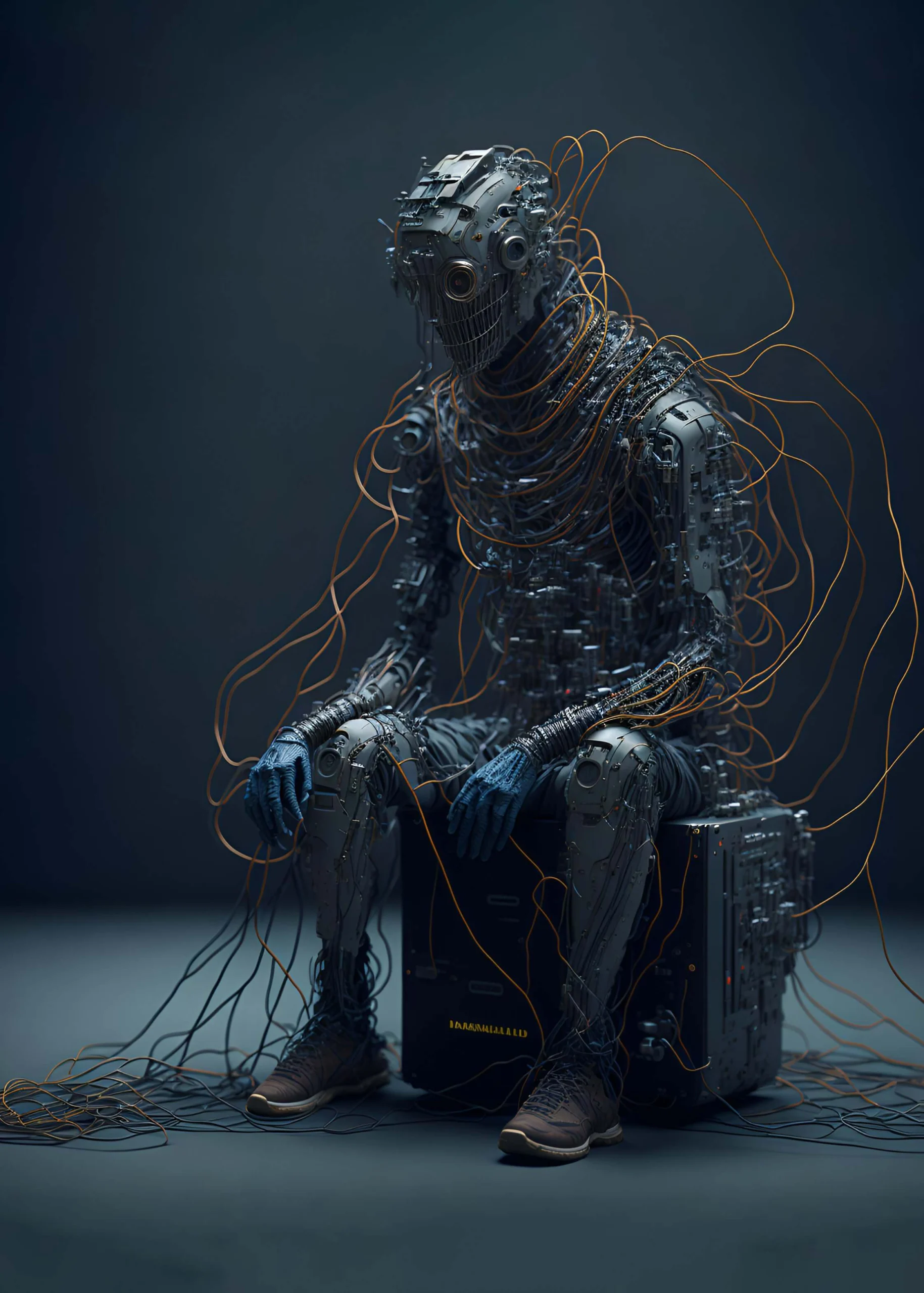
In the intricate tapestry of the human mind, the threads of perception and cognition weave together in enigmatic patterns. Among these, the phenomenon of anthropomorphism serves as a luminous thread—an uncanny ability to assign human characteristics to non-human entities. This tendency, deeply embedded within our psyche, orchestrates a subtle yet profound influence on brain plasticity—the remarkable capacity of the brain to rewire, adapt, and rejuvenate itself. This intricate case study delves into how anthropomorphism molds neural pathways and reshapes cognitive terrain, revealing an extraordinary symbiosis between human imagination and cerebral adaptability.
The Essence of Anthropomorphism: More Than a Cognitive Quirk
At first glance, anthropomorphism might appear as a whimsical attribution of human qualities to animals, machines, or abstract concepts. Yet beneath this superficial impression lies a potent cognitive strategy. It represents a mental scaffold—an imaginative bridge that connects unfamiliar phenomena to the intimate realm of human experience. This mechanism, cloaked in metaphor, is not merely a naive error; it is a sophisticated heuristic that enriches empathy and understanding, thereby enhancing social cognition and emotional resonance.
When perceiving a complex system, like a machine or an animal, anthropomorphism harnesses the brain’s innate predilection for patterns and narratives. This induces an active reconfiguration of neural networks, priming the brain to forge novel associative links. Through such figurative cognition, the brain leverages familiar human behaviors as templates, enriching interpretative frameworks and opening avenues for dynamic learning and adaptation.
Brain Plasticity: The Fluid Canvas of Neural Adaptation
Brain plasticity, or neuroplasticity, embodies the brain’s extraordinary dexterity—its ability to sculpt itself in response to experience, environment, and learning. This is not a passive process but a vigorous interplay of synaptic pruning, dendritic growth, and neural rewiring. Plasticity thrives on novelty and emotional engagement, often catalyzed by imaginative and meaningful stimuli. Anthropomorphism, by imbuing the non-human with familiar traits and emotions, acts as a potent stimulus in this continuous cognitive dance.
Like adaptive clay, the brain shifts its configuration to accommodate new schemas. The integration of anthropomorphic concepts requires the recruitment of diverse cortical areas—those responsible for theory of mind, emotional processing, and associative memory. This cross-regional neural dialogue fosters a layered plastic response, one that facilitates both higher-order cognition and affective attunement.
The Metaphorical Alchemy: How Anthropomorphism Fuels Neural Remodeling
Imagine anthropomorphism as a mental loom, weaving human-like narratives into the fabric of abstract perceptions. This imaginative process sparks neural alchemy, where metaphorical reasoning transfigures the brain’s approach to information. It invites the brain to not only recognize patterns but to embed emotional valence and social meaning into them—qualities crucial for enduring learning and plastic change.
Within this alchemy, mirror neuron systems play a pivotal role. When attributing intentions or feelings to an object or being, these neurons activate simulations akin to real social interactions. Such engagement stirs synaptic activity, reinforcing neural pathways that undergird empathy and perspective-taking. Consequently, anthropomorphism cultivates a fertile neural environment conducive to plasticity, especially in areas related to social cognition and emotional regulation.
Case Insights: Anthropomorphism’s Impact on Elderly Brain Plasticity
The elderly brain, long considered a fortress of rigidity, has revealed surprising malleability when exposed to anthropomorphic stimuli. Studies focusing on elderly engagement with anthropomorphized objects or virtual companions demonstrate notable improvements in cognitive flexibility and emotional well-being. The personalized narratives evoked by anthropomorphism invigorate neural circuits that might otherwise wane with age.
For instance, interactions with robotic pets or caregiving devices personified with human traits stimulate social brain networks. This stimulation rivals that seen in human-to-human exchanges, fostering neurogenesis and synaptic repair. The metaphorical resonance of these anthropomorphic engagements bridges the gulf of social isolation, underscoring how narrative and emotion coalesce to serve neuroplastic renewal.
Anthropomorphism as a Cognitive Catalyst in Neurorehabilitation
Harnessing anthropomorphism in therapeutic contexts reveals untapped potential for neurorehabilitation. Patients recovering from neural injury or degenerative conditions often encounter cognitive monotony and emotional desolation. Infusing rehabilitation tools with anthropomorphic characteristics — for example, robotic aids with expressive faces or conversational abilities — reawakens engagement and neuroplastic mechanisms.
This narrative-driven approach acts as a cognitive catalyst, transforming sterile clinical exercises into interactive dialogues that stimulate motivation and memory networks. The emotional rapport engendered promotes dopamine release, which further amplifies plastic remodeling. Thus, anthropomorphism transcends mere novelty; it becomes a therapeutic conduit that bridges mind, emotion, and brain repair.
Implications and Future Directions: The Uncharted Nexus of Mind and Metaphor
Understanding how anthropomorphism shapes brain plasticity opens a compelling frontier in cognitive science and neurology. This nexus reveals that the human brain thrives not only on empirical data but also on enriched narrative and emotive frameworks. By weaving human qualities into the non-human, the brain expands its plastic potential, embracing a kaleidoscope of adaptive possibilities.
Future research may unravel the nuanced neurobiological pathways linking metaphorical cognition and synaptic remodeling. Such insights could inspire innovative educational methods, immersive technologies, and personalized therapies designed to harness this potent synergy. In essence, anthropomorphism is not merely a quaint psychological artifact; it is a profound force sculpting the dynamic architecture of the mind.
Conclusion: The Transformative Power of Seeing Humanity in the Non-Human
Anthropomorphism, far from being a simplistic projection, serves as a prism through which the brain refracts experience into richer, more intelligible hues. Its interlacing with brain plasticity illustrates a captivating phenomenon: that the mind’s imaginative reach alters the very substrate of cognition. This enduring interplay reaffirms a fundamental truth—our cognitive evolution is inseparable from the stories we tell, the emotions we evoke, and the human essence we find in the world around us.