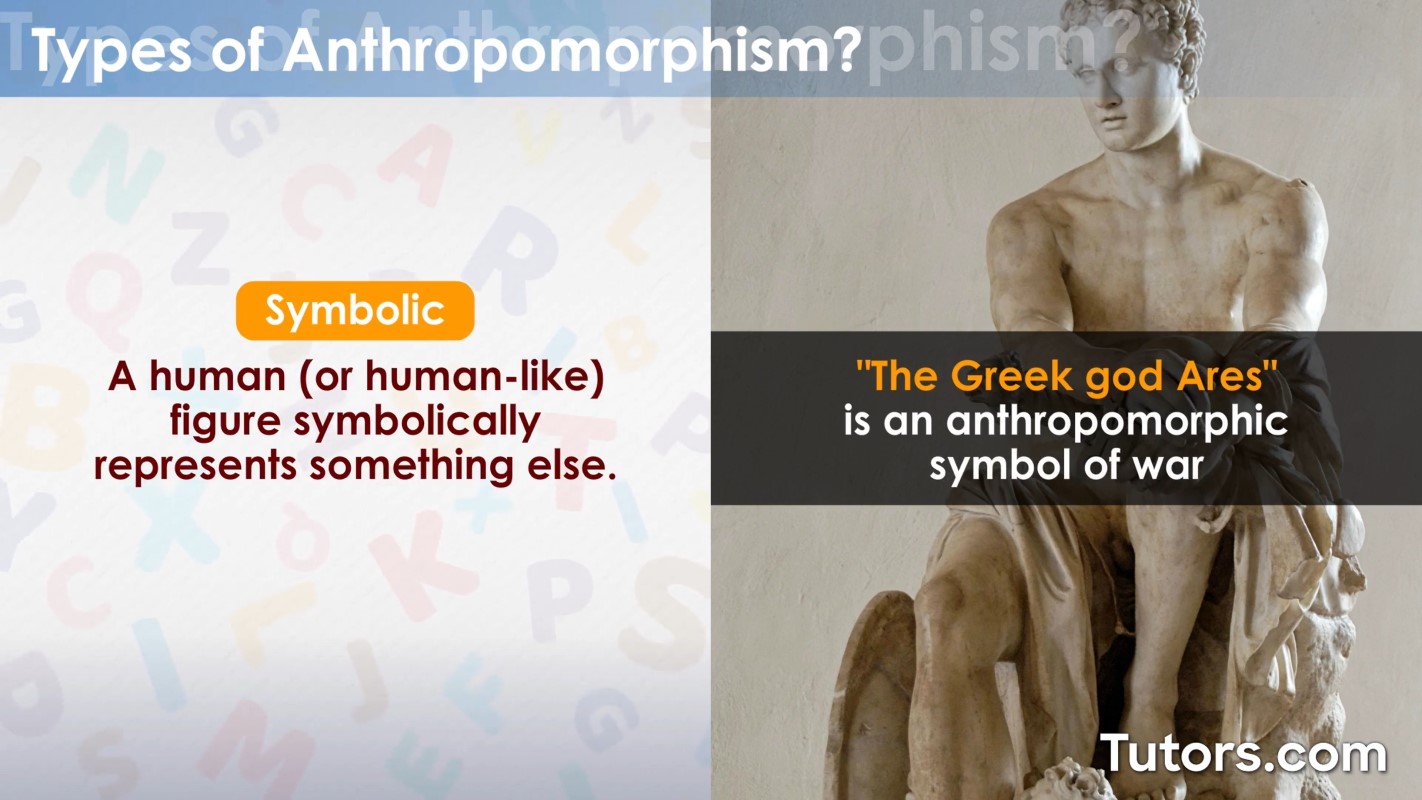
Can giving your emails a personality really make recipients click open more often? Anthropomorphism—the attribution of human traits, emotions, or intentions to non-human entities—has long been a fascinating psychological tool in storytelling and branding. But when it comes to the humble email in a crowded inbox, could this playful strategy be the secret ingredient to higher open rates, or is it a perilous gamble that risks confusing or alienating readers?
The Psychology Behind Anthropomorphism in Marketing
Human beings have an inherent tendency to personify objects and ideas, imbuing them with familiar human characteristics. This cognitive bias helps simplify complex information and fosters emotional connections. In marketing, anthropomorphism can serve as a conduit for trust and relatability—key elements that nurture consumer engagement.
In the context of email marketing, this means transforming an otherwise sterile message into a communicative entity that ‘speaks’ with warmth, wit, or empathy. When an email feels more like a conversation with an acquaintance than a faceless broadcast, recipients may feel compelled to respond. However, this technique is not merely about slapping a friendly tone onto the subject line or body text; it requires nuanced execution to avoid appearing insincere or gimmicky.
Anthropomorphic Subject Lines: First Impressions That Speak Volumes
The subject line is the gatekeeper to any email’s success, and inject anthropomorphic qualities can impart a sense of personality and urgency. Imagine subject lines that seem to ‘whisper’ promises or ‘beckon’ action—phrases that implicitly suggest the email possesses intentions or emotions. This subtle personification can make messages stand out amidst standardized corporate jargon and saturate inboxes.
For example, a subject line like “Your inbox just got a little friendlier” conveys warmth and invites curiosity, creating an anticipation that the content inside will be engaging or helpful. It leverages familiarity and comfort, transforming the email from a cold, transactional encounter into a small human connection. This psychological cue primes recipients to open the message, boosting open rates through perceived relevancy and approachability.
Challenges and Pitfalls of Anthropomorphism in Emails
Despite its potential benefits, anthropomorphism in email marketing carries inherent risks. One major challenge lies in maintaining authenticity. Overly contrived or unnatural personification may backfire, prompting recipients to perceive the brand as insincere or patronizing. This can erode trust, the very foundation upon which open rates hinge.
Moreover, cultural and demographic differences influence how recipients interpret anthropomorphic elements. What feels playful and charming to some may seem confusing or inappropriate to others. Striking the right tone requires a keen understanding of the target audience’s sensibilities. Missteps can lead not just to lower open rates but also to unsubscribes or negative brand impressions.
Integrating Anthropomorphism with Brand Voice and Identity
Effective anthropomorphism is not an isolated tactic; it must harmonize with the brand’s overarching voice and ethos. A playful, personable brand might seamlessly weave anthropomorphic cues into its emails, enriching its storytelling and deepening customer rapport. Conversely, brands with a more formal or technical persona risk appearing inconsistent if they incorporate overly casual or whimsical personification.
Consistency fosters trust. When anthropomorphic elements align with overall messaging strategies, they enhance a brand’s distinctiveness and memorability. The email becomes an extension of the brand’s character—a virtual envoy imbued with recognizable human traits that echo the company’s values and promise. This alignment can elevate open rates by creating a coherent, immersive experience for recipients.
Leveraging Visual Anthropomorphism to Enhance Engagement
Words alone are not the only medium through which anthropomorphism can be conveyed. Visual cues, including illustrations, emojis, and animated avatars, can personify the message and create appealing emotional resonance. For example, a charming mascot or a smiling icon can effectively soften the commercial nature of the email content, making the interaction feel more personalized.
However, balance is key. Overuse of visual personification can clutter the message and distract from calls to action. Strategic, subtle integrations not only maintain professional aesthetics but also amplify the likability factor. When both textual and visual elements echo anthropomorphic themes, they compound the memorability and appeal of the email, nudging recipients toward engagement.
Measuring the Impact: Does Anthropomorphism Actually Increase Open Rates?
Ultimately, the question remains: does embedding human-like traits in emails genuinely translate to higher open rates? Empirical evidence suggests that when done thoughtfully, anthropomorphic subject lines and content can enhance open rate metrics by tapping into emotional triggers and curiosity. Yet, results vary widely based on industry, audience demographics, and execution finesse.
Testing is indispensable. A/B testing subject lines with and without anthropomorphic elements can reveal nuanced insights into recipient preferences. Continual refinement ensures the approach evolves in tandem with shifting consumer behaviors and market trends, optimizing the delicate balance between approachability and professionalism.
Conclusion: To Anthropomorphize or Not to Anthropomorphize?
Anthropomorphism in email marketing offers a tantalizing prospect: transforming transactional emails into engaging, human-like conversations that resonate on a deeper level. When wielded judiciously, this strategy can elevate brand affinity and entice recipients to open messages that might otherwise remain unopened.
Yet, the path is riddled with traps—overused or misplaced personification risks undermining authenticity and confusing audiences. Success depends on a strategic blend of psychological insight, brand coherence, and creative finesse. In the relentless pursuit of inbox attention, anthropomorphism stands as a potent tool—but one that demands careful calibration to truly unlock its power.