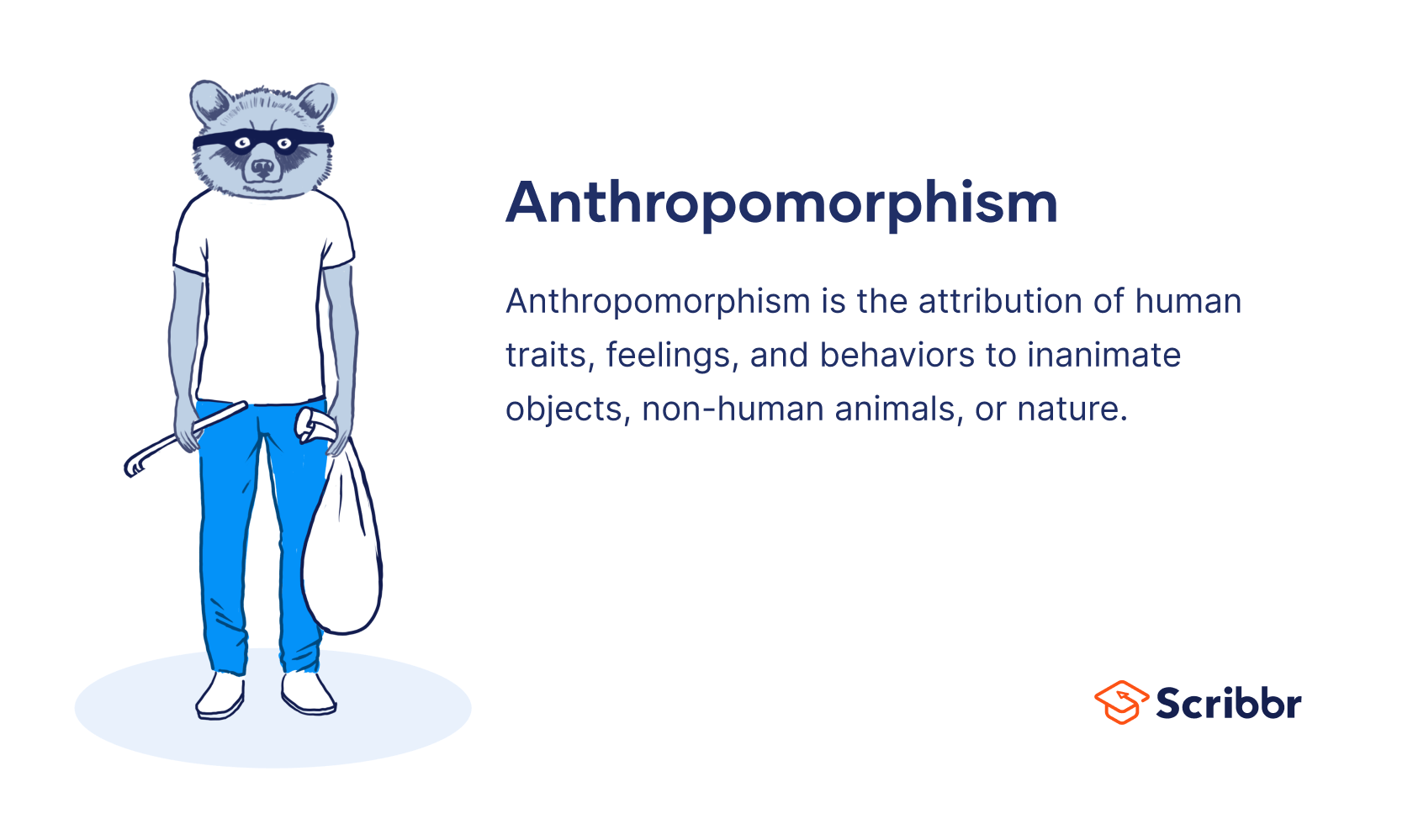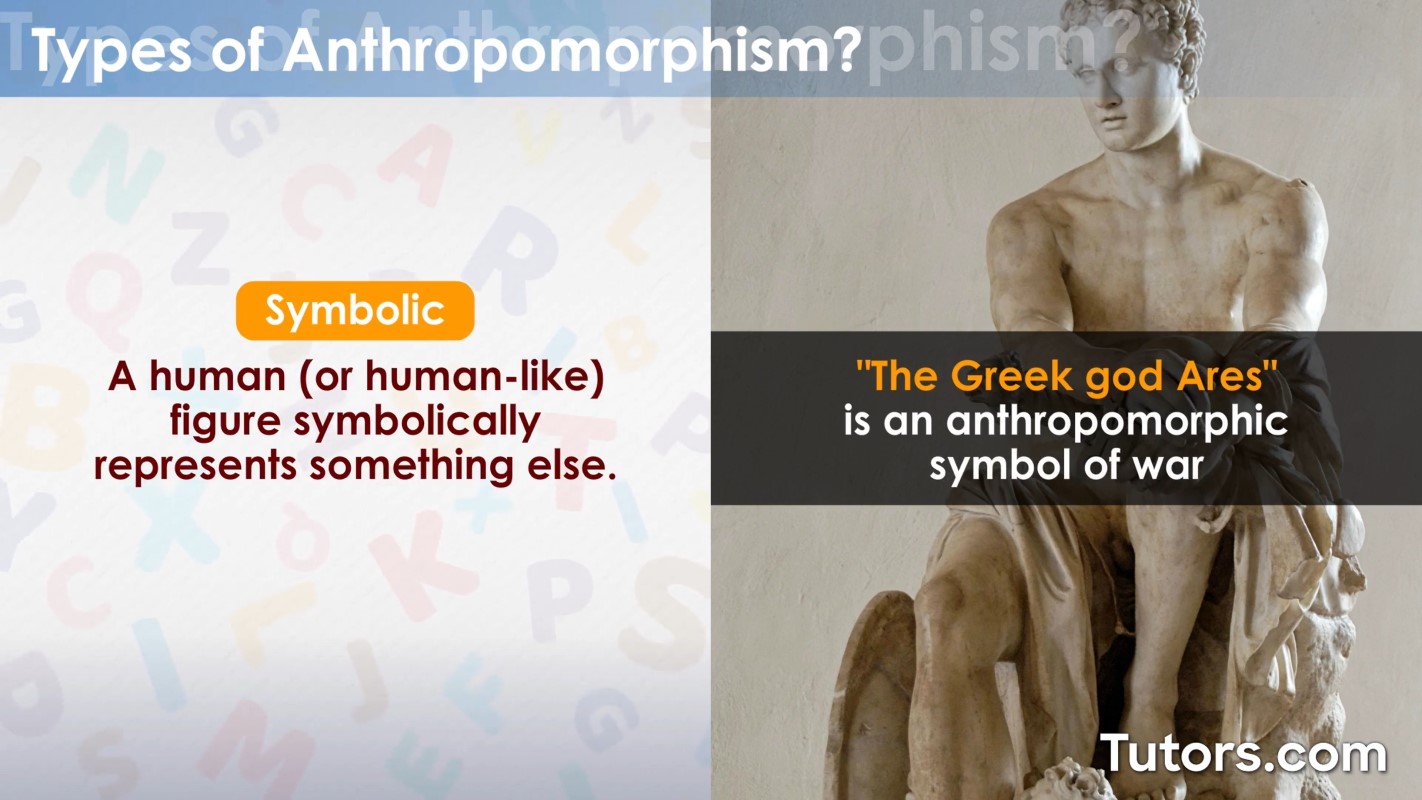
In the labyrinthine corridors of modern B2B marketing, where data-driven strategies often clash with the immutable laws of human psychology, a curious phenomenon is emerging. Anthropomorphism—the art of imbuing non-human entities with human-like traits—is no longer confined to the whimsical realms of B2C advertising or the playful antics of brand mascots. Instead, it is infiltrating the sober, metrics-obsessed world of business-to-business interactions, promising not just engagement, but a fundamental reimagining of how brands communicate with their audiences. But does it truly work? Or is it merely a fleeting trend, a gimmick dressed in the trappings of innovation? To answer this, we must venture beyond the surface, dissecting the psychological underpinnings, the strategic implications, and the tangible outcomes of anthropomorphism in B2B marketing.
The Psychology Behind Anthropomorphism: Why We See Faces in Everything
At its core, anthropomorphism is a cognitive shortcut—a survival mechanism hardwired into the human brain. Evolutionary psychologists posit that our ancestors, who perceived agency in natural phenomena (from storms to shadows), were more likely to survive and reproduce. Today, this instinct manifests in our tendency to attribute human characteristics to inanimate objects, abstract concepts, or even algorithms. In B2B marketing, this translates to a powerful tool: the ability to humanize brands, products, or even data, making them more relatable, trustworthy, and memorable.
Consider the corporate website that greets visitors with a “smiling” chatbot, or the SaaS platform that visualizes its dashboard as a “friendly guide” rather than a cold interface. These are not mere design choices; they are psychological leverages, tapping into the same neural pathways that respond to human faces and voices. Studies in consumer behavior reveal that anthropomorphism can reduce perceived risk, enhance brand loyalty, and even mitigate the psychological distance between a business and its clients. The question, then, is not whether anthropomorphism works, but how deeply it can reshape the B2B landscape.
From Faceless to Familiar: The Case for Humanizing B2B Brands
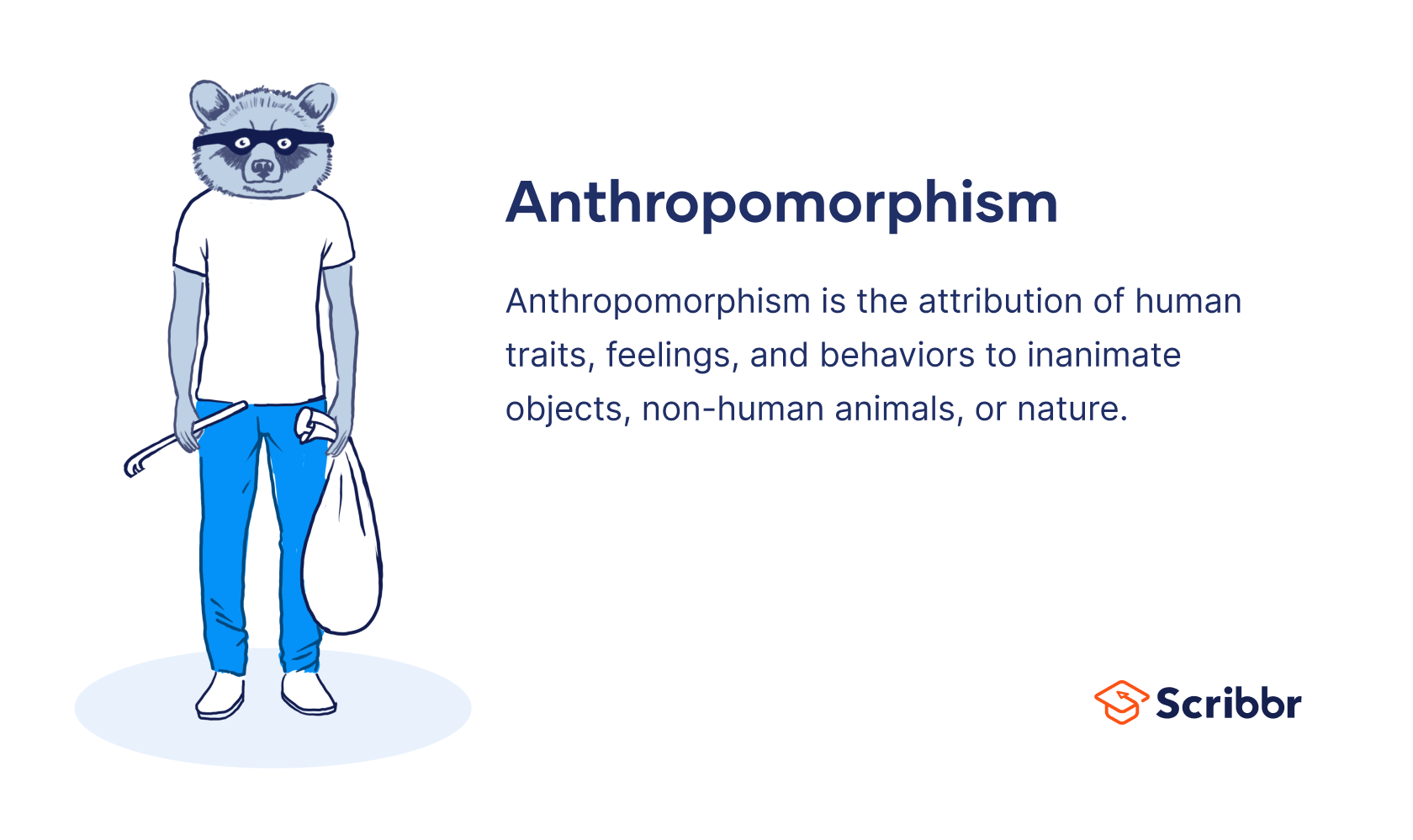
The stereotype of B2B marketing as a monochrome world of spreadsheets and jargon is rapidly dissolving. In its place, a new paradigm is taking shape—one where brands are no longer faceless entities but entities with personalities, emotions, and even flaws. Anthropomorphism is the architect of this transformation, allowing companies to transcend the transactional and forge emotional connections with their audiences. But why does this matter in a space where logic and ROI are supposed to reign supreme?
The answer lies in the paradox of B2B decision-making: even in corporate corridors, decisions are made by humans. And humans, regardless of their professional roles, are driven by emotions, biases, and subconscious associations. A study by the Journal of Business & Industrial Marketing found that B2B buyers are 50% more likely to engage with a brand that employs anthropomorphic elements in its messaging. This isn’t about replacing data with fluff; it’s about augmenting data with the very qualities that make us human—empathy, relatability, and narrative coherence.
Take, for example, a cybersecurity firm that personifies its threat-detection software as a “vigilant guardian” rather than a technical tool. Or a logistics company that frames its supply chain as a “journey” with “milestones” and “challenges.” These aren’t just metaphors; they are strategic narratives that simplify complexity, evoke emotional resonance, and create a mental model for potential clients to latch onto. The result? A brand that is not just remembered, but felt.
The Double-Edged Sword: Risks and Repercussions of Over-Anthropomorphism
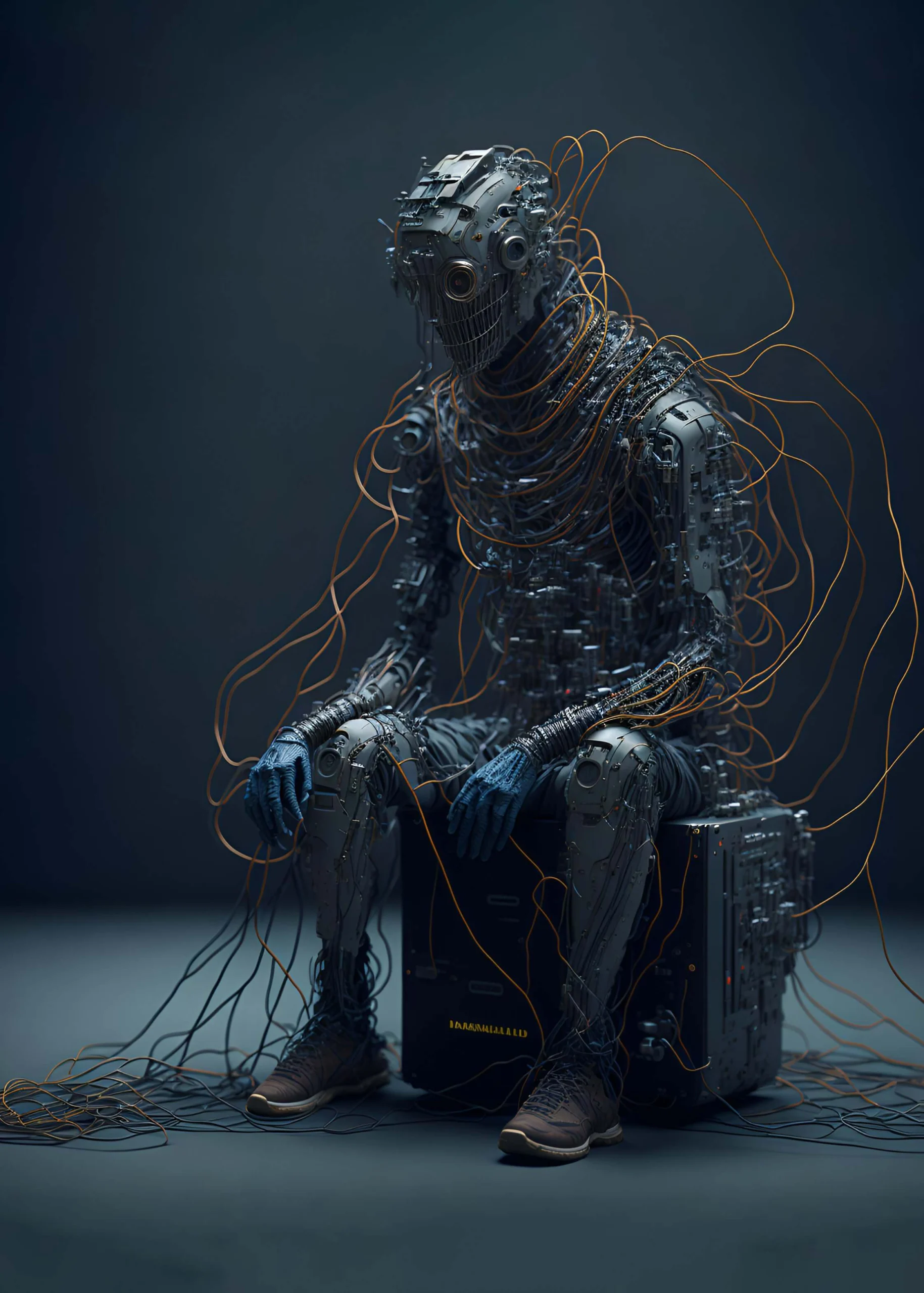
Yet, anthropomorphism is not a panacea. Like any potent tool, it carries risks—risks that, if mishandled, can erode trust as swiftly as they build it. The first pitfall is the uncanny valley: the unsettling sensation that arises when a non-human entity appears almost, but not quite, human. A poorly designed AI chatbot with exaggerated facial features or an overly “friendly” corporate mascot can trigger discomfort, undermining the very credibility it seeks to enhance.
Another challenge is authenticity. In an era where consumers (and businesses) are hyper-aware of marketing tactics, forced anthropomorphism can come across as manipulative. If a brand’s attempt to humanize itself feels contrived or inauthentic, it risks alienating its audience rather than engaging them. The key lies in subtlety—using anthropomorphism as a bridge to human connection, not a crutch to replace substance.
Consider the cautionary tale of a fintech startup that launched a campaign featuring a cartoonish “money tree” as its mascot. While the idea was whimsical, the execution felt juvenile to its target audience of CFOs and financial directors. The campaign flopped, not because anthropomorphism was inherently flawed, but because it was applied without a nuanced understanding of the audience’s expectations. The lesson? Anthropomorphism must be tailored, not generic—aligned with the brand’s identity and the sensibilities of its clientele.
Anthropomorphism in Action: Real-World B2B Success Stories
To grasp the transformative potential of anthropomorphism in B2B marketing, one need only look at the companies that have wielded it with precision. Take IBM’s Watson, the AI platform that is often personified in marketing materials as a “thinking partner” rather than a tool. By framing Watson as a collaborative entity—one that “learns,” “advises,” and “evolves”—IBM has made its complex technology accessible to non-technical decision-makers. The result? A 30% increase in engagement among enterprise clients who previously viewed AI as an intimidating black box.
Another example is Slack, the workplace communication platform, which anthropomorphizes its product through its mascot, a friendly octopus named “Slackbot.” While Slackbot is a digital assistant, its design and interactions are imbued with human-like warmth and humor. This approach has not only humanized the platform but also fostered a sense of community among users, turning a utilitarian tool into a cultural touchstone for modern workplaces.
These case studies underscore a critical insight: anthropomorphism works best when it serves a purpose beyond mere novelty. Whether it’s simplifying complexity, fostering trust, or creating emotional resonance, the most effective applications of anthropomorphism are those that align with the brand’s core value proposition. It’s not about making a brand “cute”; it’s about making it understandable.

The Future of Anthropomorphism in B2B: Trends and Predictions
As we stand on the precipice of a new era in B2B marketing, anthropomorphism is poised to evolve in ways that are as unpredictable as they are exciting. One emerging trend is the rise of “brand avatars”—digital personas that represent a company’s values, culture, and expertise. These avatars, whether in the form of AI-driven chatbots, virtual influencers, or even interactive web experiences, are blurring the lines between brand and individual, creating new avenues for engagement.
Another frontier is the integration of anthropomorphism with emerging technologies like augmented reality (AR) and virtual reality (VR). Imagine a B2B buyer donning a VR headset to “walk through” a factory floor, guided by a virtual engineer who explains the intricacies of the production process. Or an AR app that overlays a “digital twin” of a product onto the real world, complete with a human-like narrator that demystifies its features. These experiences are not just immersive; they are intimate, forging connections that static content simply cannot.
Yet, with these opportunities come ethical considerations. As brands increasingly adopt anthropomorphic elements, they must grapple with questions of transparency and consent. Is it ethical to use a human-like AI to influence purchasing decisions? How do we ensure that anthropomorphism doesn’t cross into manipulation? The answers will shape not just the future of B2B marketing, but the broader societal relationship with technology.
Measuring the Unmeasurable: How to Gauge the Impact of Anthropomorphism
For the data-driven marketer, the challenge of quantifying the impact of anthropomorphism is a formidable one. Traditional metrics like click-through rates and conversion rates offer only a partial picture, failing to capture the emotional and psychological shifts that anthropomorphism seeks to induce. So, how can B2B marketers measure what is, by nature, intangible?
One approach is to track engagement metrics that hint at emotional resonance—such as time spent on a webpage, repeat visits, or interactions with anthropomorphic elements (e.g., clicks on a chatbot, downloads of a brand avatar). Surveys and sentiment analysis can also provide valuable insights, revealing whether a brand’s anthropomorphic efforts are perceived as authentic or contrived.
Another method is to conduct A/B testing, comparing the performance of anthropomorphic content against more traditional messaging. For instance, a company might test two versions of a product demo—one featuring a human narrator and another using an animated character. By analyzing metrics like comprehension rates, brand recall, and purchase intent, marketers can determine which approach resonates more deeply with their audience.
Ultimately, the goal is not to replace quantitative analysis with qualitative intuition, but to integrate the two. Anthropomorphism may be rooted in emotion, but its success can—and should—be measured with rigor.
Conclusion: The Human Touch in a Digital World
Anthropomorphism in B2B marketing is more than a trend; it is a paradigm shift—a recognition that even in the most rational of industries, decisions are made by humans, for humans. When wielded thoughtfully, it has the power to transform cold data into compelling narratives, faceless brands into trusted partners, and transactions into relationships. Yet, its effectiveness hinges on a delicate balance: the line between relatable and ridiculous, between authentic and artificial.
The future of B2B marketing lies not in the abandonment of data or logic, but in their harmonization with the very qualities that make us human. As technology continues to advance, the brands that thrive will be those that remember the power of a smile, the warmth of a voice, and the comfort of a familiar face—even if that face belongs to a machine.
So, does anthropomorphism work in B2B marketing? The answer is a resounding yes—but only if it is done with intention, empathy, and an unwavering commitment to the human experience at its core.