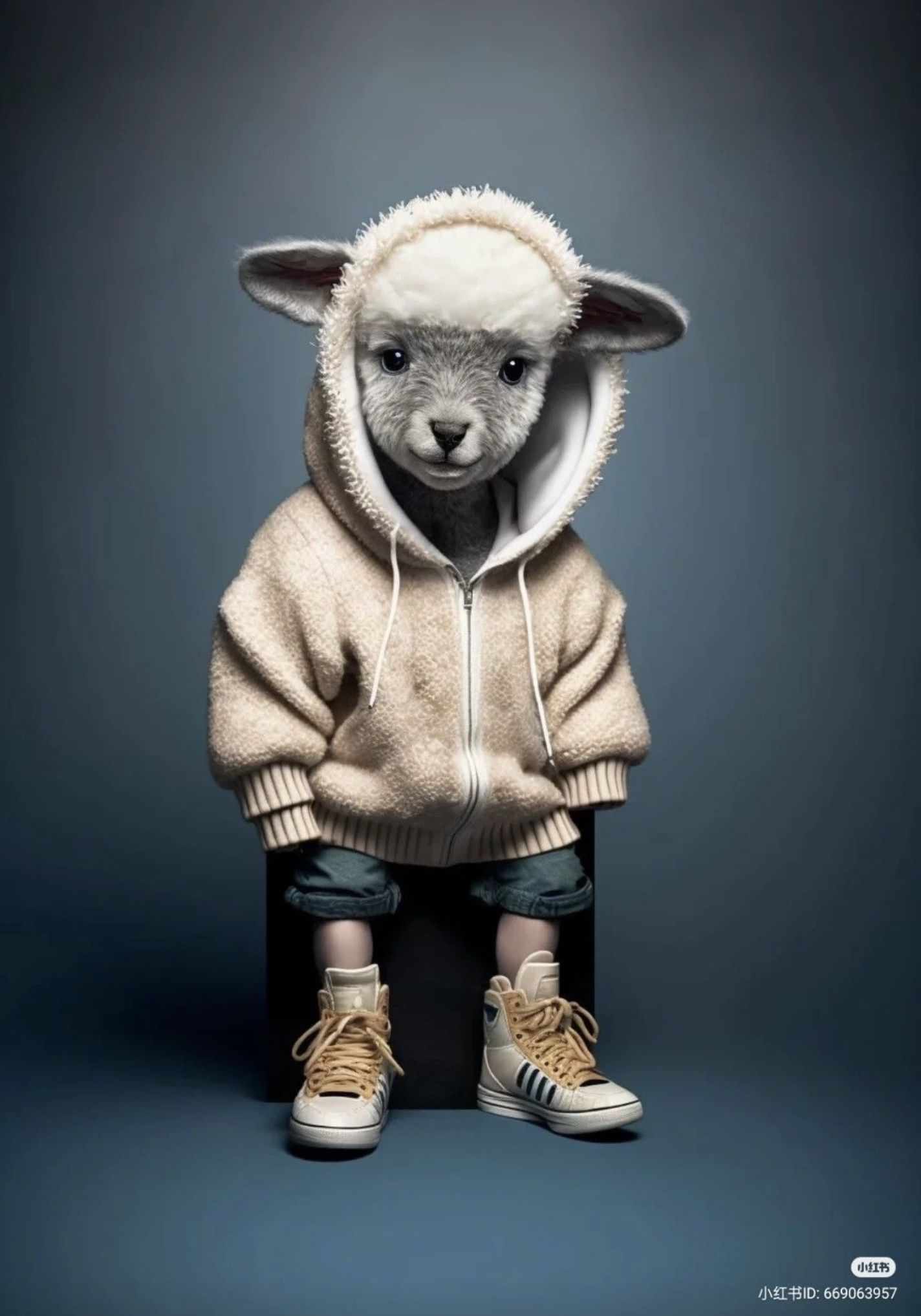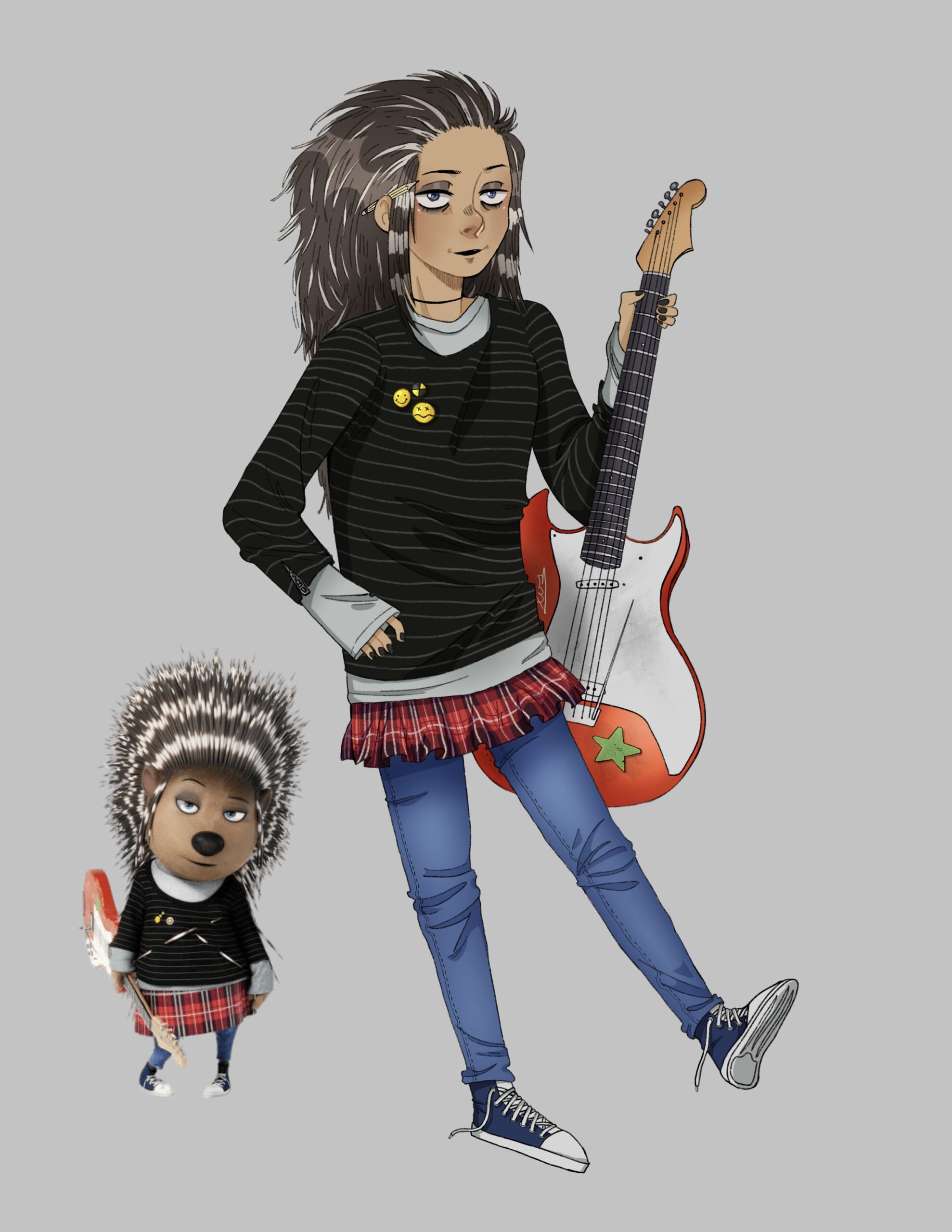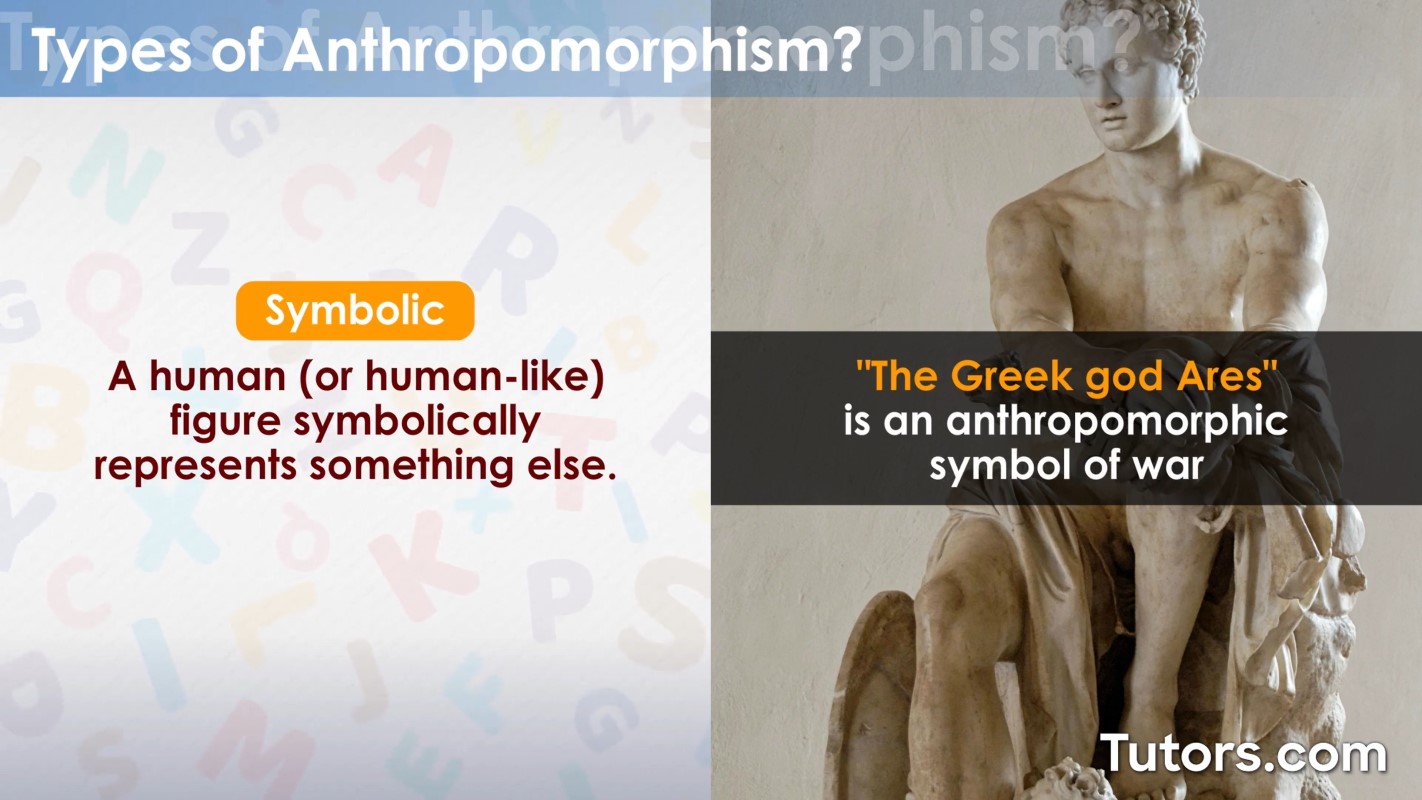
In the realm of visual communication, brands often grapple with a paradox: while anthropomorphism—the attribution of human traits to non-human entities—can foster connection, some deliberately shun its embrace. This aversion isn’t arbitrary; it stems from a confluence of strategic, cultural, and perceptual factors that shape how brands position themselves in the marketplace. To understand why certain logos, mascots, or design elements steer clear of human-like features, we must dissect the underlying motivations that drive such restraint.
The Perils of Over-Familiarity: When Humanization Dilutes Brand Identity
Anthropomorphism, when wielded indiscriminately, risks reducing a brand’s essence to a caricature rather than a compelling narrative. Consider the corporate landscape where precision and professionalism are paramount. A logo that adopts human-like features—say, a face with emotive expressions—may inadvertently trivialize the brand’s core values. For industries like finance, law, or technology, where trust and reliability are non-negotiable, the whimsical charm of anthropomorphism can feel incongruous. Instead, these brands often opt for abstract symbols or geometric forms that convey stability without the distraction of human traits.
The danger lies in the dilution of brand equity. A humanized mascot, no matter how endearing, can overshadow the product or service it represents. Take, for instance, the stark contrast between a financial institution’s minimalist emblem and a fast-food chain’s jovial cartoon character. The former prioritizes universality and timelessness, while the latter leans into relatability. This strategic divergence underscores a fundamental truth: anthropomorphism isn’t inherently beneficial—its value depends entirely on alignment with the brand’s ethos.
Cultural Nuances: The Unspoken Taboos of Human-Like Design
Cultural context plays a pivotal role in determining whether anthropomorphism resonates or repels. In some societies, the human form is sacred, and its replication in branding can be perceived as sacrilegious or exploitative. Conversely, other cultures embrace anthropomorphism as a norm, where mascots and avatars are integral to storytelling. Brands navigating global markets must tread carefully, as what feels whimsical in one region might appear tone-deaf in another.
Consider the automotive industry, where luxury brands often avoid overt humanization in their logos. A sleek, abstract emblem—like the prancing horse of Ferrari or the four rings of Audi—evokes prestige without the need for literal human representation. This approach sidesteps cultural ambiguities while reinforcing the brand’s aspirational appeal. The lesson here is clear: anthropomorphism isn’t a universal solvent for engagement; it’s a tool that must be calibrated to cultural sensibilities.
The Paradox of Authenticity: Why Some Brands Fear the “Uncanny Valley”
Even when anthropomorphism is culturally appropriate, the specter of the “uncanny valley” looms large. This phenomenon, where human-like designs evoke discomfort rather than empathy, is a well-documented psychological trap. Brands that flirt with semi-human features—such as a logo with stylized eyes or a mascot with exaggerated limbs—risk triggering unease rather than affection. The result? A brand that feels eerily close to human but not quite right, undermining its credibility.
Take, for example, the evolution of corporate mascots over time. Early iterations of the Michelin Man—a humanoid figure made of tires—were met with curiosity, but later designs softened his features to avoid the uncanny valley effect. The shift reflects a deeper understanding: brands must balance relatability with abstraction to maintain trust. When humanization crosses into the realm of the unsettling, it’s better to err on the side of restraint.
Strategic Minimalism: The Power of Implied Humanity
Some of the most iconic brands achieve emotional resonance without resorting to anthropomorphism. Instead, they employ design elements that subtly evoke human qualities—curves that mimic the human body, colors that convey emotion, or typography that feels conversational. This approach, known as “implied anthropomorphism,” allows brands to harness the benefits of human connection without the pitfalls of literal representation.
Consider the Apple logo, a simple apple with a bite taken out. Its minimalism doesn’t depict a human, yet it feels almost organic, as if it could grow from a tree. Similarly, the Nike swoosh suggests motion and dynamism, qualities associated with human athleticism. These designs succeed because they tap into universal human experiences—growth, movement, emotion—without explicitly mimicking the human form. The takeaway? Sometimes, the most powerful anthropomorphism is the kind that exists in the mind of the beholder.
The Risk of Stereotyping: When Humanization Reinforces Bias
Anthropomorphism isn’t neutral; it often carries implicit biases that can alienate audiences. A brand that humanizes its logo with exaggerated features—such as a mascot with a broad smile and rosy cheeks—might inadvertently reinforce stereotypes about cheerfulness or naivety. In an era where consumers demand authenticity and inclusivity, such design choices can backfire spectacularly.
For instance, a brand targeting a mature audience might avoid anthropomorphic elements that feel infantilizing. Conversely, a children’s brand might embrace them wholeheartedly, knowing that young audiences thrive on relatable, human-like characters. The key is intentionality: anthropomorphism should never be a default choice but a deliberate strategy aligned with the brand’s values and audience expectations.
The Future of Brand Design: Beyond Humanization
As technology advances, the boundaries of brand design are expanding. Augmented reality, artificial intelligence, and interactive interfaces are blurring the lines between human and non-human interaction. In this landscape, brands that resist anthropomorphism may find themselves at a disadvantage, as consumers increasingly seek seamless, intuitive experiences that feel almost human.
Yet, the counter-trend is equally compelling. Brands that embrace minimalism, abstraction, and implied humanity are carving out niches in markets where clarity and sophistication are prized. The future of design may lie not in choosing between anthropomorphism and its avoidance, but in mastering the art of strategic restraint—knowing when to humanize and when to let the brand’s essence speak for itself.

The reluctance of some brands to embrace anthropomorphism is not a rejection of connection but a calculated embrace of precision. In a world saturated with stimuli, the most memorable brands are those that understand the power of restraint—knowing when to step into the light of humanization and when to retreat into the shadows of abstraction. The art lies in striking that balance, ensuring that the brand’s voice is heard without ever shouting.