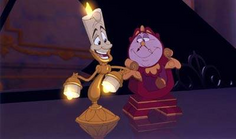
Imagine a world where animals wear waistcoats, teapots waltz, and a mischievous bear hosts a picnic that never quite ends. This is the enchanting realm of anthropomorphic picture books—where inanimate objects, animals, and even vegetables don human traits, sparking a child’s imagination while teaching timeless lessons. For toddlers, these stories are more than whimsical tales; they are gateways to empathy, language development, and cognitive growth. But with shelves groaning under the weight of countless options, how do you choose the ones that will truly captivate your little one? Below, we’ve curated a selection of the best anthropomorphic picture books for toddlers, each promising to shift perspectives, ignite curiosity, and leave a lasting impression.
The Power of Anthropomorphism in Early Learning
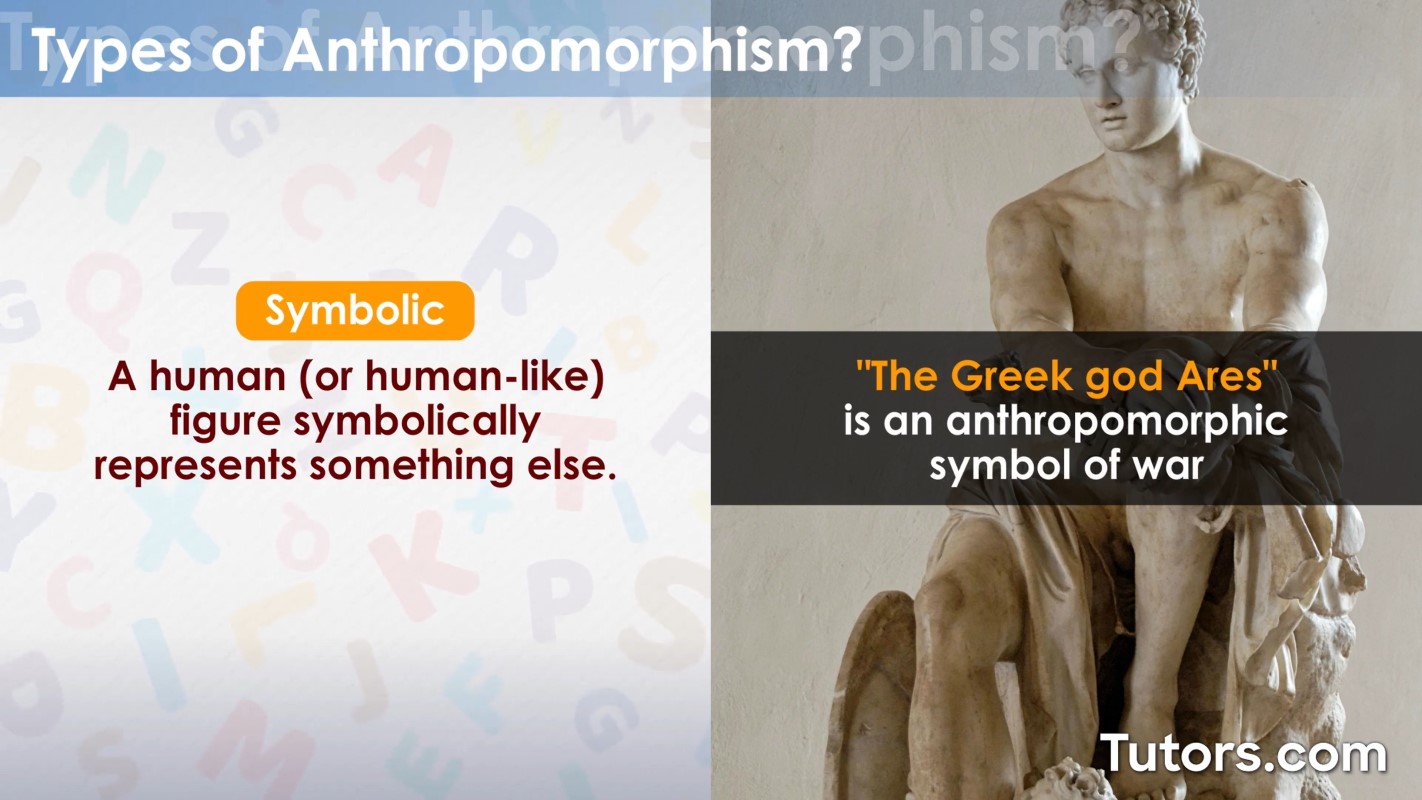
Anthropomorphism—the attribution of human characteristics to non-human entities—isn’t just a literary device; it’s a cognitive bridge. For toddlers, who are just beginning to distinguish between reality and fantasy, these stories serve as a playful primer in understanding emotions, social norms, and problem-solving. When a grumpy cloud refuses to rain or a determined little mouse outsmarts a lion, children learn that even the most mundane objects and creatures have agency and feelings. This narrative sleight of hand transforms abstract concepts into tangible, relatable experiences. Studies suggest that children exposed to anthropomorphic tales develop stronger theory-of-mind skills, enabling them to better interpret others’ perspectives—a cornerstone of emotional intelligence.
Consider the humble teapot in Beverly Cleary’s *Tea for Two*. Here, a teapot isn’t just a vessel for Earl Grey; it’s a host, a friend, and a participant in a tea party that teeters on the edge of chaos. For a toddler, this isn’t just a story about sharing—it’s a lesson in hospitality, patience, and the joy of unexpected friendships. The anthropomorphic twist makes the lesson stick because it’s wrapped in humor and heart.
Where Whimsy Meets Wonder: Classic Anthropomorphic Tales
Some stories transcend generations, their anthropomorphic charm woven into the fabric of childhood itself. Take *Winnie-the-Pooh* by A.A. Milne, where a bear of very little brain navigates the Hundred Acre Wood with his loyal companions. Pooh’s gluttony for honey and Eeyore’s perpetual gloom are exaggerated human traits that make the characters feel both familiar and fantastical. For toddlers, Pooh’s adventures teach the value of friendship and the beauty of simple pleasures—like a jar of honey or a long, contemplative walk.
Then there’s *The Tale of Peter Rabbit* by Beatrix Potter, where a mischievous rabbit disobeys his mother’s warnings and faces the consequences. Potter’s illustrations imbue the natural world with human-like drama, from Mr. McGregor’s garden (a labyrinth of danger) to Peter’s narrow escape. The anthropomorphism here is subtle but potent: Peter’s disobedience and subsequent remorse mirror the emotional rollercoasters toddlers experience daily. These classics endure because they balance whimsy with wisdom, offering both escape and insight.
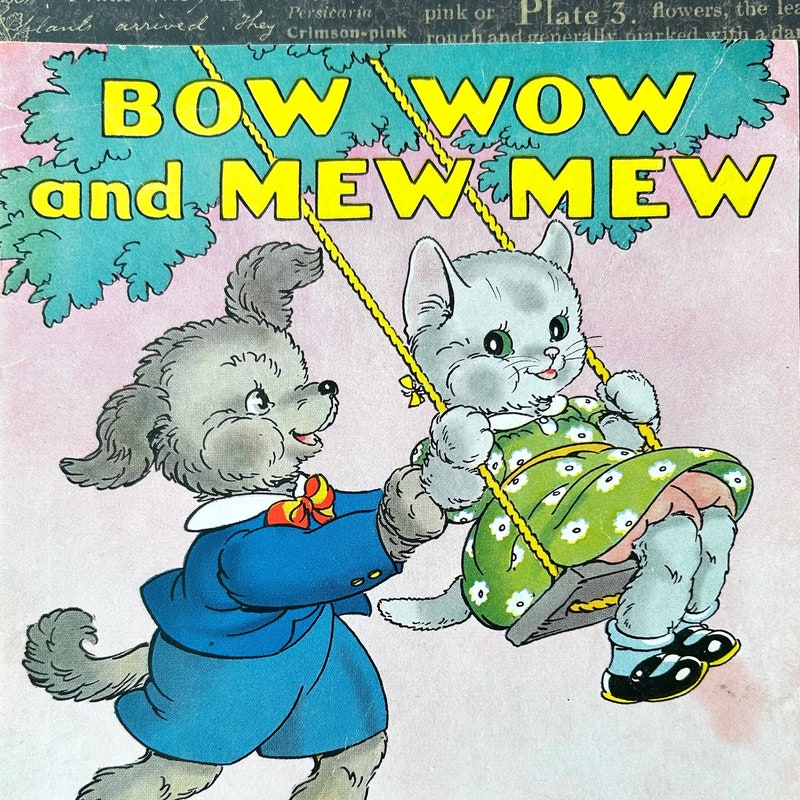
Modern Marvels: Fresh Voices in Anthropomorphic Storytelling
The tradition of anthropomorphic storytelling is alive and well, with contemporary authors pushing boundaries and redefining what these tales can achieve. *Dragons Love Tacos* by Adam Rubin is a masterclass in absurdity and charm. Here, dragons aren’t mythical beasts to fear but party-loving creatures with a penchant for spicy cuisine. The book’s humor lies in its premise—what happens when you invite dragons to a taco party?—but its genius is in how it normalizes the unexpected. For toddlers, it’s a lesson in embracing the bizarre and finding joy in the unfamiliar.
Another standout is *The Day the Crayons Quit* by Drew Daywalt, where a box of crayons writes letters to their owner, Duncan, each expressing a unique grievance. The red crayon is overworked, the beige crayon feels ignored, and the pink crayon is tired of being used for “girl things.” This anthropomorphic twist transforms a simple art supply into a cast of characters with distinct personalities, teaching toddlers about individuality and self-expression. The book’s interactive format—complete with crayon illustrations—invites children to participate in the story, making it a sensory delight.
Cultural and Diverse Anthropomorphic Narratives
Anthropomorphism isn’t confined to Western folklore. Across cultures, animals and objects take on human roles to convey moral lessons, celebrate heritage, and explore identity. In *The Very Hungry Caterpillar* by Eric Carle, the protagonist’s transformation from larva to butterfly is a metaphor for growth and change. The caterpillar’s journey—from munching through an apple to indulging in a feast of sweets before cocooning—resonates universally, regardless of cultural background. The book’s simplicity and vibrant illustrations make it a staple in toddler libraries worldwide.
For a more culturally specific example, consider *Anansi the Spider* tales from West African folklore. Anansi, the trickster spider, outsmarts larger animals through cunning and wit. These stories, often passed down orally, use anthropomorphism to explore themes of justice, resourcefulness, and the consequences of greed. When shared with toddlers, they become a window into different traditions while reinforcing the idea that even the smallest creatures can have big impacts.
Interactive Anthropomorphism: Books That Demand Participation
Toddlers learn best when they’re active participants, and some anthropomorphic books are designed to turn passive listeners into engaged collaborators. *Press Here* by Hervé Tullet is a prime example. The book begins with a single yellow dot and a simple instruction: “Press here and turn the page.” Each subsequent page builds on the child’s actions, creating a symphony of dots that dance, multiply, and even “sneeze.” The anthropomorphism here is subtle—the dots aren’t just shapes; they’re mischievous entities with personalities. For toddlers, the book is a lesson in cause and effect, but it’s also a celebration of their power to shape the narrative.
Another interactive gem is *Don’t Let the Pigeon Drive the Bus!* by Mo Willems. The pigeon, with its exaggerated expressions and pleading eyes, is a masterclass in anthropomorphic storytelling. The book’s genius lies in its fourth-wall-breaking format: the pigeon directly addresses the reader, begging, cajoling, and throwing tantrums. Toddlers aren’t just listening to a story—they’re part of it, learning to assert their own boundaries (“NO!”) while giggling at the pigeon’s antics. This book doesn’t just entertain; it empowers.
Anthropomorphism and Emotional Intelligence: Lessons in Empathy
One of the most profound gifts of anthropomorphic stories is their ability to cultivate empathy. When a toddler sees a grumpy cloud refuse to rain or a lonely lamp longing for attention, they’re not just observing fictional scenarios—they’re practicing emotional recognition. *The Feelings Book* by Todd Parr uses simple, bold illustrations of anthropomorphic characters to explore a range of emotions, from happiness to frustration. The book’s direct approach—”Sometimes I feel silly. Sometimes I feel cranky”—gives toddlers the vocabulary to articulate their own feelings, fostering emotional literacy.
Similarly, *The Rabbit Listened* by Cori Doerrfeld uses anthropomorphism to tackle complex emotions like loss and comfort. A young child’s block tower is destroyed, and various animals offer advice—until a rabbit simply listens. The rabbit’s quiet presence teaches toddlers that sometimes, the best way to support someone is to be present. The anthropomorphic twist makes the lesson accessible, turning a heavy topic into a gentle, relatable narrative.
Choosing the Right Anthropomorphic Books for Your Toddler
With so many options, selecting the right books can feel overwhelming. Start by considering your child’s interests. Does your toddler love animals, vehicles, or fantastical creatures? Look for books that align with their passions. Next, evaluate the book’s emotional tone. Some anthropomorphic stories are lighthearted and silly, while others tackle deeper themes like loss or perseverance. Choose books that resonate with your child’s current emotional landscape.
Don’t overlook the illustrations. Toddlers are highly visual learners, and the artwork in a book can make or break their engagement. Bold colors, expressive characters, and dynamic compositions draw them in and hold their attention. Finally, consider the book’s interactive potential. Can your toddler mimic the sounds of the characters? Can they “help” turn the pages or point to objects? Books that invite participation are more likely to leave a lasting impression.
Remember, the best anthropomorphic picture books for toddlers are those that balance entertainment with enrichment. They should make your child laugh, think, and perhaps even see the world a little differently. Whether it’s a teapot hosting a tea party or a pigeon begging for a turn behind the wheel, these stories are more than just bedtime tales—they’re tools for growth, empathy, and wonder.


![Case Study: How [Comic Series] Used Anthropomorphism to Stand Out](https://anthropomorphism.org/wp-content/uploads/2026/05/San-Diego-Comic-Con-2-scaled-1.jpg)