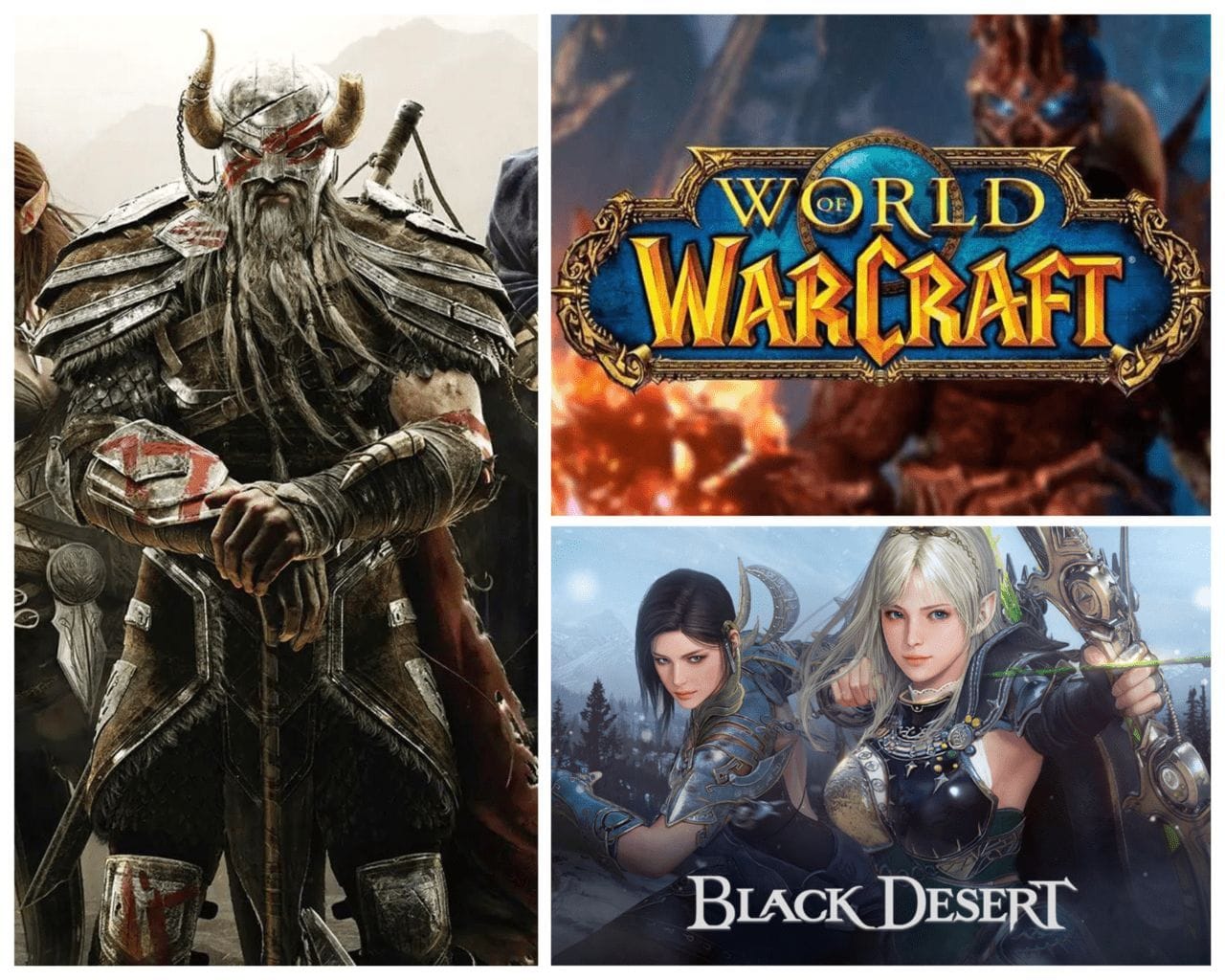
In the vast, pixelated tapestries of MMORPGs and sprawling open worlds, something extraordinary happens—characters, creatures, and even inanimate objects begin to breathe. They speak. They emote. They defy the rigid boundaries of their digital existence to whisper secrets of humanity into the ears of players. This phenomenon, known as anthropomorphism, is not merely a design choice; it is the invisible hand that shapes immersion, narrative depth, and emotional resonance in virtual realms. As gaming evolves from mere escapism to a medium of profound storytelling, the role of anthropomorphism in MMORPGs and open worlds demands closer examination. What promises does it hold for the future of interactive entertainment? How does it redefine our relationship with digital entities? And why does it matter in an era where virtual and real emotions intertwine?
The Alchemy of Empathy: How Anthropomorphism Transforms Pixels into People
Anthropomorphism is the cognitive sleight of hand that endows non-human entities with human traits—thoughts, feelings, intentions. In MMORPGs, this isn’t just about making a dragon seem wise or a goblin appear mischievous; it’s about forging a bridge between the player and the digital unknown. When a quest-giving NPC tilts their head in curiosity or a companion pet nuzzles your avatar in gratitude, the game transcends its code. It becomes a mirror reflecting our own emotional landscapes.
Consider the case of companion AI in titles like The Elder Scrolls Online or Final Fantasy XIV. These characters don’t just follow scripts—they react. A follower might scold you for looting a sacred site or cheer when you defeat a legendary foe. Such behaviors aren’t random; they’re carefully crafted to elicit empathy. Players don’t just complete objectives—they nurture relationships. This alchemy of anthropomorphism turns fleeting interactions into lasting memories, blurring the line between player and protagonist.
Narrative Alchemy: Breathing Life into Open Worlds
Open-world games are, by definition, vast and often overwhelming. Without anthropomorphism, these worlds risk becoming mere backdrops—stages where players perform actions but never truly engage. Anthropomorphism acts as the narrative glue, stitching together the sprawling landscapes with threads of meaning. A sentient weapon in The Witcher 3 isn’t just a tool; it’s a confidant with its own arc. A talking tree in Horizon Zero Dawn isn’t just scenery; it’s a keeper of forgotten lore.
This narrative depth transforms exploration from a checklist of waypoints into a pilgrimage of discovery. Players don’t just traverse mountains—they converse with them. They don’t just loot dungeons; they negotiate with their guardians. Anthropomorphism turns the environment itself into a character, one that reacts, evolves, and sometimes even resists the player’s will. In doing so, it elevates open-world design from procedural generation to poetic storytelling.

The Illusion of Agency: When Players Become Puppeteers of Souls
Anthropomorphism doesn’t just make NPCs feel real—it makes players feel powerful. When a game allows you to shape the fate of a digital being, you’re not just pressing buttons; you’re wielding influence. This illusion of agency is a cornerstone of MMORPG design. Whether it’s deciding the moral alignment of a companion or choosing whether to spare a fallen enemy, anthropomorphism turns passive consumption into active participation.
Yet, this power comes with a paradox. The more lifelike NPCs become, the more players question their own role. If a digital entity can feel joy or sorrow, does the player’s choice carry moral weight? Games like Disco Elysium and Pathologic 2 exploit this tension, forcing players to confront the consequences of their anthropomorphic projections. The result? A gaming experience that lingers long after the credits roll, a testament to the weight of virtual emotions.
Cultural Echoes: Anthropomorphism as a Mirror of Humanity
Anthropomorphism isn’t a universal constant—it’s a cultural lens. Different societies project humanity onto the world in distinct ways. In Japanese RPGs like Persona 5, anthropomorphism often manifests as a blend of the sacred and the mundane, where demons and objects alike possess souls. In Western titles like Dragon Age, it leans toward moral complexity, with characters grappling with free will and destiny.
This cultural diversity enriches the gaming landscape. It allows players to see reflections of their own worldviews while also confronting alien perspectives. Anthropomorphism becomes a tool for cultural diplomacy, subtly teaching empathy across borders. A talking fox in a Korean MMORPG might embody wisdom, while a chatty robot in an American open-world game could represent existential dread. These contrasts don’t just entertain—they educate.
The Future: Toward Sentient Worlds?
As AI and procedural generation advance, the line between anthropomorphism and true sentience blurs. Imagine an open-world game where every NPC remembers your past deeds, where the environment itself adapts to your playstyle, not through rigid scripting but through emergent behavior. Games like No Man’s Sky are already experimenting with this, where planets and creatures evolve based on player interactions.
Yet, this future isn’t without peril. The more anthropomorphic a world becomes, the more players may struggle to distinguish between digital and real emotions. Will we grow attached to NPCs only to see them discarded as “just code”? Will the magic of immersion fade when we realize no one is truly listening? These questions aren’t just philosophical—they’re practical, shaping the ethical boundaries of game design.
The promise of anthropomorphism lies in its ability to make us care. Whether it’s a loyal companion, a vengeful spirit, or a sentient landscape, these digital beings invite us to see the world—and ourselves—differently. In an era where technology often feels cold and impersonal, anthropomorphism is the warmth that reminds us of our shared humanity, even in pixels.


![Case Study: How [Comic Series] Used Anthropomorphism to Stand Out](https://anthropomorphism.org/wp-content/uploads/2026/05/San-Diego-Comic-Con-2-scaled-1.jpg)