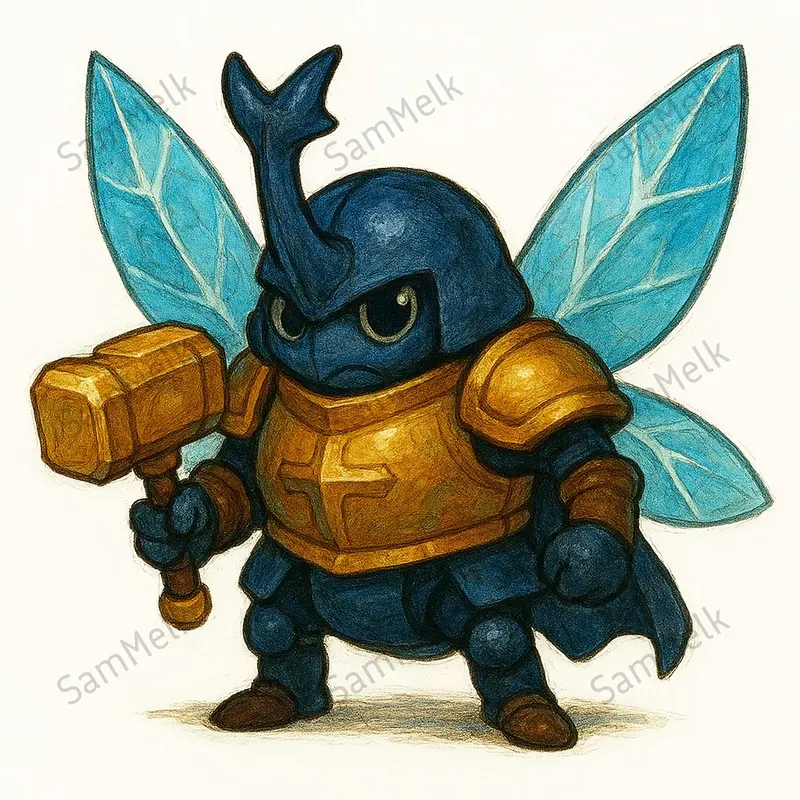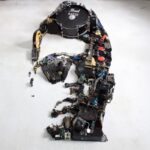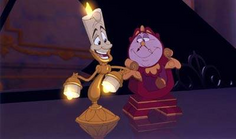
The allure of luxury brands often lies not just in their craftsmanship or exclusivity, but in the silent language they speak through their designs. Among the most captivating strategies these brands employ is anthropomorphism—the art of imbuing inanimate objects with human-like qualities. From the regal poise of a handbag’s silhouette to the haughty stance of a watch’s dial, luxury items seem to breathe, to emote, to belong. This deliberate design choice transcends mere aesthetics; it forges an emotional connection, transforming products into companions, symbols, and even characters in the consumer’s life. But why do luxury brands lean so heavily into this metaphorical mimicry? The answer weaves through psychology, cultural symbolism, and the timeless human desire to see ourselves reflected in the world around us.
The Psychology of Personification: Why We See Ourselves in Objects
Anthropomorphism is not a modern invention—it is a cognitive reflex, hardwired into human perception. Studies in neuroscience suggest that our brains are predisposed to attribute intentionality and personality to non-living entities, a survival mechanism that once helped us anticipate danger in the natural world. In the realm of luxury, this instinct is repurposed into something far more seductive: desire. When a handbag curves like a dancer’s spine or a watch face gazes upward with quiet confidence, we don’t just admire the design—we recognize a kindred spirit. The object becomes a mirror, reflecting our aspirations, our poise, even our vanity. Luxury brands exploit this phenomenon by crafting products that don’t just serve a function but perform a role. A leather wallet doesn’t merely hold currency; it exudes the gravitas of a seasoned financier. A silk scarf doesn’t just warm the neck—it drapes like a cape of aristocratic elegance. This psychological sleight of hand elevates the object from utility to identity, making ownership a form of self-expression.

The Aristocracy of Form: Crafting Characters in the Luxury Narrative
Luxury brands are, at their core, storytellers. They don’t sell products; they sell legacies, mythologies, and personalities. Anthropomorphic design is the visual shorthand for these narratives. Consider the iconic Hermès Kelly bag, whose structured silhouette resembles the upright posture of a high-society matron, arms crossed in quiet authority. Or the Audemars Piguet Royal Oak, whose octagonal bezel and angular indices evoke the stern, unyielding gaze of a monarch. These designs are not accidental; they are deliberate characterizations. The bag doesn’t just carry items—it carries the weight of tradition. The watch doesn’t just tell time—it tells a story of rebellion against convention. By anthropomorphizing their products, luxury brands transform them into protagonists in a larger drama of aspiration and achievement. The consumer doesn’t just buy a bag; they adopt a persona, a temporary elevation into the world of the elite.
Cultural Symbolism: The Silent Language of Status
Anthropomorphism in luxury design is deeply rooted in cultural symbolism, where human traits are mapped onto objects to convey abstract ideals. In Western cultures, the verticality of a skyscraper-like perfume bottle may symbolize ambition and upward mobility, while the sinuous curves of a jewelry piece might evoke sensuality and fluidity. In Eastern traditions, objects are often imbued with qualities like harmony (*wa*) or resilience (*gaman*), reflected in the balanced proportions of a tea set or the unyielding craftsmanship of a lacquer box. Luxury brands leverage these cultural archetypes to create designs that resonate on a subconscious level. A Chanel handbag, with its interlocking *CC* logo, doesn’t just look elegant—it embodies the duality of strength and grace, a metaphor for the modern woman. These designs speak in a language older than words, tapping into collective unconscious desires for power, beauty, and belonging.
The Illusion of Relationship: How Anthropomorphism Fosters Loyalty
One of the most potent effects of anthropomorphic design is the illusion of a relationship between consumer and product. Luxury brands cultivate this bond through meticulous attention to detail—every stitch, every gleam, every contour is designed to evoke a response. When a consumer strokes the buttery-soft leather of a briefcase, they’re not just feeling a material; they’re engaging in a silent dialogue with the object’s imagined personality. This relationship-building is a cornerstone of brand loyalty. Studies in consumer behavior show that people are more likely to repurchase and advocate for brands that they perceive as having a “personality.” A Rolex Submariner doesn’t just keep time; it becomes a confidant, a witness to milestones. The emotional investment in such an object transcends rational decision-making, creating a bond that is as much about identity as it is about ownership. In this way, anthropomorphism turns luxury goods into lifelong companions, each with its own story to tell.
The Subversion of Expectations: When Luxury Plays with Persona
While many luxury brands use anthropomorphism to evoke traditional ideals of elegance and power, others subvert expectations by imbuing their designs with unexpected or even rebellious traits. Take, for instance, the exaggerated proportions of a Balenciaga sneaker, which seem to strut with a brash, almost cartoonish confidence. Or the deconstructed, asymmetrical tailoring of a Rick Owens garment, which appears to slouch with a defiant nonchalance. These designs challenge the viewer to reconsider what luxury can be—less about aristocratic refinement and more about individuality and audacity. By anthropomorphizing their products with traits that defy convention, these brands appeal to a different kind of consumer: one who values self-expression over societal approval. This strategy not only broadens the appeal of luxury but also redefines it, proving that the language of anthropomorphism is as versatile as the human experience itself.
The Future of Anthropomorphic Design: Where Art Meets Commerce
As luxury brands continue to push the boundaries of design, anthropomorphism is evolving into a more interactive and immersive experience. Augmented reality (AR) and artificial intelligence (AI) are beginning to play a role, allowing consumers to “interact” with their products in ways that blur the line between object and being. Imagine a virtual fitting room where a handbag not only looks like it’s walking beside you but also responds to your movements with a personality of its own. Or a smartwatch whose digital interface mimics the expressions of a human face, creating a dynamic relationship between wearer and device. These innovations suggest that anthropomorphism in luxury design is not a static trend but a living, breathing evolution. It will continue to adapt, reflecting the changing desires of consumers who seek not just products but partners in their personal narratives. The future of luxury may well lie in the seamless fusion of art, technology, and the timeless human impulse to see ourselves in the world around us.