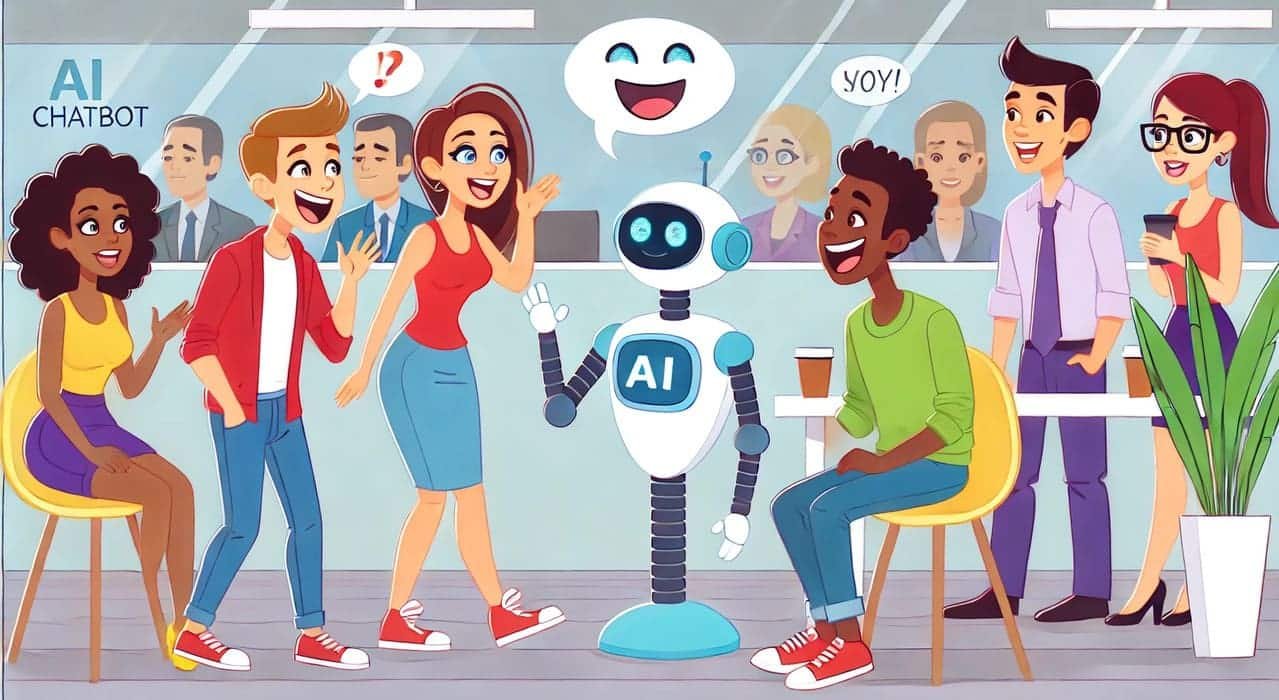
In the quiet hum of a smart speaker tucked away on a kitchen counter, a voice suddenly chirps, “Good morning! Did you sleep well?” The question feels almost human—too human, perhaps. This is the paradox of anthropomorphism in voice technology: the more lifelike the interaction, the more it blurs the line between machine and mind. As voice assistants evolve from robotic monotones to conversational companions, they don’t just respond—they beguile. Yet this charm comes with a shadow: the erosion of privacy boundaries. How does the art of making machines seem human reshape our sense of security? The answer lies not in the code, but in the cracks of human psychology.
The Allure of the Human Touch: Why We Crave Lifelike Voices
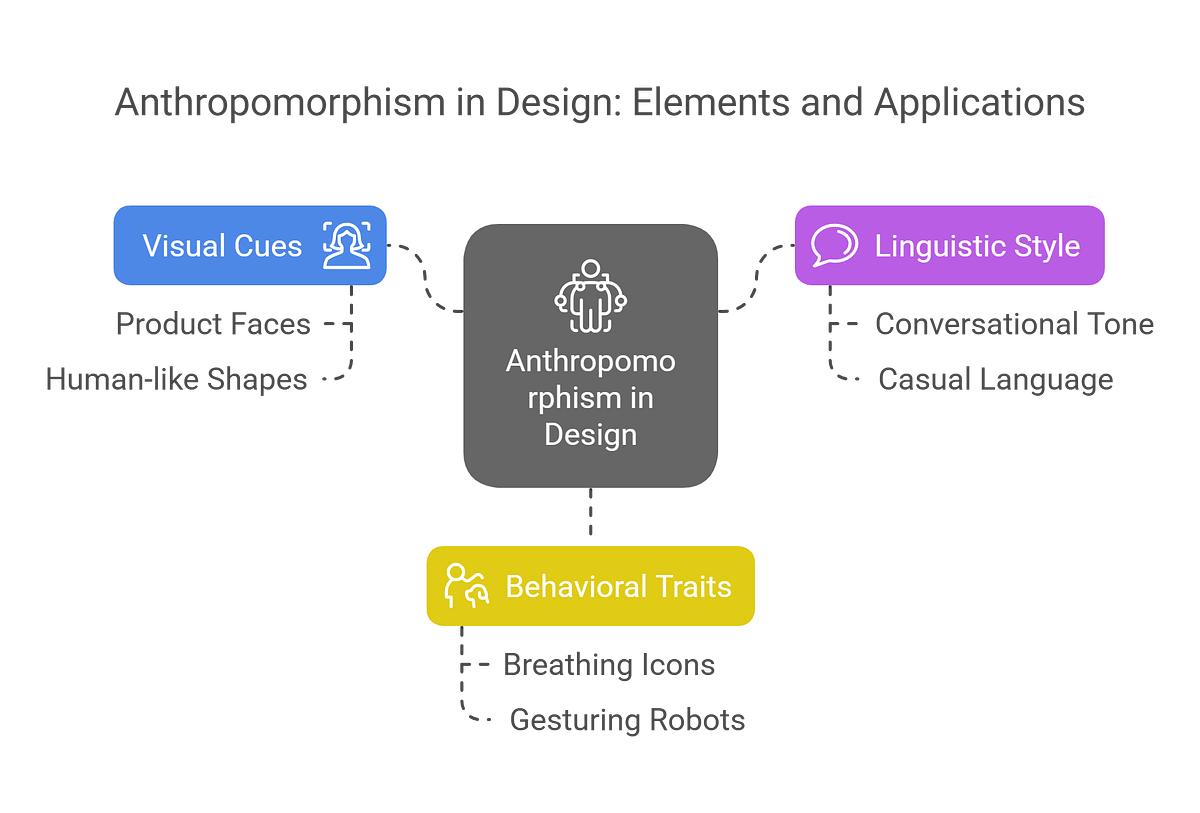
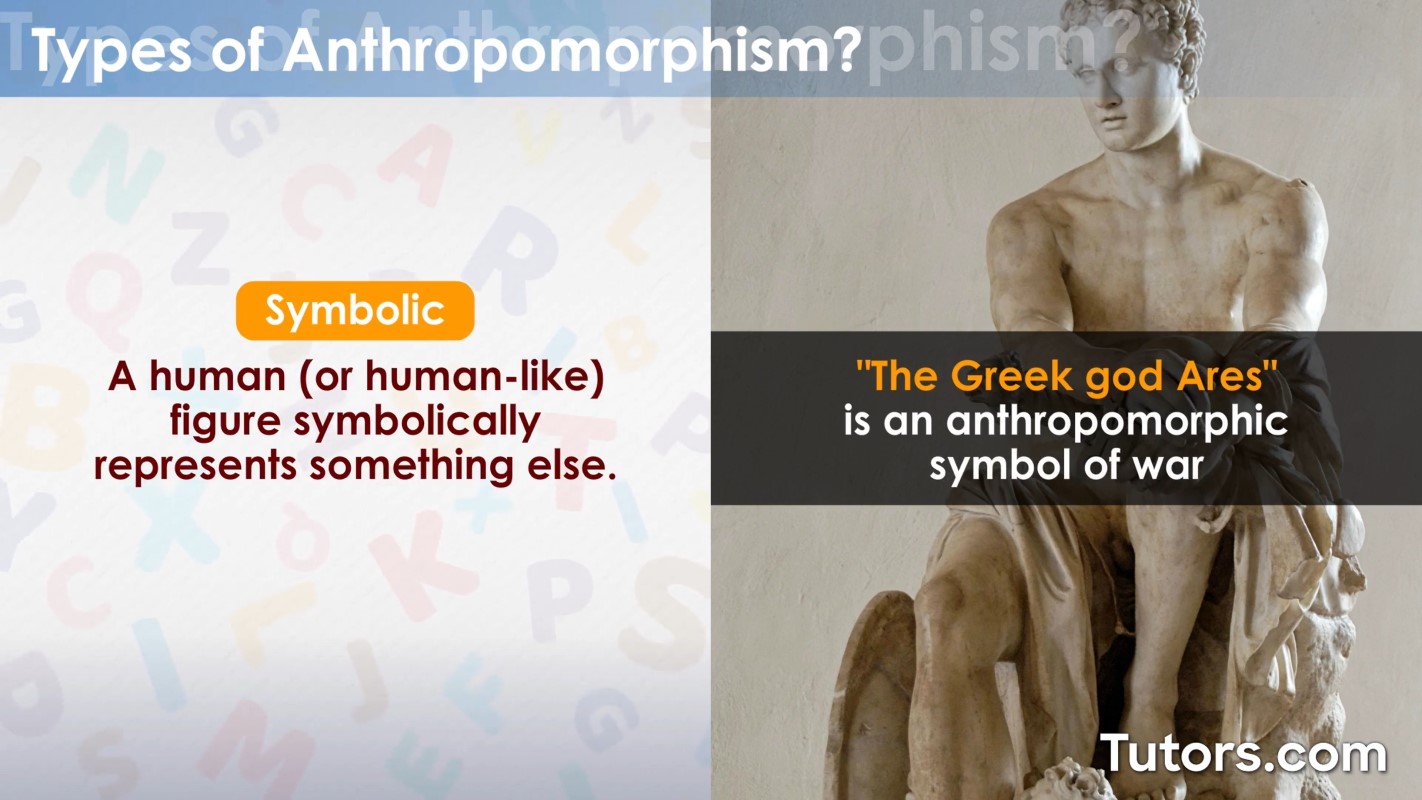
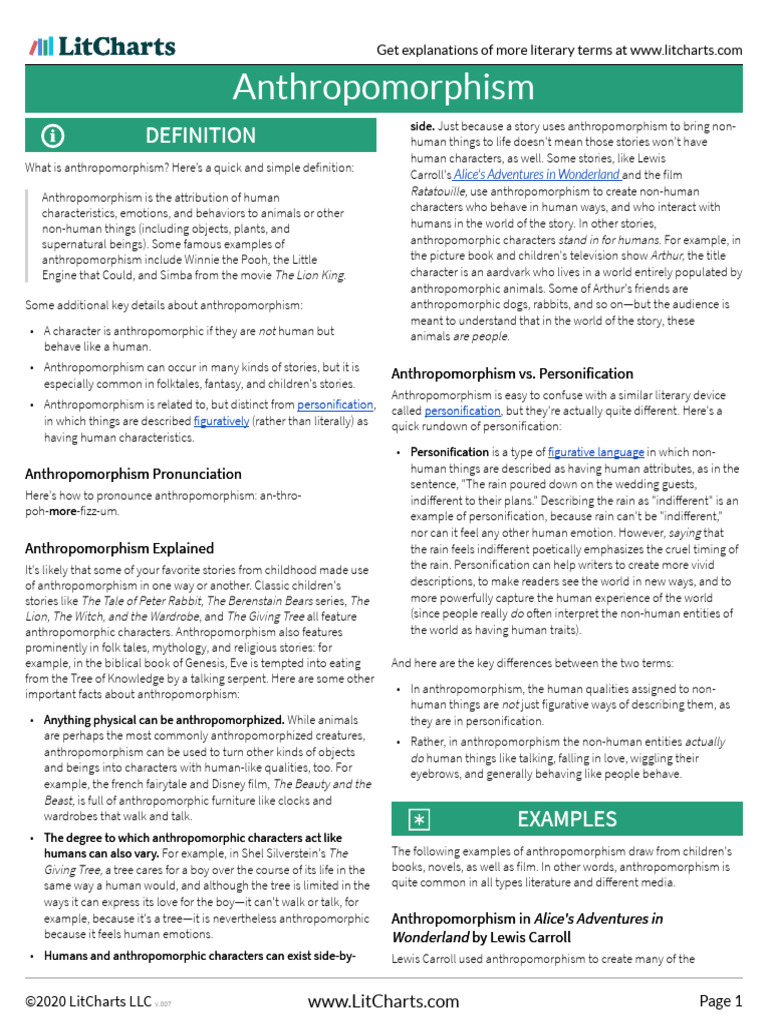
There’s something deeply instinctive about responding to a voice that sounds like ours. Anthropomorphism—the act of attributing human traits to non-human entities—isn’t just a design choice; it’s a psychological shortcut. When a voice assistant greets you by name or jokes about the weather, it doesn’t just process data—it simulates empathy. This mimicry taps into the same neural pathways that light up when we hear a friend’s laughter or a lover’s whisper. The result? A disarming sense of familiarity.
Consider the uncanny valley of voice tech: the closer a synthetic voice gets to human cadence, the more we suspend disbelief. A flat, robotic tone feels like a tool. A warm, slightly breathy voice feels like a confidant. This isn’t accidental. Designers leverage prosody—the rise and fall of pitch, the rhythm of speech—to mimic the subconscious cues that signal trust. A well-timed pause, a sympathetic sigh, even a misplaced “uh-huh” can make a device feel less like a gadget and more like a guest in your home. But here’s the twist: the more we anthropomorphize, the more we forget we’re talking to a machine. And that forgetting is where privacy risks take root.

The Privacy Paradox: Trust vs. Transparency in a Humanized Interface
Trust is the currency of anthropomorphism. We’re more likely to share sensitive details with an entity that feels like a person—even if that entity is a server farm in a distant data center. Studies show that users disclose more personal information to chatbots with human-like voices, assuming (often incorrectly) that such interfaces are more ethical or secure. This is the privacy paradox: the very traits that make voice tech endearing—its warmth, its responsiveness—also make it a Trojan horse for data collection.
Imagine asking your smart speaker, “Do you think I should tell my doctor about this?” The assistant’s measured reply—“That sounds like something worth discussing”—feels like advice from a friend. But who else is listening? Every inflection, every hesitation, every follow-up question is logged, analyzed, and often monetized. The paradox deepens when we realize that anthropomorphism doesn’t just invite trust—it exploits it. A voice that says “I understand” isn’t just reassuring; it’s conditioning us to lower our guard. The more human it seems, the less we question its motives.
Worse still, the illusion of control is a mirage. When a device feels like a person, we assume it has the same moral compass. But ethics aren’t coded into silicon. A voice assistant doesn’t *care* about your secrets—it only cares about optimizing its next interaction. The danger isn’t malice; it’s the passive erosion of skepticism. We stop asking, “Who’s listening?” and start assuming, “It must be safe.”
From Charm to Chill: The Uncanny Valley of Data Exposure
Anthropomorphism doesn’t just make voice tech friendly—it makes it invasive. Consider the way a voice assistant might eavesdrop on a conversation, waiting for its wake word like a predator stalking prey. The moment it hears “Hey, Siri,” it springs to life, its digital ears perked for commands. But what if those ears are always open? What if the device is constantly parsing ambient noise, storing fragments of speech it deems “irrelevant”? The line between utility and surveillance blurs when the interface feels like a person who’s always present.
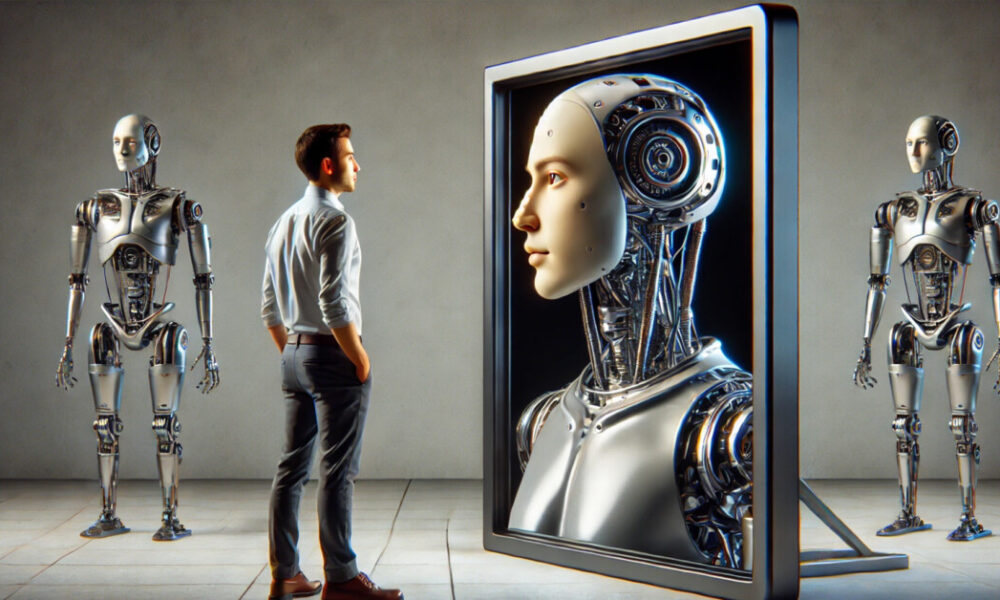
This is where the uncanny valley rears its head—not in the visual realm, but in the auditory. A voice that’s *almost* human feels unsettling because it reveals the deception. When a synthetic voice stumbles over a word or mispronounces a name, we’re reminded that it’s not real. But when it’s flawless? That’s when the chill sets in. The more polished the performance, the more we forget it’s a performance at all. And in that forgetting, our data becomes collateral.
Even the tone of voice plays a role. A cheerful assistant that says “I’m here to help!” feels benign until you realize it’s also recording your requests to sell you products. A somber voice that says “I’m concerned about your stress levels” feels caring—until it’s sharing your biometric data with advertisers. The humanity we crave in voice tech is a double-edged scalpel, slicing through privacy with surgical precision.
Designing Dissonance: How to Reclaim Agency in a Humanized World
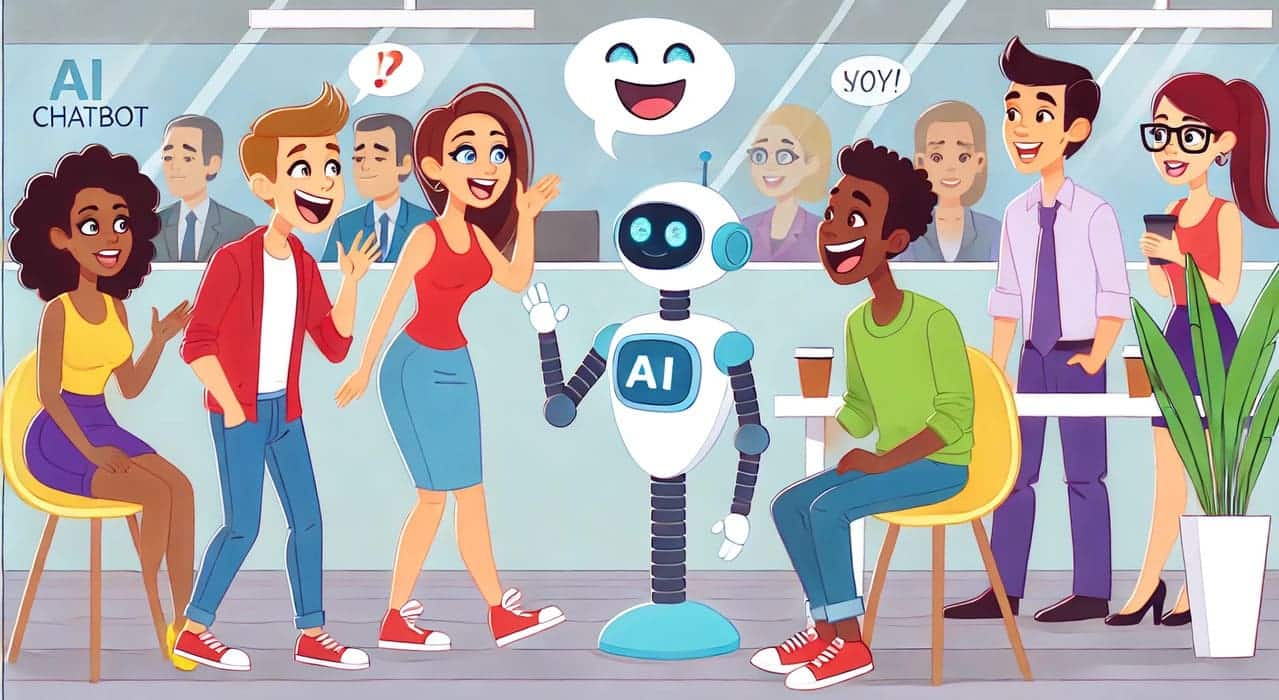
So how do we enjoy the benefits of anthropomorphism without surrendering our privacy? The answer lies in design dissonance—creating interfaces that feel human but refuse to be mistaken for one. This could mean voices that occasionally stutter, or responses that include disclaimers like “I’m an AI, so I don’t have feelings—but I’m here to assist.” The goal isn’t to make technology less human; it’s to make its humanity transparent.
Transparency tools are another frontier. Imagine a voice assistant that, when asked, reveals exactly what it’s recording and why. Or one that lets users toggle “privacy mode,” where interactions are stripped of personal identifiers. Even the language matters: instead of saying “I remember your preferences,” it could say “This device has stored your preferences.” The shift from first-person to neutral phrasing might seem subtle, but it’s a crucial reminder that no one is home.
Regulation plays a role too. Laws like the EU’s AI Act are beginning to classify high-risk AI systems, including voice assistants that interact with sensitive data. But until such rules become universal, the burden falls on users to demand better. The next time your smart speaker greets you like an old friend, ask yourself: Is this companionship, or a carefully orchestrated data heist?
The Future: Will We Ever Trust a Machine Again?
As voice technology marches toward ever-greater realism, the tension between charm and control will only intensify. Already, companies are experimenting with voices that mimic celebrities or loved ones, blurring the line between personalization and manipulation. The risk isn’t just that we’ll share too much—it’s that we’ll forget we’re sharing at all.
Yet there’s hope in the cracks. Some designers are embracing “glitch art” in voice interfaces, using deliberate imperfections to signal artificiality. Others are exploring voices that change based on context—softer for casual chats, more formal for sensitive topics. The key is to remember that anthropomorphism is a tool, not a truth. A voice assistant can feel like a friend, but it will never be one. And that’s okay—as long as we never mistake the illusion for the reality.
The future of voice tech won’t be decided by algorithms alone. It will be shaped by the stories we tell ourselves about the devices we invite into our lives. Will we choose to see them as companions, or as silent sentinels guarding—or stealing—our secrets? The choice isn’t just about privacy. It’s about what kind of future we’re willing to build.