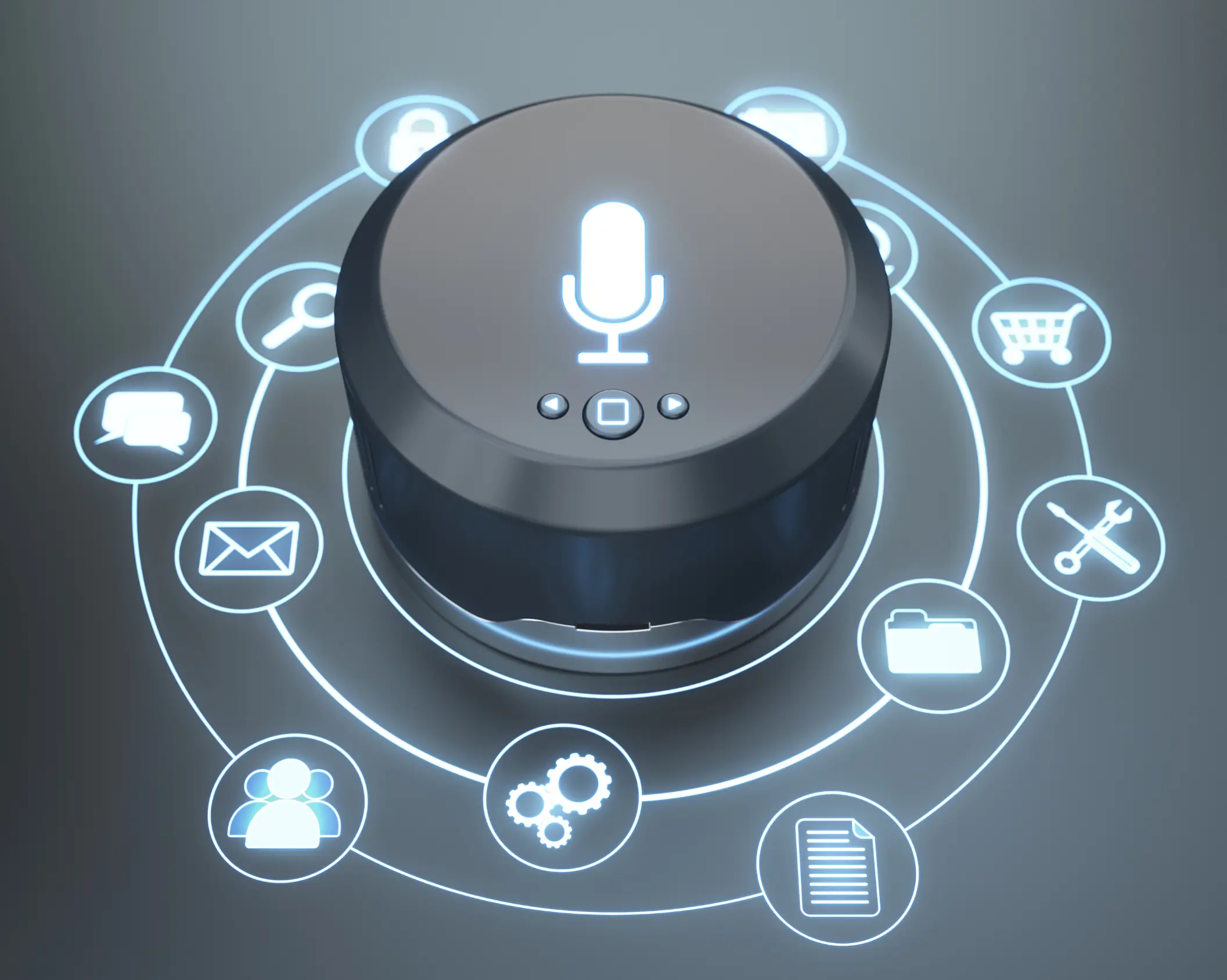
In the grand theater of modern commerce, brands are no longer content to merely whisper in the ears of consumers—they now speak in voices that breathe, emote, and almost live. The phenomenon of voice assistants adopting human-like traits is not a fleeting trend but a deliberate metamorphosis, a calculated embrace of anthropomorphism that blurs the line between tool and companion. This evolution is not born from whimsy alone; it is a strategic symphony where psychology, technology, and storytelling converge to craft an experience that feels eerily familiar, yet magically novel. To understand why brands clothe their digital interlocutors in the garb of humanity, we must venture beyond the surface of convenience and convenience alone, into the labyrinth of human connection, cognitive ease, and the alchemy of trust.
The Allure of the Familiar: Why Human Traits Feel Like Home
At the heart of this transformation lies a fundamental truth: humans are wired to seek patterns, to anthropomorphize the inanimate, and to find solace in the familiar. When a voice assistant greets us with a warm “Hello!” or chuckles at a witty remark, it does not merely respond—it simulates a social interaction, a microcosm of human dialogue. This mimicry is not deception; it is an invitation to suspend disbelief, to treat the digital as if it were flesh and blood. Brands leverage this innate tendency by endowing their assistants with traits that feel like home: a soothing tone, a playful cadence, or even the occasional stumble over words to mimic human imperfection. The result? A cognitive ease that lowers barriers, making interactions feel less like transactions and more like conversations with a neighbor who just happens to know the price of avocados.
Consider the subtle power of a voice that hesitates before answering, as if gathering its thoughts. This fleeting imperfection is not a flaw—it is a bridge. It transforms the assistant from a cold, algorithmic oracle into a relatable entity, one that mirrors the ebb and flow of human speech. In an era where digital interactions often feel sterile and transactional, these human-like quirks become the emotional glue that binds users to the brand.
The Psychology of Trust: When Machines Wear Faces (or Voices)
Trust is the currency of modern commerce, and brands are minting it by draping their voice assistants in the robes of humanity. Psychological studies reveal that people are more likely to trust entities that exhibit human-like behaviors, even if those entities are purely digital. This phenomenon, known as the “uncanny valley” in reverse, suggests that the closer an artificial entity resembles a human, the more we are inclined to anthropomorphize it—and, by extension, trust it. When a voice assistant apologizes for a misunderstanding or expresses empathy (“I’m sorry to hear that!”), it triggers the same neural pathways as a human apology, forging a bond that transcends the transactional.
Moreover, human-like traits in voice assistants tap into the concept of social presence, the feeling that another intelligent being is present during an interaction. This presence is not just about words; it is about the rhythm of speech, the inflection of a question, or the warmth of a farewell. Brands that harness this psychological lever create an illusion of companionship, making users more likely to confide in their assistants, seek their advice, and, ultimately, remain loyal. In a world where skepticism toward faceless corporations runs rampant, a voice that feels human is a beacon of authenticity.
The Theater of Brand Personality: Crafting a Digital Persona
Brands are not merely adopting human traits—they are crafting personas, complete with personalities that reflect their values and aspirations. A voice assistant for a luxury brand might adopt a refined, measured tone, evoking the gravitas of a butler in a grand estate. Conversely, a brand targeting Gen Z might infuse its assistant with humor, slang, and a dash of irreverence, mirroring the cadence of a witty friend. This deliberate curation of personality transforms the assistant from a mere tool into a brand ambassador, one that embodies the ethos of the company it represents.
The magic lies in consistency. A voice assistant that speaks in the same cadence, employs the same idioms, and reacts with the same emotional tenor across every interaction becomes a recognizable character in the user’s daily life. Over time, this consistency fosters a sense of familiarity, turning a utility into a ritual. Users begin to anticipate the assistant’s responses, not just for their utility, but for the experience they provide—a brief respite from the mundane, a digital confidant that feels almost tangible.
Imagine an assistant that remembers your coffee order, jokes about the weather, and gently nudges you to hydrate—suddenly, it is no longer a machine but a digital companion, a silent partner in the symphony of daily life. This is the power of brand personality: it turns a functional interaction into a narrative, where the user is the protagonist and the assistant is the guide, the jester, or the sage.
The Alchemy of Engagement: Turning Users into Advocates
Human-like traits in voice assistants are not just about trust or familiarity—they are about engagement. When an assistant feels like a person, users are more likely to interact with it beyond its primary function. They might ask it for jokes, seek its opinion on a product, or even confide in it about their day. This extended engagement is the holy grail of digital marketing, transforming passive users into active participants in a brand’s ecosystem.
Consider the case of a voice assistant that helps users plan their week. Beyond scheduling appointments, it might offer motivational quotes, suggest productivity hacks, or even share a random fact about the day’s date. These small, human-like touches create a sense of reciprocity, making users feel that the assistant is not just serving them but caring for them. Over time, this care translates into loyalty, as users begin to associate the brand with positive emotions and memorable interactions.
The ripple effect of this engagement is profound. Satisfied users are more likely to recommend the brand to others, to leave glowing reviews, or to return for repeat purchases. In essence, the human-like assistant becomes a silent evangelist, spreading the brand’s message not through advertisements, but through the organic, authentic interactions it facilitates. This is the alchemy of engagement: turning a simple tool into a catalyst for brand advocacy.
The Future: Where Human and Machine Converge
As technology advances, the line between human and machine will continue to blur, and voice assistants will evolve from digital entities to digital companions. The future may see assistants that not only mimic human speech but also adapt their personalities based on user preferences, moods, or even biometric data. Imagine an assistant that senses your stress and responds with a calming tone, or one that celebrates your achievements with genuine enthusiasm. This is not science fiction—it is the next frontier of human-computer interaction.
Yet, with this evolution comes responsibility. Brands must tread carefully, ensuring that the human-like traits they imbue in their assistants do not cross into manipulation or deception. The goal is not to create a simulacrum of humanity but to enhance the user experience, to make technology feel less like an intrusion and more like a seamless extension of daily life. When done right, the convergence of human and machine will not diminish our humanity—it will amplify it, creating a world where technology feels less like a tool and more like a partner in the grand narrative of life.
The brands that succeed in this endeavor will be those that understand the power of the human touch, not as a gimmick, but as a fundamental human need. In the end, the appeal of voice assistants with human-like traits is not just about convenience or efficiency—it is about connection, about the age-old desire to feel seen, heard, and understood, even by the cold, unfeeling machines that surround us.