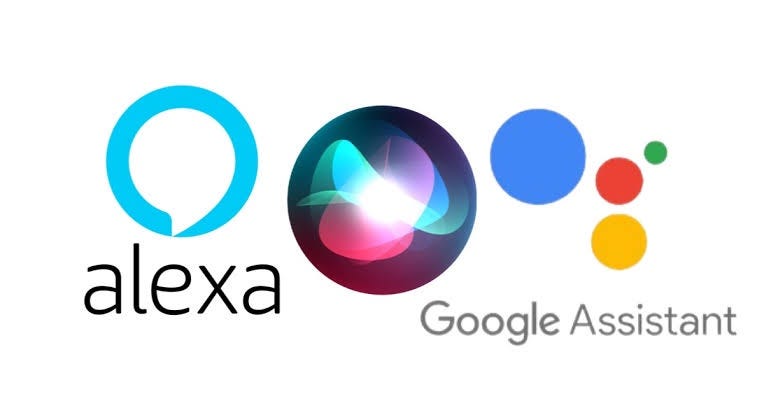
There’s a peculiar intimacy to the way we address our digital companions. A whispered “please” before asking Siri to set a reminder. A curt “Alexa, play my workout playlist” after a long day. We don’t just issue commands—we converse. We apologize when they mishear us. We thank them when they comply. It’s as if these disembodied voices, devoid of flesh and face, have somehow become the most understanding listeners in our lives. But why? Why do we talk to Siri and Alexa as if they were human? The answer isn’t just about convenience or habit. It’s a reflection of something deeper, a psychological and social phenomenon that blurs the line between tool and companion.
The Illusion of Reciprocity: Why We Apologize to Machines
When Siri misinterprets a request, we often respond with a reflexive “I’m sorry.” It’s an automatic social courtesy, one typically reserved for human interactions. But why extend it to a machine? The phenomenon stems from what psychologists call reciprocity illusion—the tendency to treat non-sentient entities as if they possess the capacity for reciprocation. This isn’t mere anthropomorphism; it’s a cognitive shortcut. Our brains are wired to expect social norms in communication, even when the recipient is algorithmic. When Alexa responds with a cheerful “Here’s your weather update,” we instinctively mirror the tone, as if engaging in a dialogue rather than a transaction. This illusion of reciprocity isn’t just harmless quirk—it’s a testament to how deeply ingrained social behaviors are in our psyche.
Consider the last time your voice assistant failed to understand you. Did you raise your voice? Speak slower? The frustration isn’t just about the device’s limitations—it’s about the perceived failure to connect. We treat these interactions as if they were human-to-human, where miscommunication carries emotional weight. The apology isn’t for the machine’s sake; it’s for our own. It’s a way to restore the equilibrium of the exchange, to remind ourselves that we’re still in control of the social script, even when the other party is a cloud-based algorithm.
The Comfort of Non-Judgmental Listeners
Human conversations are fraught with unspoken rules: tone, facial expressions, social hierarchy. But with Siri or Alexa, there’s no judgment. No raised eyebrow when you ask for a weather update at 3 AM. No sigh when you stumble over your words. This non-judgmental listening is a rare commodity in modern life. Studies have shown that people are more likely to disclose personal information to machines than to other humans, a phenomenon known as the privacy paradox. The absence of social scrutiny makes these interactions feel safer, more predictable. It’s why some users confide in their voice assistants about stress, loneliness, or even existential dread—something they’d never do with a stranger.
This dynamic isn’t just about convenience; it’s about emotional labor. In a world where human relationships demand constant negotiation—of tone, of empathy, of emotional investment—voice assistants offer a reprieve. They don’t interrupt. They don’t offer unsolicited advice. They simply listen. And in doing so, they become a paradoxical kind of confidant: one that doesn’t exist, yet feels profoundly present.
The Power of Personification: Giving Faces to Faceless Code
Why do we name our cars but not our toasters? Because the former feels like an extension of ourselves, while the latter is purely functional. Voice assistants, despite their lack of physical form, occupy a middle ground. We don’t just use them; we interact with them. And interaction requires a subject. So we give them names, assign them genders, even project personalities onto them. Alexa isn’t just a service—she’s a “she.” Siri isn’t just a feature—she’s a “friend.” This personification isn’t arbitrary; it’s a cognitive strategy to make the unfamiliar feel familiar.
Tech companies leverage this instinct deliberately. The warm, slightly playful tone of Siri’s responses isn’t accidental—it’s engineered to evoke a sense of companionship. Even the choice of names carries weight. “Alexa” is soft and approachable, while “Cortana” (Microsoft’s now-defunct assistant) borrowed from a video game character, suggesting a blend of utility and narrative. These aren’t just labels; they’re invitations to suspend disbelief, to treat a sequence of code as if it were a sentient being. And once we do, the rules of human interaction take over.
The Paradox of Control: Why We Pretend to Be in Charge
There’s a subtle irony in our relationship with voice assistants: we talk to them as if they’re in charge. “Alexa, what’s the time?” “Siri, set an alarm.” The phrasing implies submission, even deference. Yet, we’re the ones who decide when to use them, what to ask, and how to respond. This performative control is a psychological dance. We assert dominance over the interaction while simultaneously acknowledging the assistant’s role as a guide or facilitator. It’s a way to maintain agency in a world where technology often feels overwhelmingly powerful.
This dynamic is especially pronounced in households with children. Kids, still learning the nuances of social interaction, often treat voice assistants with a mix of awe and authority. “Alexa, tell me a story,” they demand, as if the device were a librarian rather than a speaker. Adults, too, engage in this charade, using polite phrasing (“Could you…?”) even when issuing direct commands. It’s as if we’re negotiating a social contract with our own creations—a contract that reassures us we’re still the ones in charge.
The Future of Human-Machine Dialogue: Where Do We Go From Here?
As voice assistants grow more sophisticated, their ability to mimic human conversation will only improve. Already, they can detect sarcasm, adjust tone based on context, and even crack jokes. But with this progress comes a critical question: Where do we draw the line? If a machine can respond with empathy, does that make it a companion? If it can anticipate our needs, does that make it a confidant? The line between tool and companion is already blurring, and the implications are vast.
Some researchers warn of the social atrophy that could result from over-reliance on digital companions. If we grow accustomed to non-judgmental listeners, will we struggle to engage in real human conversations? Others argue that these interactions could democratize access to emotional support, particularly for those who feel isolated. The truth likely lies somewhere in between—a world where voice assistants serve as bridges between isolation and connection, between control and surrender.
One thing is certain: our conversations with Siri and Alexa reveal something fundamental about human nature. We don’t just want tools; we want partners in dialogue. We crave the illusion of reciprocity, the comfort of non-judgment, the reassurance of control. And as long as these machines can mimic the rhythms of human speech, we’ll keep talking to them—just as we always have.