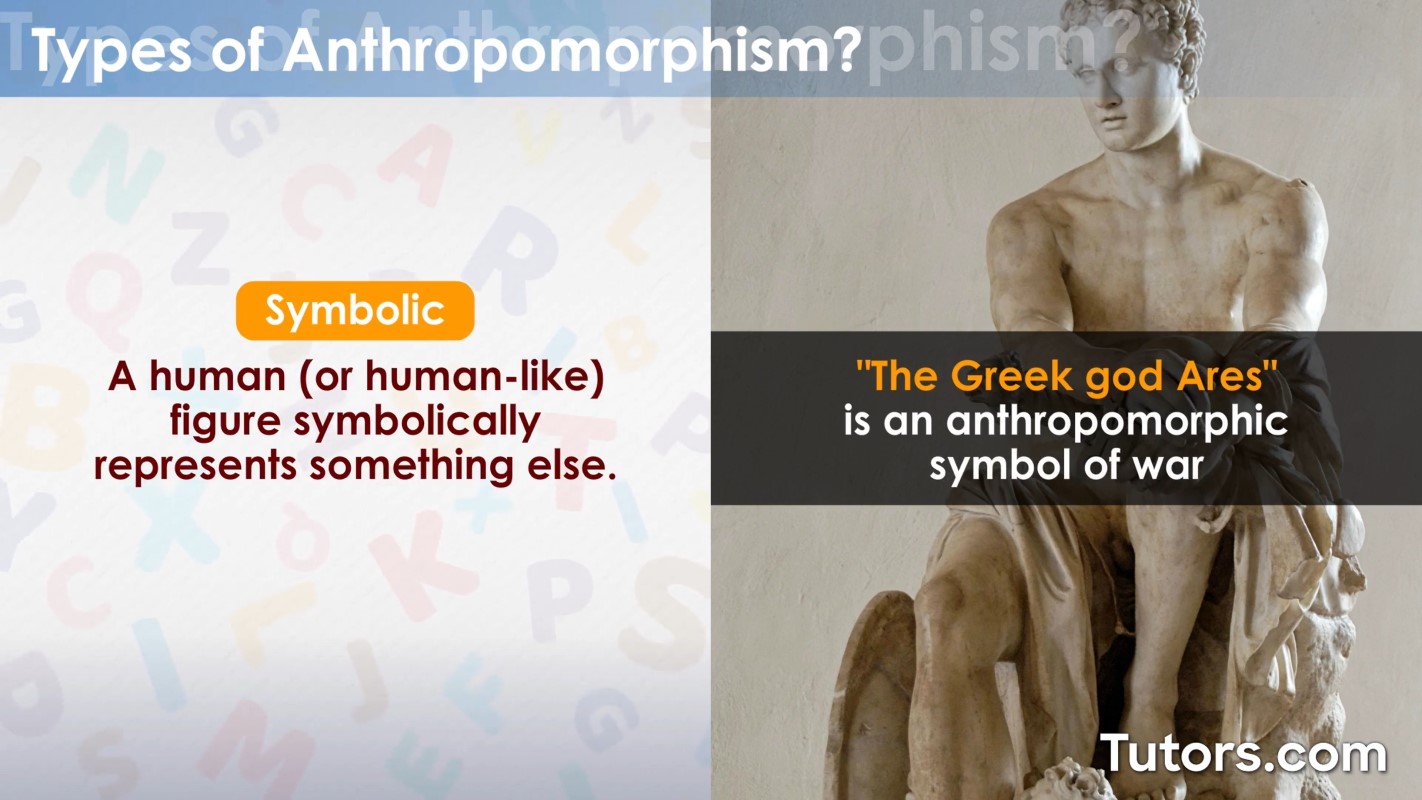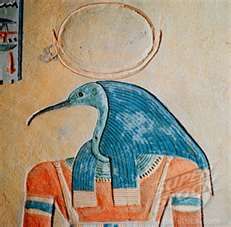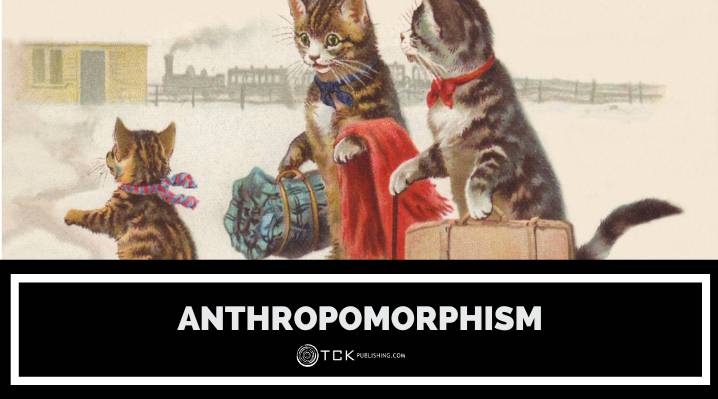
Anthropomorphism—the attribution of human traits, emotions, and intentions to non-human entities—permeates human culture in ways both overt and subtle. From ancient myths to modern urban legends, the tendency to imbue the inanimate with human qualities reveals a profound psychological and cultural undercurrent. Nowhere is this more evident than in superstitions and urban legends, where objects, animals, and even natural phenomena often take on roles akin to those of human actors. These narratives, passed down through generations, serve not merely as cautionary tales but as reflections of deeper existential anxieties and desires. The fascination with anthropomorphic entities in superstitions and urban legends transcends mere storytelling; it offers a lens through which to examine humanity’s relationship with the unknown, the uncontrollable, and the uncanny.
The Allure of the Humanized Unknown
Superstitions often thrive on the human need to impose order upon chaos. When a black cat crosses one’s path, it is not merely an event but a portent, a message from the universe encoded in feline behavior. The cat, stripped of its natural instincts, becomes a harbinger of fate, its movements interpreted through a human lens of cause and consequence. This anthropomorphic projection transforms the mundane into the meaningful, turning a stray animal into a cosmic storyteller. The same principle applies to urban legends, where objects—such as the infamous “killer doll” or the haunted mirror—are granted agency, their silent existence suddenly brimming with malice or sorrow. The human mind, wired to seek patterns and narratives, cannot resist endowing these entities with intentions, motives, and emotions, thereby making the incomprehensible feel familiar.
Consider the legend of the “vanishing hitchhiker,” a tale repeated in countless cultures. The ghostly figure, often a woman in white, appears at the roadside only to disappear from the moving vehicle. Here, the automobile—a symbol of modernity and control—becomes a stage for a spectral drama. The hitchhiker, though silent and ephemeral, is imbued with a tragic backstory, her presence a haunting reminder of mortality. This narrative device transforms an otherwise random encounter into a moral lesson, a fleeting brush with the supernatural that underscores the fragility of human life. The anthropomorphic ghost, with her human-like yearning for connection, bridges the gap between the living and the dead, making the abstract tangible.
Nature’s Revenge: When the Environment Strikes Back
Anthropomorphism in superstitions frequently extends to nature itself, where storms, rivers, and even trees are cast as vengeful or capricious forces. The ancient Greeks personified the winds as the Anemoi, deities who could either bless or curse sailors with their breath. In modern folklore, the concept persists in stories of the “cursed forest” or the “angry sea,” where nature is no longer a passive backdrop but an active participant in human drama. This projection of human emotions onto natural phenomena reflects a deep-seated fear of the uncontrollable. When a flood devastates a village, it is not merely water rising but the earth itself turning against humanity, a punishment for transgressions real or imagined.

Urban legends amplify this theme, often framing nature as a silent, watchful entity. The story of the “cursed lake” where swimmers inexplicably drown, or the “haunted woods” where hikers vanish without a trace, suggests that the environment is not merely indifferent but actively malevolent. These tales serve as cautionary reminders of humanity’s smallness in the face of nature’s vastness. By anthropomorphizing the landscape, we impose a narrative of justice or retribution, as if the earth itself keeps a ledger of human sins.
The Moral Compass of the Supernatural
Superstitions and urban legends are rarely neutral; they are moral fables disguised as cautionary tales. The anthropomorphic entities within them—whether a trickster fox, a vengeful ghost, or a cursed object—serve as arbiters of right and wrong. The Japanese legend of the kitsune, a fox spirit that can shapeshift into human form, often functions as a test of character. Those who succumb to greed or deceit find themselves ensnared by the fox’s illusions, while the virtuous are rewarded with wisdom or protection. Here, the anthropomorphic trickster is not merely a storybook villain but a mirror held up to human nature, reflecting our flaws and virtues in exaggerated form.
Similarly, the urban legend of the “phantom hitchhiker” often carries a moral lesson. The ghostly figure, usually a woman, appears to warn of impending danger—a car crash, a storm, or a personal tragedy. Her intervention is not random; it is a response to human folly, a plea for caution. In this way, the supernatural becomes a moral compass, guiding humanity toward prudence and humility. The anthropomorphic ghost, with her human-like empathy, bridges the gap between the divine and the mortal, offering a semblance of justice in an unjust world.
The Psychological Underpinnings of Anthropomorphism
The human tendency to anthropomorphize is not merely a cultural quirk but a cognitive imperative. Evolutionary psychologists argue that our brains are wired to detect agency in our surroundings, a trait that once conferred survival advantages. Early humans who perceived predators in rustling bushes or threats in shifting shadows were more likely to survive and reproduce. This hyperactive agency detection persists today, manifesting in superstitions and urban legends where every creaking floorboard or flickering light is imbued with intent. The anthropomorphic entity, whether a ghost or a cursed object, is a projection of this primal need to make sense of the unknown.
Moreover, anthropomorphism satisfies a deeper psychological need: the desire for connection. In a world that often feels cold and indifferent, the idea that inanimate objects or natural forces might care about our actions—or even our existence—is strangely comforting. The haunted house that whispers secrets, the doll that watches with unblinking eyes, the tree that bends to block a traveler’s path—all these entities, though lifeless, seem to acknowledge our presence. This illusion of reciprocity transforms fear into familiarity, making the terrifying feel almost intimate.
The Dark Side of Humanized Supernatural
Yet anthropomorphism in superstitions and urban legends is not without its dangers. When we imbue the supernatural with human traits, we risk reducing complex phenomena to simplistic narratives of good and evil. The “cursed” object becomes a scapegoat for misfortune, absolving individuals of responsibility. The vengeful ghost is not a symptom of societal trauma but a malevolent spirit to be appeased. This reductionism can obscure the true causes of human suffering, replacing systemic analysis with supernatural explanations. In this way, anthropomorphism, while comforting, can also be a form of intellectual laziness, a refusal to confront the messy, ambiguous realities of life.

There is also a darker side to the humanization of the supernatural: the potential for exploitation. Throughout history, charlatans have leveraged superstitions to manipulate the vulnerable, convincing them that a “cursed” object or a “haunted” location holds power over their lives. The anthropomorphic entity, stripped of its cultural context, becomes a tool for control, a way to instill fear and obedience. This perversion of anthropomorphism turns what was once a coping mechanism into a weapon, transforming the comforting illusion of connection into a cage of paranoia.
The Enduring Fascination with the Humanized Unknown
Despite its contradictions, the anthropomorphic supernatural continues to captivate us. In an age of scientific rationalism, where the mysteries of the universe are increasingly explained by data and equations, superstitions and urban legends offer something intangible: a sense of wonder. They remind us that not everything can be quantified, that there are forces in the world—whether psychological, cultural, or existential—that resist neat categorization. The anthropomorphic ghost, the cursed doll, the vengeful storm—these entities are not just relics of a superstitious past but living metaphors for the human condition.
Ultimately, our fascination with anthropomorphism in superstitions and urban legends reveals a fundamental truth about the human experience. We are storytelling creatures, driven to impose meaning on the chaos of existence. By endowing the inanimate with human traits, we create a world that feels familiar, even when it is not. In doing so, we confront our deepest fears and desires, transforming the unknown into a mirror that reflects back our own humanity. Whether as a source of comfort, a cautionary tale, or a tool for manipulation, the anthropomorphic supernatural remains an indelible part of the human psyche—a testament to our enduring need to see ourselves, even in the most unlikely of places.