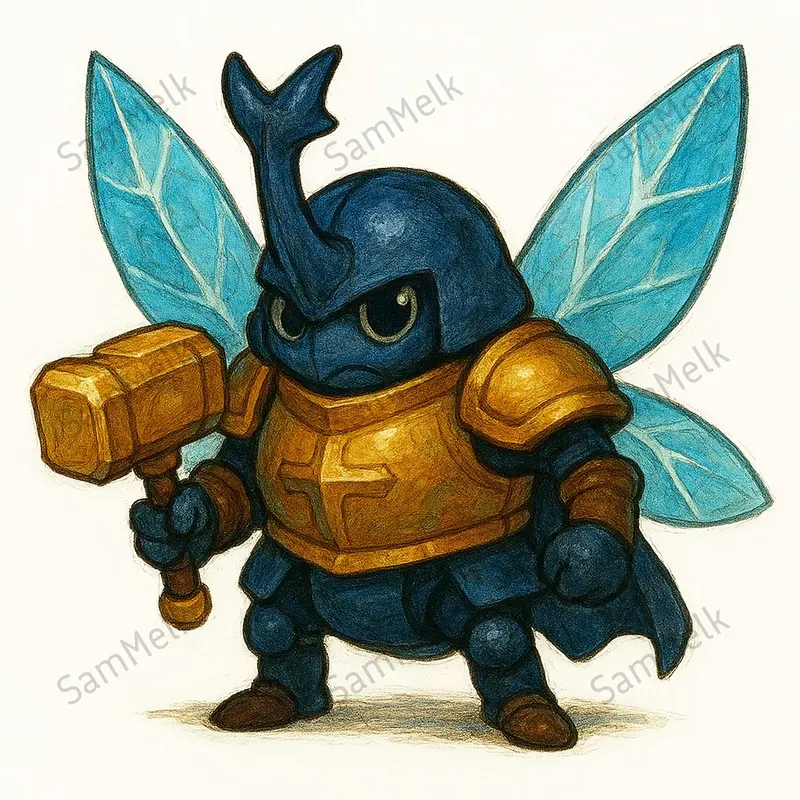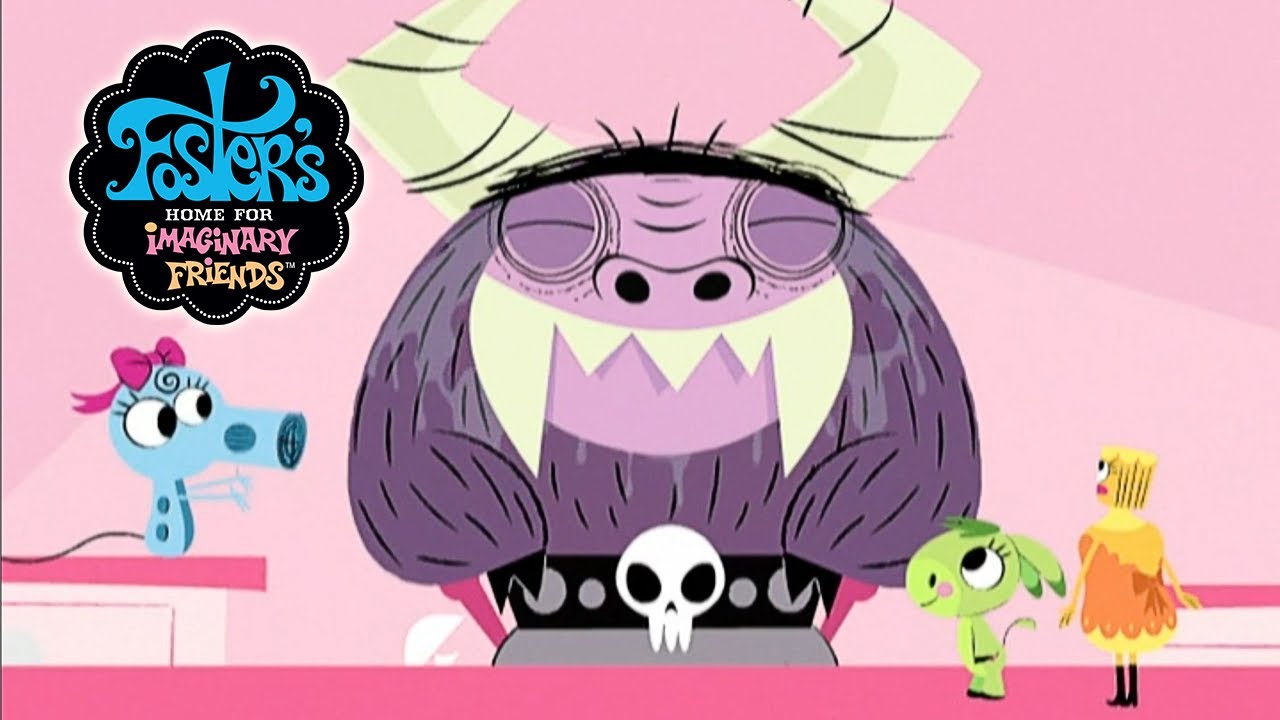
In the quiet corners of childhood bedrooms, where shadows stretch and whispers linger, something extraordinary unfolds. Children, with their boundless imaginations, conjure companions from thin air—friends who share secrets, endure adventures, and never judge. These are not mere figments of play; they are lifelines, stitching together the fabric of loneliness with threads of connection. But what if this phenomenon isn’t confined to the sandbox? What if the impulse to anthropomorphize—to imbue the inanimate with human traits—is a universal balm for the ache of isolation, woven into the very fabric of human psychology? This exploration peels back the layers of anthropomorphism and loneliness, revealing how our minds craft solace in the most unexpected places.
The Alchemy of Loneliness: Turning Absence into Presence
Loneliness is a paradox. It is both a void and a canvas, a silence that screams for meaning. When the world feels distant, the mind becomes an alchemist, transmuting absence into presence. Anthropomorphism is the crucible in which this magic happens. By projecting human qualities onto objects, animals, or even abstract concepts, we transform the unfamiliar into the familiar. A child’s stuffed bear becomes a confidant; a lonely traveler might name their car to stave off the stillness of the road. This isn’t mere imagination—it’s a survival mechanism, a way to domesticate the wild unknown of solitude.
Consider the phenomenon of “parasocial relationships,” where individuals form one-sided bonds with media figures, fictional characters, or even pets. These relationships thrive in the fertile soil of loneliness, offering the illusion of reciprocity without the vulnerability of real connection. The mind, desperate for interaction, manufactures it from the raw materials of perception. A study in the Journal of Experimental Psychology found that people who feel socially disconnected are more likely to anthropomorphize pets, gadgets, and even weather patterns. The lonelier we feel, the more we see humanity in the inhuman.

The Evolutionary Roots of Imaginary Companions
Anthropomorphism isn’t a modern quirk—it’s an evolutionary hand-me-down. Our ancestors, navigating a world teeming with unseen dangers, relied on pattern recognition to survive. A rustling bush could be a predator or the wind, but attributing human-like intent (a lurking enemy) was safer than assuming benign forces. This hypervigilance extended to the natural world: rivers became capricious spirits, storms bore the wrath of gods. Today, this same cognitive wiring drives us to see faces in clouds or assign emotions to inanimate objects. It’s not delusion; it’s an ancient survival tool repurposed for the modern psyche.
Children, with their unfiltered imaginations, are the most prolific anthropomorphizers. A 2019 study in Developmental Science revealed that kids as young as three routinely endow toys with thoughts and feelings. But why? Imaginary friends serve as emotional scaffolding, helping children navigate complex social landscapes before they’re ready for real-world interactions. These companions are not just playthings—they are practice partners, teaching empathy, conflict resolution, and even emotional regulation. For adults, the stakes are different but no less profound. In a society that often equates productivity with worth, anthropomorphism becomes a quiet rebellion—a way to reclaim agency in a world that feels increasingly mechanized.
The Digital Age: When Screens Become Confidants
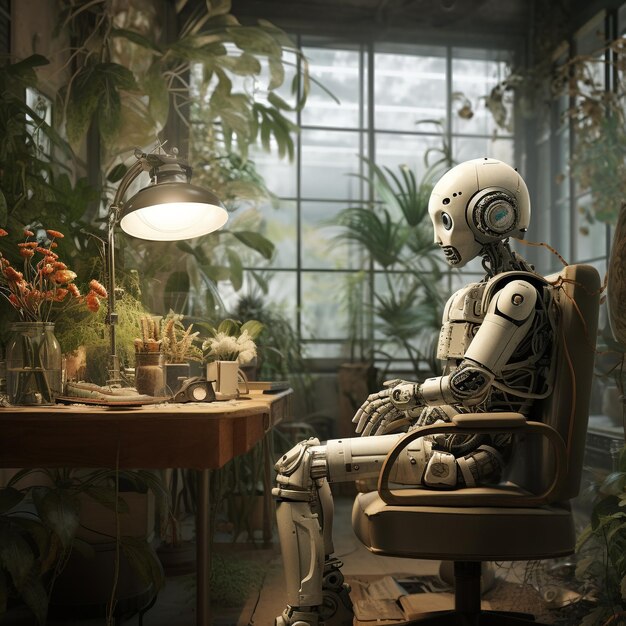
The 21st century has birthed a new kind of imaginary friend: the AI companion. Chatbots, virtual pets, and even algorithmic playlists now fill the silence once reserved for human voices. Apps like Replika or Tamagotchi-style digital pets offer companionship without the messiness of real relationships. Is this progress or a symptom of deeper isolation? The answer is nuanced. These tools can provide temporary solace, but they also risk eroding the very skills that make human connection meaningful—vulnerability, patience, and the ability to sit with discomfort.
Yet, anthropomorphism in the digital realm isn’t inherently harmful. It can bridge gaps for those who struggle with traditional social cues, such as individuals on the autism spectrum or people with social anxiety. A 2022 study in Computers in Human Behavior found that autistic adults often prefer interacting with AI because it lacks the unpredictability of human behavior. Here, anthropomorphism becomes a bridge, not a barrier. The key lies in balance: using these tools to supplement, not replace, human connection.
The Dark Side: When Anthropomorphism Feels Like a Trap
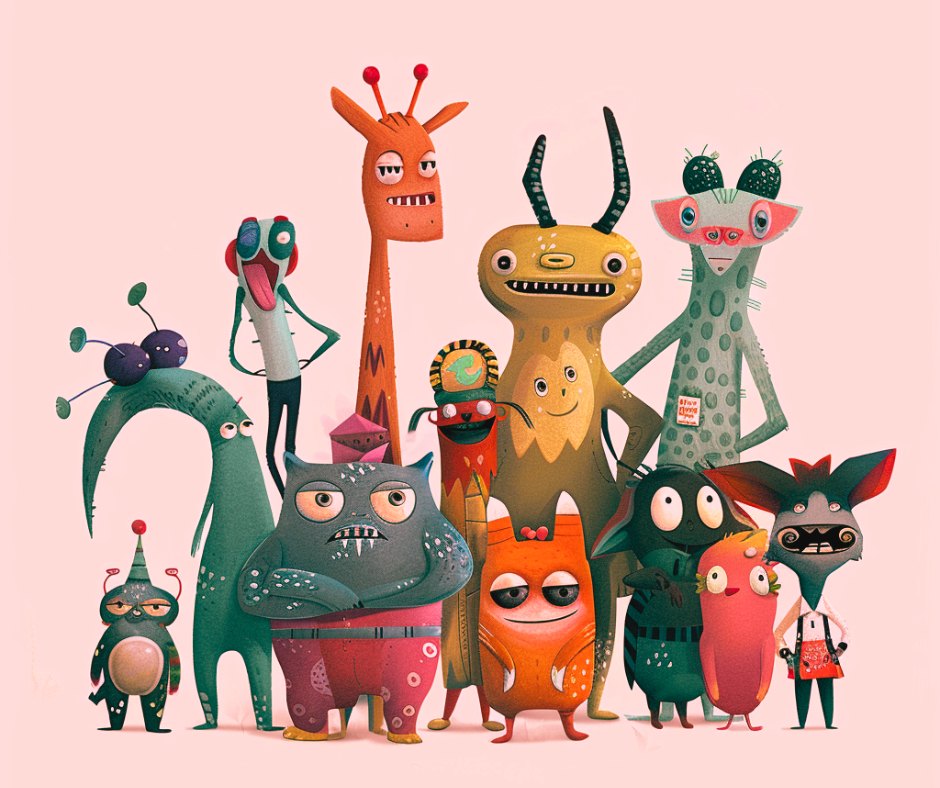
Not all anthropomorphism is benign. When loneliness curdles into desperation, the line between companion and crutch blurs. Consider the phenomenon of “pet rocks” or “lucky charms” that people treat as if they were sentient beings. In extreme cases, this can manifest as delusional disorders, where individuals become convinced that inanimate objects are alive and interacting with them. While these cases are rare, they underscore a darker truth: anthropomorphism, when unchecked, can become a prison of one’s own making.
Even in milder forms, over-reliance on anthropomorphized objects can stunt emotional growth. A study in the Journal of Personality and Social Psychology found that people who anthropomorphize their possessions (like cars or phones) report lower life satisfaction. Why? Because these objects, no matter how “human-like,” cannot reciprocate. They offer the illusion of connection but leave the core loneliness untouched. The danger isn’t in the act of anthropomorphizing itself, but in mistaking the shadow for the substance.
Reclaiming Connection: Beyond the Imaginary
So how do we harness the power of anthropomorphism without falling into its traps? The answer lies in intentionality. Instead of using imaginary friends as a substitute for real connection, we can use them as stepping stones. A child who talks to their stuffed animal might later confide in a sibling. An adult who names their plant might find the courage to join a community garden. The goal isn’t to eliminate anthropomorphism but to channel it toward growth.
For those struggling with loneliness, the first step is often the hardest: acknowledging the need for real connection. Anthropomorphism can be a temporary salve, but it’s not a cure. Therapy, support groups, or even structured social activities can help rewire the brain’s default setting from isolation to interaction. Cognitive Behavioral Therapy (CBT), for example, teaches individuals to challenge the thought patterns that fuel loneliness, replacing them with healthier narratives. In this light, anthropomorphism becomes a tool—not an endpoint.
The final revelation is this: anthropomorphism is not a sign of weakness but of resilience. It’s proof that the human mind, when faced with loneliness, doesn’t surrender—it creates. The challenge, then, is to ensure that these creations serve as bridges, not walls. Whether through art, storytelling, or simply naming the storm clouds that gather on a lonely afternoon, we can transform loneliness from a sentence into a starting point. The imaginary friend may always be there, but it doesn’t have to be alone.