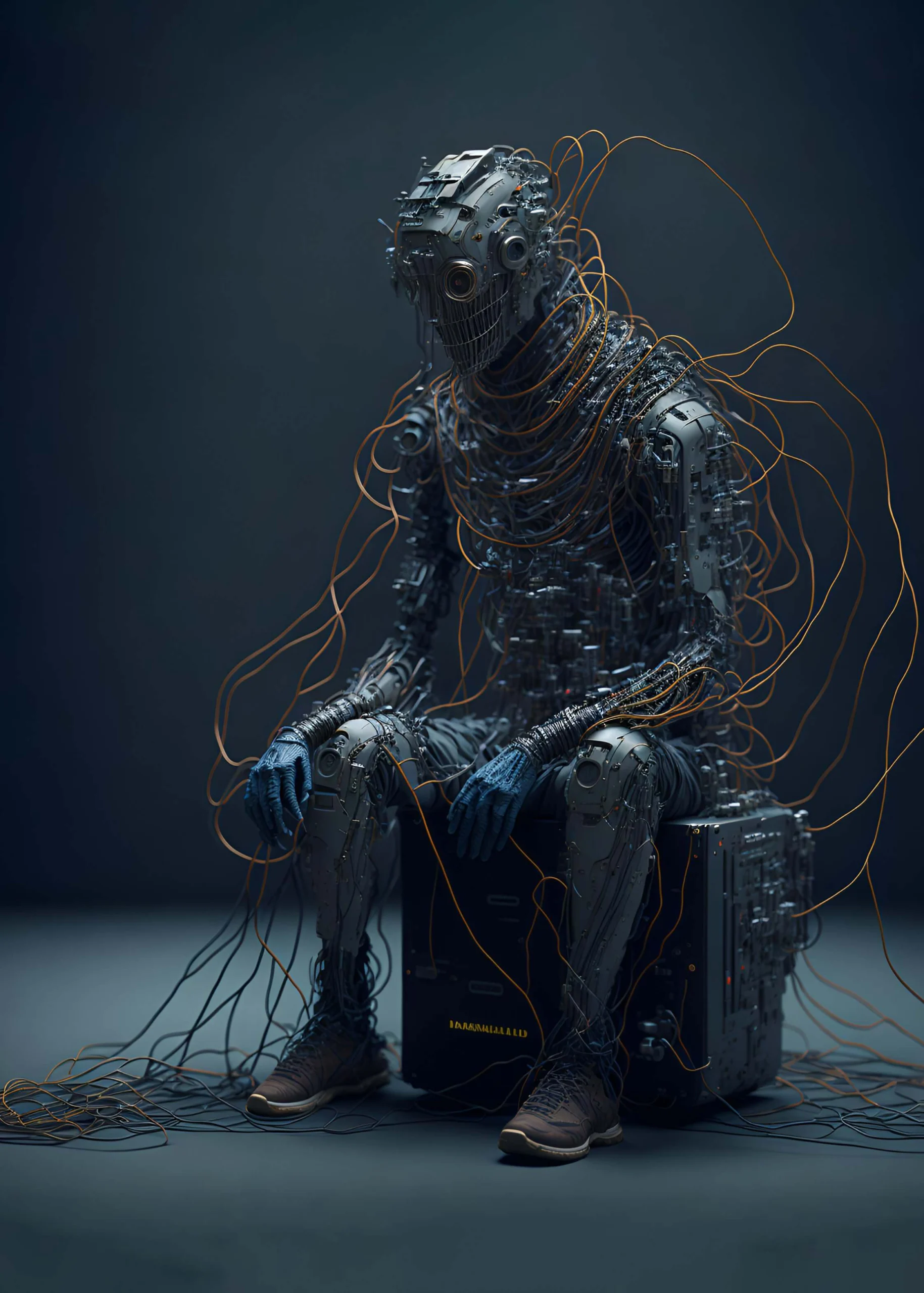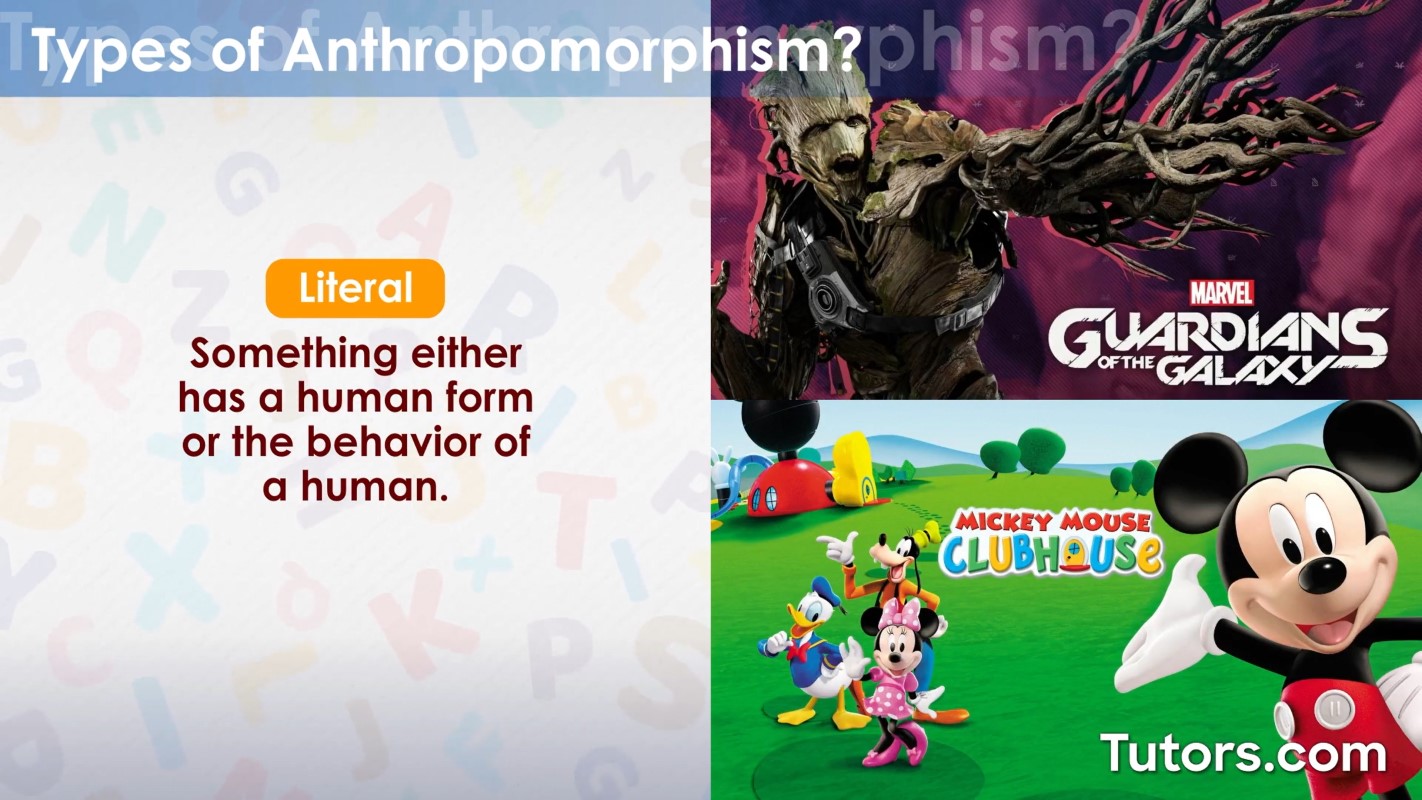
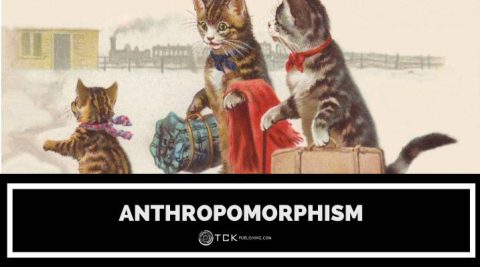
Have you ever chatted with your pet, only to swear it rolled its eyes at you? Or perhaps you’ve scolded a cloud for “mocking” you with its ominous shape? If so, you’ve already brushed shoulders with anthropomorphism—the art of ascribing human traits, emotions, and intentions to non-human entities. It’s the invisible puppeteer behind everything from children’s fables to corporate mascots, shaping how we perceive the world around us. But why does this cognitive sleight-of-hand feel so instinctive, and what happens when it blurs the line between imagination and reality?
The Allure of the Human Touch: Why We Anthropomorphize
At its core, anthropomorphism is a survival tool disguised as whimsy. Evolutionary psychologists posit that our brains are wired to detect agency—even where none exists—because mistaking a rustling bush for a predator was far less costly than the reverse. This hyperactive pattern-recognition system extends beyond threats; it seeks connection. A study in the Journal of Personality and Social Psychology found that people anthropomorphize objects more when they feel socially disconnected, as if imbuing a toaster with personality could compensate for the absence of human interaction. It’s a psychological balm, a way to domesticate the chaos of an indifferent universe by populating it with familiar faces.
Consider the humble traffic light. Its red, yellow, and green hues are arbitrary, yet we curse it for “being stubborn” when it turns red mid-turn. This isn’t mere frustration; it’s a subconscious negotiation with an inanimate system. Anthropomorphism transforms the abstract into the relatable, turning a cold algorithm into a capricious gatekeeper. The challenge? When this tendency spirals into superstition or fuels conspiracy theories—like attributing global events to the whims of a shadowy “they.”
From Myths to Marketing: Anthropomorphism in Culture
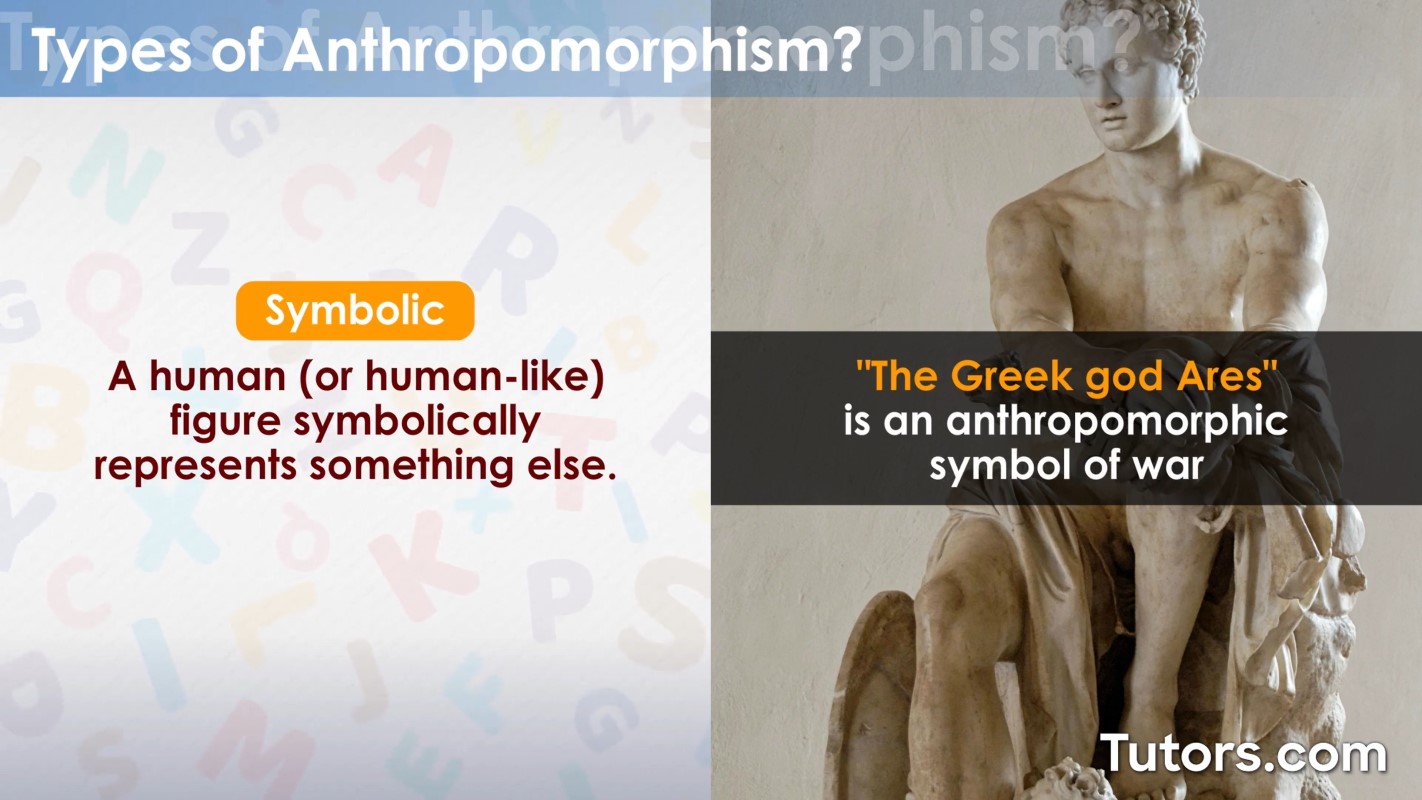
Long before corporate logos had personalities, ancient civilizations wove gods from the fabric of nature. The Greeks turned the sea into Poseidon, storms into Thor, and the Nile into Hapi. These weren’t just stories; they were frameworks for understanding the unpredictable. Fast-forward to the 21st century, and anthropomorphism is the backbone of branding. Mascots like Tony the Tiger or the Michelin Man don’t just sell cereal or tires—they sell friendship. They transform commodities into companions, leveraging the same neural pathways that once made us trust a village elder or a tribal chieftain.
Yet this cultural ubiquity comes with a paradox. While anthropomorphism fosters empathy—think of how Pixar’s Wall-E makes us care about a trash-compacting robot—it can also infantilize. When we reduce complex systems (like climate change or AI) to cartoonish villains or heroes, we risk oversimplifying their nuances. The challenge lies in harnessing this power without sacrificing depth. How do we balance the emotional resonance of a talking teapot with the gravity of the issues it represents?
The Science Behind the Magic: How Our Brains Do It
Neuroscience reveals that anthropomorphism isn’t just a quirk of imagination; it’s a cognitive shortcut. When we see a face in a power outlet or a smile in a banana, our brain’s fusiform face area lights up, the same region activated by human faces. fMRI studies show that anthropomorphizing objects triggers the same reward centers as social interaction, releasing dopamine and oxytocin. It’s why we feel a pang of guilt when we “hurt” a Roomba by ignoring its pleas for help.
But there’s a catch: this mental shortcut can backfire. Research in Cognition found that people who anthropomorphize robots are less likely to trust them in critical tasks, fearing they might “betray” their programmed roles. The irony? The more we humanize machines, the more we doubt their reliability. The challenge is designing systems that leverage anthropomorphism’s warmth without breeding false expectations—like expecting Siri to understand sarcasm or Alexa to share your grief over a canceled vacation.
Anthropomorphism in Art and Literature: A Double-Edged Brush
Literature thrives on anthropomorphism, from Aesop’s fables to Kafka’s Metamorphosis. Animals, objects, and even abstract concepts (like Death in The Book Thief) gain depth when they mirror human struggles. Yet this literary device isn’t without pitfalls. When used carelessly, it can reduce complex ideas to caricatures. A villainous corporation depicted as a mustache-twirling octopus might entertain, but it obscures the systemic issues at play.
Artists like Yayoi Kusama push the boundaries further, transforming polka dots into sentient entities that “watch” gallery visitors. Her work forces us to confront our own anthropomorphic impulses—why do we feel observed by inanimate patterns? The challenge for creators is to use this technique not as a crutch, but as a catalyst for deeper reflection. How can a painting make us question not just the subject, but our own role in projecting meaning onto it?
The Ethical Quandary: When Does Anthropomorphism Cross the Line?
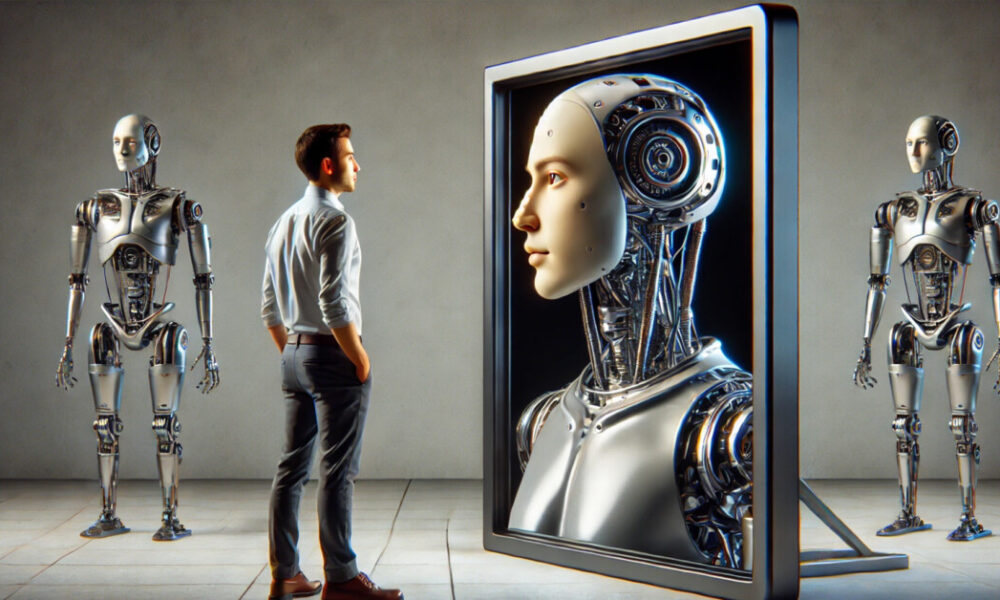
Not all anthropomorphism is benign. Consider the ethical minefield of giving AI or robots human-like emotions. Companies like Boston Dynamics design robots with expressive faces, but is this progress or manipulation? When a robot “expresses” sadness after a fall, does it deceive users into treating it as a sentient being? The challenge here is one of consent—should we allow technology to exploit our hardwired tendency to anthropomorphize, or must we erect guardrails to protect against emotional exploitation?
Even in nature, anthropomorphism can distort conservation efforts. When we personify endangered species—like calling a polar bear “Kevin” in a documentary—we risk oversimplifying their ecological roles. Is Kevin a victim, a hero, or merely a cog in a vast, indifferent system? The challenge is to balance empathy with accuracy, ensuring that our emotional connections don’t blind us to the scientific realities of the natural world.
Practical Anthropomorphism: How to Wield It (Responsibly)
So how can we harness anthropomorphism’s power without falling into its traps? For educators, it’s a tool to demystify complex subjects. A lesson on photosynthesis becomes memorable when students imagine chloroplasts as tiny chefs “cooking” sunlight into sugar. For designers, it’s about subtlety—think of the subtle “breathing” animation on a smart speaker’s LED ring, which suggests life without claiming it. The key is intentionality: use anthropomorphism to illuminate, not obscure.
For the rest of us, the takeaway is to stay mindful of our own projections. Next time you yell at your computer for “being slow,” pause. Are you venting frustration, or have you momentarily forgotten that it’s a machine? The challenge isn’t to eliminate anthropomorphism—it’s to wield it with awareness, recognizing when it serves us and when it blinds us.


![Case Study: How [Tech Company] Used Anthropomorphism to Improve UX](https://anthropomorphism.org/wp-content/uploads/2026/05/Company-Case-Study-Template-edit-online.png)