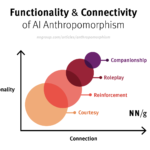
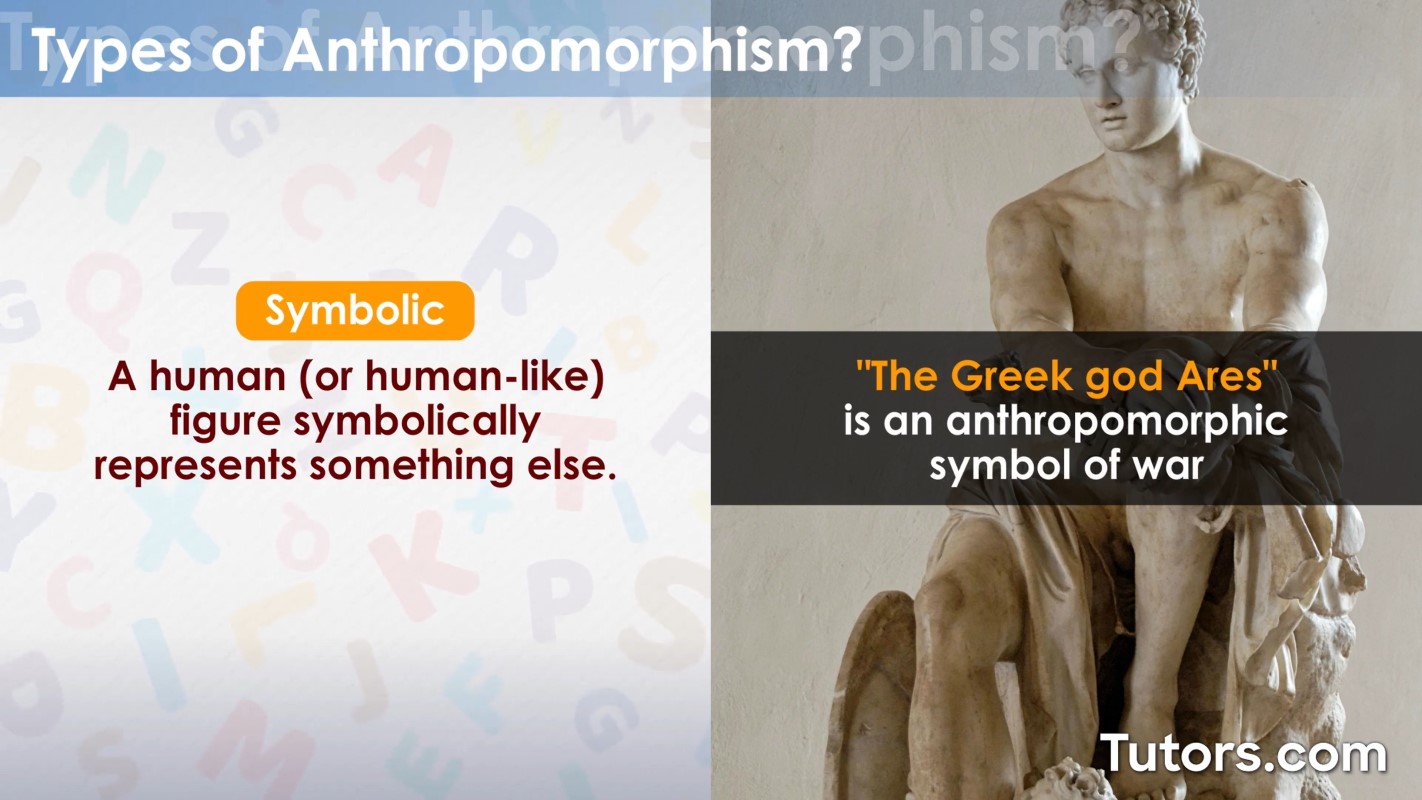
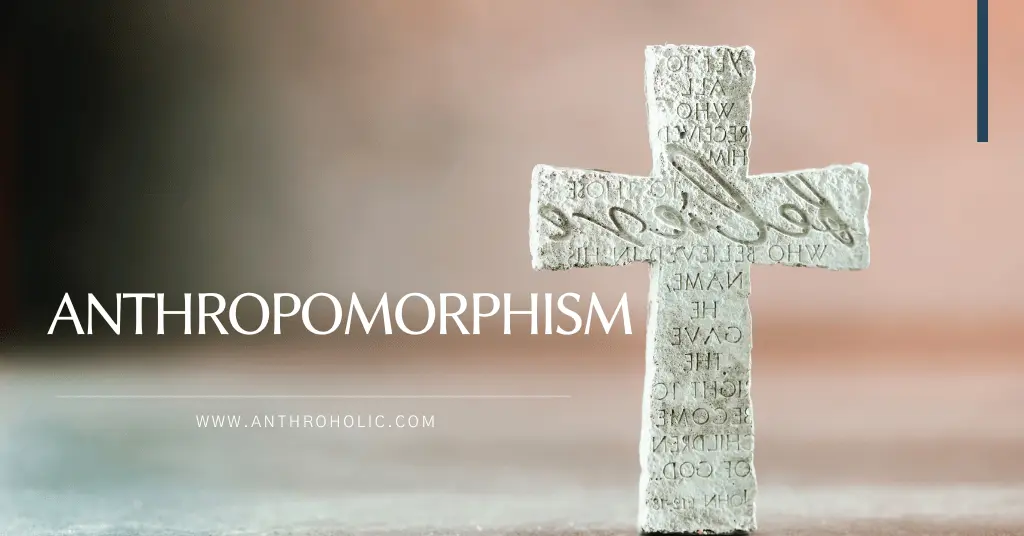
In the high-stakes arena of investor pitches, where data-driven logic often reigns supreme, a subtle yet powerful technique has begun to emerge: anthropomorphism. The practice of imbuing non-human entities with human characteristics—whether through imagery, language, or narrative—has long been a staple in marketing and branding. But when applied to investor pitches, does this strategy truly resonate with stakeholders, or does it risk diluting the precision and credibility that investors demand? This article explores the nuanced role of anthropomorphism in investor pitches, examining its psychological underpinnings, potential pitfalls, and strategic applications to help founders craft compelling narratives that bridge the gap between innovation and relatability.
The Psychological Allure of Anthropomorphism in Investor Communication
At its core, anthropomorphism taps into a fundamental human tendency: our innate desire to attribute human traits to non-human entities. This cognitive shortcut, rooted in evolutionary psychology, allows us to process complex information by framing it in familiar terms. When applied to investor pitches, this technique can transform abstract concepts—such as algorithms, financial models, or technological frameworks—into entities with intentions, emotions, and even personalities. For instance, describing a machine learning model as “eager to learn” or a blockchain network as “collaborative” humanizes the technology, making it more accessible to investors who may lack technical expertise.
Research in consumer behavior suggests that anthropomorphism fosters emotional engagement, a critical factor in investment decisions where intuition often complements quantitative analysis. Investors, like all humans, are influenced by emotional triggers, and a pitch that leverages anthropomorphic language can create a sense of connection and trust. However, this approach is not without its risks. Over-reliance on anthropomorphism may lead to perceptions of unprofessionalism or gimmickry, particularly in industries where data integrity is paramount, such as fintech or biotech. The key lies in striking a balance—using anthropomorphism to illuminate rather than obscure the underlying value proposition.
Types of Anthropomorphism in Investor Pitches: From Subtle to Overt
Anthropomorphism in investor pitches manifests in various forms, each with its own strategic implications. The most subtle approach involves the use of metaphorical language, where non-human entities are described using human-like actions or attributes. For example, a SaaS platform might be framed as “a tireless assistant that never sleeps,” subtly conveying its 24/7 operational capacity without resorting to overt personification. This technique is particularly effective in B2B pitches, where stakeholders appreciate clarity without sacrificing sophistication.
A more overt form of anthropomorphism involves the use of visual or narrative personification. This could include illustrations of a company’s product as a friendly character, or a storyline where the product “overcomes challenges” in the market. While this approach can make a pitch memorable, it risks veering into the territory of infantilization, particularly if the anthropomorphic elements feel forced or irrelevant to the core value proposition. For instance, a fintech startup pitching to institutional investors would likely benefit more from a data-driven narrative than a cartoonish depiction of its software as a “heroic guardian of financial data.”
Finally, there is the strategic use of anthropomorphism in branding and messaging, where the company itself is personified. This can be seen in taglines like “Your partner in innovation” or “A company that listens.” While this approach can humanize a brand, it requires careful execution to avoid sounding disingenuous. Investors are adept at detecting hollow branding, and a pitch that relies too heavily on personified branding without substantive evidence of its claims may struggle to gain traction.
When Anthropomorphism Helps: Building Trust and Clarity
Anthropomorphism can be a powerful tool when used to demystify complex concepts and build trust with investors. In industries where the technology is highly technical—such as AI, quantum computing, or synthetic biology—anthropomorphic language can serve as a bridge between experts and non-experts. For example, describing an AI model as “curious” or “adaptive” can help investors grasp its functionality without requiring a deep dive into its algorithms. This approach not only simplifies communication but also fosters a sense of partnership between the startup and its investors, positioning the technology as a collaborative tool rather than a black box.
Moreover, anthropomorphism can enhance the storytelling aspect of a pitch, making it more engaging and memorable. Investors are inundated with pitches, and a narrative that includes a relatable protagonist—whether it’s a “hardworking” supply chain or a “resilient” customer support system—can cut through the noise. This technique is particularly effective in seed-stage pitches, where the focus is on the problem being solved rather than the intricacies of the solution. By framing the problem in human terms, founders can create an emotional connection that complements the financial rationale.
Another advantage of anthropomorphism is its ability to humanize the team behind the technology. Investors don’t just bet on ideas; they bet on people. Describing the founding team as “a group of passionate problem-solvers” or “a collective of experts with a shared vision” can reinforce the narrative of competence and dedication. This is especially important in early-stage pitches, where the team’s track record may be limited, and the story of their journey becomes a key selling point.
When Anthropomorphism Hurts: The Risks of Over-Personification
Despite its potential benefits, anthropomorphism is not a one-size-fits-all strategy, and its misuse can undermine the credibility of a pitch. One of the most significant risks is the perception of unprofessionalism. Investors, particularly in sectors like venture capital or private equity, often prioritize data, metrics, and a clear path to profitability. A pitch that relies too heavily on anthropomorphic language may be seen as frivolous or unserious, detracting from the substance of the proposal. For example, describing a blockchain network as “a rebellious teenager breaking free from traditional systems” might resonate with a younger, more creative audience but could alienate conservative investors who value precision and rigor.
Another pitfall is the potential for anthropomorphism to oversimplify complex issues. While humanizing a product or service can make it more relatable, it can also lead to a loss of nuance. For instance, describing a healthcare AI as “a compassionate doctor” might gloss over the technical challenges and ethical considerations involved in its development. Investors need to understand not just the “why” but also the “how,” and anthropomorphism that obscures these details can hinder their ability to make informed decisions.
Finally, there is the risk of anthropomorphism backfiring by creating unintended associations. For example, a fintech startup that personifies its fraud detection system as “a vigilant sentinel” might inadvertently evoke images of surveillance or privacy concerns, which could be counterproductive in an industry where trust is paramount. Similarly, a company that frames its growth as “a relentless beast” might unintentionally signal aggression or unsustainable ambition, which could deter risk-averse investors.
Strategic Applications: How to Use Anthropomorphism Effectively
To leverage anthropomorphism without falling into its pitfalls, founders must adopt a strategic and context-dependent approach. The first step is to identify the audience and tailor the anthropomorphic elements accordingly. For instance, a pitch to angel investors, who often prioritize vision and passion, may benefit from more overt anthropomorphism, while a pitch to institutional investors may require a more subdued approach. Understanding the investors’ preferences and expectations is crucial to striking the right balance.
Another key consideration is the alignment between anthropomorphism and the company’s brand identity. A startup positioning itself as cutting-edge and disruptive might use anthropomorphism to emphasize innovation and agility, while a company focused on stability and reliability might opt for a more understated approach. The anthropomorphic elements should feel authentic to the brand’s core values and mission, rather than contrived or forced.
Visuals play a critical role in anthropomorphic pitches. Infographics, illustrations, and even subtle design elements can reinforce the human-like qualities of a product or service without resorting to overt personification. For example, a dashboard that visualizes data as a “journey” with milestones and progress bars can convey growth and achievement in a relatable way. Similarly, a product demo that uses a friendly avatar to guide users through features can make the technology feel more approachable.
Finally, founders should use anthropomorphism as a complement to, rather than a replacement for, data-driven storytelling. The most effective pitches combine emotional appeal with concrete evidence, using anthropomorphism to enhance understanding and engagement rather than obscure the underlying business case. For example, a pitch deck might include a slide that describes the company’s growth as “a rocket ship taking off,” followed by a detailed financial projection that supports the claim. This dual approach ensures that investors are both emotionally invested and intellectually convinced.
Case Studies: Anthropomorphism in Action

Several high-profile companies have successfully used anthropomorphism in their investor pitches, demonstrating its potential when executed thoughtfully. Take, for example, a robotics startup that described its autonomous delivery robots as “diligent postal workers” in its pitch deck. This framing not only made the technology more relatable but also highlighted its reliability and efficiency—key selling points for logistics companies. The anthropomorphic language was subtle enough to avoid sounding gimmicky but effective in conveying the robots’ purpose and functionality.
In contrast, a biotech firm that personified its gene-editing tool as “a tiny surgeon with a scalpel” faced backlash from investors who found the analogy overly simplistic and potentially misleading. The company had to pivot its messaging to focus on the technical precision and safety of its technology, ultimately securing funding by emphasizing data and peer-reviewed research. This case underscores the importance of aligning anthropomorphism with the audience’s expectations and the industry’s norms.
Another example comes from a fintech startup that used anthropomorphism to humanize its AI-driven investment platform. By describing the platform as “a wise mentor guiding investors through volatile markets,” the company positioned itself as a trusted partner rather than a mere tool. This narrative resonated with retail investors who valued guidance and expertise, leading to a successful seed round. The key takeaway here is that anthropomorphism can be particularly effective when it aligns with the emotional and psychological needs of the target audience.
Best Practices for Founders: Crafting an Anthropomorphic Pitch
For founders looking to incorporate anthropomorphism into their investor pitches, several best practices can guide the process. First, start with a clear understanding of the core message and value proposition. Anthropomorphism should serve to illuminate these elements, not distract from them. Ask yourself: Does the anthropomorphic language enhance the understanding of the product or service, or does it obscure its key features?
Next, test the anthropomorphic elements with a diverse group of stakeholders, including advisors, mentors, and potential investors. Gather feedback on whether the language feels authentic, relatable, and professional. Be prepared to iterate and refine the messaging based on this input. Remember, the goal is to create a narrative that resonates without sacrificing credibility.
Visual and design elements should be used judiciously to reinforce the anthropomorphic narrative. Avoid overly cartoonish or childish imagery, which can undermine the professionalism of the pitch. Instead, opt for sleek, modern designs that subtly incorporate human-like qualities. For example, a line graph that “climbs” toward a goal or a flowchart that “navigates” through a process can convey progress and efficiency without resorting to overt personification.
Finally, always ground the anthropomorphic elements in data and evidence. Investors need to see the numbers behind the story, and the anthropomorphic language should complement rather than replace the financial and operational details. A pitch that balances emotional appeal with concrete metrics is far more likely to succeed than one that relies solely on narrative flourishes.
The Future of Anthropomorphism in Investor Communication
As technology continues to evolve, the role of anthropomorphism in investor pitches is likely to expand. Emerging fields such as generative AI, synthetic biology, and decentralized finance present unique opportunities for humanizing complex systems. For example, a pitch for a generative AI platform might describe its models as “creative collaborators” that “learn from experience,” bridging the gap between human creativity and machine intelligence. Similarly, a synthetic biology company might frame its engineered organisms as “tiny factories” that “work tirelessly” to produce sustainable materials, making the technology more accessible to investors.
However, the increasing sophistication of investors means that anthropomorphism must evolve as well. Generic or clichéd anthropomorphic language will likely lose its impact, while more nuanced and context-specific approaches will gain traction. Founders who can blend anthropomorphism with deep technical insight and a clear business case will be best positioned to stand out in a crowded market.
Ultimately, the question of whether anthropomorphism helps or hurts in investor pitches is not a binary one. Like any tool, its effectiveness depends on how it is wielded. When used thoughtfully and strategically, anthropomorphism can transform a pitch from a dry recitation of facts into a compelling narrative that resonates with investors on both an intellectual and emotional level. The challenge for founders is to harness this power without losing sight of the substance that drives their business forward.


![Case Study: How [Comic Series] Used Anthropomorphism to Stand Out](https://anthropomorphism.org/wp-content/uploads/2026/05/San-Diego-Comic-Con-2-scaled-1.jpg)