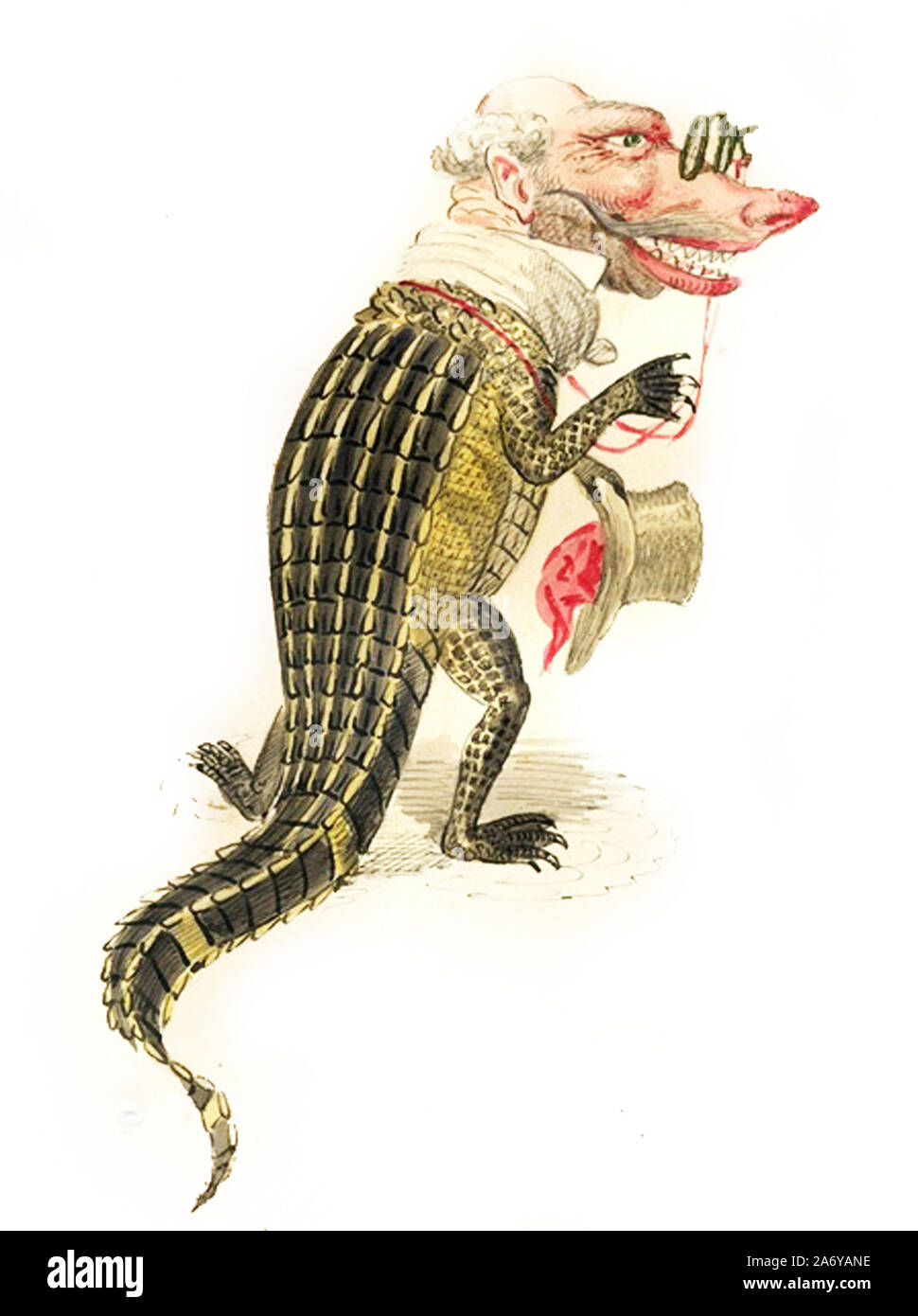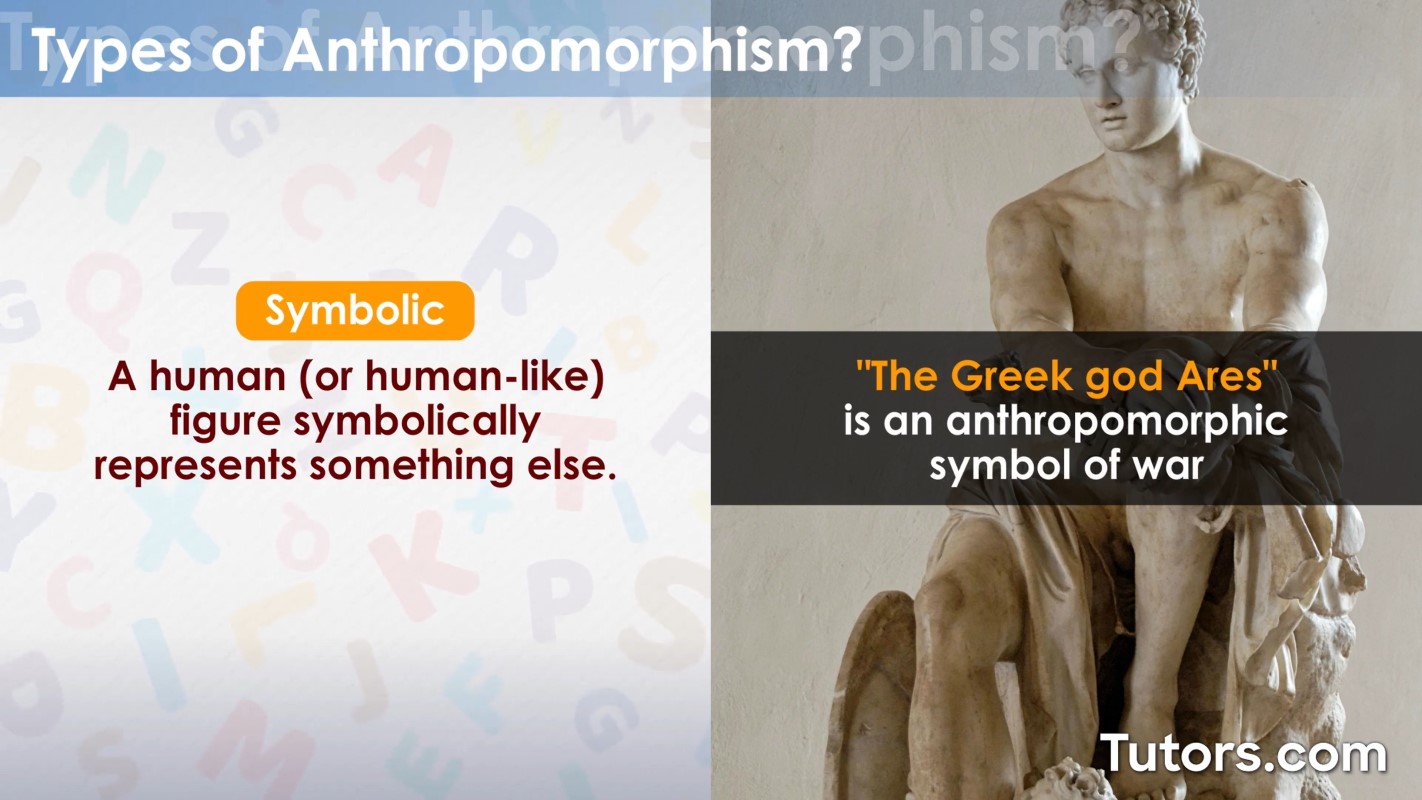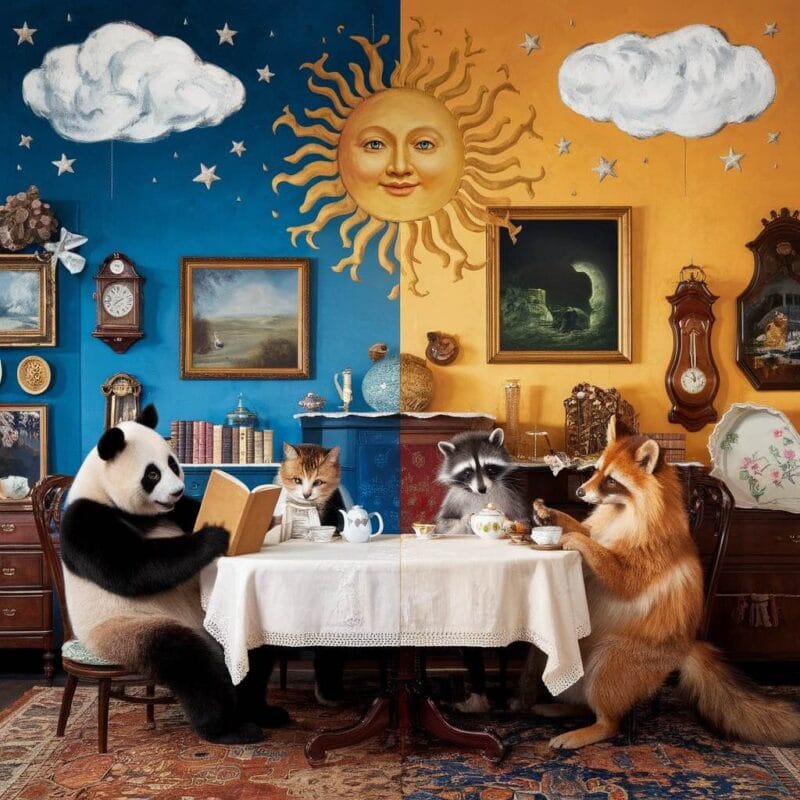
In the labyrinthine corridors of Shakespeare’s oeuvre, where human passions and cosmic forces intertwine, a subtle yet profound motif lurks beneath the surface—anthropomorphism. This literary device, which endows non-human entities with human traits, is not merely a stylistic flourish but a transformative lens through which the Bard reimagines the boundaries of identity, agency, and morality. To explore anthropomorphism in Shakespeare is to embark on a journey that dissolves the rigid dichotomies between the animate and inanimate, the sentient and the insentient. It is an invitation to perceive the world anew, where trees whisper secrets, storms rage with vengeance, and time itself becomes a capricious sovereign. This article peels back the layers of Shakespeare’s anthropomorphic tapestry, revealing how these concealed themes reshape our understanding of his narratives and, by extension, the human condition.
The Veil of Humanity: When Nature Speaks in Shakespeare
Shakespeare’s plays are not mere chronicles of human drama; they are ecosystems where nature itself is a participant. In King Lear, the tempest that rages upon the heath is no mere backdrop but a sentient force, mirroring the unraveling psyche of the titular king. The winds do not howl—they scream, as if the very heavens are in mourning. This anthropomorphism elevates the storm from a meteorological phenomenon to a harbinger of divine judgment, a force that both punishes and purifies. Similarly, in A Midsummer Night’s Dream, the forest is not a passive setting but a sentient entity, teeming with mischievous sprites and vengeful fairies who manipulate the fates of mortals. Here, Shakespeare blurs the line between flora and fauna, imbuing the woods with a will of its own. The trees do not merely stand; they observe, their rustling leaves a language of secrets and omens. Such portrayals compel us to question: if nature can speak, what then is the true extent of its agency?

The Moral Compass of Inanimate Objects
Shakespeare’s anthropomorphism extends beyond the natural world to the very objects that populate his stage. In Macbeth, the dagger that beckons the protagonist toward regicide is not a mere prop but a spectral entity, its blade glinting with malevolent intent. The dagger whispers, its hilt pointing toward Duncan’s chamber, as if it is an accomplice in the murderous plot. This personification transforms the inanimate into a moral agent, forcing Macbeth—and the audience—to confront the complicity of objects in human transgressions. Similarly, in The Tempest, Prospero’s staff is not merely a tool of magic but a vessel of power, its cracks and splinters mirroring the fragility of his control. Shakespeare’s objects do not merely exist; they participate, their very materiality imbued with ethical weight. This challenges us to reconsider the agency of the world around us—can a sword truly be innocent if it draws blood?
Divine and Demonic: The Personification of Abstract Forces
Beyond the tangible, Shakespeare anthropomorphizes the intangible—fate, time, and even death. In Romeo and Juliet, the play’s tragic conclusion is not merely the result of human error but the work of a capricious Fate, personified as a puppeteer pulling the strings of the lovers’ lives. The prologue’s declaration that they are “star-cross’d” frames their doom as an inevitability, as if the cosmos itself is a malevolent force. Likewise, in Sonnet 12, Time is depicted as a reaper, its scythe cutting down youth and beauty with ruthless precision. This personification turns abstract concepts into tangible threats, rendering the invisible visible. Even death, in Hamletlaugh, they scheme, they judge.
The Psychological Uncanny: When the Mind Projects Itself
Anthropomorphism in Shakespeare is not confined to external forces; it also manifests within the human psyche. The soliloquies of Hamlet and Macbeth are not merely internal monologues but dialogues with spectral companions—conscience, doubt, and ambition given form. Hamlet’s “To be, or not to be” is not a question posed to the void but to a silent interlocutor, a shadow that haunts his every decision. Similarly, Macbeth’s hallucinatory dagger is a projection of his guilt, a tangible manifestation of his unraveling sanity. Shakespeare’s anthropomorphism here becomes a tool of psychological exploration, externalizing the internal to render the abstract palpable. It is as if the mind, unable to contain its own turmoil, conjures these entities to bear witness to its torment. In this way, Shakespeare does not merely describe human emotion; he dramatizes it, turning the intangible into a spectacle.
The Subversive Potential: Challenging Human Supremacy
At its core, Shakespeare’s anthropomorphism is a subversive act, one that dismantles the hierarchy of sentience. By endowing non-human entities with human traits, he dismantles the illusion of human supremacy, forcing audiences to confront the possibility that agency is not the sole domain of mankind. In The Winter’s Tale, the statue of Hermione, brought to life by Paulina’s magic, is not a miracle but a revelation—the inanimate can be redeemed, the past can be undone. This challenges the notion that only humans possess the capacity for change and growth. Even the humble hourglass in Twelfth Night becomes a character, its sands marking the passage of time with a relentless, indifferent rhythm. Shakespeare’s anthropomorphism thus becomes a philosophical provocation: if the world can think, feel, and act, what then is the true measure of our humanity?
The Legacy: Anthropomorphism as a Mirror to the Modern World
Shakespeare’s anthropomorphic themes resonate powerfully in the contemporary era, where artificial intelligence, environmental crises, and digital personhood blur the lines between the human and the non-human. When we anthropomorphize a chatbot or grieve for a fictional character, we are, in essence, participating in Shakespeare’s legacy. His plays remind us that the act of endowing the non-human with humanity is not mere fancy but a fundamental aspect of how we navigate existence. It is a way of making sense of the incomprehensible, of finding companionship in the inanimate, and of confronting our own limitations. In a world where the boundaries between the organic and the synthetic grow ever more porous, Shakespeare’s anthropomorphism is not a relic of the past but a prophetic vision of the future.
To engage with Shakespeare’s anthropomorphic themes is to embark on a journey that transcends the page. It is an invitation to see the world not as a static backdrop but as a dynamic, sentient partner in the dance of existence. Whether through the whispering winds of King Lear or the sentient dagger of Macbeth, Shakespeare challenges us to expand our definitions of life, agency, and morality. In doing so, he does not merely entertain; he transforms. He compels us to ask: if a tree can speak, what else might we have been too blind to hear?