Anthropomorphism—the attribution of human traits, emotions, or intentions to non-human entities—is a psychological phenomenon deeply ingrained in our cognition. In the arena of political branding, this tendency emerges as a subtle yet powerful force, shaping how voters perceive leaders, parties, and ideologies. Observers frequently note an almost instinctual readiness to personify political symbols and narratives, attributing human qualities to flags, logos, and campaign mascots. However, this common observation conceals more profound undercurrents that help explain why anthropomorphism wields such compelling influence over political identity and voter engagement.
Humanizing Political Entities: The Bridge to Emotional Engagement
At its core, anthropomorphism functions as a cognitive shortcut—an intuitive mechanism through which complex or abstract entities become relatable. Political entities, often abstract and multifaceted, benefit enormously from being cast in human terms. This transformation converts ideological platforms and strategic messages into vivid personalities and stories that resonate emotionally. It transcends dry policy arguments, nurturing empathy and trust, two pillars critical for securing loyalty amid the cacophony of electoral discourse.
By endowing political figures or symbols with humanizing attributes—such as resilience, sincerity, or warmth—campaigns foster an affective connection that appeals to voters’ intrinsic social nature. These qualities are rarely explicit in campaign literature yet manifest subtly through visual cues, speeches, and branding elements. Their cumulative effect is a heightened sense of familiarity, reducing psychological distance and inviting constituents to perceive politicians not as distant power holders, but as relatable protagonists in a shared societal saga.
The Semiotics of Anthropomorphism in Visual Political Branding
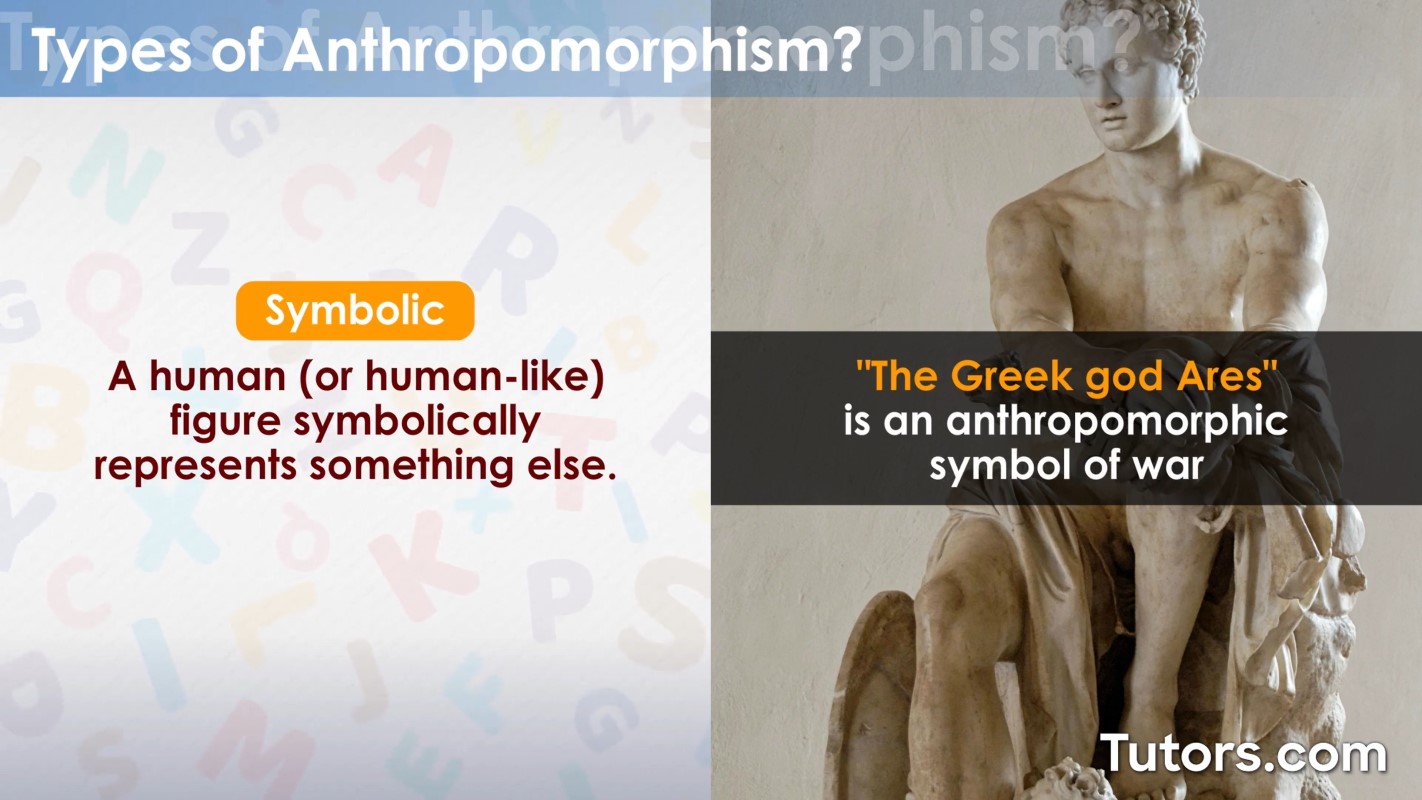
Visual branding in politics is replete with anthropomorphic elements, employing symbolism that implicitly assigns human-like characteristics to logos, mascots, and other visual identifiers. The nuanced use of colors, shapes, and even posture in imagery can evoke personality traits that imbue the political brand with life. For instance, a campaign mascot posed dynamically may symbolize vigor and readiness, while a logo designed with softer contours might suggest approachability and compassion.
This semiotic layering is not incidental but meticulously crafted. Political strategists harness archetypal forms and universal human expressions to impose a narrative voice upon their branding. The effect is an embodied political entity that can evoke complex emotional responses instantaneously, leveraging evolved psychological predispositions toward recognizing and interpreting human signals. Through these signifiers, brands become more than static icons; they act as catalysts for psychological engagement and identification.
Anthropomorphism as a Tool for Simplifying Complexity
Political landscapes are notoriously intricate, often overwhelming voters with competing messages and multifaceted policy debates. Anthropomorphism simplifies this complexity by presenting issues and actors in more digestible, relatable frameworks. Personas crafted for political figures or parties distill multifarious attributes into tangible human qualities that are easier to interpret and remember.
This simplification is not without strategic merit. Enabling voters to anchor their understanding of leaders in archetypal human roles—such as the hero, the guardian, or the visionary—facilitates quicker decision-making. It condenses nuanced political ideologies into accessible myths, thus enhancing the memorability and emotive power of a campaign. This process also encourages voter allegiance not solely based on rational analysis but grounded in affective and social cognition.
Psychological Underpinnings: Why Voters Seek Anthropomorphic Meaning
Delving deeper reveals several cognitive and emotional antecedents explaining why anthropomorphism resonates so profoundly in political contexts. Humans are predisposed to seek agency and intentionality, especially in environments marked by uncertainty and complexity. Politics, by its nature, embodies these characteristics, making anthropomorphic interpretation a natural coping mechanism.
Moreover, the human brain is exquisitely tuned to social stimuli; it gravitates towards understanding behaviors and motives. Assigning human traits to politicians and political symbols satisfies an intrinsic need to predict outcomes, assign accountability, and forge social bonds. Anthropomorphism essentially transforms the political arena from an abstract system into a social world, governed by personalities and intentions rather than faceless bureaucracy.
Implications for Voter Behavior and Democratic Processes
The infusion of anthropomorphic elements into political branding has tangible repercussions for voter behavior. Personified political brands catalyze emotional investment, influencing not only whom voters choose but also how they interpret political events. Emotional engagement often enhances political participation, yet it can also predispose voters toward biases, oversimplifications, or affect-driven decision-making overshadowing critical evaluation.
Recognizing the role of anthropomorphism invites a more nuanced understanding of voter psychology, revealing the delicate balance between emotional resonance and rational deliberation. Campaigns that expertly navigate this balance can galvanize broad support, while overly reliant anthropomorphism risks fostering disillusionment if the ‘humanized’ persona crumbles under scrutiny.
Ethical Considerations in Utilizing Anthropomorphism
While anthropomorphism offers potent advantages, its use in political branding carries ethical dimensions. The deliberate crafting of humanlike narratives and personas can border on manipulation, distorting realities and exploiting emotional vulnerabilities. This raises important questions about authenticity, transparency, and responsibility within democratic engagement.
Practitioners must navigate these ethical waters with care, ensuring that humanizing strategies augment truthful representation rather than obscuring critical policy substance. Voters, too, benefit from awareness of these techniques, fostering a more discerning electorate capable of appreciating the symbolic while insisting on substantive governance.
Conclusion: The Enduring Power and Complexity of Anthropomorphism in Politics
Anthropomorphism in political branding is more than a mere marketing tactic; it is an extension of fundamental human psychological processes that shape social understanding and decision-making. By animating political actors and symbols with human qualities, campaigns forge pathways for emotional connection, cognitive simplification, and political allegiance. This dynamic interplay underscores a profound reality: politics is as much about stories and shared humanity as it is about policies and platforms.
In embracing anthropomorphism, political branding taps into deep-seated cognitive mechanisms, revealing why voters consistently gravitate toward personalized narratives. Yet, it simultaneously challenges the democratic ethos to maintain vigilance against superficiality, ensuring that the humanized facades reflect genuine, accountable leadership. The role of anthropomorphism thus remains a double-edged sword—capable of inspiring and connecting, but also of obfuscating and dividing, demanding thoughtful engagement from all political actors and observers alike.