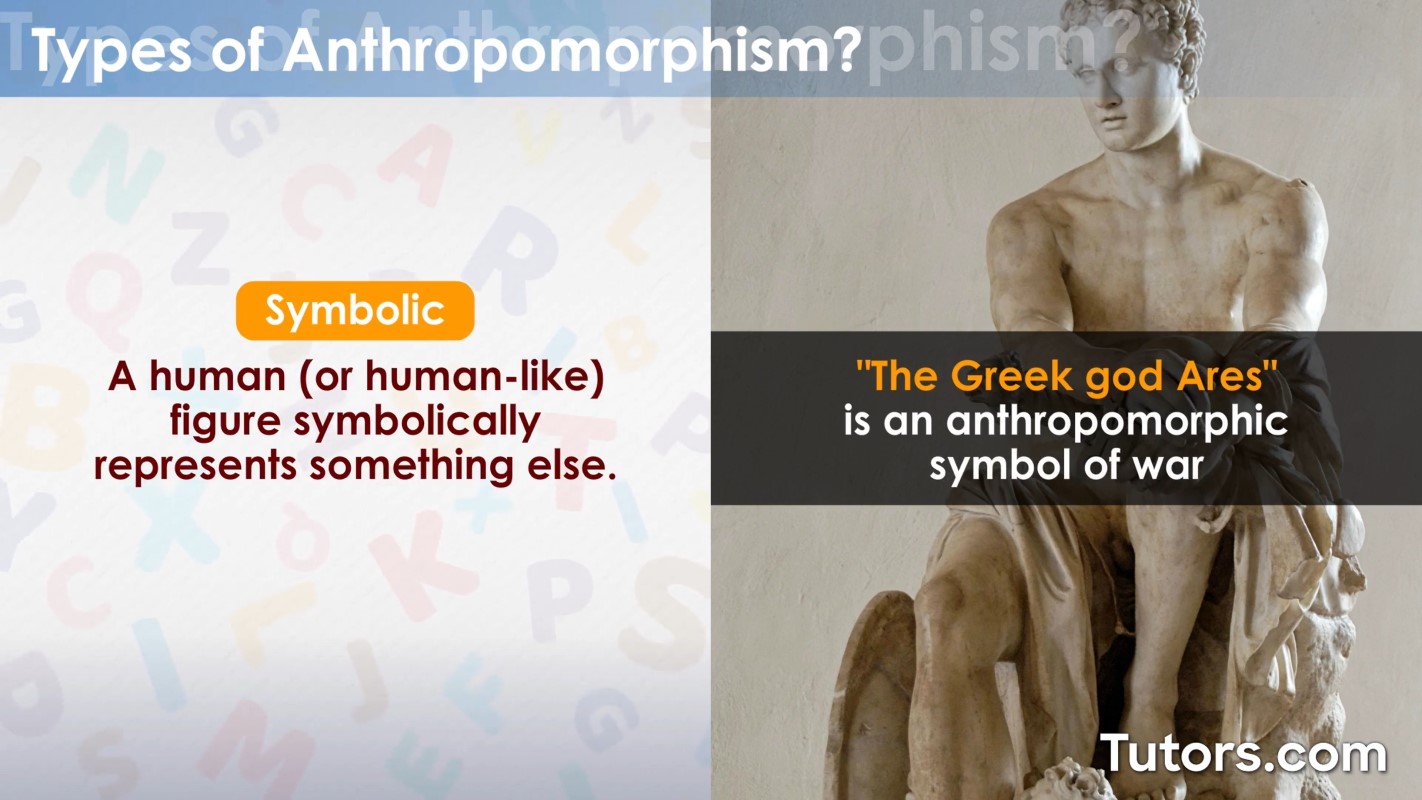
Human beings have long been captivated by the world of primates, our closest biological relatives. This fascination often manifests through anthropomorphism—the ascription of human traits, emotions, and intentions to animals. While this tendency can foster empathy and a deeper emotional connection, it also profoundly shapes the trajectory and interpretation of scientific studies concerning primates. Understanding how anthropomorphism influences primate research reveals much about the interplay between human cognition, cultural perceptions, and the rigor of scientific inquiry.
The Allure of Anthropomorphism in Primatology
At a glance, the tendency to attribute human-like characteristics to primates seems almost inevitable. Their expressive faces, complex social behaviors, and close genetic kinship provoke a subconscious urge to interpret their actions through a human lens. This propensity is more than mere whimsy; it taps into a deep-seated evolutionary and psychological proclivity for recognizing agency and intention in others. Such projection nurtures an intuitive understanding of primates, allowing observers to grasp social dynamics and emotional states with surprising immediacy.
This instinctive framing, however, is enmeshed with cultural narratives and philosophical musings about what it means to be human. Anthropomorphism operates not just as a heuristic device but as a window into our own self-reflection—how we see ourselves in other species. This fascination, while enriching, also sets the stage for potential distortions in scientific observation. Researchers must navigate this delicate balance between empathic engagement and objective analysis, recognizing that the impulse to humanize primates can both illuminate and obscure their true nature.
Anthropomorphic Bias and Its Scientific Implications
Anthropomorphism introduces a subtle yet pervasive bias in primate studies. Researchers, consciously or unconsciously, may interpret ambiguous behavior through a human-centric framework, often attributing intentionality, emotions, or social constructs that align with human experience. This can lead to overinterpretation or mischaracterization of primate behavior. For example, labeling a chimpanzee gesture as an expression of guilt or envy risks superimposing human emotional complexity onto animals with distinct psychological architectures.
Such bias influences experimental design, data collection, and conclusions. It shapes hypotheses and the questions deemed worthy of pursuit, potentially skewing research towards phenomena that seem to mirror human experiences. While this approach can yield insights about parallels in cognition and sociality, it can simultaneously occlude uniquely primate-specific behaviors and evolutionary adaptations. The scientific endeavor thus grapples with disentangling genuine homologies from artifacts of anthropomorphic projection.
Benefits of Anthropomorphism in Enhancing Understanding and Conservation
When wielded judiciously, anthropomorphism serves as a powerful tool to bridge the communicative chasm between humans and primates. By framing primate behavior in relatable terms, scientists can foster public interest and empathy, crucial drivers in conservation and ethical advocacy. Anthropomorphic narratives often galvanize support for habitat preservation and anti-poaching campaigns that might otherwise appear abstract or remote.
Moreover, anthropomorphism can inspire innovative methodologies that incorporate socio-emotional dimensions into behavioral analysis. Recognizing emotional expressions or social bonds—albeit cautiously interpreted—allows researchers to appreciate the richness of primate social worlds. This perspective reinforces the imperative to treat primates not merely as subjects of study but as sentient beings with intrinsic value, thus enhancing ethical standards in research practices.
Risks of Anthropomorphism: Misinterpretation and Ethical Dilemmas
Despite its merits, anthropomorphism carries distinct risks. Misinterpretations borne from human projection can propagate myths or exaggerate primate cognitive and emotional capacities. For instance, attributing human-like reasoning or moral judgment may inflate expectations about primate problem-solving or social behavior, leading to misplaced comparisons or faulty assumptions.
Ethically, anthropomorphism complicates the relationship between scientists and their subjects. Overidentification can cloud judgment, prompting researchers to anthropocentrically impose ethical frameworks that might not align with primate realities. Conversely, disregarding primate complexity by rejecting anthropomorphic insight altogether risks neglecting their welfare. This tension necessitates a nuanced ethical stance that balances scientific objectivity with compassionate stewardship.
Methodological Approaches to Mitigate Anthropomorphic Distortion
Advanced methodologies have emerged to counterbalance anthropomorphic bias in primate research. Behavioral ethology emphasizes precise operational definitions detached from human emotional terminology, focusing on observable and measurable actions. Technologies such as video analysis, ethograms, and neurobiological assessments enable researchers to document behavior and cognitive processes with greater fidelity and less subjective inference.
Furthermore, interdisciplinary collaboration with psychology, anthropology, and linguistics fosters a holistic framework that contextualizes primate behavior within evolutionary, ecological, and social milieus. This integrative approach diminishes simplistic anthropomorphic interpretations and promotes a rigorous, nuanced understanding. Through systematic skepticism and empirical rigor, the scientific community endeavors to honor the complexity of primate life without defaulting to anthropocentric shortcuts.
The Role of Anthropomorphism in Shaping Public Perception and Funding
Public fascination with primates is inextricably linked to anthropomorphic portrayals, which profoundly influence funding priorities and societal support for research initiatives. Narratives highlighting primate intelligence, family bonds, and emotional lives captivate audiences and stakeholders alike. This fascination translates into increased financial resources and broader dissemination of scientific findings.
However, the media and popular culture often amplify anthropomorphic depictions, sometimes distorting the scientific message. Sensationalized accounts can propagate unrealistic expectations or overshadow less charismatic but scientifically significant species. Researchers and communicators must therefore strive for balance—inviting engagement through accessible storytelling while preserving accuracy and nuance.
Conclusion: Navigating Between Empathy and Objectivity
Anthropomorphism remains a double-edged sword in primate studies. Its intrinsic appeal stems from a profound human desire to connect, understand, and reflect upon our shared place in the natural world. Yet, this same allure can confound scientific analysis, introducing biases and ethical complexities. The challenge lies in harnessing anthropomorphic insight as a gateway to empathy and conservation while steadfastly maintaining the intellectual rigor necessary for credible research.
Ultimately, the study of primates not only illuminates the biology and behavior of our closest relatives but also casts a revealing light on humanity itself. It compels ongoing reflection on how our perceptions shape knowledge and how knowledge, in turn, reshapes perception. In embracing this dialectic, primatology can aspire to a richer, more authentic comprehension of both primates and the human condition.