In the ever-evolving tapestry of wildlife conservation, anthropomorphism—the attribution of human traits, emotions, or intentions to non-human entities—has emerged as both a tool and a subject of intense scrutiny. Once dismissed as a simplistic projection of human experiences onto the natural world, anthropomorphism now stands at the precipice of a renaissance, reshaping how we perceive, protect, and coexist with wildlife. As climate change accelerates, biodiversity dwindles, and technology blurs the lines between observer and observed, the future of anthropomorphism in conservation promises to be as transformative as it is contentious. This article explores the multifaceted role of anthropomorphism, from its psychological underpinnings to its practical applications, and envisions how it might redefine our relationship with the animal kingdom in the decades to come.
The Psychological Foundations: Why We Humanize Wildlife
At its core, anthropomorphism is a cognitive shortcut, a survival mechanism that allows us to navigate a complex world by relating unfamiliar phenomena to familiar experiences. Evolutionary psychologists posit that this tendency stems from our ancestral need to predict the behavior of other beings—whether predator, prey, or ally—to ensure survival. In the context of wildlife conservation, this psychological predisposition takes on new significance. When we ascribe emotions like grief, joy, or empathy to animals, we forge an emotional connection that transcends mere observation. This connection is not merely sentimental; it is a bridge to empathy, and empathy is the bedrock of conservation action.
Neuroscientific research has revealed that the same neural circuits activated when we experience pain or pleasure are engaged when we witness animals in distress. This phenomenon, known as “emotional contagion,” suggests that anthropomorphism is not just a metaphorical leap but a visceral, almost involuntary response. For conservationists, this insight is invaluable. By leveraging anthropomorphism, campaigns can evoke visceral reactions that motivate public engagement, from donations to policy advocacy. The challenge, however, lies in striking a balance—using anthropomorphism to foster care without distorting ecological realities.

Anthropomorphism in Conservation Campaigns: The Power of Narrative
Conservation organizations have long harnessed the persuasive power of storytelling, and anthropomorphism is the secret ingredient that elevates these narratives from informative to transformative. Consider the iconic “Heart of the Tree” campaign by the World Wildlife Fund (WWF), which personified endangered species as characters in a dramatic struggle for survival. By framing the plight of the Amur leopard or the Sumatran rhino as a tale of heroism and tragedy, these campaigns tap into the human love for narrative arcs—complete with villains (poachers, deforestation) and protagonists (conservation heroes).
Yet, the use of anthropomorphism in conservation is not without its pitfalls. Critics argue that overly sentimental portrayals can lead to a “Disneyfication” of wildlife, where animals are reduced to caricatures that bear little resemblance to their real, often harsh, lives. This distortion can backfire, breeding cynicism among audiences who feel misled. The solution lies in nuanced storytelling—one that acknowledges the complexity of animal lives while still making their struggles relatable. For instance, a documentary might depict a mother elephant’s grief over a lost calf, not to imply that elephants mourn in the same way humans do, but to highlight the profound social bonds that define elephant herds and underscore the devastation wrought by poaching.
Emerging technologies are amplifying this narrative potential. Virtual reality (VR) experiences, for example, allow users to “step into the paws” of a snow leopard, navigating its habitat and witnessing the challenges it faces firsthand. These immersive encounters leverage anthropomorphism to create a sense of presence and connection, making the abstract tangible. As VR and augmented reality (AR) become more accessible, they offer conservationists a powerful tool to bridge the gap between human and animal experiences.
The Ethical Dilemma: When Humanization Distorts Reality
While anthropomorphism can be a force for good, it is not without ethical quandaries. The primary concern is the risk of misrepresenting animal behavior, which can lead to misguided conservation strategies or public misunderstanding. For example, portraying predators like wolves as “villains” in human-wildlife conflict narratives can skew public perception, making it harder to garner support for their protection. Similarly, anthropomorphizing animals as “cute” or “charismatic” can lead to a bias in conservation funding, where pandas and elephants receive more attention than less visually appealing species like bats or insects.
Another ethical consideration is the potential for anthropomorphism to anthropocentrically frame conservation goals. If we prioritize the protection of species based on their perceived similarity to humans, we risk sidelining those that are evolutionarily distant but ecologically vital. This bias is evident in the disproportionate funding allocated to charismatic megafauna compared to less glamorous but equally important species. Conservationists must navigate this terrain carefully, ensuring that anthropomorphism serves as a catalyst for empathy rather than a lens that distorts ecological priorities.
To mitigate these risks, some experts advocate for a “responsible anthropomorphism”—one that is grounded in scientific accuracy and transparent about its limitations. This approach involves collaborating with ethologists and behavioral scientists to ensure that portrayals of animal emotions and behaviors are as accurate as possible. It also means being upfront with audiences about the metaphorical nature of these portrayals, fostering a critical but empathetic engagement with conservation issues.
Technology and the Evolution of Anthropomorphic Conservation
The digital age has revolutionized how we perceive and interact with wildlife, and anthropomorphism is at the heart of this transformation. Artificial intelligence (AI) and machine learning are enabling new forms of interaction with animals, from AI-generated “voices” for endangered species to chatbots that simulate conversations with extinct animals. These innovations are not mere gimmicks; they are tools that can deepen our understanding and connection to the natural world. For instance, an AI-powered app might translate the vocalizations of a critically endangered bird species into human speech, allowing users to “hear” the species’ calls and fostering a sense of kinship.
Social media platforms have also become battlegrounds for anthropomorphic conservation narratives. Viral videos of animals “smiling,” “crying,” or “playing” often go unchallenged, reinforcing anthropomorphic interpretations. While these videos can raise awareness, they also perpetuate myths about animal cognition. Conservationists are increasingly using these platforms to educate the public, debunking misconceptions while still leveraging the emotional pull of anthropomorphism. For example, a campaign might juxtapose a viral video of a “happy” monkey with a scientist’s explanation of the animal’s actual behavior, striking a balance between engagement and accuracy.
The Future: Anthropomorphism as a Catalyst for Coexistence
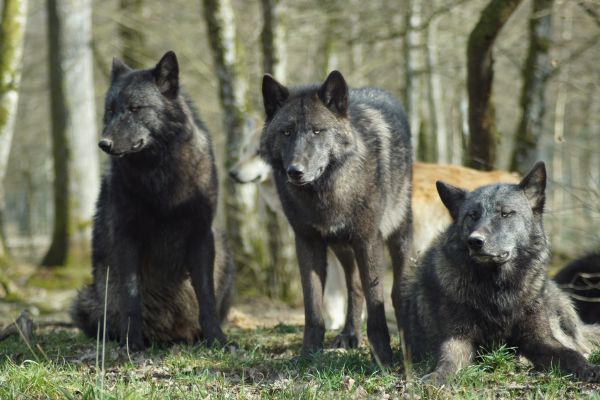
As we look to the future, anthropomorphism is poised to play an even more pivotal role in wildlife conservation, particularly in the face of global challenges like habitat fragmentation, climate change, and human-wildlife conflict. One promising avenue is the use of anthropomorphism in “rewilding” initiatives, where degraded ecosystems are restored to their former glory. By personifying the roles of keystone species—such as wolves in Yellowstone or beavers in European wetlands—conservationists can illustrate how these animals act as “ecosystem engineers,” shaping the environment in ways that benefit countless other species. This narrative can galvanize public support for rewilding projects, which often require long-term commitment and significant resources.
Anthropomorphism also holds potential in the realm of policy and legislation. As climate change intensifies, legal frameworks are increasingly recognizing the rights of nature, with countries like Ecuador and New Zealand granting legal personhood to rivers and forests. Extending this recognition to animals—through the lens of anthropomorphism—could lead to stronger protections for individual species. For example, if a court were to recognize an elephant’s right to “family life” based on its complex social structures, it could set a precedent for broader conservation measures.
Yet, the ultimate test of anthropomorphism’s role in conservation will be its ability to foster genuine coexistence between humans and wildlife. This means moving beyond the anthropocentric view of animals as either adversaries or allies and embracing a more holistic perspective—one that acknowledges their intrinsic value beyond their utility to humans. Anthropomorphism, when wielded responsibly, can be a bridge to this perspective, helping us see animals not as characters in a human drama but as beings with their own stories, struggles, and rights.
Conclusion: A Call to Responsible Empathy
The future of anthropomorphism in wildlife conservation is not a question of whether we should humanize animals, but how we do so with integrity, accuracy, and respect. As technology advances and our understanding of animal cognition deepens, the line between human and animal experiences may continue to blur—but this does not mean we should abandon our efforts to understand and protect wildlife on their own terms. Instead, we must use anthropomorphism as a tool to foster empathy, challenge biases, and inspire action, all while remaining vigilant against the distortions it can introduce.
In the end, the goal of conservation is not to make animals more like us, but to make us more like stewards of their world. Anthropomorphism, when used thoughtfully, can be a powerful ally in this mission, reminding us that the fate of wildlife is inextricably linked to our own. As we move forward, let us embrace this tool with humility, creativity, and a commitment to the truth—because the future of conservation depends not just on what we feel, but on what we know.