Have you ever caught yourself mid-conversation with your pet, only to realize you’re asking them about their day or scolding them like a misbehaving toddler? You’re not alone. Humans have an uncanny habit of anthropomorphizing their animal companions—assigning them human traits, emotions, and even names. But why do we do this? Is it a harmless quirk of affection, or does it reveal something deeper about our psychology and the way we perceive the world?
The Allure of the Human-Like: Why We Yearn for Connection
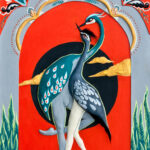
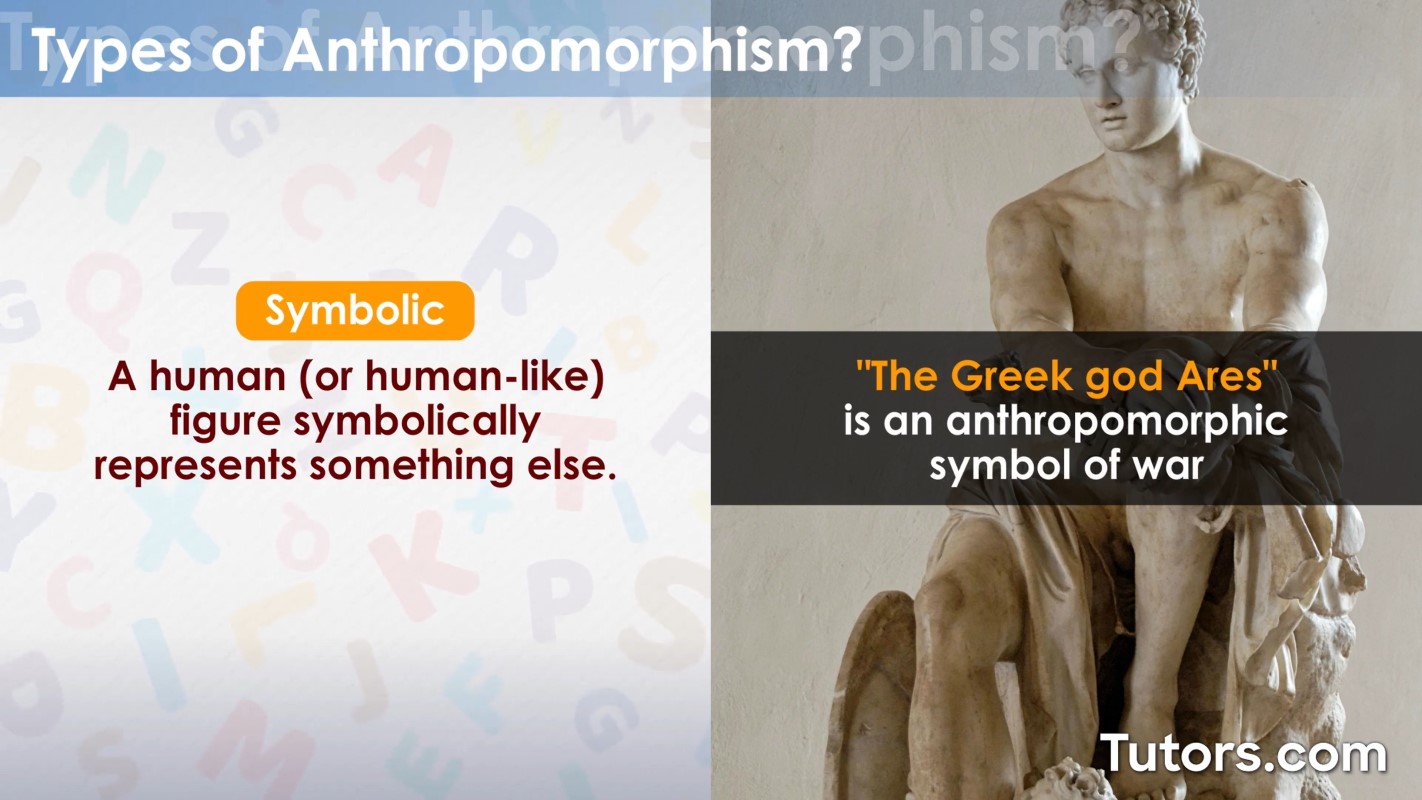
At its core, anthropomorphism is the tendency to imbue non-human entities with human characteristics. For pets, this often manifests as talking to them in a sing-song voice, dressing them in tiny sweaters, or even celebrating their birthdays with cake. The roots of this behavior trace back to our evolutionary history, where forming bonds with other beings—even imaginary ones—provided a survival advantage. By treating our pets as quasi-humans, we bridge the gap between the familiar and the unknown, transforming them into confidants and companions in a chaotic world.
Consider the way a dog tilts its head when you speak to it. To us, that tilt reads as curiosity or even empathy. Yet, in reality, it’s likely a learned behavior reinforced by our reactions—we reward the tilt with laughter or affection, so the dog does it more. This feedback loop creates a self-fulfilling prophecy: the more we treat our pets like humans, the more they seem to reciprocate our emotional cues. It’s a dance of mutual reinforcement, where both parties play their part in a grand illusion of connection.
The Paradox of Projection: When Love Blurs the Line
Anthropomorphism isn’t just about affection; it’s also about projection. We don’t just see our pets as humans—we see them as *idealized* humans. A cat’s aloofness becomes “independence,” a dog’s barking becomes “excitement,” and a rabbit’s thumping becomes “anger.” These interpretations allow us to rationalize behaviors that might otherwise seem irrational or even frustrating. By framing their actions through a human lens, we impose order on chaos, making their world feel more predictable and, by extension, more controllable.
Yet, this projection isn’t without its pitfalls. When we assume our pets feel guilt after knocking over a vase, we might misinterpret their body language entirely. Dogs, for instance, don’t experience guilt the way humans do; their “guilty” demeanor is often a response to our anger, not an internal moral compass. This misattribution can lead to unnecessary stress—for both pet and owner. The challenge, then, is to strike a balance between empathy and realism, celebrating the joy of anthropomorphism without letting it distort our understanding of our animal friends.
The Social Fabric: How Pets Become Mirrors of Ourselves
Pets are more than just animals; they’re social catalysts. They facilitate interactions, spark conversations, and even serve as status symbols in some cultures. When we give our pets human names—like “Max” or “Bella”—we’re not just labeling them; we’re integrating them into our social fabric. A pet’s name becomes a conversation starter, a way to humanize them in the eyes of others. This phenomenon is particularly evident in the rise of “pet influencers,” where animals are dressed, styled, and presented as miniature celebrities, complete with backstories and personalities.
But this social integration comes with a cost. The more we humanize our pets, the more we risk losing sight of their true nature. A dog isn’t just a “fur baby”; it’s a descendant of wolves, with instincts and needs that differ vastly from our own. When we prioritize human-like traits over their natural behaviors, we may inadvertently neglect their well-being. The challenge lies in celebrating their humanity without erasing their animality—a delicate tightrope walk between love and exploitation.
The Science of Anthropomorphism: What the Brain Reveals
Neuroscience offers fascinating insights into why we anthropomorphize. Studies suggest that our brains are wired to detect faces and emotions, even where none exist. This “hyperactive agency detection” leads us to see intention and personality in inanimate objects, animals, and even weather patterns. When it comes to pets, this tendency is amplified by their expressive faces and behaviors that mimic human emotions. A dog’s wagging tail, for example, triggers the same reward centers in our brain as a human smile, reinforcing our belief that they’re “happy” to see us.
Yet, this cognitive shortcut isn’t foolproof. Research shows that people who anthropomorphize more tend to be lonelier or more socially isolated, suggesting that our tendency to humanize pets may stem from a deeper need for connection. In a world where human interactions can feel transactional or superficial, pets offer a non-judgmental, unconditional bond. The irony, of course, is that by treating them like humans, we might be denying them the very thing that makes them special: their uniqueness as animals.
The Ethical Dilemma: Where Does Anthropomorphism Cross the Line?
Not all anthropomorphism is benign. When we dress our pets in clothing designed for humans, we’re imposing our aesthetic preferences on creatures that lack the physiological capacity to consent. When we expect them to behave like miniature adults—sitting still for photos, performing tricks on command—we’re ignoring their natural instincts and needs. And when we project human emotions onto them, we risk misinterpreting their stress signals, leading to behavioral issues or even health problems.
The ethical tightrope becomes even more precarious in industries like pet fashion or social media. A viral video of a dog wearing a top hat might seem charming, but it often comes at the expense of the animal’s comfort and dignity. The challenge is to enjoy the playful aspects of anthropomorphism without crossing into exploitation. It’s a question of balance: how can we celebrate the joy of our pets while respecting their autonomy?
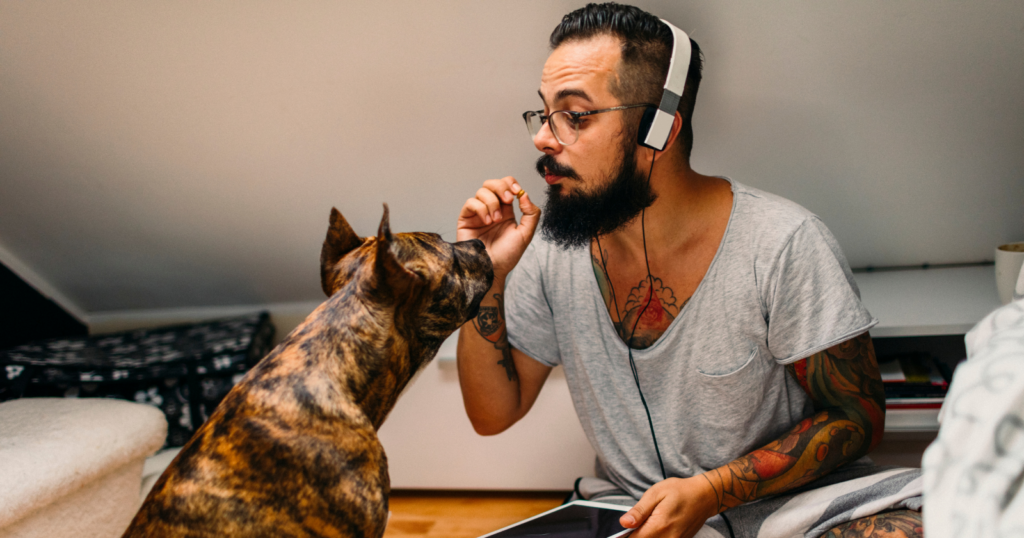
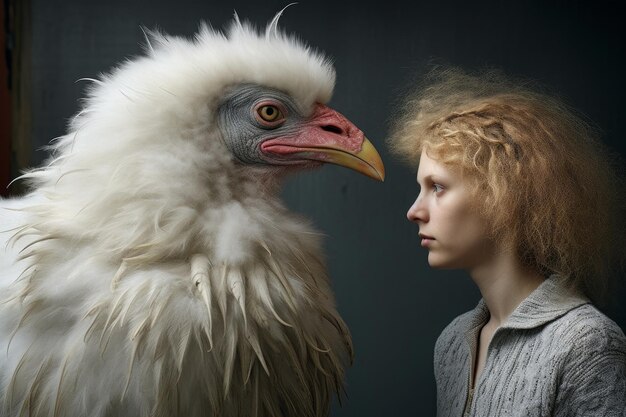
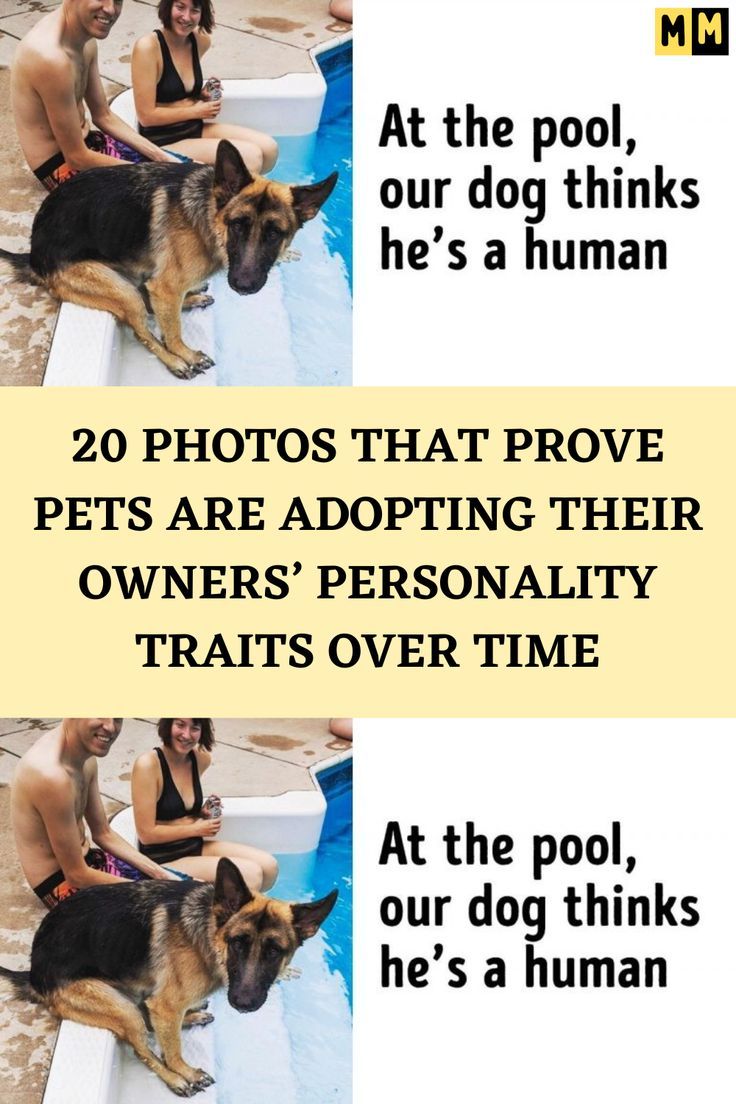
This image captures the essence of anthropomorphism—a moment where human and animal worlds collide in a dance of mutual understanding. Yet, it also serves as a reminder of the boundaries we must respect. Our pets may seem human at times, but they are, first and foremost, animals with their own needs and instincts.
The Future of Human-Pet Relationships: Can We Have It Both Ways?
As society evolves, so too does our relationship with pets. The rise of animal therapy, emotional support animals, and even AI-powered pet companions blurs the line between human and animal even further. Yet, this evolution also presents an opportunity to redefine our connection with pets—not as replacements for humans, but as unique beings deserving of respect and understanding.
The key may lie in embracing a new kind of anthropomorphism—one that acknowledges the human-like traits in our pets while celebrating their animal nature. Instead of dressing them in human clothes, we could design pet-friendly accessories that cater to their comfort. Instead of expecting them to perform on command, we could focus on understanding their natural behaviors. And instead of projecting our emotions onto them, we could learn to interpret theirs on their terms.
In the end, the act of anthropomorphizing our pets is a testament to our capacity for empathy and connection. It’s a reminder that, despite our differences, we share a fundamental need to belong. The challenge—and the joy—lies in finding that balance between love and respect, between human and animal, and in celebrating the unique bond that makes our pets so irreplaceable.