In an era where digital interfaces permeate every facet of our lives, from the smartphones nestled in our pockets to the smart speakers humming on our kitchen counters, one trend has become unmistakably clear: we are increasingly drawn to interfaces that mimic human characteristics. Whether it’s the conversational cadence of a virtual assistant, the expressive animations of a loading spinner, or the empathetic tone of an error message, human-like interfaces have evolved from novelty to expectation. But why do we gravitate toward these anthropomorphic designs? The answer lies not just in aesthetics or convenience, but in a deeper psychological and evolutionary resonance that speaks to our innate desire for connection, clarity, and control.
The Illusion of Companionship: Why We Crave Connection in Machines
At the heart of our preference for human-like interfaces is a fundamental human need: companionship. Even when interacting with a machine, we subconsciously seek signs of life—facial expressions, vocal inflections, or even the subtle rhythm of a response. This phenomenon, known as anthropomorphism, describes our tendency to attribute human traits to non-human entities. When a chatbot greets us with a warm “Hello!” or a navigation app chirps “Turn left in 200 feet,” we don’t just receive information; we experience a fleeting sense of dialogue.
This craving for connection is rooted in our evolutionary history. For millennia, humans relied on social cues to navigate the world—reading faces to gauge trust, interpreting tone to assess intent. Even in the digital age, these instincts persist. A study by researchers at Stanford University found that users were more likely to trust and engage with AI systems that exhibited human-like social behaviors, such as apologizing for mistakes or using humor. The interface becomes more than a tool; it transforms into a social actor, however briefly.
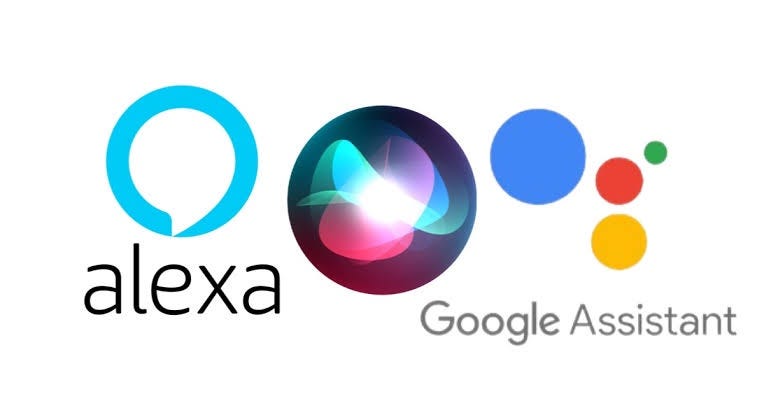
Consider the rise of voice assistants like Siri or Alexa. Their synthetic voices, though artificial, are carefully engineered to sound warm and approachable. The slight pauses, the rising intonation at the end of a question—these are deliberate design choices that mimic human speech patterns. We don’t just want efficiency; we want empathy, even if it’s simulated.
The Clarity Paradox: How Human-Like Interfaces Simplify Complexity
Another reason we favor human-like interfaces is their ability to distill complexity into something familiar. Digital systems are often labyrinthine, filled with nested menus, cryptic error codes, and abstract workflows. A human-like interface acts as a translator, converting the arcane into the accessible. When a banking app greets you with “I see you’re trying to transfer funds—let me guide you,” it doesn’t just provide instructions; it offers a narrative.
This narrative quality is crucial because it aligns with how our brains process information. Cognitive psychologists refer to this as the narrative transportation theory, which suggests that stories make information more memorable and easier to understand. A loading screen that displays a smiling face or a progress bar that resembles a journey from “start” to “finish” leverages this principle. We don’t just see a task; we experience a story, complete with a beginning, middle, and end.
Moreover, human-like interfaces reduce cognitive load. When an error message says, “Oops! Something went wrong,” it’s not just an apology—it’s a psychological cushion. It softens the blow of failure, making us more forgiving of the system’s shortcomings. In contrast, a cold, technical error like “Error 404: Not Found” triggers frustration because it lacks emotional context. The human touch, even in its most rudimentary form, transforms a glitch into a momentary setback rather than a systemic failure.
The Control Illusion: Why We Feel Safer When Interfaces Feel Human
There’s a subtle but powerful psychological phenomenon at play here: the illusion of control. When an interface behaves in a human-like manner, we feel as though we’re engaging with a partner rather than a tool. This perception of control reduces anxiety, particularly in high-stakes interactions like online banking or healthcare navigation. If a virtual assistant says, “I’ll help you with that,” we interpret it as a promise of agency—a reassurance that we’re not navigating a digital void alone.
This illusion is reinforced by the principle of reciprocity, a social norm that compels us to respond in kind when someone (or something) appears to engage with us. When a chatbot asks, “How can I assist you today?” and waits patiently for a response, we feel compelled to reciprocate with a clear request. The interface isn’t just passive; it’s participatory, and that participation makes us feel more in charge of the interaction.
Consider the difference between a traditional ATM and a modern one with a touchscreen interface that greets you by name. The latter doesn’t just dispense cash; it creates a micro-interaction that feels personal. We leave the transaction feeling as though we’ve been seen, not just served. This sense of recognition, however superficial, fosters trust—a critical factor in user adoption and satisfaction.
The Aesthetic of Familiarity: Why We Trust What Resembles Us
Human-like interfaces also tap into our deep-seated preference for the familiar. Evolutionary biology suggests that humans are wired to trust what resembles them, a phenomenon known as the uncanny valley effect—though in this case, the effect is leveraged positively. When an interface incorporates human-like elements—whether it’s a cartoon avatar with expressive eyes or a voice that mimics human intonation—we instinctively lower our guard. The more it resembles us, the more we perceive it as relatable.
This aesthetic familiarity extends beyond faces and voices. Even abstract elements, like the animated dots that appear during a loading sequence, mimic the rhythm of human breathing or speech. These micro-interactions create a sense of rhythmic synchrony, subtly aligning the user’s experience with the interface’s behavior. We don’t just use the system; we sync with it, and that synchronization breeds comfort.
Take, for example, the design of error messages in modern software. Instead of a stark “Operation failed,” we might see a gentle “I’m having trouble with that—let’s try again.” The language is conversational, the tone is apologetic, and the implication is clear: the system is trying, just as we are. This anthropomorphic framing turns a moment of frustration into an opportunity for collaboration.
The Future of Interaction: Beyond Buttons, Toward Bonds
As technology advances, the line between human and machine interaction will continue to blur. The interfaces of tomorrow won’t just mimic humanity; they’ll embody it, with AI-driven avatars that can hold nuanced conversations, express emotions, and even adapt their tone based on our mood. But the core appeal of these interfaces will remain unchanged: they offer us something we crave in an increasingly digital world—a sense of connection.
Yet, this preference isn’t without its caveats. Over-reliance on human-like interfaces can lead to automation bias, where users uncritically trust a system simply because it behaves in a human-like manner. The danger lies in mistaking simulation for sincerity, in assuming that a friendly interface is always a reliable one. The challenge for designers will be to strike a balance—to create interfaces that are warm and engaging without veering into the uncanny or the deceptive.
Ultimately, our fascination with human-like interfaces reveals a profound truth about human nature. We are storytelling creatures, social beings who seek meaning in every interaction. Whether it’s a chatbot that remembers our name or a progress bar that resembles a journey, these designs resonate because they echo the patterns of human connection. In a world of cold, efficient machines, the human touch isn’t just a luxury—it’s a necessity.