Fantasy novels often transport readers to realms where the extraordinary becomes ordinary, where rivers whisper secrets and forests hum with ancient magic. At the heart of this enchantment lies anthropomorphism—a narrative device that breathes life into the inanimate, the non-human, and the otherworldly. By endowing animals, objects, and even abstract concepts with human traits, authors craft immersive worlds that resonate on a deeply emotional and intellectual level. This technique is not merely decorative; it is a cornerstone of world-building, allowing writers to explore themes of identity, morality, and the human condition through the lens of the fantastical.
The Alchemy of Giving Life: Why Anthropomorphism Enchants Readers
Anthropomorphism is more than a literary trick; it is an alchemical process that transforms the mundane into the magical. When a teapot in a bustling kitchen sips tea alongside its human owner, or a sentient forest watches over its inhabitants with a mix of benevolence and indifference, readers are invited to suspend disbelief and engage with the story on a visceral level. This technique taps into our primal fascination with agency—whether in a fox donning a waistcoat to outwit a villain or a storm cloud raging with the fury of a scorned lover. The emotional payoff is immediate: empathy flourishes when the non-human becomes relatable, and the boundaries between “us” and “them” dissolve.
Consider the enduring appeal of Watership Down, where rabbits navigate a world fraught with peril, their struggles mirroring human societal structures. Or the whimsical charm of The Wind in the Willows, where Mole and Rat’s adventures are as much about self-discovery as they are about friendship. These stories endure because anthropomorphism allows readers to confront complex ideas—such as power, freedom, and community—without the weight of realism. In fantasy, the impossible becomes plausible, and the unfamiliar becomes intimate.

Animals as Mirrors: Exploring Human Nature Through Beastly Protagonists
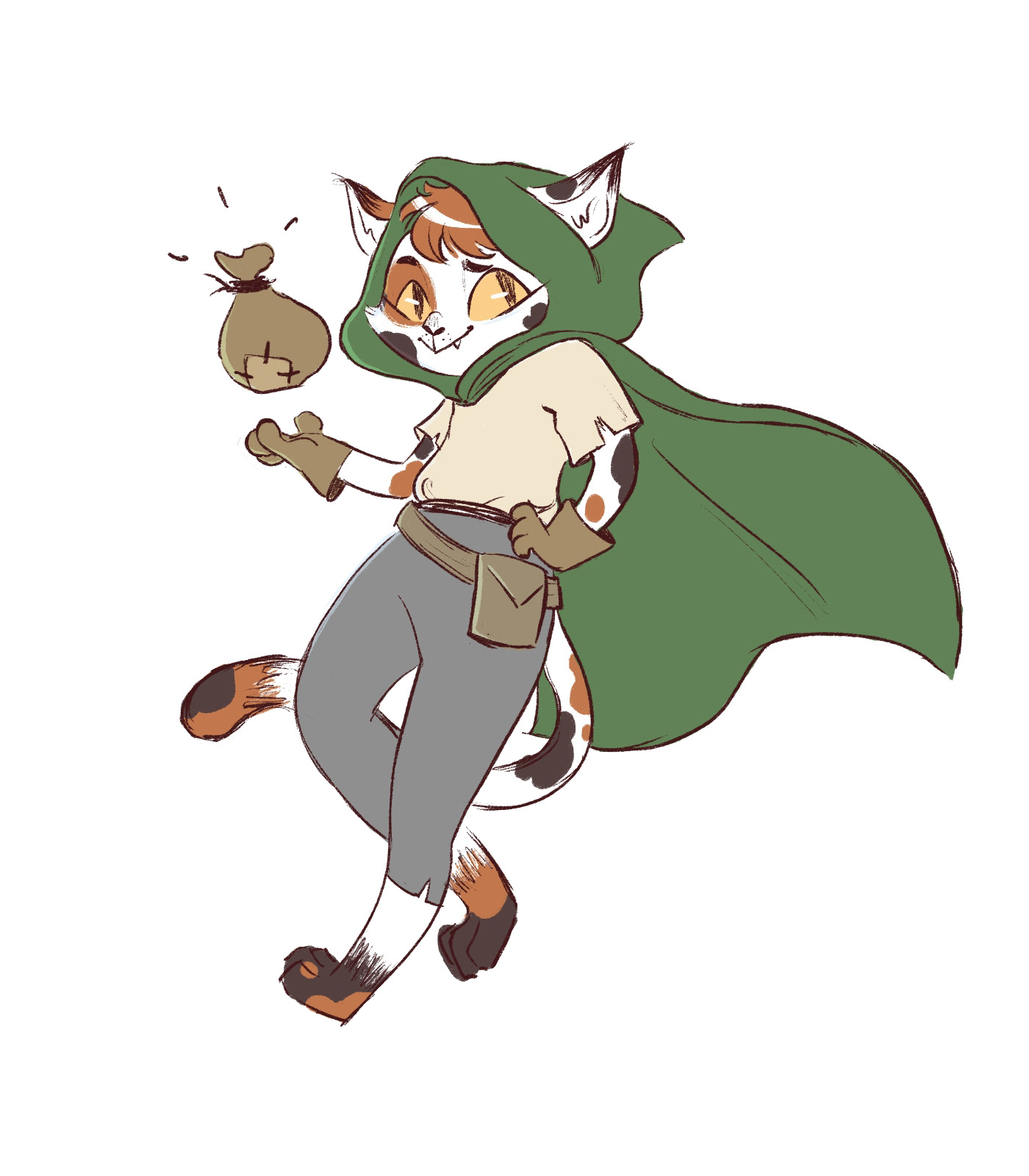
Few anthropomorphic devices are as potent as animal protagonists, whose instincts and behaviors serve as a lens for examining human nature. Wolves may embody loyalty or ferocity, foxes cunning and adaptability, and owls wisdom or omniscience. In fantasy, these archetypes are not confined by biological limits; they evolve into fully realized characters with their own cultures, languages, and histories. A novel like Redwall by Brian Jacques, for instance, populates its world with mice, badgers, and hares who wage wars, forge alliances, and grapple with moral dilemmas—all while retaining their animalistic traits. This duality creates a rich tapestry where readers can explore themes of heroism, betrayal, and redemption through the familiar yet alien.
Beyond individual characters, entire societies can be built around animalistic cultures. In The Chronicles of Narnia, the talking beasts of Narnia reflect not just human virtues and vices but also the political and social hierarchies of their world. The noble lions, the scheming wolves, and the industrious beavers each play roles that resonate with historical and mythological human societies. This layering of meaning allows readers to draw parallels between the animal kingdom and our own, making the fantastical feel eerily relevant.
Objects with Agency: The Sentient and the Mundane
Anthropomorphism extends beyond living creatures to inanimate objects, imbuing them with personality, purpose, and even malice. A sentient sword that chooses its wielder, a clockwork automaton with a soul, or a cursed mirror that reflects not just appearances but truths—these elements elevate world-building from mere backdrop to active participant in the narrative. In The Night Circus by Erin Morgenstern, the circus itself is a character, its tents shifting and its rules bending to the whims of its enigmatic creators. Here, the setting is not static; it is a living, breathing entity that shapes the story’s trajectory.
Objects with agency often serve as metaphors for human experiences. A broken pocket watch might symbolize the passage of time and mortality, while a sentient door could represent the thresholds we cross in life—some welcoming, others forbidding. In fantasy, these objects transcend their physical forms to become vessels of meaning. The key to their effectiveness lies in consistency: if a teapot can pour tea with a haughty demeanor, its quirks must be woven seamlessly into the world’s logic. When done well, these anthropomorphized objects become more than tools; they become confidants, antagonists, or even tragic figures.
Nature as a Living Entity: Forests, Rivers, and the Soul of the World
Few anthropomorphic concepts are as evocative as the personification of nature itself. In fantasy, forests do not merely exist; they breathe, judge, and nurture. Rivers may sing lullabies or roar with wrath. Mountains could slumber beneath blankets of snow or awaken in fury. This technique, rooted in ancient mythologies, allows authors to explore humanity’s relationship with the natural world—whether as stewards, conquerors, or intruders. In The Lord of the Rings, the forests of Middle-earth are sentient and often hostile, reflecting the corruption of Saruman’s industrialization. Conversely, in Avatar: The Last Airbender, the spirits of the forest are benevolent guides, embodying harmony between humans and nature.
The challenge of anthropomorphizing nature lies in balancing its grandeur with relatability. A forest that watches over its inhabitants with maternal care must still feel vast and inscrutable. To achieve this, authors often employ sensory details—rustling leaves that whisper warnings, rivers that carve paths like veins through the land, or storms that howl with the voices of the dead. These elements transform the setting into a character, one that reacts to the protagonists’ actions and shapes their journey. The result is a world where the environment is not just a stage but an active participant in the story’s unfolding drama.

Abstract Concepts Given Form: Emotions, Ideas, and Cosmic Forces
Anthropomorphism reaches its zenith when it gives form to abstract concepts—love, death, time, or even the concept of evil itself. In fantasy, these ideas are not merely discussed; they are embodied as characters, creatures, or phenomena. Death might be a skeletal figure with a compassionate gaze, time a clockmaker who weaves the threads of fate, or love a radiant deity who blesses unions or curses betrayals. This technique allows authors to explore philosophical and ethical questions in a tangible way. In The Sandman series by Neil Gaiman, Death is portrayed as a kind, empathetic young woman, subverting the traditional grim reaper trope and inviting readers to reconsider their own mortality.
The key to successfully anthropomorphizing abstract concepts lies in their embodiment. These entities must feel real, with motivations, flaws, and agency. A concept like “hope” could be a fragile bird that flutters just out of reach, while “despair” might be a shadowy figure that drains color from the world. When executed with nuance, these characters become mirrors for the human experience, forcing readers to confront their own beliefs and emotions. The result is a narrative that is not just entertaining but also deeply thought-provoking.
Cultural and Linguistic Anthropomorphism: Languages, Myths, and Rituals
Anthropomorphism isn’t limited to characters and objects; it can permeate the very fabric of a fantasy world’s culture and language. Languages might evolve with slang derived from animal calls, or myths could personify natural phenomena as deities. In The Earthsea Cycle by Ursula K. Le Guin, the names of things hold power, and the act of naming itself is a form of anthropomorphism—giving identity and agency to the unnamed. Similarly, in The Broken Earth Trilogy by N.K. Jemisin, the earth itself is a sentient, suffering entity, and its “language” is the seismic activity that shapes the world.
This linguistic and cultural anthropomorphism extends to rituals and traditions. A society might worship a sun that “dies” each night and is reborn at dawn, or they might revere a river that “speaks” through its currents. These elements create a sense of depth and authenticity, making the world feel lived-in and cohesive. They also provide opportunities for world-building through exploration—readers can uncover the meanings behind names, the origins of myths, and the significance of cultural practices, all of which enrich the narrative.
Ethical Considerations: The Responsibility of Giving Life
While anthropomorphism is a powerful tool, it comes with ethical responsibilities. When authors imbue non-human entities with human traits, they shape how readers perceive those entities in reality. A poorly crafted anthropomorphic animal character, for instance, might reinforce harmful stereotypes or reduce complex creatures to caricatures. Similarly, the personification of nature could either foster a deeper appreciation for the environment or trivialize its real-world struggles. Authors must tread carefully, ensuring that their anthropomorphic elements serve the story’s themes without perpetuating biases or oversimplifications.
Moreover, the act of giving life to inanimate objects or abstract concepts raises questions about agency and consent. Can a sentient sword truly choose its wielder, or is it merely a reflection of the wielder’s desires? Does a storm cloud “want” to destroy a village, or is its fury a manifestation of the author’s narrative needs? These questions invite readers to engage critically with the story, considering the implications of anthropomorphism beyond mere entertainment. The most compelling fantasy worlds are those where the boundaries between the human and the non-human are explored with nuance and respect.
Crafting Your Own Anthropomorphic World: Practical Tips for Writers
For aspiring fantasy writers, anthropomorphism offers a playground of creative possibilities. Start by identifying the core themes of your story—what emotions, ideas, or conflicts do you want to explore? Then, consider which anthropomorphic elements will best serve those themes. A story about the passage of time might benefit from a clockwork city where gears dictate the rhythm of life, while a tale of environmentalism could personify the earth as a wounded but resilient deity.
Consistency is key. If your world includes talking animals, establish their rules of communication, social structures, and limitations. If objects are sentient, define their motivations and how they interact with humans. Research can also enhance believability—study animal behavior, mythologies, and cultural practices to inform your anthropomorphic creations. Finally, remember that less is often more. Not every tree needs to whisper, and not every teapot needs to gossip. Let anthropomorphism serve the story, not overshadow it.