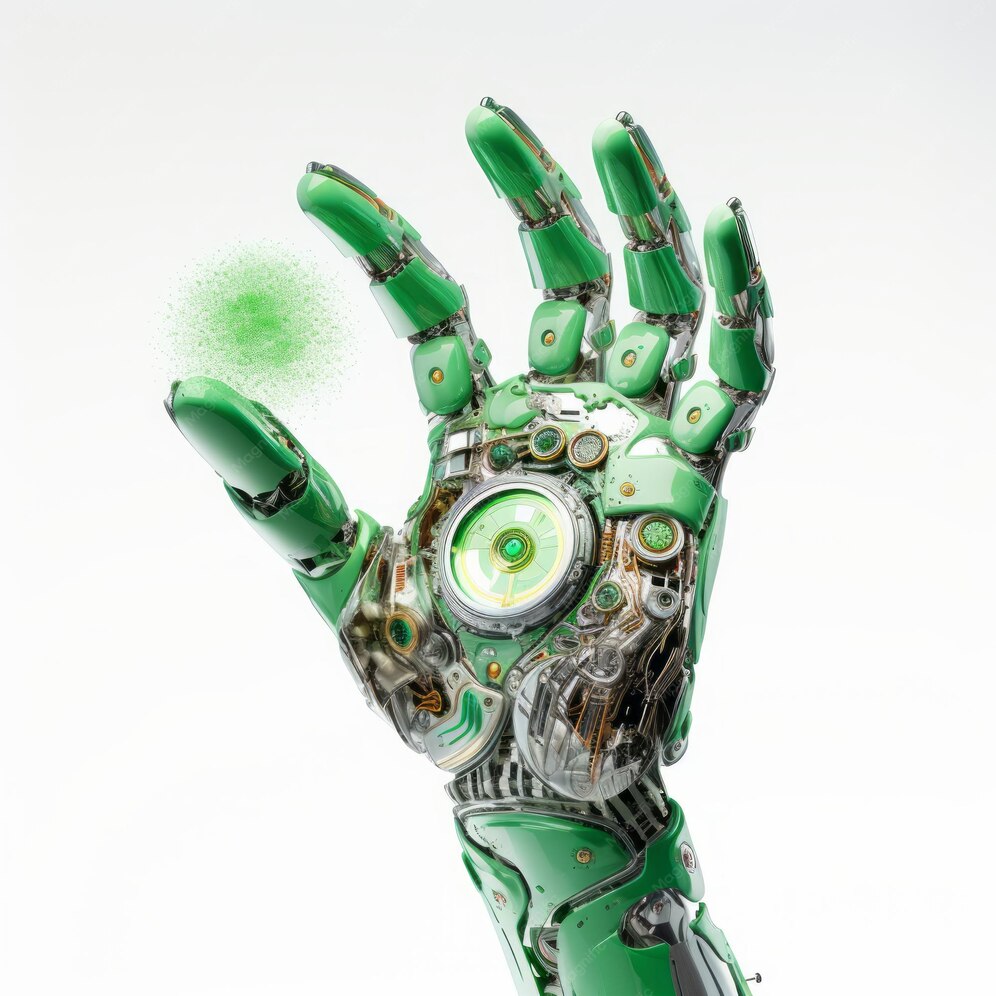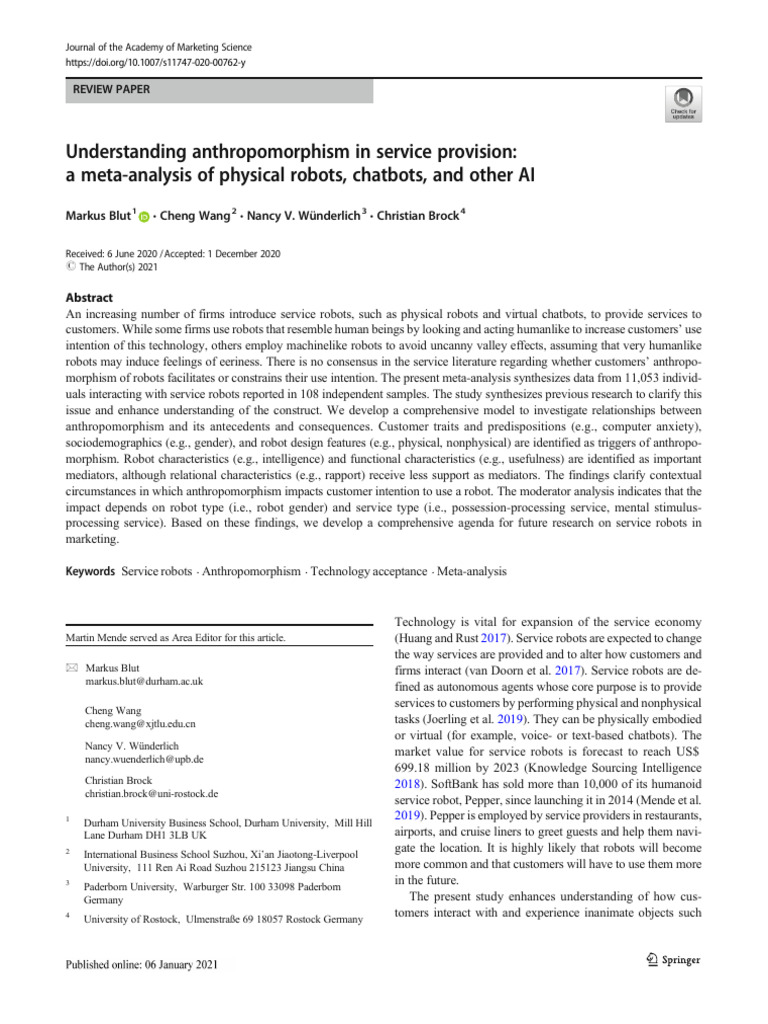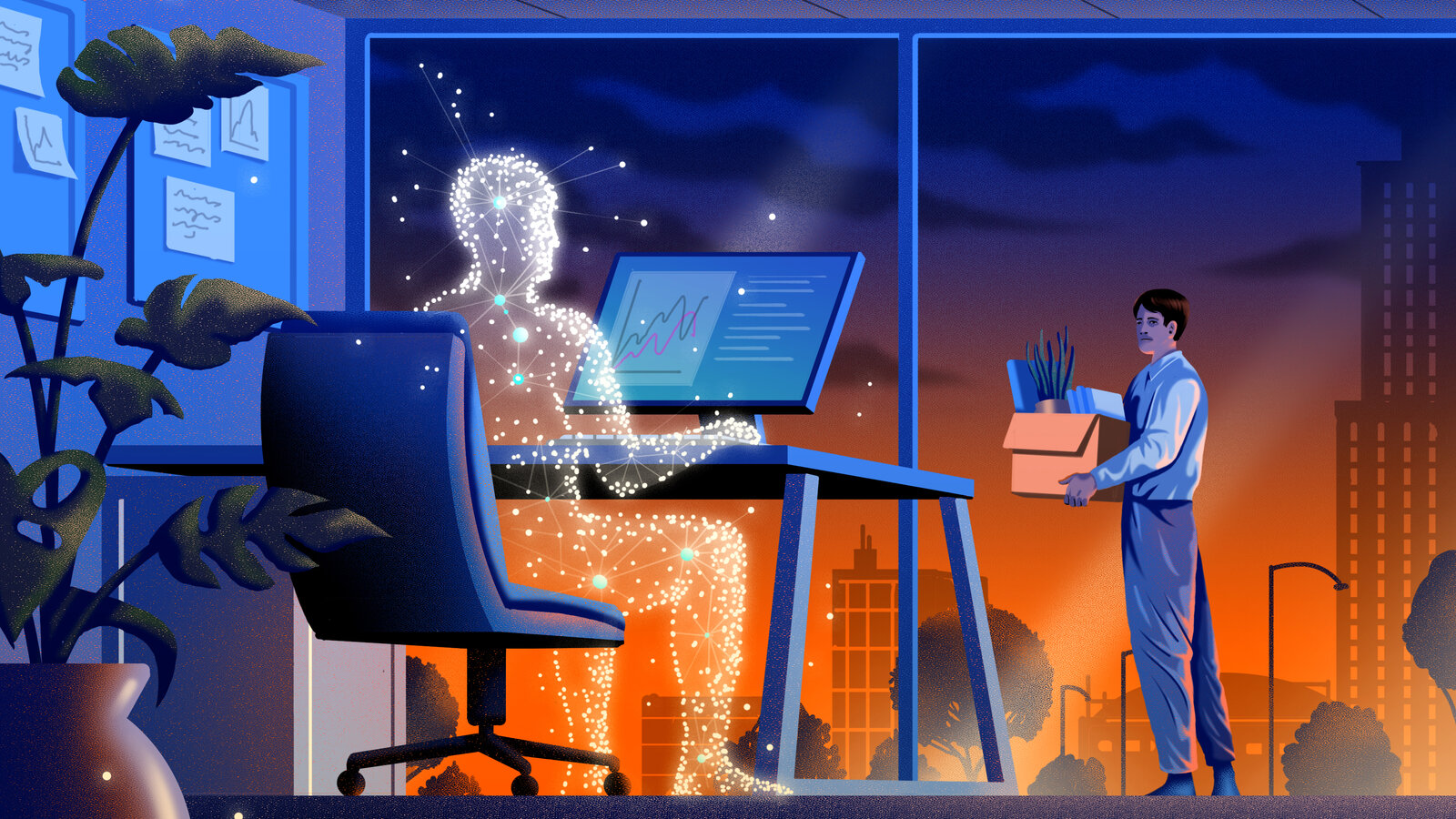
The future of work is not merely an unfolding narrative—it is a living, breathing paradox, where the lines between human ingenuity and synthetic cognition blur with each passing day. Anthropomorphic AI, with its eerily human-like expressions and adaptive intelligence, stands at the precipice of this transformation, not as a harbinger of obsolescence, but as a mirror reflecting our deepest anxieties and aspirations. The question isn’t whether AI will take our jobs, but how we will redefine work itself in its presence. To understand this, we must peer beyond the dystopian headlines and into the nuanced interplay of technology, psychology, and economics that will shape the workplace of tomorrow.
The Rise of the Digital Doppelgänger: How Anthropomorphic AI Mirrors Human Labor
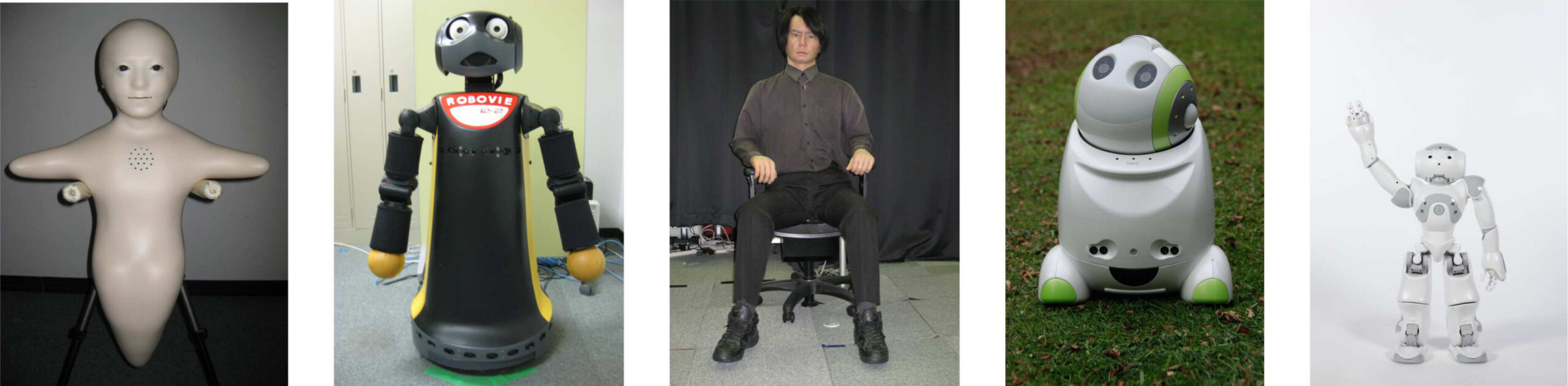
Anthropomorphic AI is not just a tool; it is a simulacrum of human capability, designed to replicate not only tasks but also the emotional and cognitive rhythms of labor. Consider the customer service chatbot that doesn’t just answer queries but detects frustration in a user’s tone, or the robotic coworker that learns from human mistakes and adapts its workflows in real time. This digital doppelgänger is not a cold automaton but a chameleon, blending into the fabric of human interaction with unsettling precision. Yet, its rise is not a sudden coup but a gradual infiltration, where each algorithmic advancement erodes the exclusivity of human roles—first in repetitive tasks, then in analytical domains, and eventually in creative collaboration.
The allure of anthropomorphic AI lies in its ability to perform with tireless consistency, devoid of the human frailties that once defined the boundaries of productivity. It doesn’t tire, doesn’t demand breaks, and doesn’t question its purpose—until, of course, we begin to question ours. The paradox is that while AI excels in efficiency, it lacks the ineffable spark of human intuition, the serendipitous leap of insight that turns a mundane task into a masterpiece. The future of work, then, may not be a zero-sum game but a symbiotic evolution, where AI handles the scaffolding of routine, freeing humans to ascend the ladder of innovation.
The Illusion of Obsolescence: Why Some Jobs Are More Vulnerable Than Others
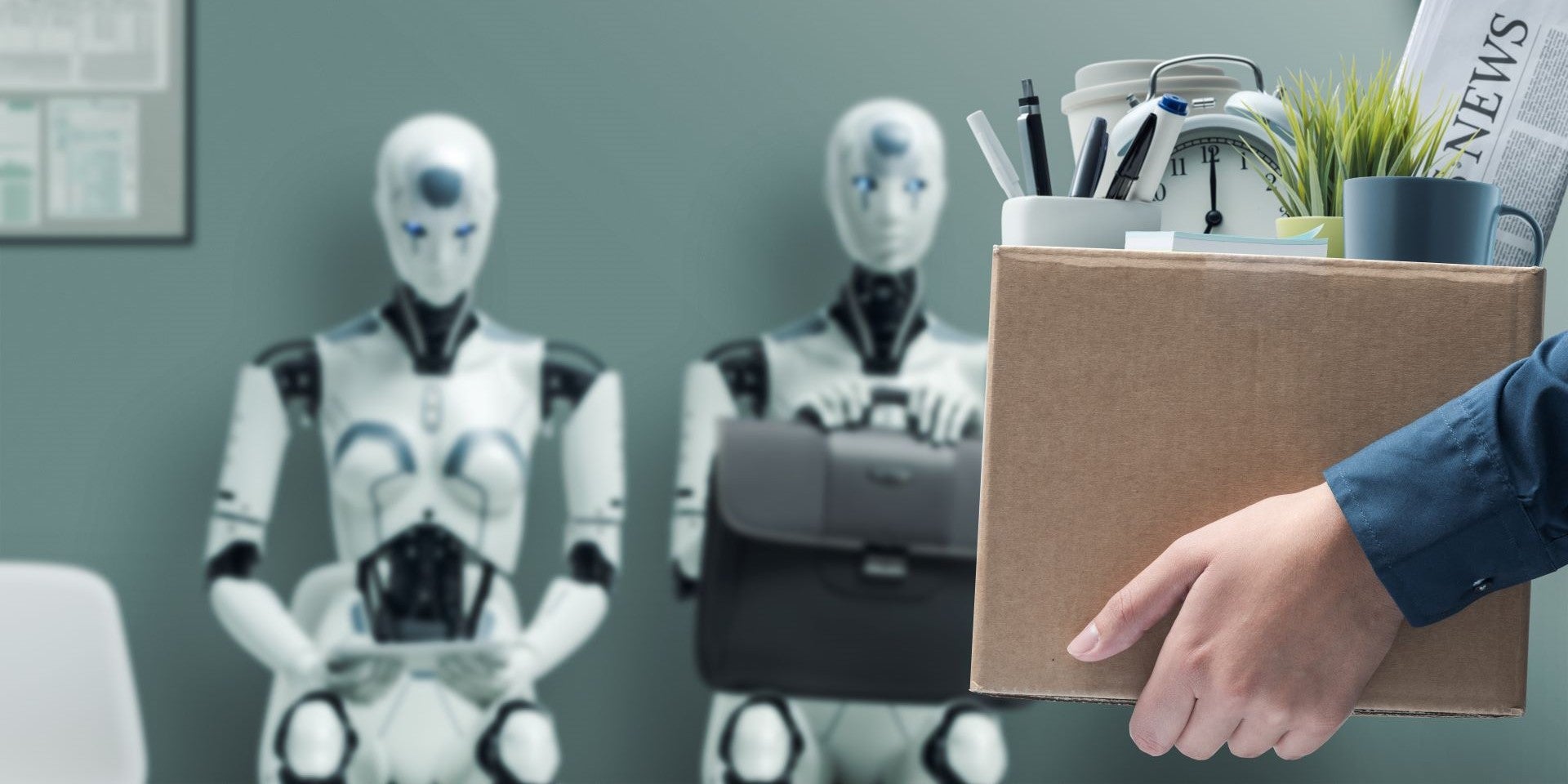
Not all professions are equally susceptible to the encroachment of anthropomorphic AI. The vulnerability of a job hinges on three critical factors: routine, predictability, and the degree of human empathy required. Roles that thrive on repetitive, data-driven processes—such as data entry, basic legal research, or even diagnostic radiology—are already witnessing the quiet displacement of human labor. These are the “easy targets,” the canaries in the coal mine of automation, where AI’s precision and speed outpace human endurance. Yet, even here, the narrative is not one of outright replacement but of augmentation. The radiologist of the future may no longer spend hours poring over scans but instead interpret AI-generated insights, adding a layer of human judgment to the machine’s raw output.
Conversely, professions that demand emotional intelligence, ethical reasoning, or creative originality remain largely untouched. The therapist who navigates the labyrinth of human emotion, the artist who paints with the brush of lived experience, or the teacher who inspires curiosity—these are the bastions of human indispensability. Anthropomorphic AI may simulate empathy, but it cannot *feel* it. It may generate art, but it lacks the soul of a creator. The jobs most at risk are those that have been stripped of their humanity, reduced to mere algorithms waiting to be optimized. The irony is that the more we design work to resemble machines, the more we invite machines to take it over.
The Psychological Dance: How Humans and AI Coexist in the Workplace
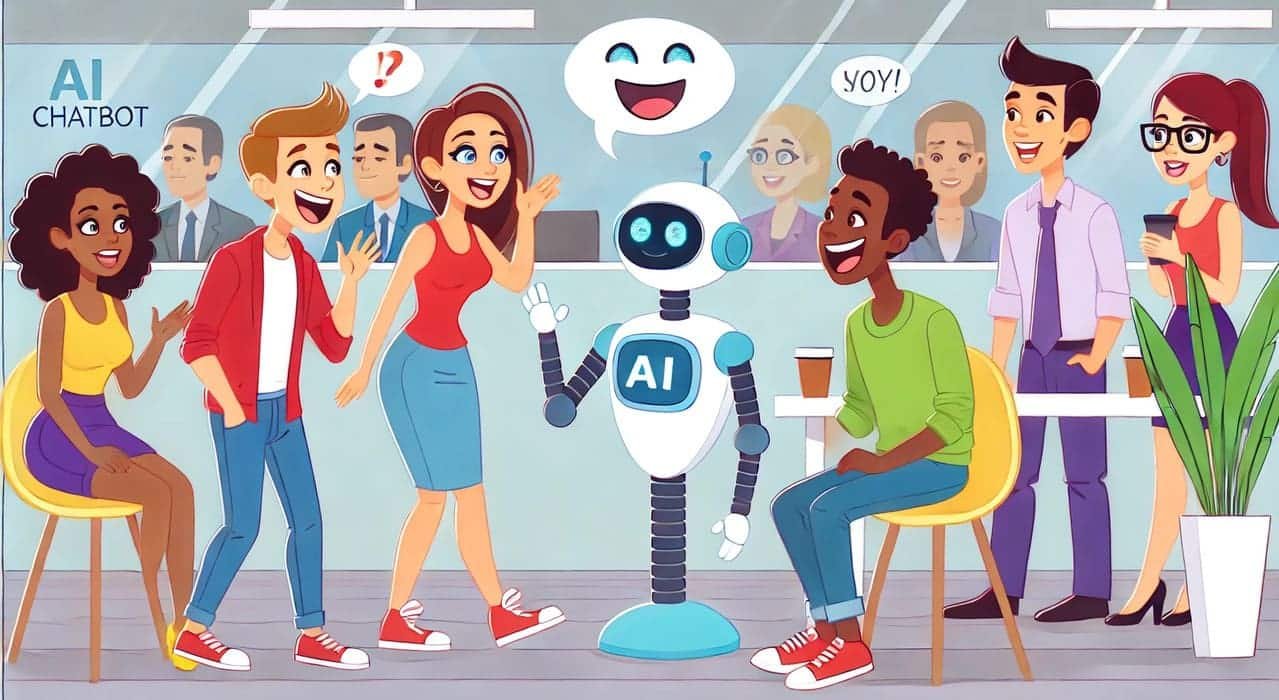
The integration of anthropomorphic AI into the workplace is less a technological challenge and more a psychological odyssey. Workers must grapple with the cognitive dissonance of collaborating with entities that mimic human traits but are, at their core, silicon and code. This dissonance manifests in subtle ways: the unease of a salesperson competing with an AI that never sleeps, the frustration of a manager overseeing a team that includes both humans and digital entities, or the existential dread of a writer whose prose is now being “enhanced” by an algorithm. The workplace of the future will demand a new kind of emotional intelligence—one that acknowledges the strengths and limitations of both human and machine labor.
Yet, this dance is not without its rewards. Anthropomorphic AI can act as a force multiplier, handling the drudgery so humans can focus on higher-order thinking. Imagine a world where surgeons operate alongside AI that predicts complications in real time, or where architects design buildings with AI that simulates structural integrity and aesthetic harmony. The key lies in reframing AI not as a rival but as a collaborator—a silent partner in the grand experiment of human progress. The psychological barrier isn’t fear of replacement but fear of irrelevance, and the antidote is to cultivate skills that AI cannot replicate: creativity, critical thinking, and the ability to navigate ambiguity.
The Economic Alchemy: Redefining Value in an AI-Augmented World
The economic implications of anthropomorphic AI are as vast as they are unpredictable. On one hand, automation could lead to unprecedented productivity, slashing costs and accelerating innovation. On the other, it threatens to widen the chasm between the skilled and the obsolete, creating a labor market where only the technologically literate thrive. The traditional metrics of economic value—hours worked, tasks completed—are rendered obsolete in a world where AI can perform the same work in a fraction of the time. The future economy may instead reward *meaning*—the ability to imbue work with purpose, to transform labor into craft, and to find fulfillment in the uniquely human act of creation.
Governments and corporations will face a reckoning: how to distribute the spoils of an AI-driven economy equitably. Universal Basic Income, reskilling initiatives, and the redefinition of work as a spectrum rather than a binary are just the beginning. The challenge is not just technological but philosophical—what do we value, and how do we ensure that value is accessible to all? The rise of anthropomorphic AI forces us to confront these questions with urgency, lest we sleepwalk into a future where efficiency trumps equity, and progress leaves too many behind.
The Ethical Labyrinth: Navigating the Moral Quandaries of Synthetic Labor
Beyond the economic and psychological dimensions lies the ethical labyrinth of anthropomorphic AI. If a machine can perform a job as well as a human, does it deserve the same rights? If AI takes over roles traditionally held by humans, who bears the responsibility for its actions? The ethical dilemmas are as complex as they are inevitable. Consider the case of an AI-driven hiring tool that inadvertently discriminates against certain demographics, or a robotic surgeon that makes a critical error—who is accountable? The law, as it stands, is ill-equipped to handle these nuances, and the courts of the future will need to evolve at the same pace as the technology they govern.
Moreover, the anthropomorphization of AI raises troubling questions about deception and consent. When an AI chatbot mimics human emotion, is it engaging in a form of emotional labor theft? When a customer interacts with an AI that feels “real,” are they being misled? The line between tool and companion blurs, and with it, the ethical obligations of designers and users. The future of work is not just about what AI can do, but what it *should* do—and who gets to decide.
The Human Renaissance: Crafting a Future Where AI Serves, Not Replaces
The narrative of AI as a job-stealing menace is a self-fulfilling prophecy only if we allow it to be. The true potential of anthropomorphic AI lies not in its ability to replace humans but in its capacity to elevate us. This is the human renaissance—a rebirth of work where creativity, empathy, and innovation are not just preserved but amplified. The jobs of tomorrow will be those that demand a fusion of human intuition and machine precision: the designer who uses AI to prototype ideas in real time, the educator who leverages AI to personalize learning, or the entrepreneur who deploys AI to automate the mundane and focus on the visionary.
The key to this future is not resistance but reinvention. Workers must become lifelong learners, adaptable to the ebb and flow of technological change. Education systems must pivot from rote memorization to critical thinking, from compliance to curiosity. And society must redefine success—not by the jobs we hold, but by the lives we enrich. Anthropomorphic AI is not the end of work; it is the beginning of a new chapter, one where humans and machines co-author the story of progress.
In the end, the question is not whether AI will take our jobs, but whether we will let it define us—or whether we will rise to meet the challenge of a future where work is not a means to an end, but a canvas for human potential.