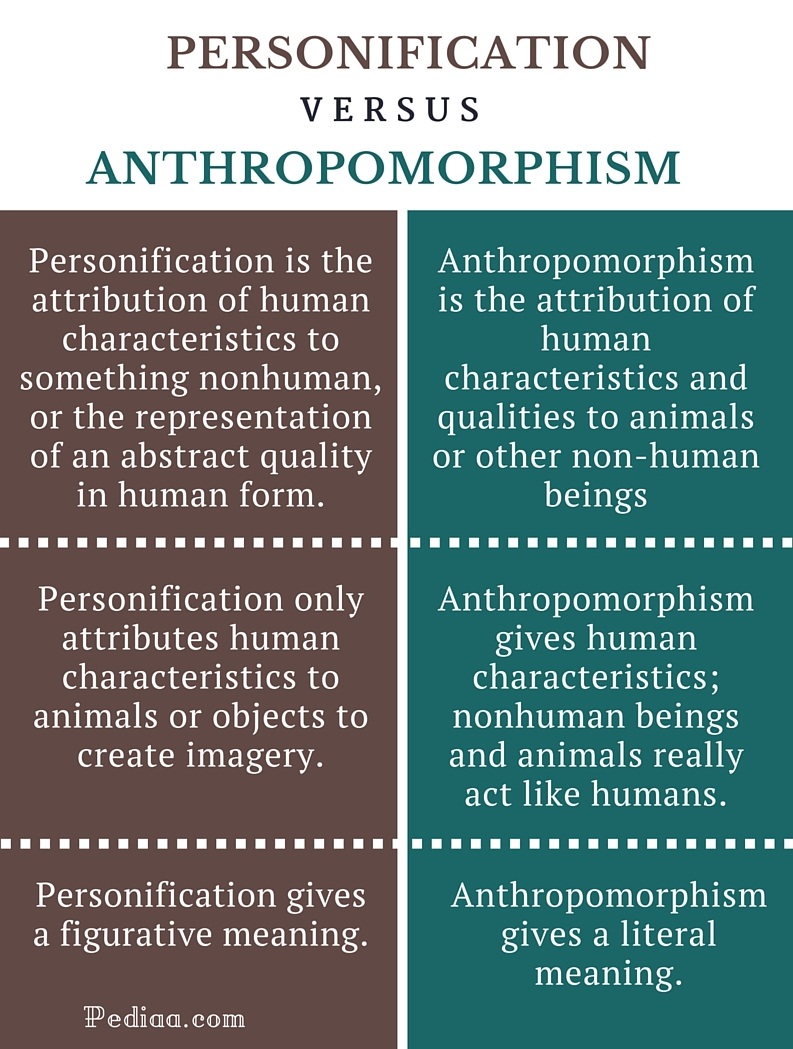
Dreams are the mind’s nocturnal theater, where the boundaries of reality dissolve into a kaleidoscope of symbols, emotions, and narratives. Among the most captivating phenomena in this ethereal realm is anthropomorphism—the attribution of human traits, emotions, or intentions to non-human entities. When anthropomorphism infiltrates dreams, it transforms the subconscious into a stage where animals converse, objects whisper, and landscapes breathe with sentience. This phenomenon is not merely a quirk of the sleeping mind but a profound reflection of how we interpret the world, blending the familiar with the fantastical. To explore anthropomorphism in dreams is to unravel the threads of metaphor that weave our inner lives, revealing insights into identity, fear, desire, and the human condition itself.
The Alchemy of Dream Anthropomorphism: When the Inanimate Speaks
In the crucible of dreams, even the most mundane objects can undergo a metamorphosis, sprouting limbs, voices, or personalities. A chair might recline with the haughtiness of a monarch, a clock could tick with the urgency of a harried executive, and a storm cloud may loom with the wrath of an ancient deity. This anthropomorphic transmutation is not arbitrary; it is the mind’s way of imposing order on chaos, of humanizing the unfamiliar to render it comprehensible. The phenomenon hinges on the brain’s relentless quest for pattern and meaning, even in the most abstract of stimuli. When sensory input from the external world is absent, the sleeping mind manufactures its own narratives, and anthropomorphism becomes the scaffolding upon which these stories are built.
Consider the dream where a river flows not as water but as a serpentine entity, its currents whispering secrets in a voice like rustling leaves. Here, the river is no longer a passive geographical feature but an active participant in the dreamer’s emotional landscape. The anthropomorphized river might symbolize the flow of life, its turbulence mirroring inner turmoil, or its meandering course reflecting a journey yet to unfold. Such dreams are not mere flights of fancy; they are the subconscious’s way of translating abstract concepts—time, change, emotion—into tangible, relatable forms. The river’s sentience is a metaphorical bridge, allowing the dreamer to engage with intangible forces on a visceral level.
The Bestiary of the Mind: Animals as Dream Archetypes
Animals in dreams are rarely just animals. They are emissaries of the subconscious, embodying instincts, fears, or aspirations that the dreamer may not consciously acknowledge. A wolf might stalk the dreamer not as a predator but as a guardian of untamed desires; a butterfly could flutter through the scene as a harbinger of transformation. Anthropomorphism elevates these creatures from mere biological entities to symbolic avatars, each carrying a payload of meaning that resonates with the dreamer’s psyche.
The owl, with its unblinking gaze and nocturnal habits, often appears as a sage or a harbinger of hidden knowledge. In dreams, it may perch on the dreamer’s shoulder, offering cryptic advice or warning of impending revelations. The owl’s anthropomorphic role transcends its real-world behavior, becoming a vessel for wisdom—or, conversely, for the dread of the unknown. Similarly, the fox, a creature of cunning and adaptability, might slink into a dream as a trickster, testing the dreamer’s resolve or exposing vulnerabilities. These animal archetypes are not static; they evolve with the dreamer, their meanings deepening as the individual navigates the labyrinth of their own mind.
What makes these anthropomorphic encounters so potent is their ability to bypass the rational mind. A dreamer may intellectually understand the symbolism of a snake, for instance, but when the serpent speaks in a dream, its words resonate on a primal, emotional level. The anthropomorphized animal becomes a conduit for the subconscious to communicate in a language that bypasses the filters of logic, speaking directly to the heart.
The Architecture of Sentience: Buildings, Machines, and the Dreamer’s Psyche
Anthropomorphism in dreams extends beyond living creatures to include inanimate structures and objects, which often take on roles that reflect the dreamer’s relationship with their environment or their own mental state. A house might not merely shelter the dreamer but actively participate in their journey, its rooms shifting like a labyrinth, its doors leading to unexpected revelations. A car, in the dreamer’s hands, could become a temperamental beast, its engine roaring with the dreamer’s suppressed frustrations or its brakes failing at moments of perceived helplessness.
Consider the dream where a clock tower looms over a town, its hands spinning wildly as the dreamer races against time. Here, the clock is not just a timekeeping device but a tyrant, its relentless ticking a metaphor for the dreamer’s anxiety about deadlines, aging, or the inexorable march of life. The anthropomorphized clock embodies the dreamer’s internalized pressure, its sentience a projection of their own fears. Similarly, a computer in a dream might glitch or freeze, its screen flickering with messages that feel like omens. The machine’s behavior mirrors the dreamer’s frustration with technology—or, more deeply, with their own cognitive processes, as if the subconscious is diagnosing a malfunction in their mental machinery.
These anthropomorphic structures and objects serve as mirrors, reflecting the dreamer’s inner world back at them in exaggerated, often unsettling forms. They are the mind’s way of externalizing abstract concepts, making the intangible tangible and the incomprehensible comprehensible. In this way, dreams become a laboratory where the psyche conducts experiments, testing hypotheses about identity, control, and the nature of reality itself.
The Shadow and the Sage: Anthropomorphism as a Lens for Self-Discovery
Anthropomorphism in dreams is not merely a quirk of the subconscious; it is a tool for self-exploration. When a dreamer encounters an anthropomorphized entity—whether it be a talking tree, a judgmental mirror, or a vengeful shadow—the encounter is an invitation to delve deeper into the self. These entities often embody aspects of the dreamer’s personality that are repressed, idealized, or in need of integration. The talking tree might represent the dreamer’s connection to nature or their own rootedness in tradition, while the vengeful shadow could symbolize unresolved guilt or anger.
The anthropomorphic dream figure can also act as a guide or a foil, challenging the dreamer to confront their fears or embrace their potential. A dream where a wise old man—or a wise old woman—offers cryptic advice is a classic example of this dynamic. The figure’s sentience is a metaphor for the dreamer’s own inner wisdom, a part of the psyche that has been cultivated through experience and introspection. By engaging with this figure, the dreamer is essentially dialoguing with a facet of themselves, a process that can lead to profound insights and personal growth.
Moreover, anthropomorphism in dreams can reveal the dreamer’s relationship with the external world. A dream where a storm cloud follows the dreamer relentlessly might reflect feelings of being pursued by external pressures or unresolved conflicts. Conversely, a dream where a gentle breeze carries the dreamer aloft could symbolize a desire for freedom or a sense of being unburdened. These anthropomorphic encounters are not random; they are the subconscious’s way of communicating the dreamer’s emotional state, often in a language that is more visceral than words.
The Paradox of Control: Anthropomorphism and the Illusion of Agency
One of the most intriguing aspects of anthropomorphism in dreams is its paradoxical relationship with the dreamer’s sense of control. On one hand, the dreamer may feel powerless, at the mercy of the dream’s narrative or the whims of its anthropomorphic entities. A dream where a faceless figure chases the dreamer through a labyrinthine city is a classic example of this dynamic, the pursuer’s sentience amplifying the dreamer’s helplessness. On the other hand, the dreamer might also experience a sense of agency, as when they command an anthropomorphized object to perform a task or negotiate with a dream character for safe passage.
This tension between control and surrender is a microcosm of the human experience. In waking life, we often grapple with the illusion of control, striving to impose order on a chaotic world. In dreams, this struggle is magnified, as the anthropomorphic entities become both the architects of the dream’s narrative and its most unpredictable elements. The dreamer’s ability—or inability—to influence these entities reflects their subconscious attitudes toward power, vulnerability, and the unpredictability of existence.
Consider the dream where a key turns itself in a lock, the door swinging open to reveal an unknown room. The key’s sentience is a metaphor for the dreamer’s own agency—or lack thereof. If the dreamer feels a surge of curiosity and steps through the door, they are embracing the unknown, asserting their desire to explore. If, however, they hesitate or feel a sense of dread, the anthropomorphic key becomes a symbol of forces beyond their control, perhaps reflecting real-life anxieties about change or the unknown. In this way, anthropomorphism in dreams becomes a mirror for the dreamer’s relationship with fate, free will, and the mysteries of life.
The Alchemy of Interpretation: Decoding the Language of Dream Anthropomorphism
Interpreting anthropomorphism in dreams is an art as much as a science. While some symbols may have universal meanings—a snake often represents transformation, a door signifies opportunity—each dreamer’s experience is uniquely their own. The key to unlocking the language of dream anthropomorphism lies in the dreamer’s emotional response to the encounter. Did the anthropomorphic entity evoke fear, comfort, curiosity, or frustration? The answer to this question is often more revealing than any dictionary of symbols.
For instance, a dream where a bridge collapses as the dreamer crosses it might symbolize a fear of transition or a perceived failure in a real-life endeavor. The bridge’s sentience—its dramatic collapse—amplifies the dreamer’s anxiety, making the metaphor more visceral. Conversely, a dream where a bridge stretches endlessly before the dreamer, leading to a horizon bathed in golden light, could symbolize hope, progress, or the anticipation of a new beginning. The anthropomorphic bridge, in this case, is a guide, leading the dreamer toward a brighter future.
The process of interpretation is also deeply personal. A dream where a childhood toy comes to life might evoke nostalgia for some and discomfort for others, depending on the dreamer’s relationship with their past. The anthropomorphic toy becomes a vessel for these emotions, its sentience a reflection of the dreamer’s unresolved feelings. By engaging with these entities, the dreamer is not just decoding symbols but engaging in a dialogue with their own psyche, uncovering layers of meaning that may have been buried beneath the surface of waking life.