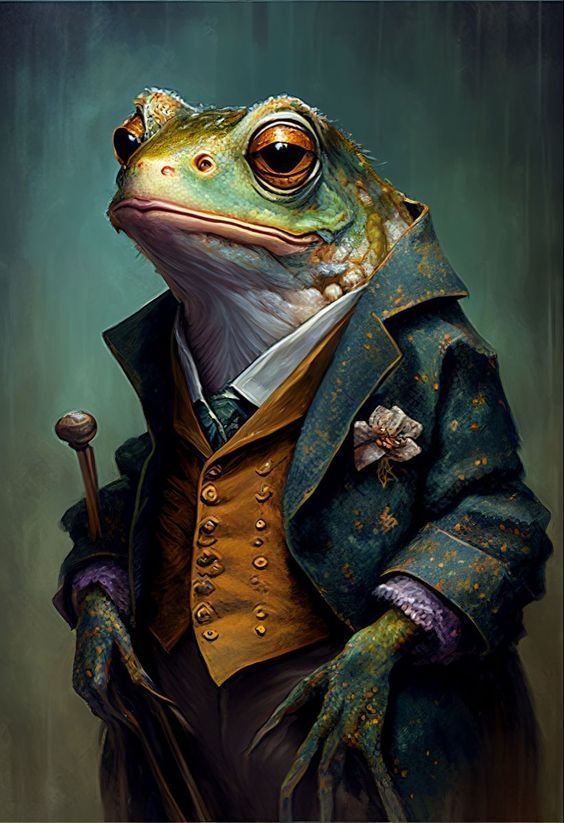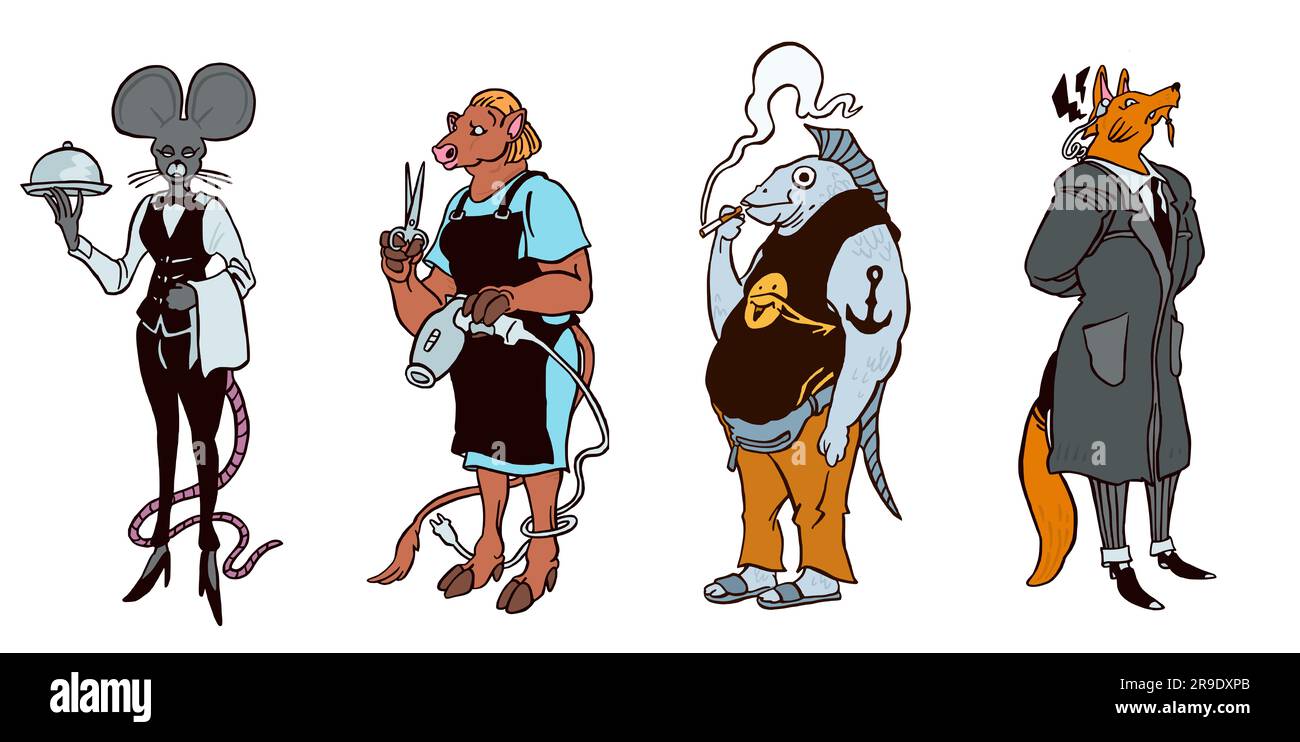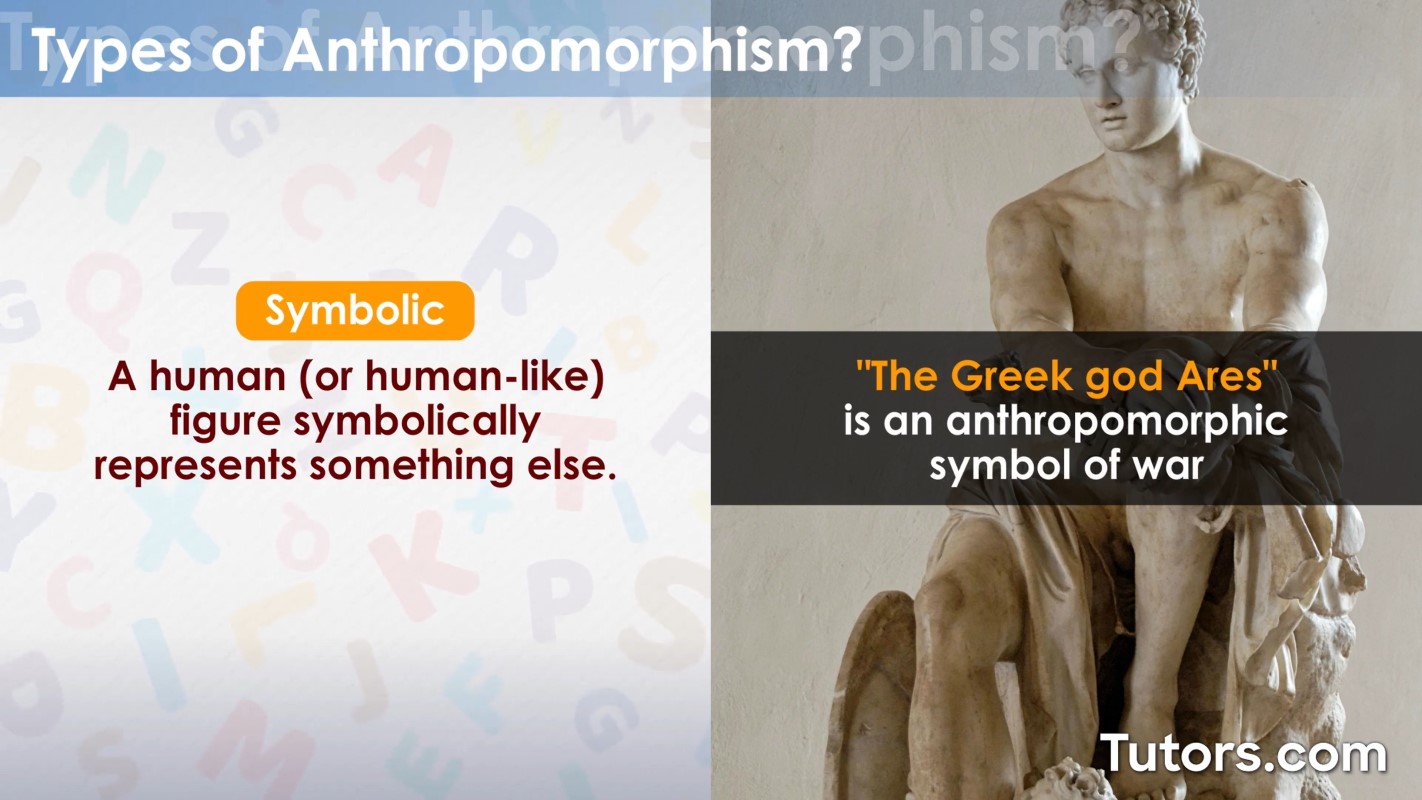
What if the divine beings we worshipped were not distant, inscrutable forces of the cosmos, but rather, beings shaped by the same quirks of human psychology that define our own existence? The concept of anthropomorphic gods—deities endowed with human-like forms, emotions, and behaviors—has been a cornerstone of religious and mythological traditions across cultures. But why do we, as a species, gravitate toward imagining the sacred in our own image? And what does this say about the way our minds construct meaning in an otherwise chaotic universe?
The Allure of the Familiar: Why Gods Wear Human Faces
The human brain is a pattern-recognition machine, wired to seek familiarity in the unknown. Anthropomorphism—the attribution of human traits to non-human entities—is a cognitive shortcut that allows us to navigate a complex world by relating it to our own experiences. When ancient civilizations gazed upon the heavens, they didn’t see cold, indifferent stars; they saw a pantheon of gods engaged in dramas as vivid as their own lives. The Greek gods quarreled like squabbling siblings, the Egyptian deities wielded power with the capriciousness of a pharaoh’s decree, and the Hindu trimurti—Brahma, Vishnu, and Shiva—embodied the cyclical nature of existence through human-like roles of creation, preservation, and destruction.
This tendency isn’t confined to antiquity. Modern studies in cognitive psychology reveal that even today, we instinctively project human characteristics onto everything from artificial intelligence to the weather. A storm isn’t just a meteorological event; it’s an angry Zeus hurling thunderbolts. A river isn’t merely a body of water; it’s a nurturing mother goddess. The divine, in this sense, becomes a mirror—reflecting our fears, desires, and social structures back at us in a form we can comprehend.
The Emotional Scaffold: How Gods Give Shape to Human Struggle
Anthropomorphic deities don’t just look like us; they *feel* like us. They love, they rage, they betray, they grieve. This emotional scaffolding serves a profound psychological purpose: it provides a narrative framework for the human condition. When the Babylonian goddess Ishtar descended into the underworld, her descent wasn’t merely a mythological event—it was a metaphor for the cyclical nature of life, death, and rebirth. When the Norse god Thor wielded Mjölnir, his battles weren’t just tales of strength; they symbolized the eternal struggle against chaos and entropy.
Consider the Hindu deity Shiva, whose dance of destruction (the Tandava) isn’t a mere spectacle but a cosmic reset button, clearing the way for renewal. Or the Christian God, whose wrath and mercy in the Old and New Testaments reflect the duality of human morality. These deities act as psychological archetypes, embodying virtues we aspire to and vices we fear. They give form to abstract concepts like justice, love, and vengeance, making the ineffable tangible. In doing so, they offer a language for human suffering—a way to articulate grief, hope, and redemption in a universe that often feels indifferent.
The Social Glue: How Shared Myths Bind Communities
Anthropomorphic gods are more than psychological crutches; they are social glue. The shared belief in a pantheon of human-like deities fosters cohesion within communities, providing a common language for morality, identity, and purpose. When a society worships a god of war, it isn’t just about battlefield victories—it’s about reinforcing collective values of bravery and discipline. When a culture venerates a trickster deity like Loki or Anansi, it acknowledges the role of chaos in human progress, encouraging adaptability and cunning.
This social function extends beyond mere storytelling. Anthropomorphic deities often serve as moral compasses, their edicts shaping laws and customs. The Ten Commandments, for instance, aren’t just religious doctrine; they’re a codification of social norms. The Greek concept of *xenia* (hospitality), enforced by Zeus himself, wasn’t just a cultural nicety—it was a survival mechanism in a world where strangers could mean life or death. By personifying abstract ideals, these gods transform societal rules into divine mandates, making obedience feel like a cosmic duty rather than a human imposition.
The Paradox of Divine Imperfection: Why Flawed Gods Resonate
One of the most intriguing aspects of anthropomorphic deities is their imperfections. Unlike the sterile, omnipotent figures of monotheistic traditions, many polytheistic gods are flawed—jealous, petty, vengeful, or even comically incompetent. The Greek gods were notorious for their pettiness; Hera’s wrath against Zeus’s lovers was legendary, while Ares embodied the futility of war. The Egyptian pantheon included gods like Set, who murdered his own brother, and Thoth, whose wisdom was often undermined by his own vanity.
This imperfection serves a critical psychological purpose: it humanizes the divine. If gods are too perfect, they become distant, unreachable ideals. But flawed gods? They’re relatable. They make mistakes. They suffer. They learn. In this way, anthropomorphic deities become mirrors not just of our aspirations, but of our failures. They remind us that even the sacred is subject to the same emotional tides that govern human life. This paradox—divine yet flawed—creates a tension that makes these figures endlessly compelling. It’s the reason we laugh at Loki’s mischief, cringe at Zeus’s infidelities, and marvel at Shiva’s contradictions.
The Challenge of Modern Anthropomorphism: When Gods Outlive Their Purpose
Yet, the very thing that makes anthropomorphic gods so psychologically potent also poses a challenge in the modern world. As science unravels the mysteries of the universe—replacing myth with empirical evidence—what happens to deities who were once the architects of meaning? The rise of secularism and rationalism has left many questioning the relevance of gods who behave like overgrown, immortal humans. If a deity’s power is limited by human-like emotions, does that diminish their authority? Can a god who is subject to jealousy or pride truly be worthy of worship in an age that values objectivity and progress?
This tension is perhaps most evident in the decline of traditional religious narratives. As societies become more diverse and interconnected, the once-universal language of anthropomorphic deities struggles to maintain its hold. New spiritual movements often eschew human-like gods in favor of abstract concepts—energy, the universe, or the collective unconscious. Even within established religions, there’s a growing trend toward reinterpreting divine figures as symbolic rather than literal. The question then arises: Is the era of anthropomorphic gods drawing to a close, or will they evolve into new forms, adapting to the psychological needs of future generations?
The Future of the Divine: Will Anthropomorphism Endure?
The answer may lie in the unchanging nature of the human mind. As long as we seek patterns, as long as we crave narratives to explain our existence, and as long as we need symbols to embody our deepest fears and desires, anthropomorphic gods will persist—if not in their traditional forms, then in new guises. Perhaps they will reemerge in the digital age as AI deities, or in the realm of science fiction as extraterrestrial beings with human-like emotions. Maybe they will become the stuff of virtual reality, where users craft their own divine avatars to worship or rebel against.
One thing is certain: the psychology behind our need for anthropomorphic gods is timeless. Whether we call them Zeus, Yahweh, or the singularity, we will always seek to see ourselves in the divine. The challenge, then, is not whether these figures will endure, but how they will adapt to the ever-shifting landscape of human consciousness. Will they remain the playful, flawed, and deeply human characters of ancient myth, or will they transform into something entirely new—something that speaks to the next chapter of our collective imagination?