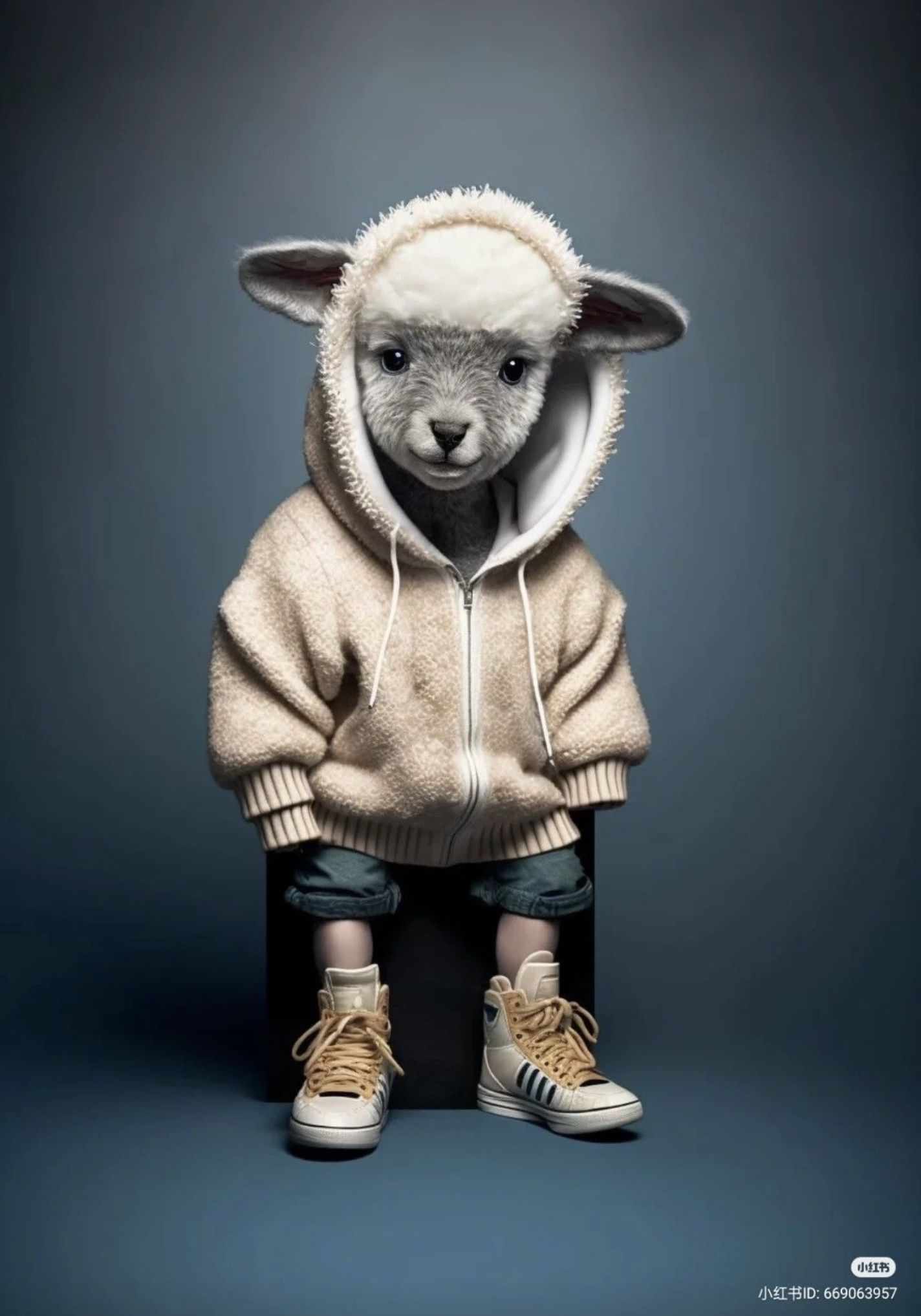
In the grand tapestry of human cognition, few threads weave as intricately through our perception as anthropomorphism—the art of ascribing human traits, emotions, and intentions to non-human entities. From the whispering winds personified in ancient myths to the sassy GPS voice guiding us through unfamiliar streets, anthropomorphism is not merely a literary device but a cognitive lens through which we interpret the world. It is the bridge between the familiar and the foreign, the known and the enigmatic. This phenomenon shapes not only how we interact with technology and nature but also how we construct meaning in a universe that often feels indifferent and inscrutable. To understand its profound influence, we must embark on a journey through the labyrinth of human psychology, cultural storytelling, and the very fabric of our daily lives.
The Cognitive Alchemy: How Our Brains Humanize the Inanimate
At the heart of anthropomorphism lies a cognitive shortcut—a heuristic that allows our brains to process complexity with ease. Evolution has wired us to recognize human-like patterns, a survival mechanism honed over millennia. When we see a face in the clouds or hear a voice in the static of a radio, our minds are engaging in a form of pattern completion, filling gaps with familiar forms to make sense of the unfamiliar. This tendency is not a flaw but a feature of human intelligence, a way to navigate a world teeming with ambiguity.
Neuroscientifically, anthropomorphism is linked to the activation of the fusiform face area, a region of the brain that processes facial recognition. When we encounter objects that vaguely resemble faces—be it a power outlet or a mountain range—our brains leap to interpret them as sentient. This phenomenon, known as pareidolia, is the same force that turns constellations into mythological figures and toasters into potential adversaries. It is a testament to the brain’s relentless pursuit of meaning, even where none exists.
Yet, anthropomorphism is more than a passive trick of perception; it is an active participant in our emotional landscape. Studies suggest that when we anthropomorphize an object or entity, we engage the same neural pathways associated with social interaction. A car that “purrs” like a contented cat or a computer that “refuses” to cooperate triggers the same empathetic responses as interacting with a fellow human. This blurring of boundaries between the animate and inanimate is not just whimsical—it is a fundamental aspect of how we relate to the world.
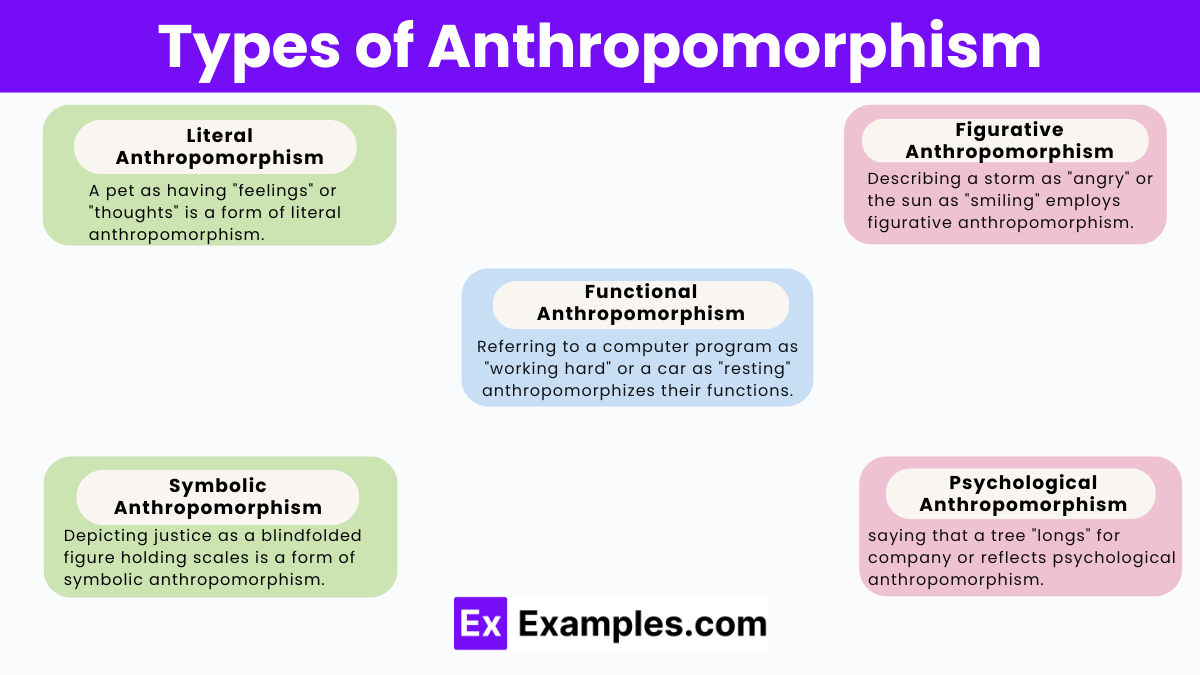
The allure of anthropomorphism lies in its ability to transform the mundane into the magical. A simple act of naming a houseplant or cursing a malfunctioning printer becomes an act of communion, a dialogue between the self and the other. In this way, anthropomorphism is not just a cognitive quirk but a creative force, one that infuses our surroundings with personality and purpose.
The Cultural Canvas: Anthropomorphism in Myth, Religion, and Folklore
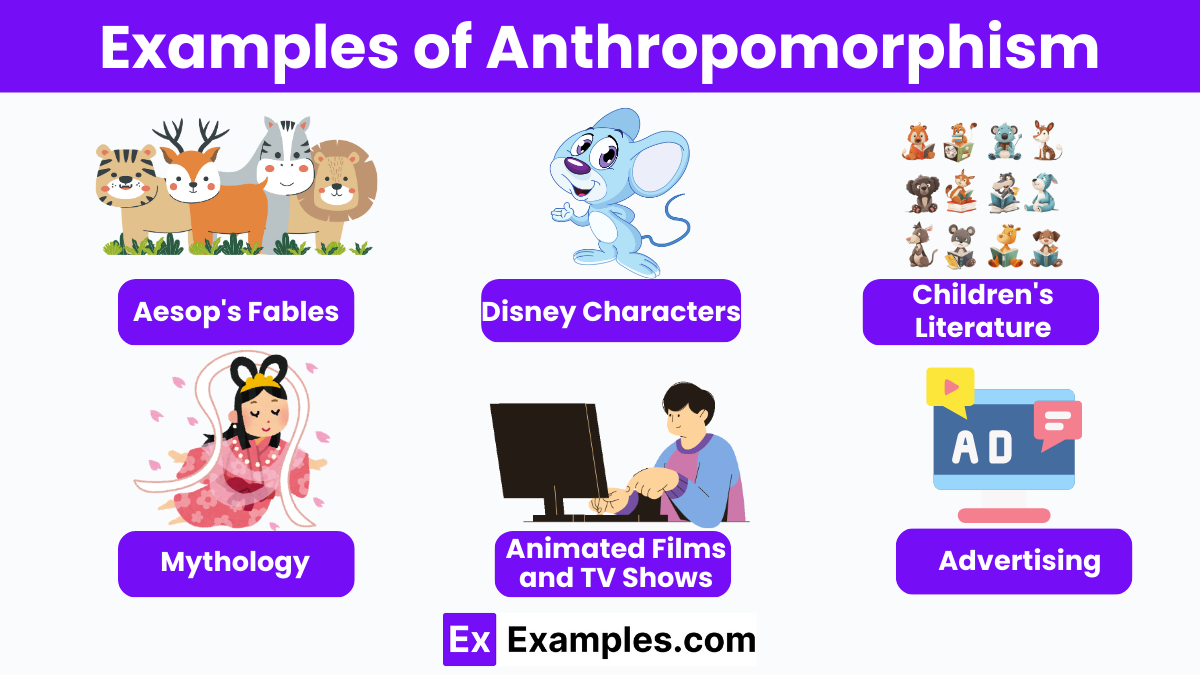
Long before the advent of psychology, anthropomorphism was the cornerstone of human storytelling. Mythologies across the globe teem with deities who walk among mortals, animals with human voices, and natural forces that demand reverence. In ancient Egypt, the sun god Ra sailed across the sky in a celestial boat, while in Greek mythology, Zeus hurled thunderbolts with the wrath of a scorned lover. These narratives were not mere fables but attempts to explain the unexplainable, to personify the capricious whims of nature and fate.
Religions, too, have leveraged anthropomorphism to make the divine relatable. The Abrahamic traditions depict God with human emotions—jealousy, love, anger—while Eastern philosophies often portray deities in human form, albeit with supernatural attributes. Even in animistic traditions, where spirits inhabit trees, rivers, and stones, the act of imbuing the non-human with consciousness is a form of anthropomorphism, a way to foster a sense of connection with the environment.
Folklore is perhaps the richest repository of anthropomorphic storytelling. From the trickster fox of Japanese tales to the cunning Anansi of West African lore, animals have long served as mirrors to human nature, embodying virtues, vices, and everything in between. These stories endure because they tap into a universal truth: that the world is not just a collection of objects but a stage for drama, conflict, and redemption. Anthropomorphism, in this context, is not a distortion of reality but a distillation of it, a way to distill complex ideas into tangible, memorable narratives.
Consider the enduring appeal of Aesop’s fables, where animals speak and act with human-like motives. The tortoise and the hare is not merely a story about speed; it is a meditation on perseverance, hubris, and the unpredictability of life. By anthropomorphizing the animals, Aesop transforms abstract concepts into vivid, relatable characters, ensuring that the lesson lingers long after the tale is told. This is the power of anthropomorphism: it turns the abstract into the concrete, the intangible into the tangible.

In modern times, anthropomorphism has found new life in the digital age. Chatbots with synthetic voices, virtual assistants with personalities, and even corporate mascots like the Michelin Man or the Pillsbury Doughboy are all descendants of this ancient tradition. They serve as a reminder that anthropomorphism is not a relic of the past but a living, evolving phenomenon, one that adapts to the technological and cultural landscapes of each era.
The Emotional Echo: Why We Fall in Love with Inanimate Companions
Anthropomorphism is not confined to the realm of myth or art; it permeates our daily lives in ways both subtle and profound. Consider the phenomenon of parasocial relationships, where individuals form one-sided emotional attachments to fictional characters, celebrities, or even inanimate objects. A child’s attachment to a stuffed animal or an adult’s devotion to a vintage car is not merely sentimentalism—it is a testament to the human need for connection, even with entities that cannot reciprocate.
This emotional investment is not limited to objects we deem “cute” or “friendly.” Even machines and tools can become objects of affection when anthropomorphized. The phenomenon of naming hurricanes or referring to ships as “she” is a linguistic remnant of this tendency. In Japan, the concept of tsukumogami—objects that gain souls after a century of existence—reflects a cultural acceptance of anthropomorphism as a natural part of life. A well-loved teapot or a cherished sword is not just a tool but a companion, a silent witness to the passage of time.
The rise of artificial intelligence has only intensified this dynamic. Voice assistants like Siri or Alexa are designed with human-like qualities—gendered voices, conversational tones, even humor—to foster a sense of familiarity. Users often report feeling a sense of companionship with these digital entities, a phenomenon that blurs the line between tool and friend. This is not mere anthropomorphism but a synthetic intimacy, a new form of relationship that challenges our traditional notions of connection.
Yet, this emotional investment is not without its pitfalls. The same mechanisms that allow us to form bonds with inanimate objects can lead to disappointment or even grief when those objects fail us. A malfunctioning robot vacuum or a glitchy smart home device can elicit frustration akin to betrayal, as if the object has violated a tacit social contract. This underscores the double-edged nature of anthropomorphism: it can enrich our lives with meaning but also expose us to emotional vulnerability.
The appeal of anthropomorphism, then, lies in its ability to transform the ordinary into the extraordinary. A simple coffee maker becomes a barista, a stubborn lock becomes a gatekeeper, and a flickering streetlamp becomes a sentinel watching over the night. In this way, anthropomorphism is not just a cognitive tool but a creative act, one that invites us to see the world through a lens of wonder and possibility.
The Ethical Labyrinth: When Anthropomorphism Crosses the Line
While anthropomorphism can foster connection and creativity, it also raises ethical questions. When we ascribe human traits to non-human entities, we risk distorting reality, imposing our own biases and expectations onto the world. This is particularly evident in the treatment of animals, where anthropomorphism can lead to both empathy and exploitation. A pet dog is not a human child, yet we often project human emotions onto it, sometimes to its detriment. Similarly, anthropomorphizing wild animals—imagining a lion as a noble king or a snake as a villain—can shape conservation efforts in ways that prioritize human narratives over ecological realities.
In the realm of technology, anthropomorphism can also have unintended consequences. Robots designed with human-like faces may be more appealing to users, but they can also create unrealistic expectations about their capabilities. A humanoid robot may appear capable of empathy, but it lacks the genuine emotional depth of a human, leading to potential disappointment or even deception. This is the uncanny valley effect in reverse: when an entity appears almost human but not quite, it can evoke discomfort or distrust rather than connection.
Moreover, anthropomorphism can reinforce harmful stereotypes. When we depict nature as a nurturing mother or a vengeful father, we risk oversimplifying complex ecological systems. When we give human motivations to corporations or governments—imagining them as benevolent or malevolent entities—we may obscure the systemic forces at play, reducing nuanced issues to simplistic narratives of good and evil. This is not to say that anthropomorphism is inherently unethical, but rather that it must be wielded with care, awareness, and a critical eye.
The challenge, then, is to strike a balance. Anthropomorphism can be a tool for empathy, a bridge between the self and the other, but it must not become a crutch that prevents us from seeing the world as it truly is. The key lies in recognizing the limits of our projections, in using anthropomorphism as a lens rather than a veil. By doing so, we can harness its power to foster connection and understanding without losing sight of reality.
In the end, anthropomorphism is a mirror—one that reflects not just our desires and fears but our capacity for wonder, creativity, and connection. It is a reminder that the world is not a cold, indifferent place but a stage for drama, humor, and meaning. Whether we are naming a storm, chatting with a chatbot, or seeing a face in the moon, we are engaging in an ancient and deeply human act: the act of making the unfamiliar familiar, the inanimate animate, and the unknown known.