In the vast ocean of branding strategies, anthropomorphism emerges as an intriguing compass, guiding maritime brands toward a unique harbor of emotional resonance and visual storytelling. By infusing human traits into seafaring symbols, vessels, or marine creatures, companies craft identities that navigate beyond mere logos and slogans. This marriage between humanity and the maritime realm creates a compelling metaphorical beacon—a rallying figure that can transform cold steel and saltwater into relatable narratives and memorable impressions. But does anthropomorphism truly anchor a brand in the minds of audiences, or is it merely a decorative figurehead caught in waves of fleeting trends? Exploring the dynamic currents of this branding approach reveals its unique appeal and practical efficacy within the maritime industry.
The Alchemy of Anthropomorphism: Transforming Maritime Symbols into Living Entities
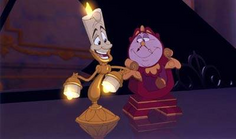
Anthropomorphism is more than a design choice—it’s a process akin to alchemy, turning simple marine motifs into living, breathing characters. This technique imbues vessels, sea creatures, or maritime tools with personality, intention, and emotion, bridging the gap between the viewer’s worldview and the stark, impersonal nature of the sea. The humanoid qualities assigned evoke empathy and create an immediate rapport, disarming the vastness and irreverence of the ocean with relatable traits like trustworthiness, wisdom, or agility. For example, a shipping company might use a lion’s face—connoting strength and nobility—integrated with nautical elements to personify reliability and command.
Through this transformation, maritime branding transcends functional imagery, becoming a semiotic vessel that carries values and narratives. The metaphor of a trusted captain, a steadfast sea guardian, or a spirited sailor becomes visually tangible, fostering consumer connections akin to a myth woven into the cultural fabric.
Emotional Cartography: Mapping Consumer Psyche in Maritime Branding
At its core, branding functions as an emotional cartographer, charting the complex seas of consumer perceptions and loyalty. Anthropomorphism maps these psychological waters with remarkable accuracy. The human mind is wired to recognize faces and interpret gestures, rendering anthropomorphic logos and mascots powerful mnemonic devices. When maritime brands adopt this device, they are not just selling products or services—they are delivering an experience, a persona that customers can emotionally anchor themselves to.
Consider a marine insurance company adopting a wise, elder sea turtle as its emblem. The turtle, anthropomorphized with a gentle smile and knowing eyes, becomes a metaphor for protection and patience in unpredictable waters. Customers are thus subconsciously drawn to the idea of a sentient guardian navigating warranty through tumultuous conditions. This kind of emotional engagement is invaluable in markets where trust and reliability are paramount.
The Unique Appeal: Where Maritime Mystique Meets Human Narrative
The ocean is an ancient, enigmatic realm filled with lore and legend. Maritime branding enriched with anthropomorphic elements taps directly into this mystique, layering it with human narrative to create a deeply resonant brand story. This duality—the primal wildness of the sea intertwined with human traits—produces a paradoxical allure that captures imagination and loyalty.
This unique appeal lies in the metaphorical interplay: the ocean, vast and unknowable, is given a face imbued with familiarity. Consumers don’t simply see a business; they encounter a character, a participant in an unfolding maritime epic. This storytelling capability is a distinct advantage, fostering richer interactions than traditional, static logos.
The subtle anthropomorphic cues can also underscore sustainability and stewardship—values increasingly pivotal in maritime enterprises. A brand that personifies marine fauna as sentient beings encourages ethical engagement, appealing directly to environmentally conscious consumers.
Design Nuances: Balancing the Human and the Nautical
Successfully implementing anthropomorphism in maritime branding demands a sophisticated balancing act between humanization and nautical authenticity. Overly cartoonish or sentimental depictions may trivialize the brand’s gravitas, alienating professional clientele. Conversely, insufficient personification risks leaving the image sterile and forgettable.
Designers must wield a nuanced palette—subtle facial cues, posture, and expression marry with maritime textures like waves, ship rigging, or compass motifs. Sophisticated anthropomorphic logos often draw upon heraldic or emblematic styles, where the humanized figure exudes dignity and purpose rather than caprice.
This finesse reinforces the brand’s positioning and market message. For a luxury yacht manufacturer, anthropomorphism could suggest elegance and exclusivity through poised and regal marine creatures. For a freight company, robustness and endurance might be conveyed by integrating powerful human-like qualities into ship silhouettes.
Challenges and Caveats: Navigating Potential Pitfalls
Despite its compelling potential, anthropomorphism in maritime branding is not without hazard. Misapplied, it can breed incongruity or confusion, particularly if the human traits conflict with brand values or the sea’s raw reality. Over-anthropomorphized logos may risk seeming gimmicky or juvenile, undercutting perceived professionalism.
Moreover, cultural divergences in symbolism and anthropomorphic interpretation must be judiciously considered. A mascot or figure regarded as affable in one culture may be inscrutable or even off-putting in another. Given the global nature of maritime commerce, brands must steer with cultural sensitivity and research.
Finally, reliance on anthropomorphism should never eclipse other pivotal branding elements, such as service quality, consistency, and innovation. It is a powerful auxiliary tool, not a standalone mast for success.
Case Studies and Industry Reflections
Across the maritime sector, brands leveraging anthropomorphism illustrate varying degrees of success. Some freight companies employ soulful animal mascots—whales, lions, and turtles—that embody longevity and trust, becoming familiar yardsticks in competitive markets. Yacht manufacturers and boutique cruise lines often integrate anthropomorphic imagery into elegant crests, evoking heritage and exclusivity.
These case studies underscore that when anthropomorphism is thoughtfully integrated, it elevates branding from transactional to transformational. It fosters storytelling that resonates, cultivates emotional loyalty, and ultimately charts a course toward lasting brand equity.
Conclusion: The Voyage Ahead for Anthropomorphic Maritime Branding
Anthropomorphism, when harnessed with creativity and precision, serves as a lantern illuminating maritime brands’ unique stories amid the fog of competition. It converts abstract concepts—strength, reliability, stewardship—into tangible characters capable of steering consumer sentiment.
The metaphor of the sea as a living entity is age-old; embedding humanity within it renews this mythos for modern commerce. As brands sail toward increasingly experiential and empathetic marketing waters, anthropomorphic maritime branding promises a compelling helm—one that captivates imagination and forges sincere connections between oceanic enterprises and their audiences.