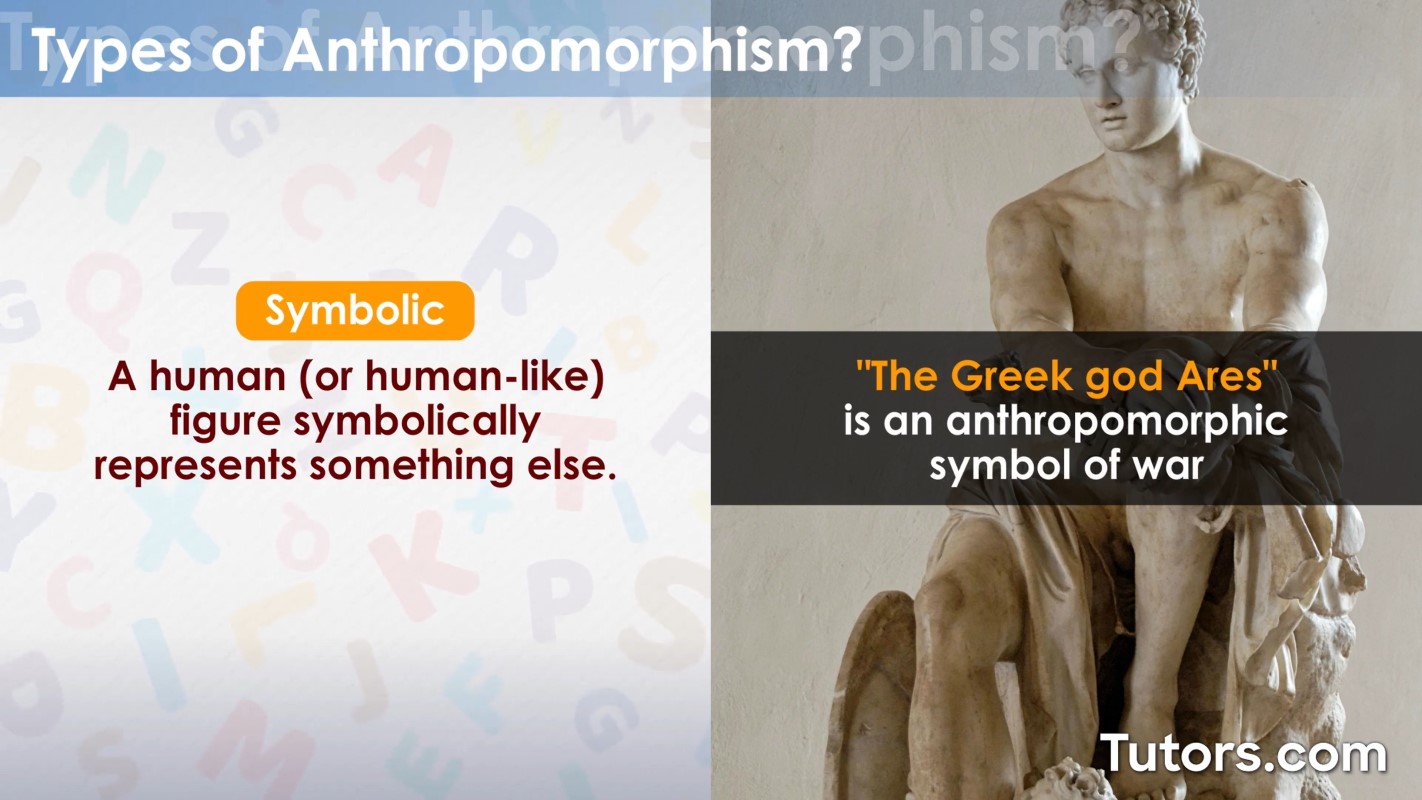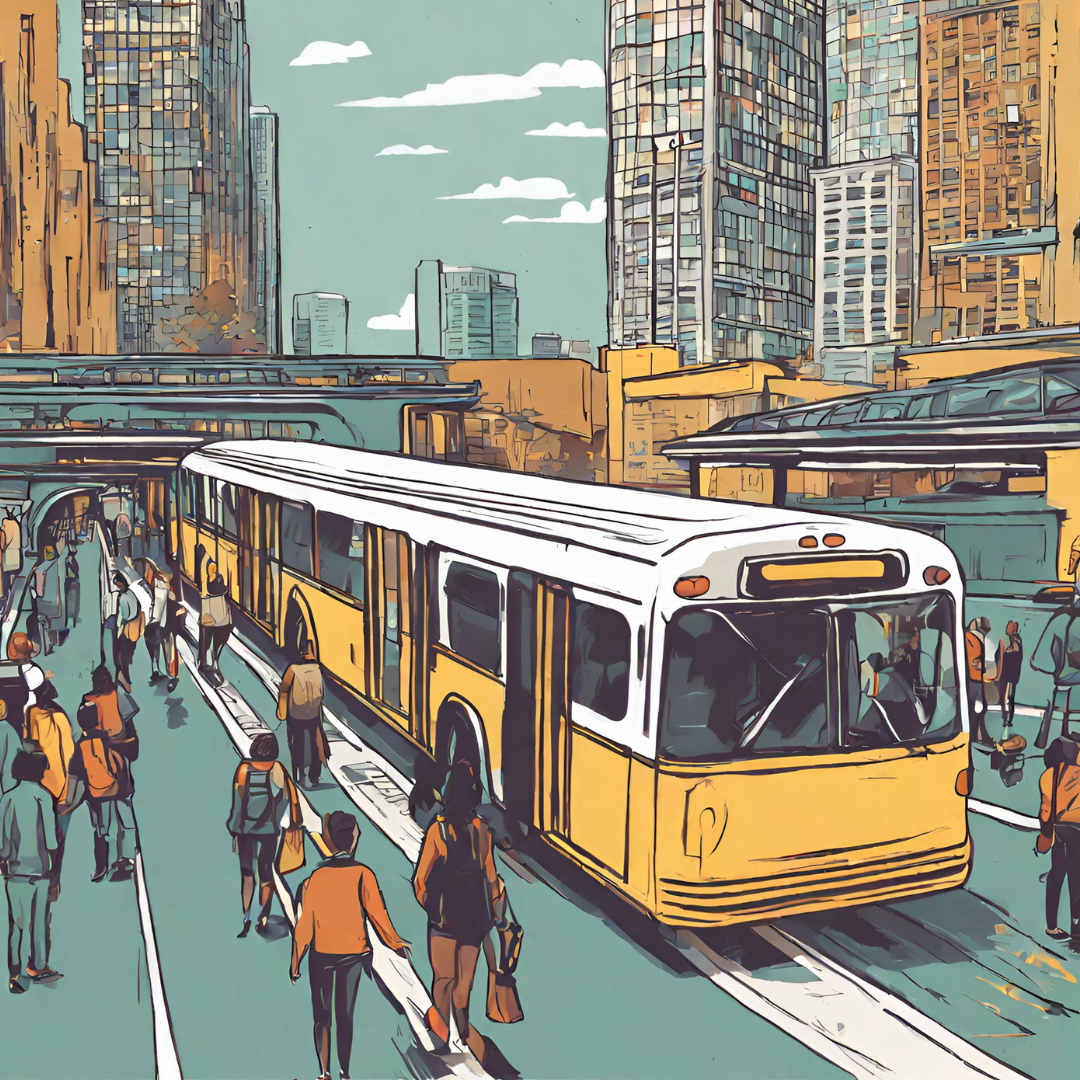
Anthropomorphism—the attribution of human traits, emotions, or intentions to non-human entities—has long been woven into the fabric of storytelling and cultural engagement. In recent years, this phenomena has seeped into the realm of public transportation, influencing how commuters interact with, perceive, and experience transit systems. This layer of humanization creates novel dynamics not only in user engagement but also in design, communication strategies, and overall societal impact. Exploring the multifaceted influence of anthropomorphism on public transportation reveals a complex interplay of psychology, technology, urban planning, and community building.
The Psychological Nexus: Humanizing Transit to Foster Emotional Connection
At the heart of anthropomorphism’s impact on public transportation lies an intriguing psychological mechanism. When vehicles, infrastructure, or transit services are imbued with human-like characteristics—be it through design, voice interfaces, or narrative branding—riders develop emotional connections that transcend mere utility. This approach mitigates the cold, impersonal nature of mass transit systems by fostering empathy, trust, and even affection.
Commuters may perceive buses or trains as “friendly” or “helpful,” reducing travel-related anxiety and enhancing overall satisfaction. Such emotional rapport often translates into increased ridership, as users feel more comfortable and engaged. It exemplifies a paradigmatic shift— public transportation no longer appears as a faceless machine but as a responsive, relatable entity woven into the commuter’s daily life.
Design and Visual Storytelling: Bringing Transit to Life
Designers have embraced anthropomorphism not just as an aesthetic choice but as a strategic tool in branding and user experience. From the curvature of a train’s front that mimics a smile, to the incorporation of “eyes” or human silhouettes on buses, visual storytelling taps into the deep-seated human predilection for recognizing faces and expressions.
This intentional design choice enhances wayfinding and reduces perceived complexity within sprawling transit networks. Passengers, especially children and the elderly, benefit from intuitive cues that convey messages non-verbally. This symbiosis of art and functionality manifests in thoughtfully crafted transit mascots, vehicle wraps, and station motifs that narrate stories reflective of community identity while creating a welcoming atmosphere.
Interactive Interfaces: Giving Transit a Voice and Personality
Technology amplifies the anthropomorphic experience further through interactive systems that emulate human conversation and responsiveness. Voice-enabled ticket machines, chatbots, and digital assistants endowed with personalities help bridge the gap between riders and complex transit data. These interfaces provide personalized assistance, timely updates, and even casual banter, transforming otherwise sterile transactions into engaging exchanges.
Such advancements do more than streamline operations; they democratize access by catering to diverse linguistic and cognitive needs. Passengers feel heard and attended to, with the transit system interacting much like a helpful neighbor rather than an opaque bureaucracy. This dynamic fosters a sense of community ownership and nurtures positive behaviors, such as adherence to schedules and courteous onboard conduct.
Social Impact and Community Engagement: Building Bridges Through Personification
Anthropomorphism extends beyond technology and design into the social fabric of urban life. Public transportation systems that include humanized elements cultivate a shared identity and collective experience among disparate populations. Mascots, campaigns, and narratives built around anthropomorphic characters create common cultural touchstones that transcend socioeconomic barriers.
These elements support social cohesion by making transit spaces feel safer, more inviting, and inherently participatory. Community-led initiatives often leverage these personified symbols to promote environmental consciousness, equity, and inclusivity within the transit ecosystem. This phenomenon underscores how subtle humanization techniques can transform utilitarian infrastructure into vital social connectors, fostering empathy and mutual respect among urban dwellers.
Challenges and Ethical Considerations in Anthropomorphic Public Transit
Despite its many benefits, the anthropomorphizing of public transportation systems raises several challenges and ethical questions. Over-reliance on human traits risks trivializing critical issues such as accessibility and safety. There is the potential for miscommunication if the personality projected conflicts with the system’s operational realities or fails to meet diverse user expectations.
Additionally, deploying personas within automated systems could mask underlying flaws or service deficiencies, creating a veneer of friendliness that obscures transparency. Equity concerns also emerge when anthropomorphic design caters disproportionately to certain demographics, leaving marginalized groups underserved. Hence, a delicate balance is essential—one that harmonizes charm with functionality, inclusivity, and ethical clarity.
Future Trajectories: The Evolution of Personified Transit Systems
Looking forward, the convergence of artificial intelligence, immersive media, and urban intelligence portends a new era for anthropomorphism in public transportation. Transit entities may evolve from static symbols to dynamic companions, adapting their personalities based on user preferences, situational contexts, and cultural nuances. Virtual and augmented reality could further blur boundaries, enabling passengers to co-create transit narratives and personalize their journeys.
This trajectory envisages not only smarter but more emotionally intelligent transit networks—systems that anticipate needs, respond empathetically, and contribute actively to a livable urban environment. Such advances promise to reconstruct public transportation from mere conveyance into a participatory social fabric enriched by humanized interfaces and experiences.
Conclusion: Anthropomorphism’s Enduring Imprint on Urban Mobility
The infusion of human traits into public transportation systems revolutionizes how individuals engage with urban infrastructure. It bridges psychological divides, enhances navigational clarity, enriches technological interaction, and weaves communities closer together. While care is necessary to navigate the ethical complexities and avoid superficial gimmickry, the creative interplay between human character and transit design holds transformative potential. As cities continue to evolve, anthropomorphism will remain a powerful catalyst—animating public transportation with warmth, approachability, and a vital sense of shared humanity.