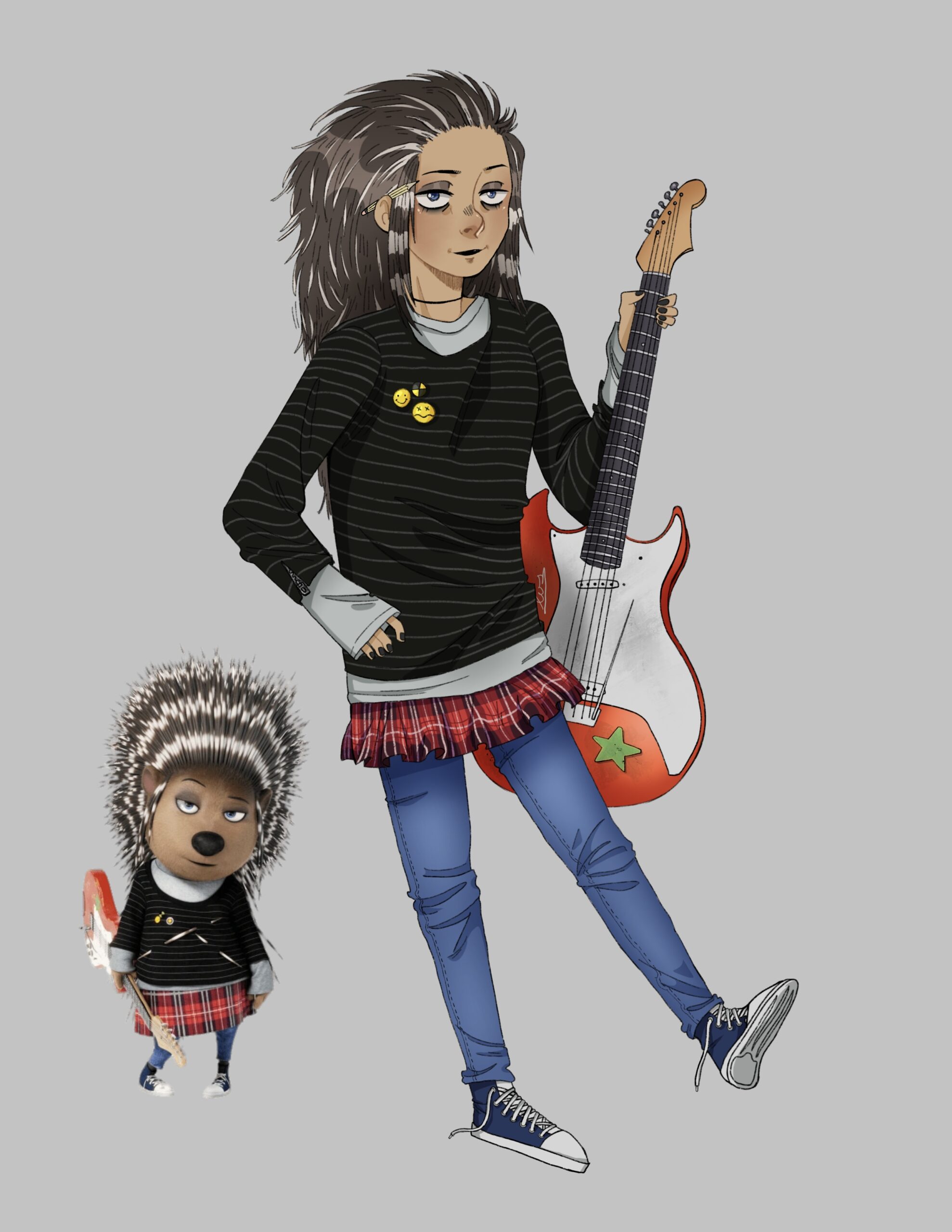
In a world inundated with mass-produced objects and digital interfaces, the silent allure of anthropomorphic accessories beckons us to explore a fascinating intersection of psychology and design. These items—ranging from jewelry to home décor—imbue the inanimate with humanlike qualities, subtly reshaping our emotional landscapes and perceptions. They promise not only aesthetic appeal but also a profound shift in how we relate to objects around us. Unveiling the layers beneath this trend reveals an intricate tapestry woven from our innate psychological tendencies, cultural narratives, and evolving identities.
The Beginnings of Anthropomorphism: A Psychological Necessity
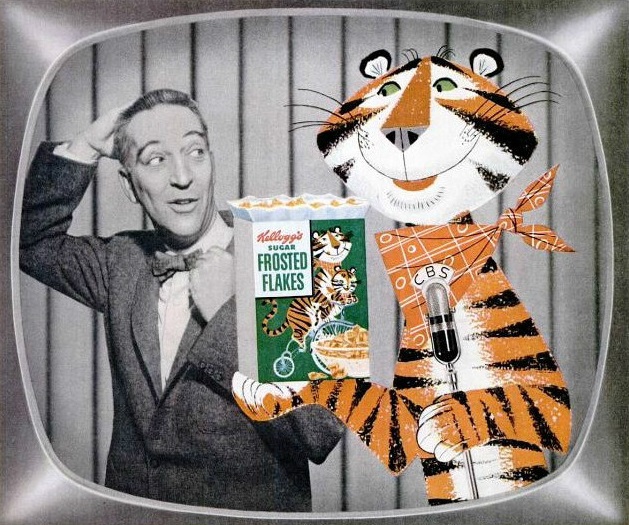
Anthropomorphism is not a mere cultural quirk; it is deeply rooted in human cognition. The tendency to attribute human traits, intentions, and emotions to non-human entities emerged as an evolutionary advantage. Early humans, interpreting ambiguous stimuli by projecting familiar human traits, increased their chances of survival. This predisposition persists today, manifesting itself subtly when we name our cars, talk to virtual assistants, or find faces in the clouds. Anthropomorphic accessories tap into this primordial instinct, offering a comforting sense of companionship and understanding from the otherwise indifferent world of objects.
Emotional Symbiosis: How Accessories Become Extensions of the Self
The emotional resonance elicited by anthropomorphic accessories transcends superficial charm. When an accessory possesses humanlike features—whether it be eyes on a brooch or a smile etched on a ceramic mug—it invites an emotional dialogue. This creates a form of emotional symbiosis where the object is no longer passive; it participates actively in expressing identity and mood. Psychologically, these possessions become extensions of the self, acting as talismans that embody aspects of personality, aspirations, or even vulnerability. This intimate bond fosters well-being and mitigates feelings of alienation in an increasingly fragmented society.
The Narrative Power of Personification in Design
Designers of anthropomorphic accessories expertly harness the narrative power of personification. By endowing objects with faces, gestures, or postures, they craft miniaturized storytellers that engage users’ imaginations. These accessories often evoke nostalgia, playfulness, or whimsy—qualities that inject vitality into quotidian routines. Moreover, the stories these objects tell are often open-ended, prompting wearers or users to project their own experiences or emotions onto them. This fluidity of meaning transforms a simple accessory into an evolving narrative partner, enriching the experiential quality of daily life.
Bridging the Gap Between Technology and Emotion
In an era dominated by technology, anthropomorphic accessories also serve as bridges between cold, impersonal interfaces and human emotion. The rise of smart accessories—wearables with interactive features and personality-infused responses—exemplifies this trend. By integrating subtle anthropomorphic cues, these items soften the mechanical nature of technology, making it more relatable and emotionally engaging. This fusion caters to the human craving for connection, demonstrating that even the most advanced devices benefit from being perceived as something more than mere tools.
Cultural Dimensions and Symbolism Embedded in Anthropomorphic Items
Anthropomorphic accessories do not emerge in a vacuum; they are deeply embedded within cultural symbolism and mythology. Across cultures, animals or objects represented with humanlike attributes often signify virtues, beliefs, or cosmological ideas. Contemporary accessories echo these archetypes, subtly evoking collective memories and shared symbolism. For instance, a pendant shaped like a fox with human eyes may evoke cunning and adaptability, while a bracelet adorned with birdlike features could symbolize freedom and transcendence. This cultural layering enriches the objects with meaning that resonates at both conscious and subconscious levels.
The Psychological Implications of Attachment and Care
When accessories contain anthropomorphic elements, they invite caretaking behaviors usually reserved for living beings. This phenomenon triggers oxytocin release, the neurochemical associated with bonding and trust. Wearing or displaying these accessories can engender feelings of responsibility and affection, paradoxically blurring the line between animate and inanimate. Such attachments offer psychological comfort, especially in times of stress or isolation, illuminating how the mind seeks connections even within the realm of material culture. This dynamic also encourages consumers to adopt sustainable practices by valuing and caring for possessions as cherished companions.
The Impact on Consumer Behavior and Identity Formation
The allure of anthropomorphic accessories extends into the realm of consumer behavior and self-concept. Choosing items with humanlike qualities is often a subconscious strategy for self-expression, an externalization of inner narratives. These objects help forge identities that communicate sophistication, empathy, or playfulness without uttering a word. They invite dialogue—not only between wearer and object but also among social groups—facilitating belonging and differentiation simultaneously. Thus, anthropomorphic accessories become not just fashion statements but potent symbols in the ongoing construction of individual and collective identities.
Future Horizons: Evolving Interactions with Anthropomorphic Accessories
Looking ahead, the convergence of artificial intelligence, augmented reality, and design heralds an evolution in how anthropomorphic accessories function. Future iterations will likely possess enhanced interactivity and adaptive emotional responses, deepening the psychological bonds they foster. This progression promises a paradigm shift—from passive adornments to dynamic partners in our emotional ecosystems. As these accessories learn, respond, and evolve alongside their human counterparts, the boundary between object and companion will become increasingly permeable, challenging our very concepts of relationship and agency.
The psychology of anthropomorphic accessories thus reveals itself as a compelling lens through which to understand our enduring desire for connection, meaning, and self-expression. It invites us to reconsider the silent conversations we hold with the objects we cherish, transforming everyday adornments into profound interlocutors in the human experience.